

You’ve done everything right. Hired a building inspector. Read the report. Negotiated the price. Settled on the property. Then three months later, you’re standing in your new home watching a structural engineer explain why you need to spend $80,000 on restumping.
This happens more often than you’d think. Standard building inspections catch obvious problems—cracked render, missing roof tiles, dodgy guttering. But the defects that cost serious money often hide in plain sight. They’re the ones that look minor during a 90-minute walkthrough but turn catastrophic once you own the place.
Here’s what actually costs buyers tens of thousands after settlement, and why your inspector probably missed it.
The $50,000 Question: What Your Building Inspector Missed
Building inspectors work to a standard scope. They’re looking for visible defects at the time of inspection. They’re not opening walls. They’re not pulling up floorboards. They’re definitely not testing every electrical circuit or checking behind every tile.
The problem? The expensive defects rarely announce themselves during a single visit. They’re progressive. They’re concealed. They’re weather-dependent. Or they’re simply outside the scope of what a general inspection covers.
Most buyers assume a clean building report means the property is sound. It doesn’t. It means nothing obviously wrong was visible on that particular day. That’s a very different thing.
If you’re serious about avoiding expensive surprises, a Building Inspection Sydney Checks Apartment House should be your starting point, not your only inspection.
Structural Movement: Cracks That Turn Into $80,000 Restumping Bills
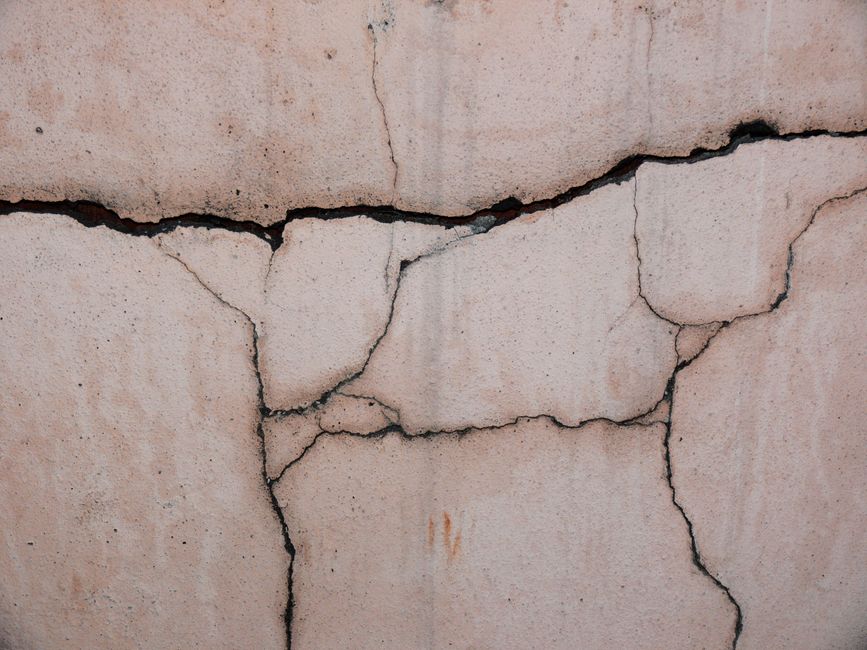
Photo by barış erkin on Pexels
You see a hairline crack in the plaster. The inspector notes it. Everyone moves on. Six months later, that crack has opened up, the door frames are jamming, and a structural engineer is telling you the stumps are failing.
Restumping a Sydney home costs between $15,000 and $80,000 depending on size and access. It’s not optional. Once the foundation starts moving, everything else follows.
What Hairline Cracks Actually Tell You
Not all cracks matter. Plaster cracks from settlement are normal. But cracks that run diagonally from door frames, appear in multiple rooms, or show up in brickwork? Those are structural.
The width isn’t always the issue. It’s the pattern. Stepped cracks in brickwork. Cracks that widen at one end. Cracks that appear above windows and doors. These indicate movement in the structure below.
If you’re seeing these patterns, you need a structural engineer, not reassurance from the selling agent.
Why Standard Inspections Miss Progressive Movement
A building inspector sees the property once. They can’t tell you if a crack is stable or active. They can’t measure whether it’s getting worse. They note it exists and move on.
Progressive movement only shows up over time. Ideally, you’d inspect the property twice—once when you first view it, then again just before settlement. Compare the cracks. If they’ve changed, you have a problem.
Concealed Water Damage: The $65,000 Bathroom Renovation You Didn’t Plan
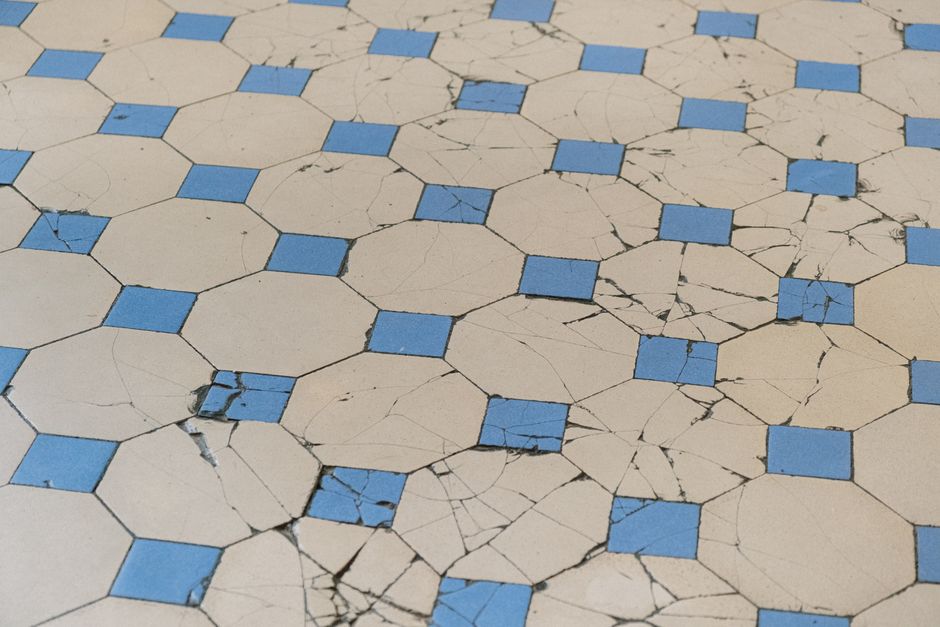
Photo by cottonbro studio on Pexels
Water damage is expensive because by the time you see it, it’s already destroyed the structure behind the surface. Tiles look fine. Grout looks fine. Then you notice a soft spot in the floor, pull up a tile, and discover the entire subfloor is rotted.
A full bathroom renovation in Sydney—stripping everything back to the frame, replacing damaged timber, re-waterproofing, re-tiling—easily hits $65,000. More if the water has spread to adjoining rooms.
Where Water Hides Behind Tiles and Vanities
Water doesn’t always leak visibly. It seeps through failed grout, pools behind tiles, and slowly rots the timber frame. The tiles themselves can look perfect while the structure behind them disintegrates.
Check behind vanities. Look for soft spots in the floor near the shower. Press the tiles—if they move, the adhesive has failed and water is getting through. Run your hand along the base of the shower screen. If the sealant is cracked or missing, water is escaping.
The Three-Month Timeline Before It Shows
Water damage takes time to become visible. A small leak might run for three months before you notice discolouration on the ceiling below. By then, the damage is extensive.
This is why moisture meters matter. A building inspector with a moisture meter can detect elevated moisture levels in walls and floors before any visible damage appears. If your inspector didn’t use one, you’re guessing.
Electrical Hazards: $55,000 to Rewire What Looked ‘Recently Updated’
New light switches and power points make a property look updated. But behind those shiny new fittings, the wiring might be 40 years old, aluminium, and a genuine fire risk.
Rewiring a Sydney home costs between $8,000 and $55,000 depending on size and access. If the house has aluminium wiring, you’re at the higher end of that range.
Aluminium Wiring Disguised by New Switches
Aluminium wiring was common in the 1960s and 70s. It’s not illegal, but it’s problematic. Aluminium expands and contracts more than copper, which loosens connections over time. Loose connections overheat. Overheating causes fires.
Sellers know this. So they replace the visible fittings—switches, power points, light fixtures—without touching the wiring. The property looks updated. The wiring is still aluminium.
You can’t tell by looking at the switches. You need to check the switchboard or have an electrician inspect the wiring.
Why Your Inspector Didn’t Open the Switchboard
Most building inspectors don’t open switchboards. It’s outside their scope. They’ll note if the switchboard looks old or if there are obvious issues, but they won’t test circuits or identify wiring types.
If you’re buying an older property, pay for a separate electrical inspection. It costs around $300. It’s worth it.
Roof Membrane Failure: The $70,000 Surprise After the First Heavy Rain
Flat roofs and low-pitch roofs rely on waterproof membranes. When those membranes fail, water pools on the roof and eventually leaks through. Replacing a failed roof membrane costs between $20,000 and $70,000 depending on the roof size and access.
The problem? Membrane failure doesn’t show up during dry weather. The roof looks fine. Then it rains, and water pours into your ceiling cavity.
Flat Roof Warranties That Don’t Transfer
Many roof membranes come with 10 or 15-year warranties. But those warranties often don’t transfer to new owners. The seller had the warranty. You don’t.
Ask for proof of when the membrane was installed and whether the warranty transfers. If it doesn’t, factor in the cost of replacement when negotiating the price.
What a Dry-Weather Inspection Can’t See
Inspecting a roof during dry weather is like test-driving a car on a smooth road. You won’t find the problems until conditions change.
If possible, inspect the property after heavy rain. Check the ceilings for water stains. Look in the roof cavity for signs of moisture. If the inspection happens during a dry spell, ask the seller directly: has the roof ever leaked?
Termite Damage in Treated Timber: $90,000 to Replace Load-Bearing Frames
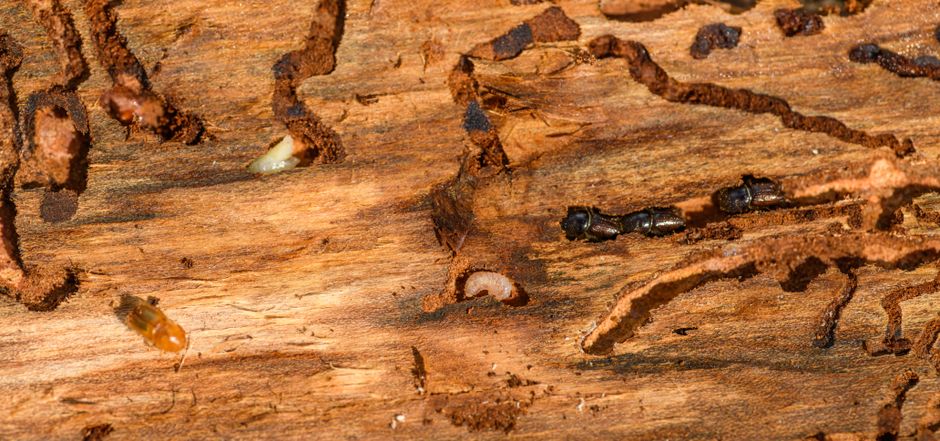
Photo by Petr Ganaj on Pexels
Treated timber is supposed to resist termites. It doesn’t always work. Termites can still attack treated timber if the treatment has degraded or if the timber is in contact with soil.
Replacing load-bearing frames damaged by termites costs between $30,000 and $90,000. If the damage is extensive, you’re looking at the higher end.
Why Termite Barriers Give Buyers False Security
A termite barrier doesn’t mean the property is termite-free. It means there’s a barrier in place. Barriers can fail. They can be breached during renovations. They can degrade over time.
If the property has a termite barrier, ask when it was installed and when it was last inspected. Barriers need annual inspections to remain effective. If the seller can’t provide inspection records, assume the barrier has failed.
The Difference Between Active and Historic Damage
Historic termite damage is old damage that’s been treated. Active termite damage is ongoing. The difference matters because active damage means termites are still in the property.
A termite inspection will identify active infestations. But if the inspection happens during winter when termites are less active, it might miss them. If you’re buying in winter, consider a follow-up inspection in spring.
Asbestos in Unexpected Places: $50,000 Removal Before You Can Renovate
Asbestos wasn’t fully banned in Australia until 2003. If the property was built or renovated before then, assume asbestos is present until proven otherwise.
Asbestos removal costs between $30 and $150 per square metre depending on the material and location. A full house removal can easily hit $50,000.
Textured Ceilings and Vinyl Flooring Built After 1990
Most buyers assume properties built after 1990 are asbestos-free. Not always. Asbestos-containing materials were still legal until 2003, and some builders kept using old stock.
Textured ceilings, vinyl flooring, and fibre cement sheeting can all contain asbestos even in properties built in the 1990s. You can’t tell by looking. You need testing.
Why Renovation Quotes Don’t Include Testing Costs
When you get a renovation quote, it’s based on the assumption that there’s no asbestos. If asbestos is found, the quote changes. Testing costs around $100 per sample. Removal costs significantly more.
If you’re planning renovations, get asbestos testing done before you settle. If asbestos is present, factor the removal cost into your offer price.
Drainage and Grading Failures: $60,000 to Fix What Happens Underground
Water should flow away from your property. When it doesn’t, it pools around the foundation, seeps into the subfloor, and causes structural damage.
Fixing drainage and grading issues costs between $10,000 and $60,000 depending on the severity and the site. If the problem involves excavation, underpinning, or regrading the entire block, you’re at the higher end.
How Water Flows Toward Your Foundation, Not Away
Poor grading is common in older properties. The block was graded correctly when the house was built, but over time, soil settles, gardens are added, and the grading changes.
Walk around the property during or after rain. Watch where the water goes. If it’s pooling near the foundation or flowing toward the house, you have a grading problem.
The Neighbour’s Property That Changed Everything
Sometimes the drainage problem isn’t on your property. It’s on the neighbour’s. They’ve built a retaining wall, added a driveway, or changed their grading, and now water flows onto your block.
This is harder to fix because it involves negotiating with the neighbour or taking legal action. Before you buy, check the surrounding properties. Have they made recent changes that could affect drainage?
What to Do Before Your Settlement Date
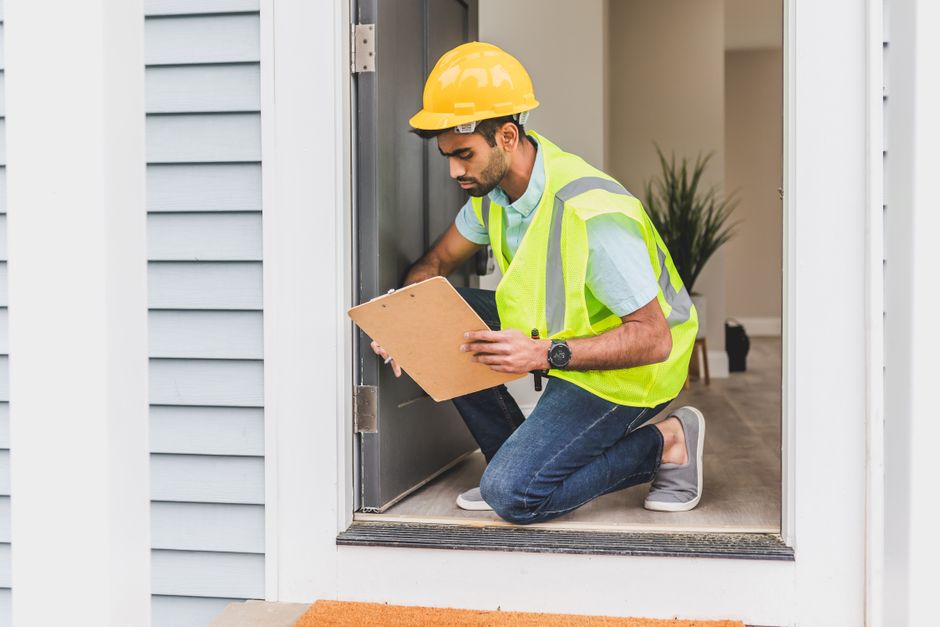
Photo by RDNE Stock project on Pexels
You have leverage before settlement. After settlement, you own the problems. Use that leverage.
The Specialist Inspections Worth Paying For
A general building inspection is a starting point. For older properties or properties with known issues, add specialist inspections:
- Structural engineer for cracks or movement
- Electrician for wiring and switchboard
- Plumber for drainage and water pressure
- Termite specialist for timber damage
- Asbestos assessor for pre-2003 properties
Each inspection costs between $300 and $800. That’s cheap compared to a $60,000 repair bill.
For comprehensive coverage, consider scheduling a Building Inspection Parramatta if you’re looking in the western suburbs, where older housing stock is common.
Questions That Make Sellers Nervous (And Should)
Ask direct questions. If the seller hesitates or deflects, that’s information.
- Has the roof ever leaked?
- When was the electrical wiring last inspected?
- Have there been any termite treatments?
- Are there any drainage issues?
- Has any asbestos been identified or removed?
Get the answers in writing. If the seller makes a claim, ask for proof.
Your Pre-Settlement Checklist
Before you settle, do a final inspection. Check that nothing has changed since your last visit. Look for new cracks, water stains, or damage.
Test everything. Turn on taps. Flush toilets. Check power points. Open and close doors and windows. If something doesn’t work, document it.
If you’re planning to make property inspections a regular part of your investment strategy, our guide on 2026 Property Resolutions Building Inspections Sydney covers what to prioritise this year.
The Real Cost of ‘As-Is’ Purchases
‘As-is’ means the seller isn’t fixing anything. It doesn’t mean you can’t negotiate. If your inspections reveal expensive defects, adjust your offer accordingly.
Calculate the actual repair costs. Get quotes from licensed tradespeople. Then decide whether the property is still worth buying at the asking price.
Sometimes it is. Sometimes it isn’t. But at least you’re making the decision with accurate information, not discovering the problems after you’ve already settled.