Inspection services
Asbestos inspections
An asbestos inspection identifies the materials in your home that may contain asbestos, so you can plan renovations, testing and any removal with confidence. Every asbestos inspection across Sydney is carried out in-house by Vital's own experienced inspectors.
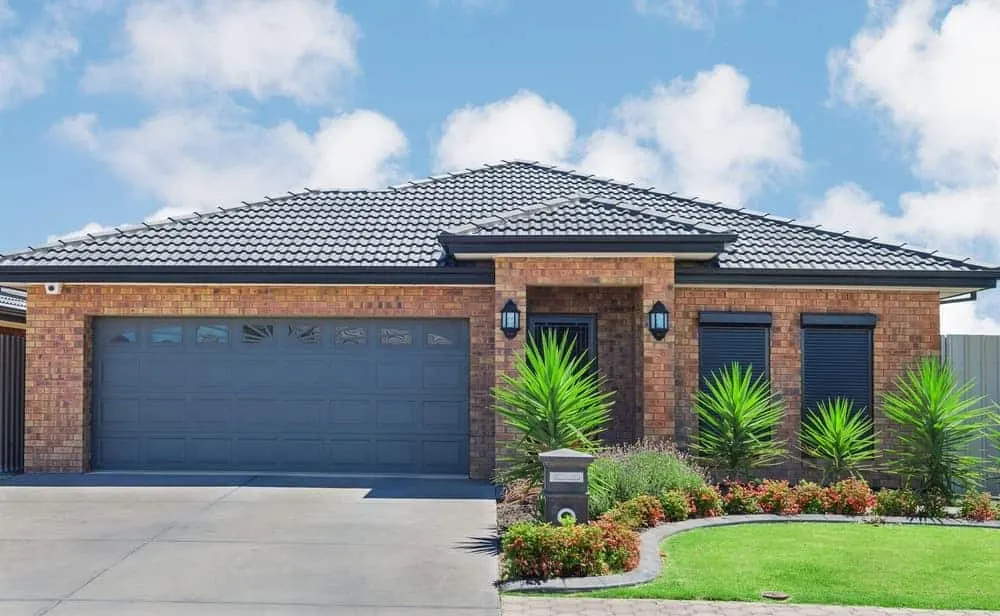
An asbestos inspection tells you where the materials that may contain asbestos are in your home, what condition they're in and what to do before any renovation, so you can plan the work with confidence. Vital carries out asbestos inspections for homes across Sydney. Every inspection is carried out in-house by Vital's own experienced inspectors, with no subcontractors. Vital's owner, Peter Ezeigwe, has a background in building restoration and disaster assessment, and that background shapes Vital's close knowledge of where older building materials turn up in Sydney homes and how they behave once they're disturbed.
Asbestos inspections for Sydney homes
Asbestos was used in a wide range of Australian building products until the 1980s, and asbestos products were banned nationally from 31 December 2003. Many Sydney homes built or renovated before 1990 still have some of these materials in their walls, eaves, wet areas, floors and outbuildings. In good condition and left undisturbed, bonded asbestos sheeting is generally stable. The time to know where it is comes before any work that drills, cuts, sands or breaks it.
An asbestos inspection from Vital gives you that knowledge in a written report, so you can:
- plan a renovation around the materials that may contain asbestos
- get accurate quotes from builders and licensed removalists
- decide which materials to have tested by a laboratory
- buy an older home knowing what's in it
For a closer look at why buyers and renovators book one, read the guide to the asbestos building inspection, and for the facts behind common beliefs, read myth vs fact: the real dangers of asbestos.
Where asbestos is found in older homes
These are the places your inspector checks in a Sydney home built or renovated before 1990:
| Part of the home | Materials that may contain asbestos |
|---|---|
| Walls and eaves | Fibre cement (fibro) wall sheeting, eaves linings, gable ends and infill panels under windows |
| Wet areas | Fibre cement wall and ceiling linings in bathrooms and laundries, often behind tiles |
| Floors | Vinyl floor tiles, and the backing of older sheet vinyl and linoleum |
| Roofs and gutters | Corrugated fibre cement roofing, ridge cappings, gutters and downpipes |
| Ceilings | Textured or sprayed ceiling finishes, and fibre cement ceiling sheets |
| Services | Older electrical meter boards, flues and pipe lagging |
| Outbuildings and fences | Garages, carports, sheds and fibre cement fencing |
Some older Sydney homes also had loose-fill asbestos insulation put in their roof space. NSW Fair Trading keeps a public register of homes where it's been found, and your conveyancer can check it when you're buying.
What the inspection covers
Vital's asbestos inspection covers:
- Visual identification of materials that may contain asbestos, throughout the inside and outside of the home, the roof, the roof space, the subfloor where there is one, and the outbuildings
- the condition of each material, such as whether it's intact, weathered, cracked or broken
- where each material is, with photos
Tell Vital when you book which parts of the home you're planning to renovate, and your inspector gives those areas particular attention.
Only a laboratory test of a sample confirms whether a material contains asbestos. Your Vital report tells you which materials to have tested, so the testing is targeted and the results answer the questions your renovation raises.
Next steps after the report
With the report in hand, you have 3 clear options for each material:
- Leave it in place. Bonded asbestos sheeting in good condition, in a part of the home you're leaving alone, can stay where it is. Keep the report with your house records so future trades know where it is.
- Have it tested. Before you renovate, a laboratory test confirms which materials contain asbestos and which are clear.
- Have it removed. SafeWork NSW requires a licensed asbestos removalist to remove more than 10 square metres of bonded asbestos, and any friable asbestos, and recommends a licensed removalist for any amount. Your Vital report gives the removalist a clear starting point for the quote.
Your inspector walks you through the findings and answers your questions about the report, so you know which items matter for your plans. If you're buying, Vital's pre-purchase building and pest inspection also notes material that may contain asbestos as a safety hazard, and Vital's other building inspection services are listed on their own page.
Prices and booking
An asbestos inspection is priced for the size of the home and the areas you need inspected. Vital gives you a free quote before you book, and Vital's inspection prices are listed plus GST on the prices page.
To book, send the address, the age of the home if you know it and the areas you're planning to work on through the booking page, or call Vital. The sample report shows how Vital sets out the findings, and more answers are on the inspection questions page.
Frequently asked questions
What is an asbestos inspection?
An asbestos inspection is a visual inspection of a home to identify the building materials that may contain asbestos, such as fibre cement sheeting, eaves linings, wet area linings, vinyl floor tiles and roofing. Your report sets out where each material is and its condition, so you can plan testing and any work around it.
Does my home have asbestos?
If your home was built or renovated before 1990, it's likely to have some building materials that contain asbestos. Asbestos building products were banned in Australia from the end of 2003. The guide Does your new home have asbestos? covers what to look for when you're buying.
How is asbestos confirmed?
Only a laboratory test of a sample confirms whether a material contains asbestos. Vital's inspection identifies the materials that may contain it, and the report tells you which ones to have tested before you drill, cut, sand or demolish.
Does a building inspection check for asbestos?
A pre-purchase building inspection notes material that may contain asbestos as a safety hazard wherever your inspector sees it. An asbestos inspection looks for these materials throughout the home in more detail, which suits you if you're planning a renovation or buying an older home.
Can I remove asbestos myself?
SafeWork NSW sets the rules. A licensed asbestos removalist is required to remove more than 10 square metres of bonded asbestos, and any friable asbestos. SafeWork NSW recommends a licensed removalist for any amount, and its website explains the safe handling and disposal rules.
How much does an asbestos inspection cost?
The price depends on the size of the home and how many areas need inspecting. Vital gives you a free quote before you book, and Vital's other prices are on the prices page.
Can I attend the asbestos inspection?
Yes. You're welcome to attend, show your inspector the areas you're planning to renovate and walk through the findings together.
Book or ask Vital
Talk to Vital about your inspection
Send the address and the service you need, and Vital comes back to you with a free quote and a time. You're encouraged to attend, meet your inspector and hear the findings face to face.
0401 012 074Monday to Friday, 7am to 9pm