Sample report
Sample building and pest inspection report
A building and pest inspection report from Vital sets out every finding in plain English, with a photo, where it is and what your inspector recommends. Here's how the report is laid out, how findings are rated and what each section covers.
A building and pest inspection report from Vital tells you the condition of the home in plain English. Every finding comes with a photo where possible, where it is in the home, what it means and what your inspector recommends, and your inspector walks you through it once it's ready.
What the report looks like
The sections of a building and pest inspection report
Your report follows the order your inspector works through the home, so you can read it area by area:
- The summary. The findings that matter most, so you can see the overall picture first.
- Inside the home. Ceilings, internal walls, floors, doors, staircases, windows and other joinery, the built-in kitchen and fittings, bathrooms, and details such as fireplaces and chimney breasts.
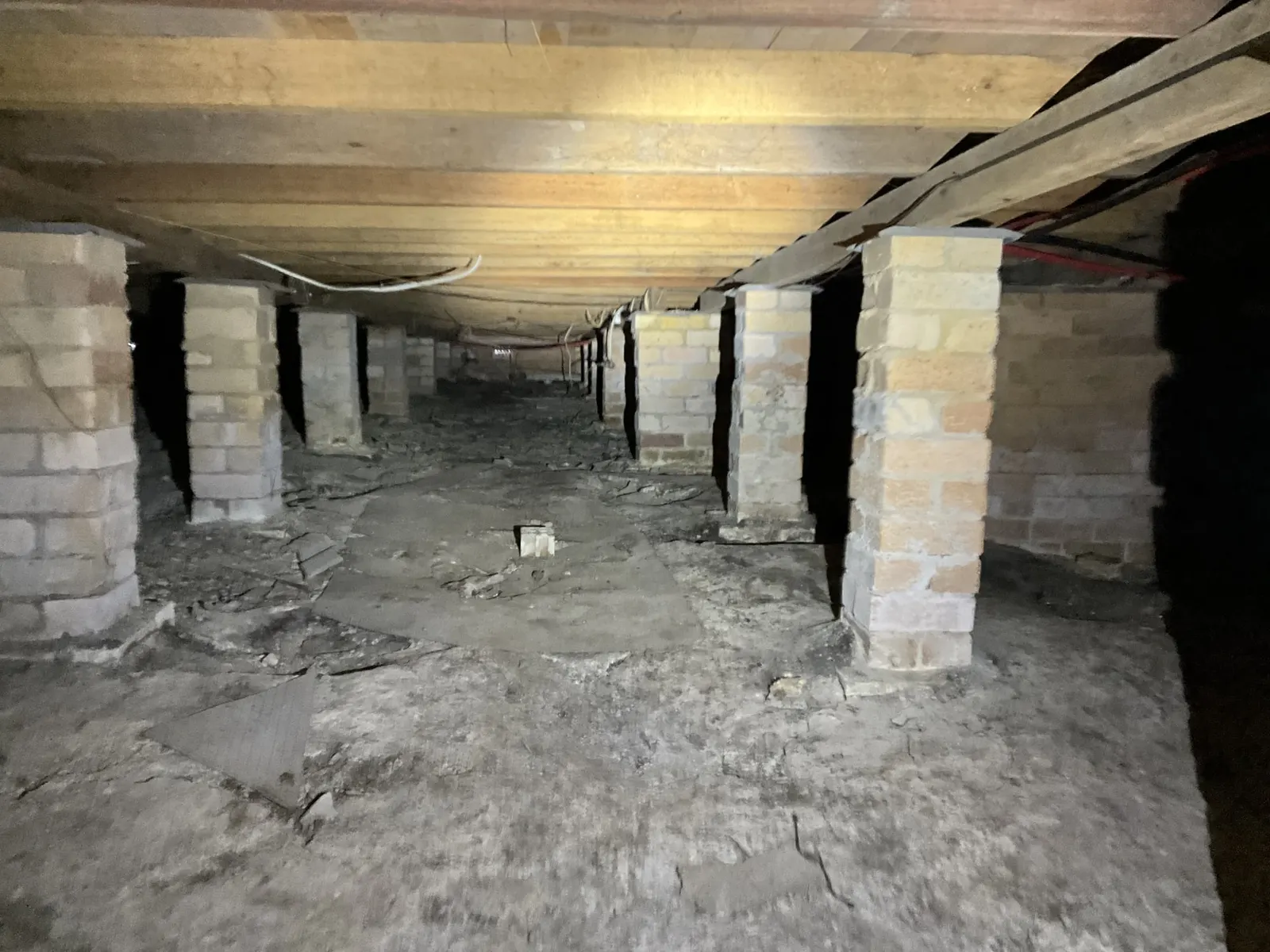
- The roof space and subfloor. Framing, insulation, piers, bearers and joists, ventilation and any sign of damp.
- Outside the home. External walls, windows and doors, verandahs, patios and decks, the roof covering, flashings and penetrations, gutters and downpipes, the ground around the building, fences and retaining walls, and outbuildings.
- The timber pest report. Live termites, termite workings and damage, signs of past termite treatment, borers and fungal decay.
- Conditions that attract timber pests. Subfloor ventilation, excess moisture, anything bridging the termite management system or inspection zones, and timber in contact with damp ground.
Each area of the building and pest inspection report notes what was inspected and anything that limited access on the day, such as a locked room or stored goods, so you know exactly what the findings cover.
How findings are rated
Every building finding is placed in 1 of 3 groups set out in AS 4349.1-2007:
- Major defects. A defect that needs repair to keep the home safe, usable or protected from further damage, such as a roof leak, structural cracking or a leaking shower recess.
- Minor defects. Wear, ageing and maintenance items, such as worn paint, a loose door handle or a cracked tile, which you can plan and budget for.
- Safety hazards. Anything your inspector sees that needs attention for safety, such as a loose balustrade or a trip hazard, and any material that may contain asbestos.
The report also gives you the inspector's overall view of the home's condition compared with similar homes of a similar age, so you can see whether the findings are typical for the property.
The timber pest section records what was found and the conditions around the home, and recommends how often to have the home inspected again.
Photos and recommendations in your building and pest inspection report
Your inspector photographs each finding wherever possible, and the photo sits beside the explanation, so you can see the crack, the damp patch or the termite damage for yourself. Where a thermal imaging camera or moisture meter helped the inspector look further, the report explains what the reading showed.
Each finding ends with a recommendation you can act on. That might be a simple maintenance job, a repair to raise with the vendor, or a specialist to call in, such as a licensed plumber, electrician, structural engineer or pest manager. Vital's owner, Peter Ezeigwe, brings a background in building restoration, and that knowledge shapes how a Vital report explains the way a defect is usually fixed. Your inspector is happy to talk it through when you go through the report together.
For more on reading your report, see the guide to building inspection when buying a house.
Download the sample report
Vital's example building and timber pest inspection reports (PDF, 60 pages, 8.6 MB) show a recent pre-purchase inspection in full: the building report, then the timber pest report, each from the summary to the inspector's certification, with the client's details removed.
Every Vital inspection comes with a report set out this way. The sample shows the structure and style, and your own report reflects your property, its condition, the areas accessible on the day and the scope you agree. You can see what's included in the pre-purchase building and pest inspection, and every starting price is on the prices page.
Book an inspection
When you're ready, book an inspection online with the address and your preferred date. Vital confirms the price, the inspection time and when your report will be ready. You're encouraged to attend the inspection, meet your inspector and ask questions on site, so you hear what was found and what to do next while you're at the home.
Frequently asked questions
What does a building and pest inspection report include?
It covers the condition of the building and the timber pest findings in 1 report: major defects, minor defects, safety hazards, termites, borers, fungal decay and the conditions that attract timber pests, each with an explanation and a recommendation.
Does the report include photos of the defects?
Yes. Your inspector photographs the defects found wherever possible, and each photo sits beside the finding it shows, so you can see exactly what's meant and where it is.
Will my report look like the sample?
It follows the same structure and style. The findings are your home's own, because your report reflects the property, its condition, the areas accessible on the day and the scope you agree before the inspection.
Who can I share my report with?
The report is prepared for you, the person who booked the inspection, and you choose who sees it. Buyers usually share it with their conveyancer, and sometimes with the vendor or agent when they negotiate.
Will my inspector explain the report?
Yes. Your inspector walks you through the findings once the report is ready and answers your questions, so you know what each finding means for the home.
Book or ask Vital
Talk to Vital about your inspection
Send the address and the service you need, and Vital comes back to you with a free quote and a time. You're encouraged to attend, meet your inspector and hear the findings face to face.
0401 012 074Monday to Friday, 7am to 9pm