
Guides
How long does it take to receive the building inspection report?
How long does a building inspection take? The time on site depends on the size, age, construction and access of the home, and the written report follows soon after the inspection, so you have it while there's still time to act during negotiations or the cooling-off period.
How long does a building inspection take? The time on site depends on the size, age and construction of the home and how easy it is to reach the roof space and subfloor, and a combined building and pest inspection takes a little longer than a building inspection alone. The written report usually takes longer than the inspection itself, and that's the part with a deadline attached. Vital sends your report usually within 24 hours, so you have it in time to act.
How long does a building inspection take at a glance
- On site, a small home with clear access takes less time than a large older home on piers.
- A combined building and pest inspection takes longer than a building inspection alone, and less time than 2 separate visits.
- Vital confirms when your report will be ready at the time you book.
- You're welcome to attend, and your inspector walks you through the findings.
When your report arrives
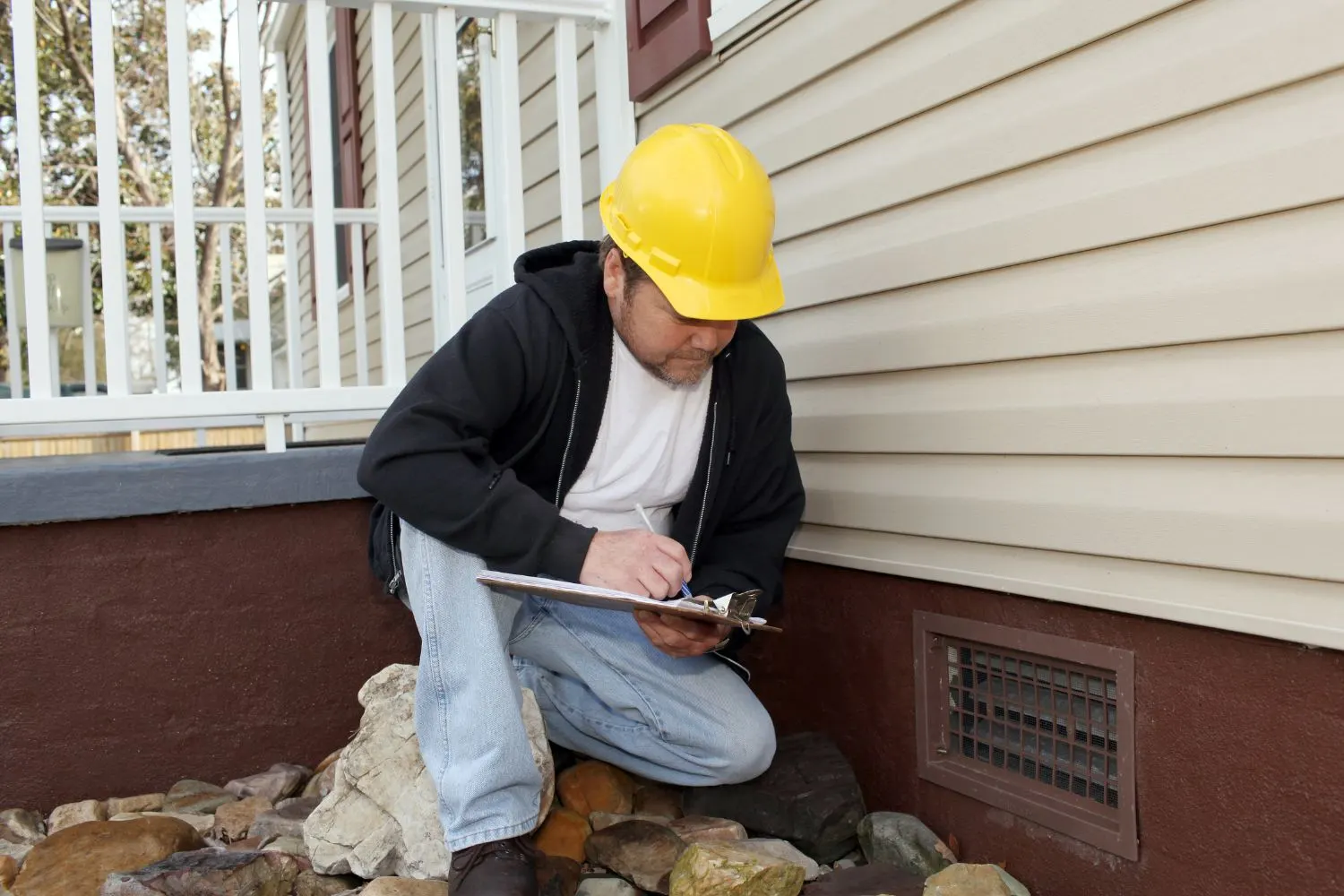
After the inspection, your inspector writes up the findings in the report. It covers the structure, the roof and roof space, the subfloor, the wet areas, the outside of the home and the site, to AS 4349.1-2007. If you add a pest inspection, the timber pest findings follow AS 4349.3.
Each finding comes with photos, where it is, and what your inspector recommends, so you can act on the report the day you receive it. You can see the layout in the sample report.
What sets the timing
Time on site
Several things decide how long a building inspection takes on the day:
- Size: more rooms, a second storey, a garage, a granny flat or outbuildings all add areas to inspect
- Construction: a home on piers has a subfloor to crawl through, while a home on a slab has its edges and weep holes to check
- Age and condition: an older home usually has more to record, and each finding takes time to photograph and note
- Access: a clear path to the roof space manhole and the subfloor lets the inspection run smoothly
- The site: retaining walls, paths, fences, decks and a large garden add to the outside inspection
- A pest inspection: checking for termites, borers and timber decay adds time, especially in the subfloor and garden
Ask Vital how long to allow when you book, so you can plan your day and arrange access with the agent.
Time to write the report
The report takes longer than the inspection, because every finding is written up with photos, its location and a recommendation. A larger or older home with more to record means a longer report. Vital confirms when your report will be ready at the time you book, so you can plan around your deadlines.
Helping the inspection run smoothly
You can help the inspection, and the report, come together quickly:
- Ask the agent to arrange access to the whole property, including the garage, sheds and any granny flat.
- Make sure the roof space manhole and the subfloor entry can be reached.
- Tell Vital about anything you've noticed or are concerned about, so your inspector can give it a closer look.
- Let Vital know your deadline when you book, such as the auction date or the end of your cooling-off period.
Tight deadlines and cooling-off periods
Timing matters most when you're buying. The NSW Government's guide to inspection reports notes that most inspectors need at least 2 to 3 days' notice to do a building inspection, and that inspections are usually done before you exchange contracts.
If you're relying on the cooling-off period on a private sale, it starts as soon as you exchange and ends at 5pm on the 5th business day. If you choose not to proceed during that time, you forfeit 0.25% of the purchase price. There's no cooling-off period when you buy at auction, or when you exchange on auction day after the property is passed in, so book your inspection well before auction day. Your solicitor or conveyancer can confirm what applies to your contract.
The same guide explains that the agent must tell you about any previous inspection reports that have been commissioned, and that a report arranged by the seller can help but is no substitute for your own independent report.
Reading your report
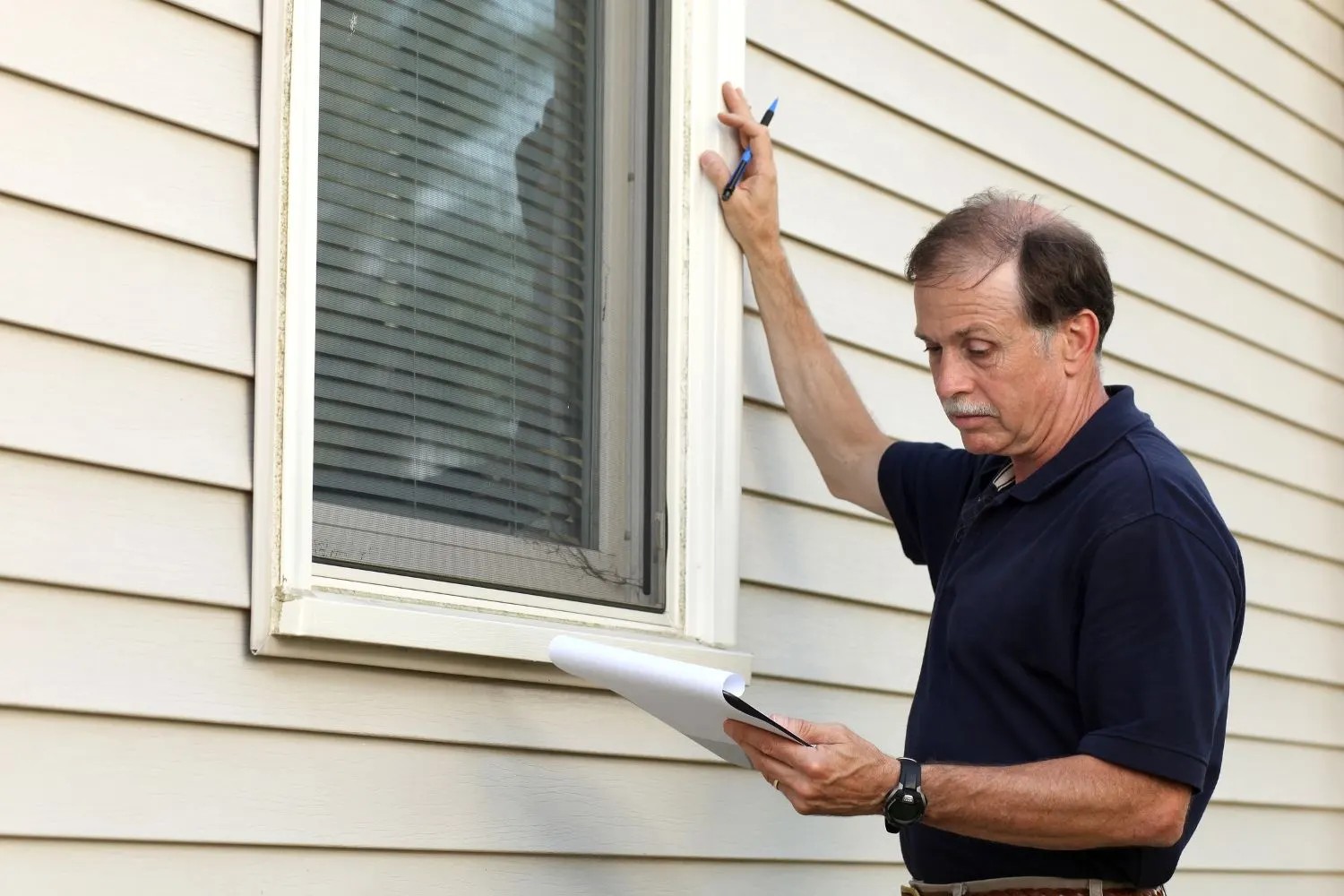
When the report arrives, read it from beginning to end. The summary gives you the main points, and the detail shows where each finding is and what it means. Your Vital report sorts findings into major defects, minor defects and safety hazards, as the standard requires. Your inspector walks you through the findings and answers your questions about the report.
From there, sort the findings by priority, get quotes for anything significant, and decide whether to ask for repairs, renegotiate or go ahead as planned. Peter's guide on what to do after your building inspection walks you through each step.
Book an inspection
Every inspection is carried out in-house by Vital's own experienced inspectors, with no subcontractors, and Vital's owner, Peter Ezeigwe, holds a Diploma of Building and Construction. You're welcome to attend. Book as soon as you're serious about a property, and tell Vital your deadline, so the report reaches you with time to spare.
Book an inspection, see the prices, or call Vital on 0401 012 074. Peter's blog has more guides for buyers.
Frequently asked questions
How long does a building inspection take?
The time on site depends on the size, age and construction of the home, and on how easy the roof space and subfloor are to reach. A compact home on a slab with clear access takes less time than a large older home on piers with a garage, granny flat and big garden. Ask Vital how long to allow when you book.
How long does a building and pest inspection take?
A combined building and pest inspection covers the structure and the timber pests in 1 visit, so it takes longer than either inspection on its own, but less time than booking them separately. The size of the home, the subfloor, the roof space and the garden all add to the time, because each is checked for defects and for termite activity.
How long does a building inspection report take to arrive?
Your Vital report follows soon after the inspection, with photos of each finding and recommendations you can act on. Having it quickly matters on a purchase, because it gives you time to read it, talk it through with your inspector, and get quotes while you can still negotiate or use your cooling-off period.
How much notice does a building inspector need?
The NSW Government notes that most inspectors need at least 2 to 3 days' notice to do a building inspection. Book as early as you can, ideally as soon as you're serious about a property, and especially if you're relying on the cooling-off period, which ends at 5pm on the 5th business day after exchange.
Can I be there during the building inspection?
Yes, you're welcome to attend. Being there lets you see the findings on site, point out anything you've noticed, and ask questions on site. Your inspector also walks you through the report afterwards, so you know what each item means before you decide your next step.