
Guides
Does Your New Home Have Asbestos?
If you're wondering when asbestos was banned in Australia, it was totally banned from 31 December 2003, so homes built or renovated before then may contain it. A building inspection flags materials worth testing while you're still in the cooling-off period.
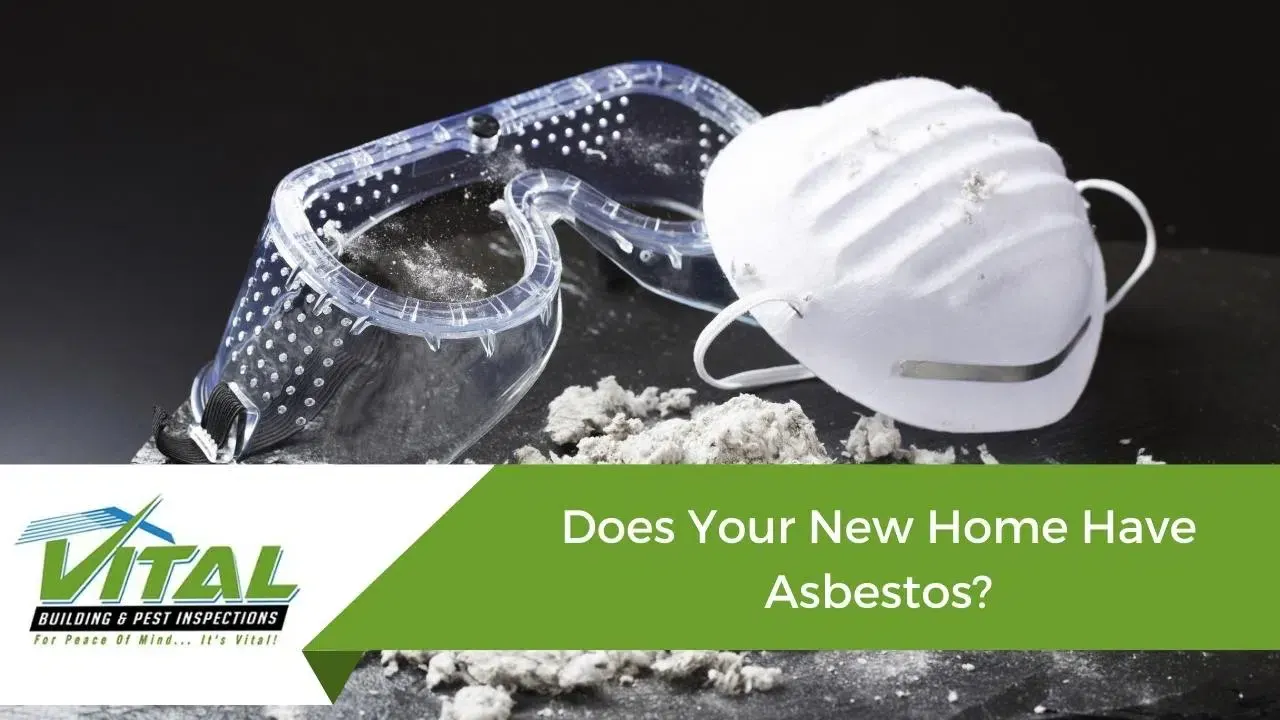
Asbestos was totally banned in NSW and across Australia from 31 December 2003, so a home built or renovated before then may contain it. If you've found a home, paid your initial deposit and entered the cooling-off period, this is the time to find out. A building and pest inspection shows you the home's condition before you continue to settlement, and the current owners may not know whether there's asbestos in the walls, eaves or roof, so your own inspection gives you the answer you need to move forward with confidence.
To see how an asbestos building inspection identifies and assesses materials, read Peter's guide to asbestos inspections and building safety.
When was asbestos banned in Australia?
The NSW Government's asbestos website sets out the timeline on its page when was asbestos banned in Australia. Asbestos was phased out from the 1980s and totally banned in NSW and Australia from 31 December 2003. The same page notes that asbestos was used in over 3,000 products, and that many homes and buildings built or renovated before 1990 still contain it.
For a buyer, that timeline is a practical guide. A home built in the 1950s to the 1980s is the most likely to have asbestos cement sheeting, and a newer home may still have older materials in a shed, fence or extension.
The dangers of asbestos
Asbestos is a natural mineral made up of microscopic fibres. When material containing asbestos is cut, drilled, sanded or broken, the fibres can become airborne and be breathed in. NSW Health explains that breathing in asbestos fibres can cause serious lung diseases, often decades after the exposure, in its fact sheet on asbestos and health.
The people most exposed are builders, tradespeople and homeowners doing their own renovations, because their work is what disturbs the material. That's why knowing what's in your home matters before any work starts. A building inspection and a detailed report tell you where suspect materials are, so you can plan testing and keep the material intact until the right people handle it.
Who needs an asbestos inspection?
If you plan to buy, renovate or manage an older home or commercial property in Sydney, a building inspection that notes suspect materials gives you a clear starting point. That includes:
- renovators, before the first wall comes down
- home buyers, during the cooling-off period
- property investors, before buying or upgrading a rental
- property managers, for older properties in their care
- vendors, who can tell buyers what's known before they ask
Asbestos was a popular building material through much of the 20th century. If the home you're buying was built or renovated before 1990, plan on testing any suspect material your inspector notes before you renovate.
Where in my home could there be asbestos?
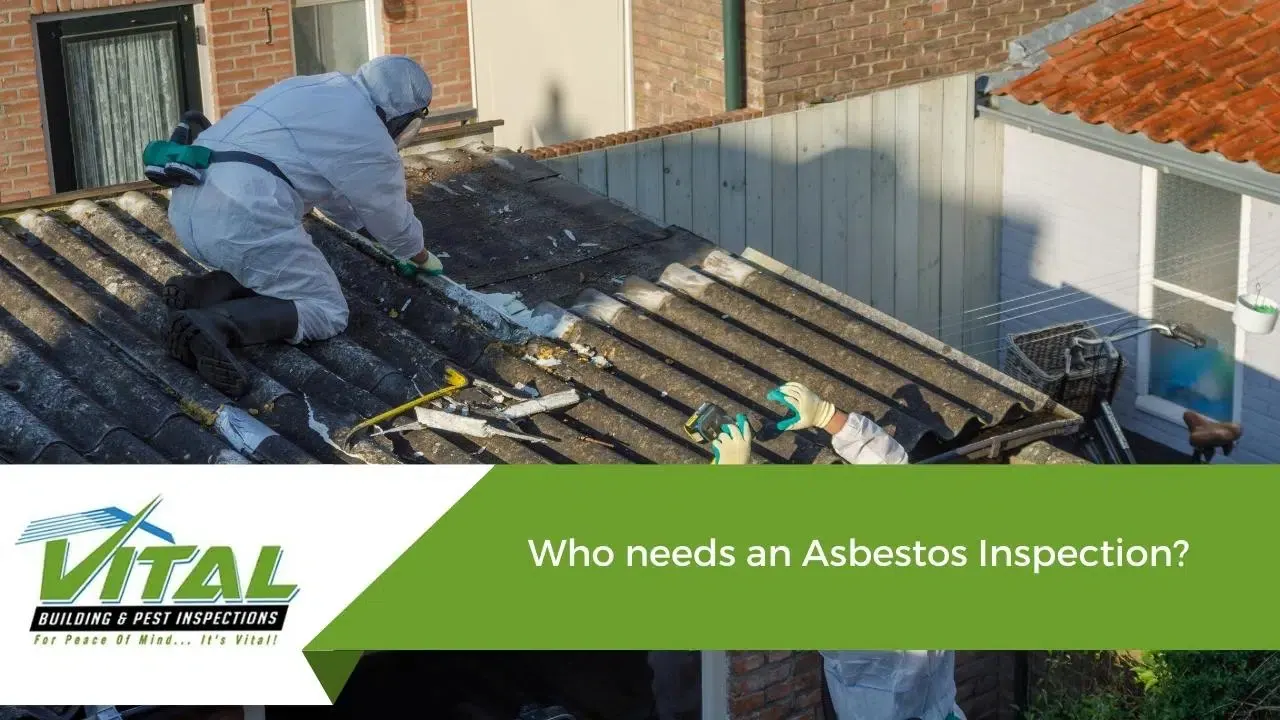
Asbestos could be in a wide range of products and materials. Common places in Sydney homes include:
- cement roof sheeting, gutters and downpipes
- fences and garden sheds
- outbuildings, carports and older extensions
- cladding for walls, eaves and ceilings, often called fibro
- wall linings behind tiles in bathrooms and laundries
- vinyl floor tiles and the backing under sheet vinyl
The guide to asbestos in homes in Sydney covers these places in more detail.
What is an asbestos inspection?
Vital's asbestos inspection is a visual one, carried out with your building inspection:
- Visual identification of materials that may contain asbestos
- where those materials are in the home, and the condition they're in
Confirming whether a material contains asbestos takes a sample tested by an asbestos professional. Your Vital report gives you the list of materials to take to them, so testing is targeted and quick to organise. Knowing what's been used in your home helps now and for any renovation or extension you plan later. Vital's owner, Peter Ezeigwe, brings a background in building restoration and disaster assessment to the business, along with a working knowledge of the way older Sydney homes were built and altered over the years.
What rules apply to asbestos in the home?
In NSW, the rules for handling and removing asbestos at home are explained on the NSW Government's asbestos website for homeowners. The site's advice is to treat a suspect material as asbestos, consult a licensed asbestos assessor if you're unsure, and plan any removal with a licensed removalist.
Bonded asbestos in good condition that's left undisturbed may need no further action. Removal is a job for a licensed professional, who works to a set method and disposes of the material at a waste facility licensed to accept it. The guide to safe asbestos removal practices walks through each step.
What are the types of Asbestos?
Asbestos materials fall into 2 groups, and the type decides who can remove it.
Friable asbestos
Friable material can be crumbled, pulverised or reduced to powder by hand pressure when dry. Old pipe lagging and some insulation are examples. It releases fibres easily, so any amount needs a removalist with a friable (Class A) licence.
Non-friable asbestos
Non-friable material can't be crumbled or reduced to powder by hand when dry. The asbestos is mixed with cement or another bonding agent, so it's also known as bonded asbestos. Fibro sheeting and cement roofing are the most common examples in Sydney homes.
Contact Vital for a pre-purchase building inspection
A pre-purchase building inspection helps you move forward with your new home or investment with a clear picture of its condition, including materials that may contain asbestos. Vital is based in Stanhope Gardens, and every inspection is carried out in-house by Vital's own experienced inspectors. Your inspector walks you through the findings once your report is ready. Call Vital on 0401 012 074 to talk through an asbestos inspection, or read more on the guides page.
Frequently asked questions
When was asbestos banned in Australia?
Asbestos was totally banned in NSW and across Australia from 31 December 2003, after being phased out from the 1980s. The NSW Government's asbestos website notes that many homes built or renovated before 1990 still contain it, so the age of a home and its renovations tell you where to look most closely.
Can a house built after 1990 contain asbestos?
It's less likely, and still possible, because asbestos products were phased out through the 1980s and only totally banned from the end of 2003. Older sheeting can also be reused in sheds, fences and extensions. If a material looks like fibro and you're unsure, treat it as asbestos until a test confirms what it is.
Does a building inspection check for asbestos?
A building inspection is visual. Your inspector notes materials that may contain asbestos and where they are, and testing of a sample by an asbestos professional confirms whether they do. That gives you a clear list to take to an assessor before you settle or start a renovation.
Is asbestos in a house safe if it's left alone?
Bonded asbestos in good condition holds its fibres in place, so leaving it undisturbed while you get advice is the safe first step. Damaged, crumbling or friable material needs a licensed professional. An assessor can tell you whether to leave, seal or remove it, based on its condition and any work you're planning.
Who can remove asbestos in NSW?
Friable asbestos, in any amount, needs a removalist with a friable (Class A) licence. Bonded asbestos over 10 square metres needs a licensed removalist too. The NSW Government's asbestos website for homeowners explains the rules for smaller jobs, and a licensed removalist is the safe choice for any amount.