Inspection services
Pre-purchase building and pest inspections
A pre-purchase building and pest inspection gives you an independent report on the home you're about to buy, while you can still negotiate. Every inspection is carried out in-house by Vital's own experienced inspectors, and your inspector walks you through the findings.
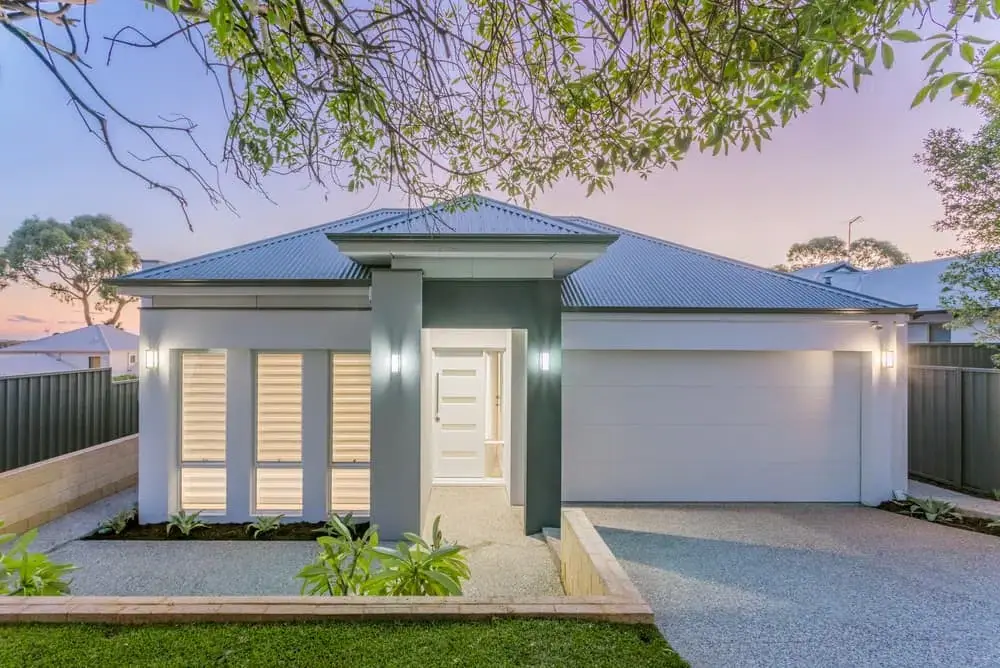
A pre-purchase building and pest inspection tells you the true condition of the home you're about to buy, from the roof to the subfloor and the site around it, so you can buy, negotiate or walk away knowing the facts. Every inspection is carried out in-house by Vital's own experienced inspectors, with no subcontractors, and 1 visit covers the building to AS 4349.1-2007 and timber pests to AS 4349.3, subject to access on the day. Vital is owned and run by Peter Ezeigwe, who has a background in building restoration and disaster assessment, and that background shapes Vital's reports: they tell you what most likely caused a defect and what it takes to put right, as well as where it is.
Pre-purchase building and pest inspections in Sydney
An open home shows you the rooms, the light and the layout. A pre-purchase building and pest inspection shows you what a quick walk-through leaves out: the roof space, the subfloor, the drainage and the timber. With the report in hand you can:
- understand the true condition of the home before you commit
- negotiate on price or ask for repairs with the findings to back you
- plan and budget for maintenance in your first years of ownership
- buy with confidence
In NSW, timing matters. A private-treaty sale usually comes with a 5 business day cooling-off period after exchange, and an auction purchase has none, so at auction your inspection happens before the bidding starts. NSW Fair Trading sets out the cooling-off rules, and your conveyancer can confirm the dates in your contract.
If the home was built or renovated recently, the report also helps with what comes after settlement. Under the NSW Home Building Act 1989, statutory warranties cover residential building work for 6 years for major defects and 2 years for other defects, and they pass to you as the next owner. A finding in your report gives you a clear, dated record of what was there when you bought.
Whether it's your first home, your next home or an investment, the inspection runs the same way. If you're still choosing where to buy, the guide to the best suburbs to live in Sydney is a good place to start, and the guide to the most common defects a Sydney building inspector finds shows you what to look for at the open home.
What the inspection covers
AS 4349.1-2007 is the Australian Standard for pre-purchase inspections of homes. It sets out the parts of the property the inspection covers, how defects are described and what the report has to include. Your inspector checks every area that's safely accessible:
| Area | What your inspector checks |
|---|---|
| Inside the home | Ceilings, walls, floors, doors and frames, windows, stairs, and the kitchen, bathroom and laundry fit-out |
| Outside the home | External walls and cladding, window and door frames, stairs, balconies, verandas, patios, decks and balustrades |
| The roof | The roof covering, flashings, skylights and vents, valleys, gutters, downpipes, eaves, fascias and barges |
| The roof space | The roof framing, sarking, insulation and any sign of water getting in |
| The subfloor | Bearers, joists, piers and stumps, ventilation, drainage and damp, where the home has a subfloor |
| The site | Within 30 metres of the home and inside the boundary: garages and carports, sheds, retaining walls, paths and driveways, steps, fences and surface drainage |
The standard also sets what counts as reasonable access, so you know which parts of the roof space and subfloor are included:
| Space | Reasonable access under the standard |
|---|---|
| Roof space | An access hole of at least 400 by 500 mm, a crawl space of at least 600 by 600 mm, reached from a 3.6 metre ladder |
| Roof exterior | Reached from a 3.6 metre ladder placed on the ground |
| Subfloor | An access opening of at least 500 by 400 mm, with at least 400 mm of clearance under a bearer or 500 mm under a joist |
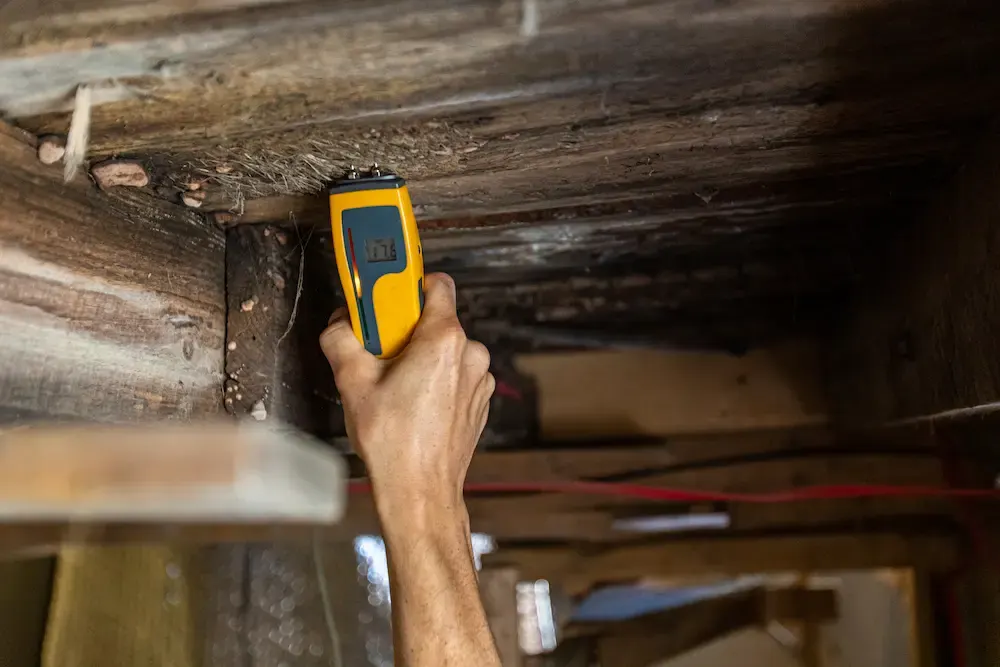
Where appropriate, your inspector may follow up what's visible with a thermal imaging camera or a moisture meter, which help assess signs of damp and leaks around a wall or a shower without opening anything up. For a look at the full kit Vital's inspectors bring, see the guide to building and pest inspections Sydney buyers can expect, and for the complete list read what's covered in a pre-purchase building inspection.
Wondering what does a building inspector look for before settlement? That guide answers it in detail.
What the report classifies
The standard sorts every finding into 1 of 3 groups, so you can see at a glance what needs attention first:
- Major defects: defects that need repair to keep the home safe, usable and from deteriorating further, including structural defects
- Minor defects: everything else that needs fixing or maintaining, with a summary of how the home compares with similar homes of the same age
- Safety hazards: anything your inspector sees that could harm the people living in the home, including material that may contain asbestos
What sits with licensed trades
A building inspection is a visual inspection of the structure and finishes. Electrical wiring, gas, plumbing pipework and laboratory testing for asbestos each have their own licensed specialist. Pool barrier checks and pool compliance certificates come from a registered pool certifier or your local council. Where your inspector sees a sign that one of them should take a closer look, such as a leak, scorched fittings or loose fibro, the report says so, and you know exactly who to call.
Timber pests and termites
The pest part of the visit is a timber pest inspection to AS 4349.3. That standard extends the check to the site within 50 metres of the home, inside the boundary. Your inspector looks for:
- subterranean termites, active or past, and the damage they leave
- borers in seasoned timber
- timber decay from fungi
- conditions that attract termites, such as damp areas, poor drainage, low subfloor ventilation, timber touching the soil, leaking pipes and garden beds built up against the walls
Where something needs a closer look, the inspector may use a Termatrac T3i to check a wall further for termite movement without drilling or cutting. The report sets out what was found and what Vital recommends next, from a termite management system to simple changes in the garden. There's more on the pest inspections and termite inspections pages.
Attending the inspection
You're encouraged to attend the inspection, meet your inspector and ask questions on site. It's the best way to understand the home: you see what your inspector sees, in the place it's found, and you can ask about anything that catches your eye. Tell Vital when you book that you'd like to attend, arrange access with the selling agent, and bring the contract, any building documents you have and a list of questions.
First time using Vital Building Inspections for our property purchase in NSW - Peter was very thorough and explained everything that was reported. Any questions my partner and I had were answered with patience and great explanation. We also attended the inspection with Peter, which gave us a great deal of comfort knowing we can trust the inspection report and were able to ask anything we were unsure of. Will definitely be using Vital again for any future purchases. 100% RECOMMEND.
Your report and walk-through of the findings
Your written report sets out:
- major defects, including structural defects
- minor defects and maintenance items
- safety hazards
- evidence of termites and other timber pests, active or past, and the conditions that attract them
- photos of what your inspector found, with notes on where each one is
- the areas inspected, any limits on access on the day, and where a specialist should take a closer look
The report is written in plain English, so each finding makes sense without a building background. Vital confirms when your report will be ready at the time you book. Your inspector walks you through the findings and answers your questions about the report. You'll know which items to raise with the vendor, which to budget for and which are ordinary maintenance. See how it's set out in the sample report.
Before the inspection, the house inspection checklist helps you note what to ask. Common questions, such as "what if building inspector missed something", are answered in the building inspection FAQs, and the inspection questions page covers booking, access and reports. For an investor's view, read the Q&A guide on building inspection for house purchase. And if you're asking "is a building inspection worth it", that guide sets out what it gives you as a Sydney buyer.
Peter carried out a building and pest inspection for a property we are purchasing and we were very happy with the service.
The inspection report was detailed, easy to understand and included clear photos and explanations of all findings. Peter was thorough in identifying both the strengths of the property and the minor issues that required attention, which gave us confidence in making an informed decision.
The report was delivered promptly and clearly outlined the condition of the property without being alarmist. We particularly appreciated the detailed building and pest assessments and the practical recommendations provided.
I would happily recommend Peter and Vital Building & Pest Inspection to anyone looking for a professional and reliable pre-purchase inspection.
Prices
| Inspection | From |
|---|---|
| 3 bedroom brick home on a slab | $450 |
| 4 bedroom brick home with a double garage, on a slab | $495 |
| 5 bedroom brick home on a slab | $544.50 |
| 3 bedroom home on piers | $495 |
| 4 bedroom home on piers | $544.50 |
| 5 bedroom home on piers | $598.95 |
| 2 bedroom apartment | $495 |
| 3 bedroom apartment | $544.50 |
A combined building and pest inspection starts at $450, plus GST. The price depends on the size of the home and whether it sits on a slab or on piers, and Vital gives you a free quote for your home before you book. Every inspection is on the prices page, and if you're working to a budget, read how to find a budget-friendly pre-purchase inspection that still covers everything.
Areas covered
Vital is based in Stanhope Gardens and covers north-western and south-western Sydney, with most homes in north-west Sydney a short drive away. Every suburb Vital covers is on the areas page, and Vital's other building inspection services are listed on their own page, including strata and apartment inspections for units and townhouses.
Book before you buy
Send Vital the address, the type of home and your contract or auction dates through the booking page, or call Vital to talk it through. Vital confirms the scope, the price and a time, and you can arrange to be there.
Frequently asked questions
What does a pre-purchase building and pest inspection cover?
The building inspection covers the inside and outside of the home, the roof, the roof space, the subfloor and the site, to the Australian Standard for pre-purchase building inspections. The timber pest inspection checks for termites, borers and timber decay, and the conditions that attract them. The full list is in what's covered in a pre-purchase building inspection.
When should I book a pre-purchase building and pest inspection?
Book it once you're serious about a home and before your contract becomes unconditional. In NSW that usually means before you exchange, or during the cooling-off period after exchange. If you're buying at auction, book it before auction day. Your conveyancer can confirm the dates that apply to your contract.
Do I need to be there during the inspection?
Attending is up to you, and you're very welcome. Being there lets you see what your inspector sees and ask questions on site, and your inspector walks you through the findings once the report is ready either way. Tell Vital when you book if you'd like to attend, and arrange access with the selling agent.
How long does the inspection take?
It depends on the size of the home and how much of the roof space and subfloor the inspector can reach. Vital gives you an idea of timing when you book, so you can plan to be there.
When will I get the report?
Vital confirms when to expect your report when you book. The report timing page explains what goes into it.
Will the inspector explain the findings?
Yes. Your inspector walks you through the findings and answers your questions about the report, so you know what each item means for the home and what to do about it.
Should I get a pest inspection as well as a building inspection?
Yes. A combined building and pest inspection gives you the condition of the structure and any sign of termites or other timber pests in 1 visit and 1 report, which is why most buyers book the 2 together.
Is a building and pest inspection worth it on a newer home?
Yes. A newer home still benefits from a close check of workmanship and waterproofing, and the timber pest inspection checks for termites and the conditions that attract them. If the home is still with the builder, a new home inspection suits it best.
What happens if the report finds a major defect?
Your inspector explains the finding, how serious it is and what it means for the home, and the report recommends a specialist where one should take a closer look. You can take the report to your conveyancer and use it to negotiate on price, ask the vendor for repairs, or decide the home isn't the one for you.
Can I use the report to negotiate?
Yes. You can use the findings to negotiate on price or ask for repairs before settlement. Your conveyancer or solicitor can advise you on how to raise them under your contract, and the guide on negotiating repairs with the seller covers how buyers usually go about it.
Does Vital hold professional indemnity insurance?
Yes. Vital holds professional indemnity and public liability insurance, and the cover is set out on the about page.
Book or ask Vital
Talk to Vital about your inspection
Send the address and the service you need, and Vital comes back to you with a free quote and a time. You're encouraged to attend, meet your inspector and hear the findings face to face.
0401 012 074Monday to Friday, 7am to 9pm