
Guides
Can I negotiate repairs with the seller based on the building inspection report?
Yes, you can negotiate repairs with the seller based on the building inspection report. If the seller is not willing to negotiate after the inspection, you still have options: a smaller request, a price adjustment, your cooling-off rights, or another property. This guide explains how to use the report well.
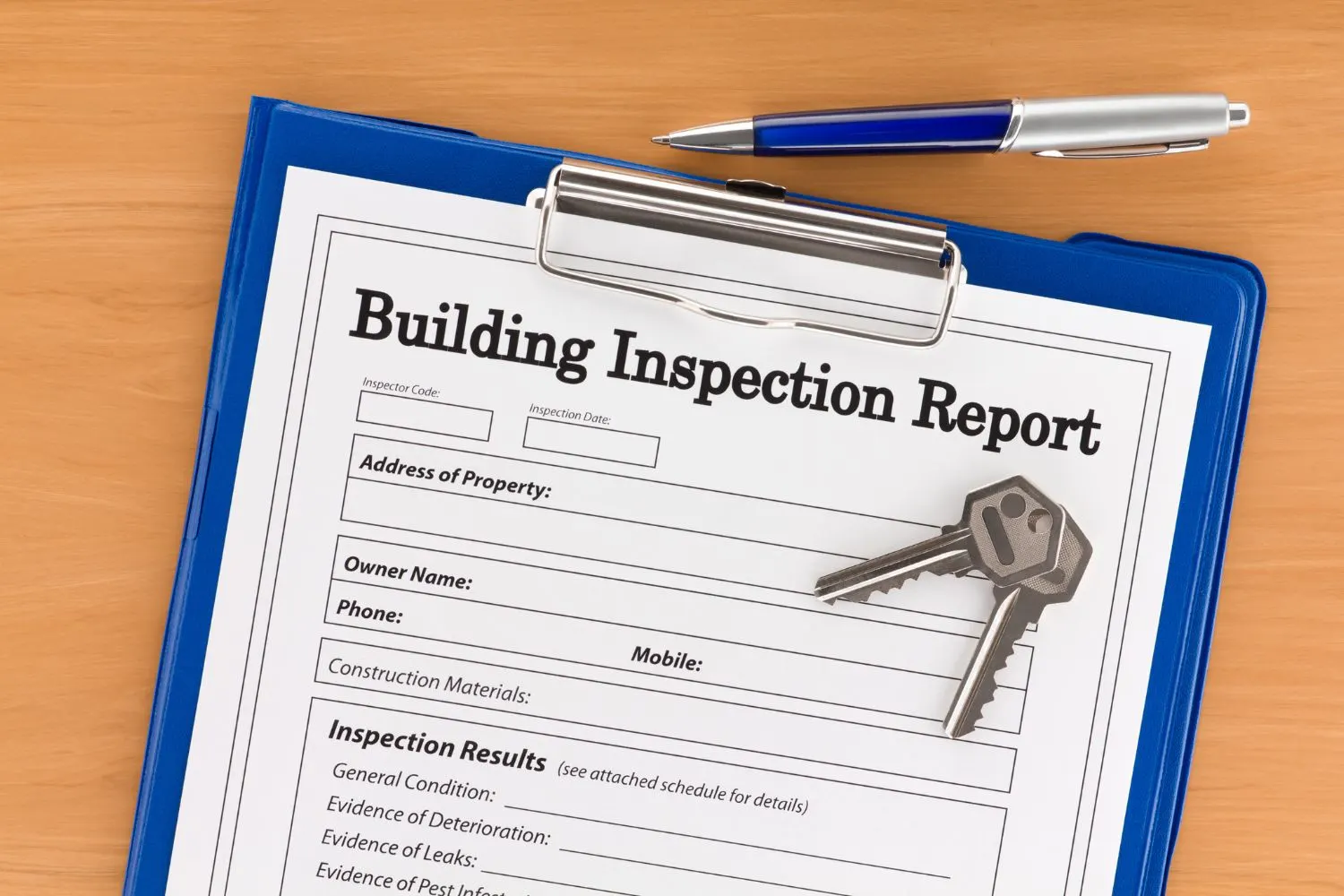
Yes, you can negotiate repairs with the seller based on the building inspection report, and it's a common part of buying a home. If the seller is not willing to negotiate after the inspection, you still have choices: a smaller request, a price adjustment, accepting the property with a repair plan, or using your cooling-off rights to step back. The key is a clear, specific request backed by the report and quotes.

Using your report to negotiate
A building inspection report gives you facts, and facts carry weight in a negotiation. Your Vital report, prepared to AS 4349.1-2007, sets out each finding with its location, a photo and a recommendation, so the seller and their agent can see exactly what you're raising.
Start by reading the report's summary, then the detail. Note:
- the major defects
- the safety items
- anything marked for further investigation by a specialist
- areas that couldn't be inspected, and why
Your inspector walks you through the findings and answers your questions about the report, so you understand what each finding means before you take it to the seller. The NSW Government's guide to building and pest inspection reports also notes that the agent must tell you about previous reports the seller commissioned, which can add useful background.
Which findings carry weight
Some findings are worth raising, and others are part of normal upkeep.
| Usually worth raising | Usually part of normal upkeep |
|---|---|
| Major structural defects, such as significant cracking or movement | Worn paint and minor plaster cracks |
| Active leaks and moisture damage, such as a leaking shower | A dripping tap or a loose handle |
| Roof leaks, broken tiles and rusted sheeting | Minor wear to floor coverings |
| Safety items, such as loose balustrades and unsafe stairs | Small cosmetic marks |
| Termite activity or damage from the pest inspection | Garden and landscaping tidy-ups |
Requests about the first column are easier for a seller to accept, because they affect the safety, soundness and value of the home. Keeping your list focused on them makes your request more persuasive.
Asking for repairs or a lower price
You have 3 main ways to frame your request:
- Repairs before settlement. The seller arranges and pays for specific work before you take possession. Ask that the work is done by licensed trades, with paperwork, and check it before settlement.
- A price adjustment. The price comes down by an agreed amount, and you arrange the work after settlement, with your own trades and to your own standard.
- A combination. The seller fixes urgent safety items, and the price reflects the larger work.
Whichever you choose, put the request in writing through your agent or conveyancer, list each item, and attach the relevant pages of the report and your quotes. Your conveyancer or solicitor writes any agreement into the contract, so it's clear what will be done, by whom and by when.
Seller not willing to negotiate after inspection? Your options
Some sellers hold firm, especially in a busy market. If that happens, you can:
- Refine your request. Focus on the 1 or 2 items that matter most, such as a safety item or a leaking shower.
- Ask for a price adjustment in place of repairs. Some sellers prefer a smaller price change to arranging trades.
- Get a specialist opinion. If the report recommends a structural engineer, plumber or roofer, their assessment and quote can clarify the real cost.
- Accept the property with a plan. If the price still suits your budget with the repairs included, go ahead knowing exactly what to fix first.
- Step back. Within the cooling-off period, you can withdraw, and the NSW Government notes the buyer pays 0.25% of the price. Talk to your conveyancer before you decide.
Read what to do after receiving your building inspection report for a step-by-step plan.
Getting a quote for the work
The NSW Government notes that a standard pre-purchase report generally leaves out repair cost estimates, so quotes from trades are what turn findings into numbers. To get useful quotes:
- share the relevant pages of the report, with the photos and locations
- ask the trade to visit the property, through the agent, where the item needs a closer look
- get a written quote for each major item
- ask a structural engineer to assess any significant movement before a builder prices the repair
With quotes in hand, your request has a clear figure behind it, and you can plan your budget whatever the seller decides.

Timing your negotiation
In NSW, the NSW Government says the cooling-off period on a private treaty purchase is 5 business days, ending at 5pm on the fifth business day after exchange, and there's none at auction. Inspectors usually need 2 to 3 days' notice. That's why booking early matters:
- Before exchange, negotiate with the report in hand, while the agreement usually isn't binding.
- During cooling-off, you have a short window to inspect, get quotes and negotiate.
- Before an auction, have the inspection done in advance and use the findings to set your limit.
Vital confirms when your report will be ready at the time you book, which helps you keep to these timelines.
For sellers
If you're selling, a pre-sale building inspection shows you the home's condition before buyers book their own. You can fix items on your terms, price the home with confidence, and respond to buyers' requests with the facts already in hand.
Book an inspection
A clear, detailed report is the strongest starting point for any negotiation. Vital's pre-purchase building and pest inspection covers the building and timber pests in 1 visit, with photos and recommendations for each finding. You're encouraged to attend the inspection, meet your inspector and ask questions on site. There are more guides on buying and selling on the guides page.
Frequently asked questions
Can I negotiate repairs with the seller based on the building inspection report?
Yes. Buyers commonly use the report to ask for repairs before settlement or a lower price. Focus on the major defects and safety items, back them with quotes from trades, and make a clear, specific request through your agent or conveyancer. Any agreed repairs or price changes should be written into the contract by your conveyancer or solicitor.
What can I do if the seller is not willing to negotiate after the inspection?
Weigh the cost of the work against the price and your budget. You can make a smaller, more focused request, ask for a price adjustment in place of repairs, accept the property as it is with a repair plan, or, within your cooling-off period, decide it isn't the right one. Talk to your conveyancer before you decide.
Is it better to ask for repairs or a lower price?
A price adjustment lets you choose the trades and control the quality of the work after settlement, while seller repairs mean the work is done before you move in. A price adjustment suits buyers who'd like to choose their own trades for larger items. Your conveyancer can advise which suits your contract and timeline.
Can I negotiate after an auction?
The NSW Government notes there's no cooling-off period at auction, and the buyer usually pays the deposit on the day. Have your building and pest inspection done before auction day, and use the findings to set your limit. If the property is passed in, you may have room to negotiate with the report in hand.