Inspection services
Pre-sale and pre-listing building inspections
A pre-sale building inspection shows you your home's condition before buyers book their own, so you can fix, price or disclose each item on your terms. Every pre-sale building inspection is carried out in-house by Vital's own experienced inspectors, and your inspector walks you through the findings.
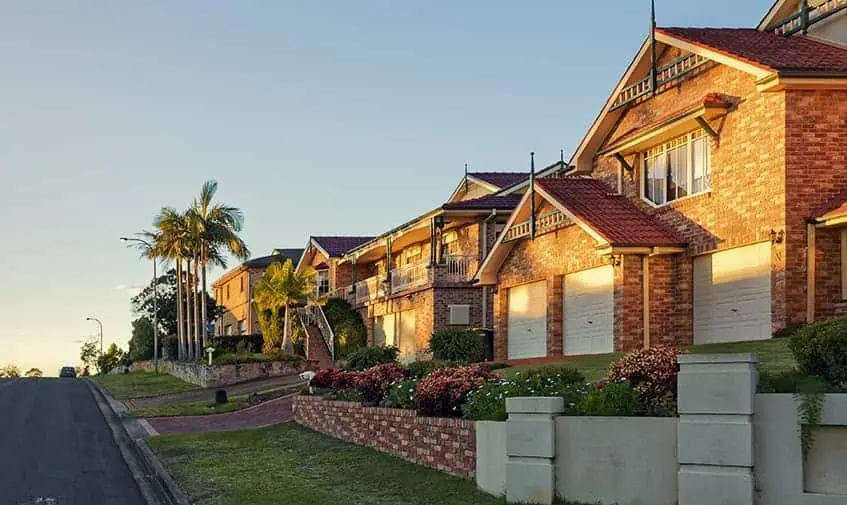
A pre-sale building inspection tells you the condition of your home before it goes on the market, so you know what buyers' inspectors will find and can deal with it on your own timeline. Every inspection is carried out in-house by Vital's own experienced inspectors, with no subcontractors, and every pre-sale and pre-listing building inspection is carried out to AS 4349.1-2007, the same standard buyers' inspectors work to. Vital's owner, Peter Ezeigwe, has a background in building restoration and disaster assessment, and that background shapes how the report explains what caused each item and what it takes to fix, which helps you decide what to repair before you list.
Pre-sale building inspections for Sydney sellers
Selling your home is 1 of the biggest transactions you'll make, and every buyer who's serious about it will book a building and pest inspection. A pre-listing inspection puts that same information in your hands first, which gives you:
- Control of the timeline. You find out about a leaking shower or a cracked tile while there's time to fix it, rather than mid-campaign.
- Room to plan. Items you'd rather leave can be quoted and priced in with your agent from the start.
- A stronger position in negotiations. When a buyer's report lands, its findings match what you already know, and you can show what's been repaired.
- Confidence for buyers. Sharing your report, or a list of completed repairs, shows buyers you've prepared the home properly.
The best time to book is before you engage photography, styling or floor plans. Any repairs can then be finished before the photographer arrives, and your agent can build the findings into the pricing and the marketing from day 1. For more on the differences between the 2 sides of a sale, read the guide on pre-purchase and pre-sale building inspections, and for a seller's view of the whole process, read the pre-listing inspection guide for vendors.
What the report covers
Your inspector checks every readily accessible area of your home exactly as a buyer's inspector would, to AS 4349.1-2007:
- Inside: ceilings, walls, floors, doors, windows, stairs, and the kitchen, bathrooms and laundry
- Outside: external walls, window and door frames, balconies, decks, verandas and balustrades
- The roof and roof space: the roof covering, flashings, gutters, downpipes, framing and insulation
- The subfloor: framing, piers, ventilation and damp, where the home has a subfloor
- The site: garages, carports, retaining walls, paths, driveways, fences and drainage
Your report sorts the findings into major defects, minor defects and safety hazards, with photos and notes on where each item is, and recommends a specialist wherever a finding needs a closer look. It records the home's condition on the day of the inspection. Add a timber pest inspection to AS 4349.3 and the report also covers termites, borers and timber decay, which makes it the pre-sale building and pest inspection buyers expect to see. See how it's set out in the sample report.
Getting your home ready for the inspection
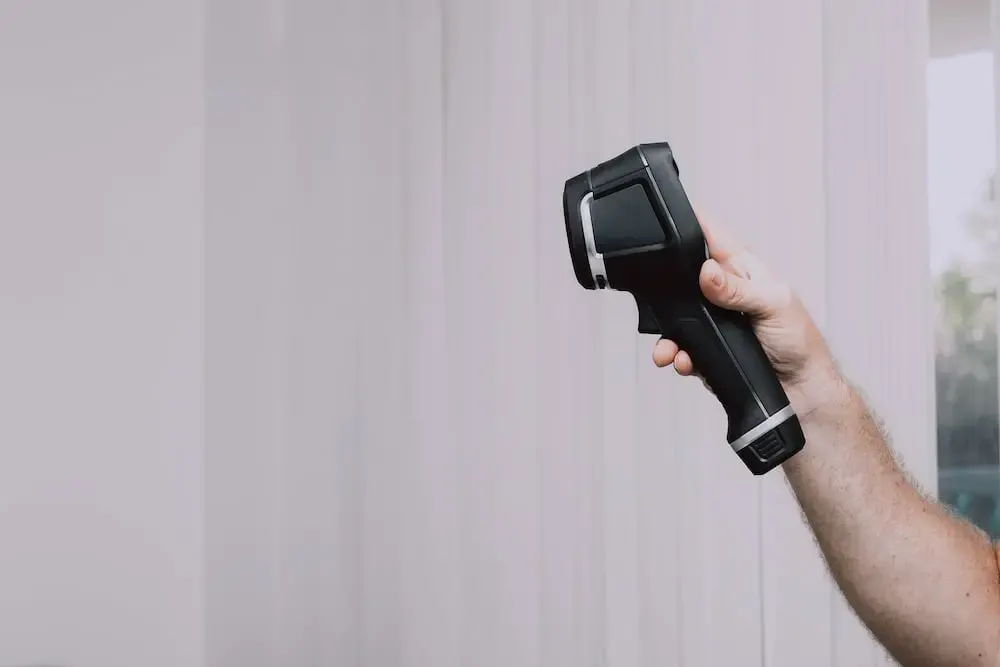
A little preparation helps your inspector see everything a buyer's inspector will:
- clear access to the roof space hatch, the subfloor and the meter box
- move stored items away from walls in the garage and under the house
- keep the electricity, gas and water on, and leave remotes out for garage doors, fans and air conditioning
- gather the paperwork: termite treatment certificates, roof repairs, renovation approvals and warranties for recent work
Records like these answer many buyers' questions before they're asked, so it's worth having them ready for your agent too.
Using the report with buyers
Once you have the report, you choose how to use it:
- Repair before listing. Fix the items that matter most to buyers, such as leaks, damaged flashings or loose balustrades, and keep the invoices.
- Price it in. For larger items, get a quote and agree the pricing with your agent, so an offer already reflects them.
- Disclose it. Share the report, or a summary of the findings and completed repairs, with buyers who ask. It shows you've prepared the home and keeps negotiations focused on price and settlement. Your conveyancer or solicitor advises on what a seller needs to disclose and on the contract itself.
Buyers will usually still book their own inspection, and that's fine. Their report will match what you already know, and the questions it raises will be ones you can answer. If a buyer does come back with a list, the guide on negotiating repairs based on the building inspection report shows how those requests are usually framed, so you can prepare your response. More answers about booking, access and reports are on the inspection questions page, and Peter's podcast episode Get Your House Market Ready talks through preparing a home for sale.
Peter has been excellent to work with. Very fast response time, thorough and go above and beyond in giving us tips and guidance on what we to do with fixing the minor repairs he has identified.
Highly recommend his service and will definitely work with him again.
Prices and booking
| Inspection | From |
|---|---|
| Building inspection | $253 |
| Pest inspection | $256 |
| Building and pest inspection | $450 |
A building inspection starts at $253 and a combined building and pest inspection at $450, plus GST. Vital gives you a free quote for your home before you book, and every price is on the prices page.
To book, send the address, the type of home and when you plan to list through the booking page, or call Vital. You can be there for the inspection and walk through the findings with your inspector. Vital's other building inspection services are listed on their own page.
Frequently asked questions
What is a pre-sale building inspection?
A pre-sale building inspection is a building inspection you book as the seller, before your home goes to market. It covers the same areas a buyer's inspection does, so you know what buyers' inspectors will find before your campaign starts.
When should I book a pre-sale building inspection?
Book it as early as you can in the sale, ideally before the photos, styling and floor plan. That gives you time to complete repairs, get quotes and settle your pricing with your agent before the first open home.
Do I have to fix everything the report finds?
No. You decide what to do with each item: repair it before listing, get a quote and price it in, or disclose it to buyers. Many sellers fix the small items and plan around the larger ones with their agent.
Will buyers still get their own inspection?
Most buyers will, and that's expected. With your own report in hand, their findings match what you already know, so negotiations stay on the price and the settlement date.
Should a pre-sale inspection include a pest inspection?
It's worth it. Buyers almost always book a combined building and pest inspection, so a timber pest inspection on your side shows you the termite findings they'll see too.
What's the difference between a pre-purchase and a pre-sale building inspection?
The inspection is the same. A pre-purchase inspection is booked by the buyer to decide whether to buy, and a pre-sale inspection is booked by the seller to prepare the home for sale. The guide on pre-purchase and pre-sale inspections compares them in detail.
Can I use the report in negotiations?
Yes. Knowing the findings lets you answer buyers' questions straight away, show what you've repaired and stand behind your price. The guide on negotiating repairs based on the building inspection report shows how buyers usually raise findings.
Book or ask Vital
Talk to Vital about your inspection
Send the address and the service you need, and Vital comes back to you with a free quote and a time. You're encouraged to attend, meet your inspector and hear the findings face to face.
0401 012 074Monday to Friday, 7am to 9pm