
Guides
What's the Difference Between a Pre-Purchase and Pre-Sale Building Inspection?
In a pre-purchase vs pre-sale inspection, the difference is who books it and why. A buyer books a pre-purchase building inspection to understand a home before committing, and a seller books a pre-sale inspection before listing, to find and fix items on their own timeline.
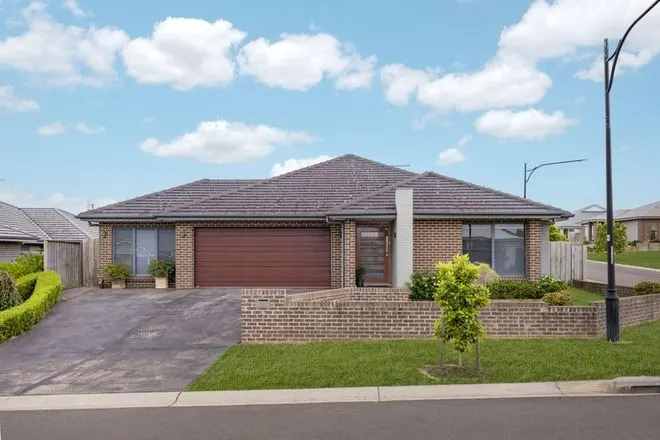
In a pre-purchase vs pre-sale inspection, the main difference is who books it and why. A buyer books a pre-purchase building inspection to understand a home's condition before committing to buy. A seller books a pre-sale building inspection before listing, to find and fix items on their own timeline and give buyers a clear picture. Both cover the same parts of the home to the same Australian Standard, so each side sees the home the same way.
What is the difference between a pre-purchase and pre-sale building inspection?
The difference lies in who commissions the inspection and what it's for. A pre-purchase inspection is arranged by a buyer to understand the condition of a home before buying it, including any defects that need repair. A pre-sale inspection is arranged by the seller before the home goes on the market, so they can make repairs, adjust the asking price or present the home with a clear report.
Vital carries out both to AS 4349.1-2007, the Australian Standard for pre-purchase building inspections. A pre-sale report therefore shows the seller what a buyer's inspector is likely to find.
Pre-purchase vs pre-sale inspection at a glance
| Pre-purchase inspection | Pre-sale inspection | |
|---|---|---|
| Who books it | The buyer | The seller |
| When | Before exchange, or within the cooling-off period; before auction day for an auction | A few weeks before the home is listed |
| Purpose | Understand the home's condition before committing | Find and fix items before buyers inspect |
| How the report is used | Negotiate the price, ask for repairs or plan a budget | Plan repairs, set the price and answer buyers' questions |
| Main benefit | An informed decision and a stronger position to negotiate | A smoother sale and more confident buyers |
What factors influence the choice between pre-purchase and pre-sale inspections?
Whether you're buying or selling decides which inspection is yours to book. A few other factors shape the timing and what to ask for:
- Market conditions: in a busy market, homes sell quickly. Buyers benefit from booking early, and sellers with a report in hand can answer questions straight away.
- The home's age and condition: older homes, renovated homes and homes near bushland benefit from a combined building and timber pest inspection.
- Your timeline: a seller with a few weeks before listing has time to complete repairs. A buyer at auction needs the report before auction day.
- Location: Vital inspects across north-western and south-western Sydney, including Penrith, Liverpool, Fairfield, Campbelltown and Wollondilly, where homes range from older brick and fibro houses to new estates.
What's included in a pre-purchase building inspection?
A pre-purchase building inspection covers the parts of the home your inspector can safely access:
- Structure: visible signs of movement, cracking, sagging or settlement in walls, floors and the roof frame.
- Roof and roof space: roof coverings, flashings, gutters and the framing and insulation in the roof space.
- Subfloor: stumps, piers, bearers and joists, ventilation and damp, where there's a subfloor.
- Interior: walls, ceilings, floors, doors, windows, the kitchen, bathrooms and laundry.
- Damp and moisture: leaks and damp areas, checked with a thermal imaging camera and moisture meter.
- Exterior and site: walls, cladding, decks, stairs, drainage, retaining walls, fences and outbuildings.
- Safety items: visible hazards such as loose balustrades or trip hazards, with a referral to a licensed electrician or plumber where services need checking.
The building report notes visible timber pest damage. Adding a timber pest inspection to AS 4349.3 checks for active termites, borers and fungal decay, using a Termatrac T3i. Your report sets out each finding with photos, how significant it is, and the recommended next step.
What's included in a pre-sale building inspection?
A pre-sale inspection covers the same parts of the home to the same standard, so you see what a buyer's inspector will see. The difference is in how you use it:
- A full picture before listing: the home's condition, with significant items separated from minor maintenance.
- Clear recommendations: so you can decide what to repair before the first open home.
- A walk-through of the findings: Your inspector walks you through the findings and answers your questions about the report.
- A report to share: many sellers use it to answer buyers' questions, and your agent and conveyancer can advise on how to present it.
The Pre-sale and pre-listing building inspections page covers the service in detail, and the guide to why a pre-sale building inspection is vital explains the benefits.
How to choose the right inspection service?
Whether you're buying or selling, look for an inspector who:
- holds building qualifications and reports to the Australian Standards
- carries professional indemnity and public liability insurance, and can show you the details
- is independent of the agent, the seller and any builder
- uses tools that look behind surfaces, such as thermal imaging, moisture meters and termite radar
- gives you a clear report with photos and talks you through it
Vital's owner, Peter Ezeigwe, holds a Certificate IV in Building and Construction and a Diploma of Building and Construction. Every inspection is carried out in-house by Vital's own experienced inspectors, with no subcontractors.
What should buyers look for?
Buyers benefit most from a detailed report written in plain language, an inspector who's independent of the sale, and the option to add a timber pest inspection. Being able to attend helps too: You're encouraged to attend the inspection, meet your inspector and ask questions on site.
What should sellers look for?
Sellers benefit from a thorough report that separates significant items from minor maintenance, clear repair recommendations, and a report that's ready in good time before the home is listed.
What is the typical cost for each type of inspection?
The cost depends on the size, age and construction of the home, and whether you add a timber pest inspection. Vital's current prices are on the pricing page, and the guide to building inspection costs in Western Sydney explains what affects the price.
When should I schedule each inspection?
- Pre-purchase inspection: once you're seriously interested in a home and before you exchange contracts, or within the cooling-off period. For an auction, book it before auction day.
- Pre-sale inspection: a few weeks before listing, so you have time to complete repairs and prepare the home.
Which inspection is right for you?
If you're buying, book a pre-purchase building and pest inspection before you commit. If you're selling, a pre-sale inspection lets you prepare the home on your own terms. Vital is based in Stanhope Gardens and carries out both across north-western and south-western Sydney. Book a building and pest inspection online, or read more in the building and pest inspection guides.
Frequently asked questions
What's the difference between a pre-purchase and pre-sale inspection?
The difference is who books it and why. A buyer books a pre-purchase inspection to understand a home's condition before committing to buy, and uses it to negotiate or plan repairs. A seller books a pre-sale inspection before listing, to find and fix items early. Both cover the same parts of the home to the same Australian Standard.
Who pays for a pre-sale building inspection?
The seller books and pays for a pre-sale inspection, usually a few weeks before the home goes on the market. The report belongs to the seller, who can use it to plan repairs, set the asking price with their agent and answer buyers' questions. Some sellers also make it available to buyers during the campaign.
Can a buyer rely on the seller's pre-sale report?
A pre-sale report gives you a useful first look at the home's condition. It was prepared for the seller, so check the date, who it was written for and what it covered, and ask your conveyancer how far you can rely on it. Many buyers still book their own pre-purchase inspection for complete peace of mind.
When should I book a pre-purchase inspection?
Book it once you're seriously interested in a home and before you exchange contracts, or within the cooling-off period if you've exchanged with one. For an auction, book it before auction day, because there's no cooling-off period at auction in NSW. That leaves time to read the report and ask questions.
Does a pre-sale inspection include a pest inspection?
It can. Vital can add a timber pest inspection to a pre-sale building inspection, so you know about any termite activity or timber damage before buyers' inspectors find it. That gives you time to arrange treatment through a licensed pest management technician and repairs, and to present the home with a clear report.