
Guides
Understanding the Rental Inspection Process in Sydney
A routine rental inspection lets the landlord or agent check the property's condition during the tenancy, after written notice, alongside the initial and final inspections at either end of a Sydney lease.
Renting a property in Sydney comes with certain responsibilities and expectations for both tenants and landlords. One key aspect of this relationship is the rental inspection process: an initial inspection when the tenant moves in, a routine rental inspection every so often during the lease, and a final inspection when the tenant leaves. Understanding this process can help ensure a smooth tenancy and protect the interests of both parties. Here’s a comprehensive guide to help you navigate rental inspections in Sydney, Australia.
Routine rental inspection at a glance
- A routine rental inspection is the landlord's or property manager's check on the condition of the property, and any repairs it needs, during a tenancy.
- Routine inspections sit between the initial inspection when the tenant moves in, which records the property's condition, and the final inspection when they leave.
- Landlords or property managers are required to provide tenants with proper notice before conducting a routine inspection: at least 7 days in writing in NSW, up to 4 times in 12 months.
- Tenants can prepare by tidying the kitchen, bathroom and outdoor areas and taking care of minor repairs beforehand.
- An independent inspection from Vital adds a building inspector's record of damp, leaks and structure to the landlord's report.
For a closer look at each step, from the tenant's side and the landlord's, read Peter's guide to the rental process.
What is a rental inspection?
A rental inspection is a routine check conducted by the landlord or property manager to assess the condition of the rental property. These inspections are designed to ensure that the property is being maintained properly and to identify any necessary repairs or issues that need addressing.

Types of rental inspections
Initial Inspection
The initial inspection occurs at the start of the tenancy. This inspection documents the property’s condition before the tenant moves in, providing a baseline for future comparisons. Both the tenant and landlord (or property manager) should be present during this inspection to agree on the property’s state.
Routine Inspections
Routine inspections are conducted periodically throughout the tenancy. In NSW, a landlord or agent can carry out a routine inspection up to 4 times in a 12 month period, so in Sydney these inspections typically happen every 3 to 6 months. These inspections ensure that the property is being maintained and help identify any maintenance or repair needs.
Final Inspection
The final inspection takes place when the tenancy ends. This inspection compares the property’s condition at the end of the lease to its condition at the beginning. Any damages beyond normal wear and tear may result in deductions from the tenant’s security deposit, which is the rental bond in NSW.
What to expect during a rental inspection
Notice of Inspection
Landlords or property managers are required to provide tenants with proper notice before conducting a routine inspection. In Sydney, tenants must receive at least 7 days’ notice in writing, as NSW Fair Trading's minimum notice periods for access to rental property set out. Repairs and maintenance need at least 2 days' notice, and a smoke alarm check needs at least 2 business days.
Areas of Focus
During the inspection, the landlord or property manager will check various aspects of the property, including:
- Cleanliness: Ensure the property is clean and tidy.
- Damage: Look for any damage beyond normal wear and tear.
- Maintenance: Identify any maintenance issues that need attention.
- Compliance: Check that smoke alarms, locks, and other safety features are functioning correctly.
Tenant’s rights and responsibilities
Tenants have the right to be present during the inspection. They’re also responsible for maintaining the property in a reasonably clean and habitable condition and reporting any necessary repairs to the landlord promptly.
Preparing for a rental inspection
Clean and tidy the property
Ensure that the property is clean and well-maintained. Pay attention to areas like the kitchen, bathroom, and outdoor spaces. A tidy property leaves a good impression and demonstrates that you’re a responsible tenant.
Address minor repairs
Take care of any minor repairs or issues that you can manage, such as replacing light bulbs or fixing a dripping tap. This shows that you’re proactive in maintaining the property.
Report major issues
If there are significant maintenance issues that need professional attention, report them to the landlord or property manager before the inspection. This allows them to act on them promptly.
What happens after the inspection?
Inspection Report
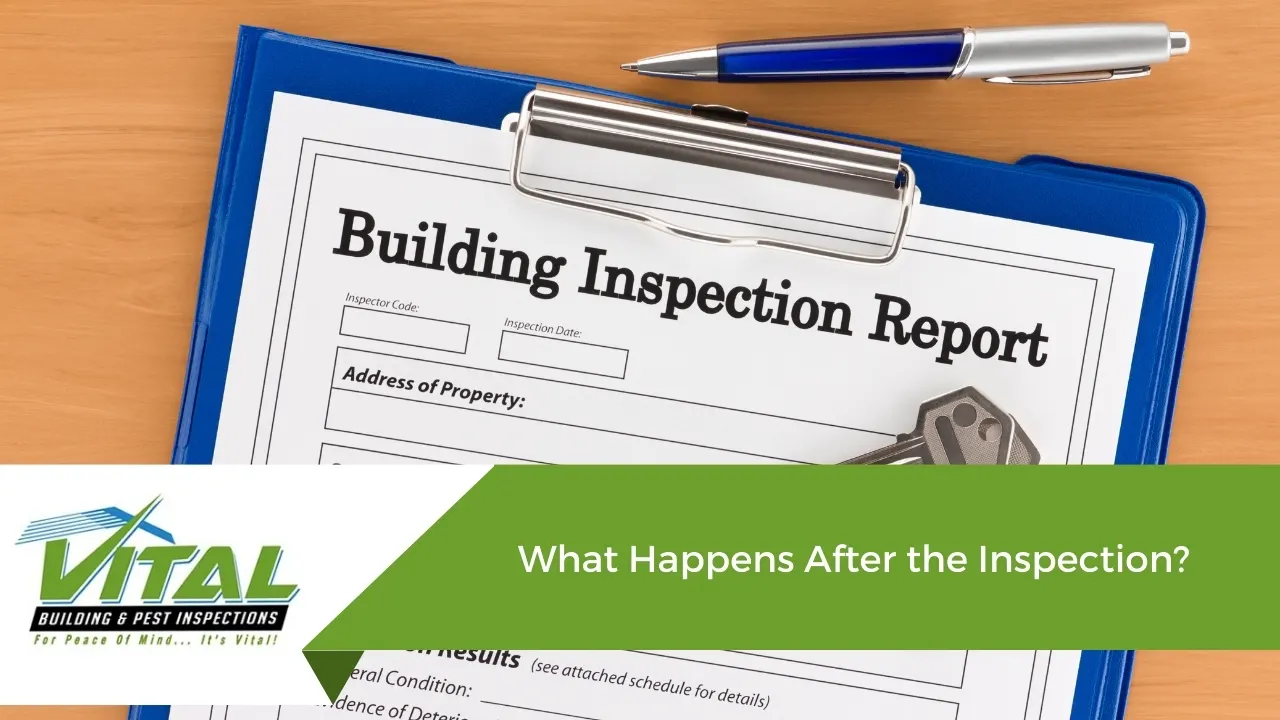
After the inspection, the landlord or property manager will provide a report detailing the property’s condition and any issues identified. Tenants should review this report carefully and discuss any discrepancies or concerns with the landlord.
Follow-Up Actions
Based on the inspection report, the landlord may schedule necessary repairs or maintenance. Tenants should cooperate with these arrangements to ensure the property remains in good condition.
Comprehensive Inspections
Understanding the rental inspection process in Sydney is essential for both tenants and landlords. By knowing what to expect and how to prepare, tenants can ensure a positive inspection experience and maintain a good relationship with their landlord. Landlords, on the other hand, can ensure their property is well-maintained and address any issues promptly.
Vital Building & Pest Inspections offers comprehensive inspection services to help you navigate the rental inspection process with confidence. Contact Vital today to learn more about the services and how Vital can help you maintain a safe and healthy rental property.
A routine rental inspection by an agent focuses on cleanliness, damage and upkeep. Vital's independent rental inspection looks at the building itself: ceilings, walls and floors, wet areas, the roof space and subfloor where they can be safely reached, external walls, balconies and decks, and site drainage. Your inspector checks for damp and leaks with a moisture meter, and each finding comes with a photo and its location.
Every NSW rental home must meet minimum standards for rental properties, and the first is that the property is structurally sound. An independent report gives a landlord a clear record of where the home stands, and gives a tenant evidence to support a repair request. Your inspector walks you through the findings and answers your questions about the report. You can see how findings are laid out on the sample report page.
Frequently asked questions
How much notice is needed for a routine rental inspection in NSW?
NSW Fair Trading says a landlord or agent must give at least 7 days' written notice before each routine inspection. The inspection notice should give the date and a time window, so you can plan to be there or arrange the property beforehand. The full list of notice periods for access covers repairs, valuations and showings too.
How often can a landlord inspect a rental property in Sydney?
A landlord or agent can carry out a routine inspection up to 4 times in any 12-month period, with written notice each time, which in practice usually means every 3 to 6 months. Access for repairs, smoke alarm checks and valuations has its own shorter or separate notice rules under NSW Fair Trading's guidance.
What is a rental inspection report?
A rental inspection report is the written record of the property's condition at an inspection, usually with photos and notes on cleanliness, damage and maintenance. The condition report at the start of the tenancy is the baseline, and later reports are compared against it. An independent report from Vital adds a building inspector's view of damp, leaks, structure and safety items.
Can a tenant be present at a rent inspection?
Yes, tenants can choose to be present, and many find it useful to walk through with the landlord or agent and raise repairs on the spot. If you can't make the time in the notice, ask the agent whether another time in the window suits, or leave a note listing any maintenance items you'd like looked at.
Can Vital carry out an independent rental inspection?
Yes. Vital inspects rental properties across Sydney for landlords and tenants at the start, middle or end of a lease, and records the condition of the building with photos. The rental inspection page explains what the report covers, and you can book online or through the contact page.