
Guides
Understanding the Rental Inspection Process
Here's what happens at a rental inspection: the landlord or property manager walks through the home to check its condition and note repairs, and both sides have responsibilities before and after.
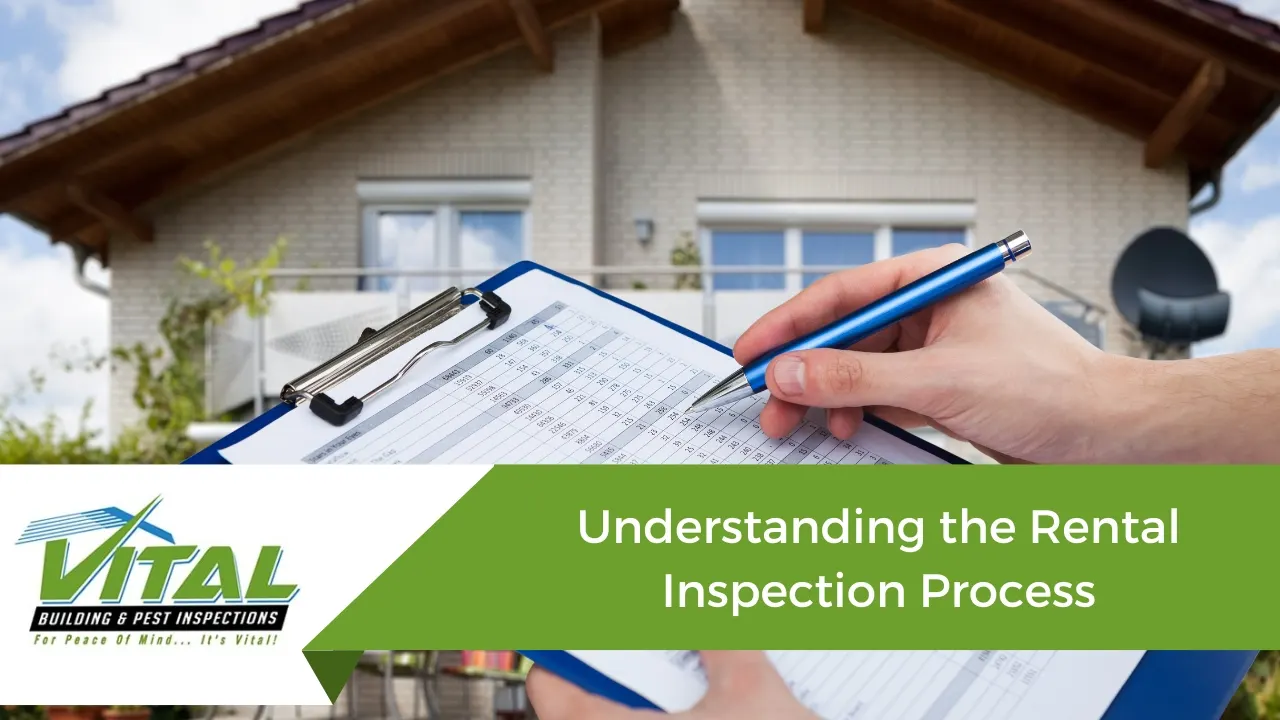
At a rental inspection, the landlord or property manager walks through the home, inside and out, to check its condition, note any damage beyond fair wear and tear and list the repairs that need doing.
Rental inspections are an important aspect of the tenancy process, ensuring that properties are maintained and potential issues are identified before they escalate. Both landlords and tenants have responsibilities during inspections, and understanding the rental inspection process can help foster positive landlord-tenant relationships. Here’s an in-depth look at what to expect from a rental inspection and how to prepare.
What happens at a rental inspection at a glance
- At a rental inspection, the landlord or property manager walks through the inside and outside of the property.
- Tenants look after the property's condition for the length of the tenancy.
- Landlords are required to provide tenants with adequate notice before conducting an inspection, at least 7 days in writing in NSW.
- Afterwards, the landlord usually gives the tenant a written report on the property's condition and anything to attend to.
- A professional building inspector adds a detailed record of damp, leaks, structure and timber pests.
If you rent in Sydney, Peter's guide to routine rental inspections explains the inspection notice you can expect and what each type of inspection covers.
The purpose of rental inspections
Rental inspections serve several purposes. For landlords, they provide an opportunity to ensure the property is being properly maintained and that no significant damage has occurred. For tenants, inspections offer a chance to address any maintenance concerns and settle the end of the tenancy smoothly.
Routine inspections are typically conducted at the start and end of a lease, and periodically during a tenancy to check the condition of the property. These inspections pick up maintenance needs, and they also help keep the home safe and habitable for the tenant.

What to expect during a rental inspection
During a rental inspection, the landlord or property manager will walk through the property, examining both the interior and exterior. They’ll look for any signs of damage, wear and tear, or required maintenance. Common areas of focus include:
- Walls, floors, and ceilings for cracks, stains, or other damage.
- Doors and windows for proper functioning and security.
- Plumbing systems for leaks or signs of water damage.
- Electrical outlets and appliances for safety and functionality.
- Heating and cooling systems for maintenance needs.
Landlords will also check for cleanliness and whether the tenant is following the agreed-upon terms of the lease, such as lawn care or pet-related policies. Peter's rental inspection checklist goes through each area room by room.
Tenants’ responsibilities during an inspection
Tenants have a responsibility to ensure the property is in good condition during the rental period. Before an inspection, it’s important for tenants to:
- Clean the property thoroughly, including common areas, kitchens, and bathrooms.
- Address minor repairs, such as replacing lightbulbs or tightening loose screws.
- Ensure access to all areas of the home, including garages, storerooms and any roof space or subfloor access.
- Communicate any maintenance or repair needs to the landlord ahead of time.
Being proactive about property care and maintenance shows the landlord that the tenant is respectful of the property and serious about fulfilling their lease obligations.
Landlords’ responsibilities during an inspection
Landlords are required to provide tenants with adequate notice before conducting an inspection. In Australia, the notice period is typically at least 7 days, although this may vary depending on state regulations. In NSW, the minimum notice periods for access to rental property set by NSW Fair Trading are at least 7 days' written notice for each routine inspection, up to 4 times in a 12 month period. Inspections should be conducted at reasonable times, respecting the tenant’s right to privacy.
Landlords also need to use inspections as an opportunity to address maintenance issues or repairs that are the landlord’s responsibility. If repairs are identified, landlords must organise for them to be carried out in a timely manner to ensure the property remains safe and habitable. Every NSW rental home must also meet the minimum standards for rental properties, the first of which is that the property is structurally sound.
What happens after the inspection?
Following the inspection, the landlord will typically provide the tenant with a written report outlining the condition of the property and any concerns that need to be addressed. If any damage is identified that goes beyond normal wear and tear, tenants may be required to cover the cost of repairs.
At the end of a tenancy, this inspection report can be used to determine whether the tenant is entitled to a full bond refund or if any deductions will be made for damage or cleaning.
Why professional inspections are beneficial
While many rental inspections are carried out by landlords or property managers, professional building inspectors can provide a more detailed and thorough assessment of the property. Professional inspectors are trained to spot issues that may go unnoticed, such as structural damage, hidden leaks, or early signs of pest activity.
Vital Building Inspections offers comprehensive rental property inspections, ensuring that both landlords and tenants have a clear understanding of the property’s condition. Vital's reports are detailed, unbiased, and designed to provide peace of mind for all parties involved.
Your inspector checks the ceilings, walls and floors, wet areas, external walls, balconies and decks, the roof space and subfloor where they can be safely reached, and the site drainage. A moisture meter helps check whether a stain is still wet, which helps a landlord and tenant agree on the cause of a leak, and a timber pest inspection to AS 4349.3 can be added in the same visit. Each finding comes with a photo. Your inspector walks you through the findings and answers your questions about the report.
A smooth inspection process starts with preparation
Understanding the rental inspection process helps both landlords and tenants fulfil their responsibilities and maintain a positive rental experience. Regular inspections are key to ensuring the property is well-maintained, safe, and compliant with tenancy agreements.
Ensure a smooth rental inspection today
Whether you’re a landlord looking to protect your investment or a tenant wanting to ensure a successful rental experience, Vital Building Inspections is here to help. Contact Vital today for a thorough rental inspection and expert advice on maintaining your property.
Frequently asked questions
What happens at a rental inspection?
The landlord or property manager walks through the home, inside and out, to check its condition. They note cleanliness, any damage beyond fair wear and tear, and maintenance or repairs that need doing, and often take photos. Afterwards you usually receive a written report, and any repairs that are the landlord's responsibility are organised from there.
What do landlords check at a rental inspection?
Common areas of focus are walls, floors and ceilings, doors and windows, plumbing and signs of leaks, electrical outlets and appliances, and heating and cooling. Landlords also check cleanliness and whether lease terms such as lawn care or pet arrangements are being followed. Peter's rental inspection checklist lists each item.
How much notice does a landlord need to give for an inspection in NSW?
At least 7 days' written notice for each routine inspection, and no more than 4 routine inspections in any 12-month period, according to NSW Fair Trading's minimum notice periods for access. Access for repairs and maintenance needs at least 2 days' notice.
What happens after a rental inspection?
The landlord or agent usually sends a written report on the property's condition and any items that need attention. Repairs that are the landlord's responsibility should then be organised promptly, and the tenant fixes anything they're responsible for. At the end of the lease, these reports help decide whether the full bond is returned.
Why use a professional building inspector for a rental property?
A building inspector looks past cleanliness and wear to the building itself: damp and hidden leaks, structural movement, roof and subfloor condition, and signs of timber pests. Vital's independent rental inspection gives landlords and tenants the same clear, photographed record to work from.