
Guides
What's a Condition Report?
A condition report records the state of a rental property room by room at the start and end of a lease, protecting tenant and landlord in a bond dispute, while a building condition report from an inspector assesses the structure and condition of the building itself.
A condition report is a record of a property's condition at a point in time. For a rental, it's the document the landlord or property manager fills out before a tenant moves in, recording each room, fixture and fitting, and it's the reference point when the tenant moves out. A building condition report from an inspector goes further: it's an independent assessment of the building's structure and condition, with photos, and it suits landlords, owners and tenants who want the building itself checked.
Building condition report at a glance
- A condition report is given to tenants at the start of a tenancy by the landlord or property manager.
- In NSW, the landlord or agent fills it out before the tenant moves in, and it's completed again at the end of the tenancy.
- The tenant has 7 days to check it, note anything they see differently, and return a copy.
- With several people on a lease, an updated report each time a tenant changes keeps responsibility clear.
How to protect yourself in case of bond disputes
A condition report is given to tenants at the start of their tenancy by the landlord or property manager. It records the general state of repair and condition of the property room by room, including fixtures and fittings. The landlord fills it out before the new tenants move in, and the tenants check it, add their own notes and return a completed copy.
When the tenants move out, the condition report is the reference point. At the final inspection, each item is checked against the report to confirm the property is in the same condition as when the tenants took possession, allowing for fair wear and tear. Any items the tenant needs to repair, replace or clean are identified at that inspection.
Why do I need a Condition Report?
In NSW, the landlord or agent must fill out a condition report before a tenant moves in, and give the tenant 2 paper copies or 1 electronic copy before or when the tenancy agreement is handed over to sign. The NSW Government's page on rental property condition reports sets out the rules and links to a sample report.
Whether you're renting or a landlord, a record of the property's condition is the key evidence at the end of a tenancy. It shows whether anything is missing, damaged or broken, or in a different condition from when the tenancy began.
If you're a renter, take photos of the property as you fill out the condition report, with time stamps. They show the condition when you moved in, and they support any request to have something repaired straight away.
As a landlord, a thorough condition report gives you a clear record if there's a question about replacing missing items or paying for cleaning or damage. Your tenant should return 1 completed copy of the condition report to you within 7 days of moving in and keep the other for their records. Visit the property, describe every mark and defect however minor, and share the photos with the tenant and property manager.
What are my obligations as a Tenant?
You have time to check the details the owner or property manager has entered on the condition report and to confirm or note anything you see differently. The condition report can be used as evidence if there's a question about who pays for cleaning, damage, or replacing broken or missing items at the end of the lease, so it's worth being as observant as you can.
Where you see something differently from the report, note it in the right section of the report. Return the completed report to the owner or agent within the 7 days, so your notes form part of the record. Make sure you and the landlord agree on the contents before you sign. A lease renewal or extension with the same tenant usually keeps the original report.
At the end of the tenancy, the NSW Government recommends that the outgoing condition report is completed by the landlord or agent and the tenant together, which keeps things clear and speeds up any discussion about the bond.
What if I have housemates?
Condition reports matter even more when several people share a property, because they help show which co-tenant is responsible for any damage. Each time a housemate leaves or joins a lease, the change is recorded with the bond authority.
Before the new tenant moves in, arrange an inspection and record any repairs or damage not already on the original condition report. Doing this each time a tenant changes keeps responsibility with the right person, and saves chasing a former tenant after they've left.

Why are routine inspections important?
Every rental has general wear and tear. Condition reports come into their own when there's damage beyond normal wear. Routine inspections give tenants the chance to point out anything that needs attention, so it can be repaired early. Each state and territory sets how many routine inspections are allowed each year, and the tenant must be given notice of each one. Peter's rental inspection checklist guide covers the rules state by state.
Routine inspections check that:
- the lease terms are being honoured
- the home is clean and tidy
- the grounds are clean and tidy
- the property is in good condition
- the number of people living there matches the tenancy agreement
- pets are there only as agreed
- maintenance items are found, so they can be attended to.
What a building condition report adds
A rental condition report is a room-by-room record of how the property looks. A building condition report from an inspector looks at how the building is performing. Your inspector checks the structure, the roof and roof space, the subfloor, the wet areas and the site, and records:
- structural cracking or movement
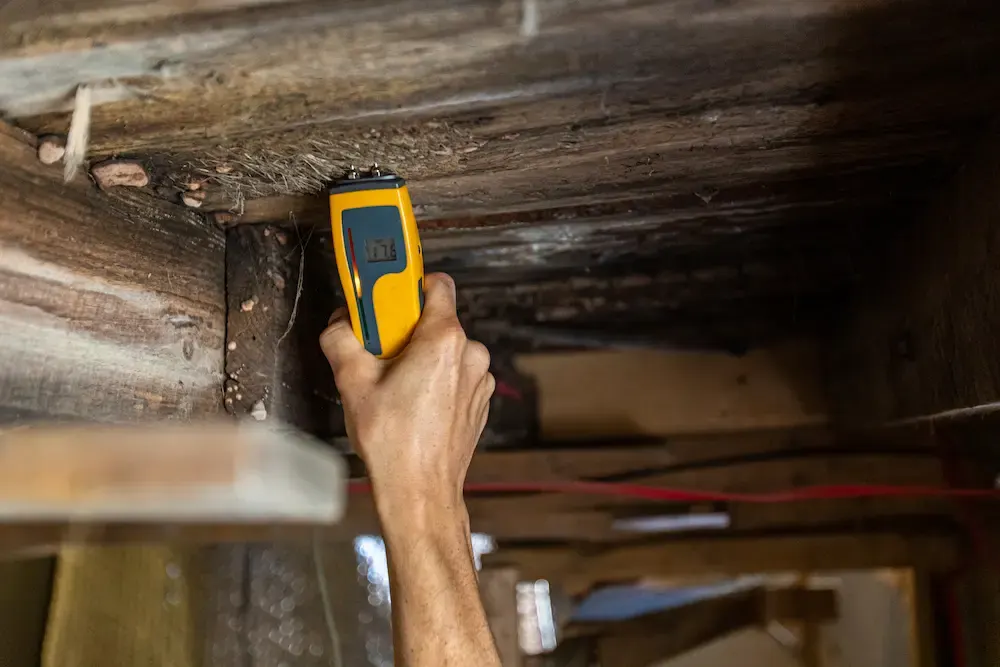
- leaks, damp and mould, traced with a moisture meter and thermal imaging camera
- timber damage, and termite activity where you add a pest inspection
- maintenance items, in order of priority.
Each finding comes with photos and a plain explanation of what it means. That gives a landlord a clear starting point before a lease, gives an owner a maintenance plan, and gives a tenant an independent record if there's a question about damp or a defect. You can see the format in Vital's sample report.
Are you a property owner looking for help completing the Pre-Tenancy Condition Report?
If this is your first time renting out a property, it pays to have an experienced building inspector check it thoroughly before you hand it to a property manager or tenant. Your Vital inspector finds the items that need attention, such as pest activity or damage or maintenance items, so you can repair them before anyone moves in, and your tenants start in a safe, sound home.
As an owner, regular pest inspections and maintenance reports keep your property in good condition and look after your tenants' health and safety. Every inspection is carried out in-house by Vital's own experienced inspectors, with no subcontractors, and you're welcome to be there and walk through the findings with your inspector.
Book an inspection, request a free quote, or call Vital on 0401 012 074.
Frequently asked questions
What is a condition report for a rental property?
It's a document the landlord or agent fills out before a tenant moves in, recording the condition of the property room by room, including fixtures and fittings. The tenant checks it, notes anything they see differently, and returns a signed copy. At the end of the lease, it's the reference for working out what, if anything, comes out of the bond.
How long does a tenant have to return a condition report in NSW?
In NSW, the tenant should return 1 completed copy to the landlord or agent within 7 days of moving in and keep the other. The NSW Government's page on rental property condition reports sets out the rules and links to a sample report.
What is a building condition report?
A building condition report is a professional inspection of a building's structure and condition, with photos, by a building inspector. It records defects, damp, damage and maintenance items, and it's useful for landlords before a lease, for owners planning maintenance, and for anyone who needs an independent record of the building at a point in time.
Should tenants take photos with the condition report?
Yes. The NSW Government recommends taking photos to go with the condition report, with time stamps. Clear, dated photos of each room, and close-ups of any marks or damage, make it easy to show the property's condition when you moved in.
Does a new condition report have to be done when a lease is renewed?
Generally no. The original condition report from the start of the tenancy still applies when the lease is renewed or extended with the same tenant. When a housemate leaves or joins, it's worth inspecting and recording any changes, so each person is responsible only for their own time in the property.