
Guides
What's in a Rental Inspection Checklist?
A rental inspection checklist covers the outside and inside of the property room by room, from locks, yards and walls to wet areas, appliances and smoke alarms, so landlords, property managers and tenants can record its condition and keep on top of maintenance.
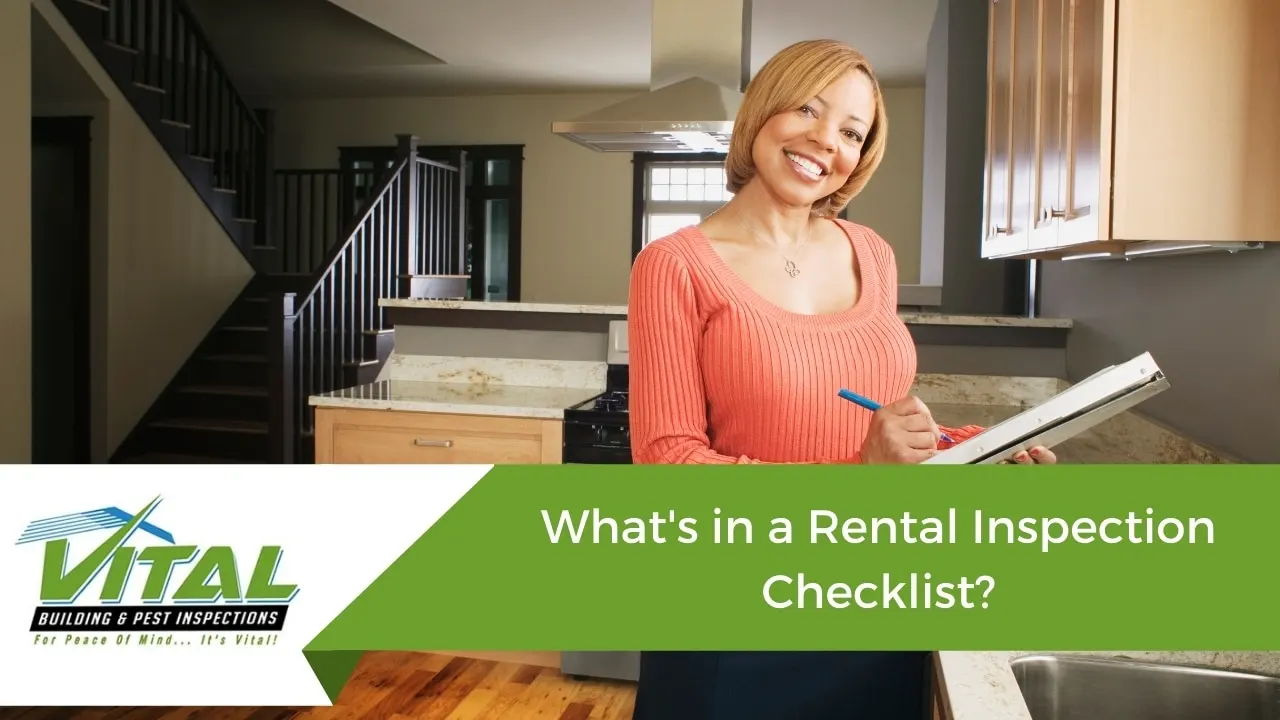
A rental inspection checklist covers the outside and inside of a rental property, room by room, so the landlord, property manager and tenant all have a clear record of its condition. Whether you're a landlord, property manager or tenant, knowing what's on the checklist makes each inspection simple to prepare for and useful to everyone.
Renting is a large part of the Australian housing market, and the ABC reported in 2019 that around a third of households rent, based on ABS figures. Renting and owning share 1 responsibility: keeping the property well maintained. For a rental, that responsibility is set out in the tenancy agreement, which is why landlords carry out routine inspections. Here's what you need to know about them, and how Vital's inspections help.
Rental inspection checklist at a glance
- Routine rental inspections happen up to every 3 months in most states, and the rules depend on where you live.
- The checklist covers the outside of the property and every room inside.
- Tenants who keep to the lease and keep the home clean have little to prepare.
- A building inspection of a rental finds structural defects, leaks and damp early, so the landlord can repair them and the tenant has a sound home.
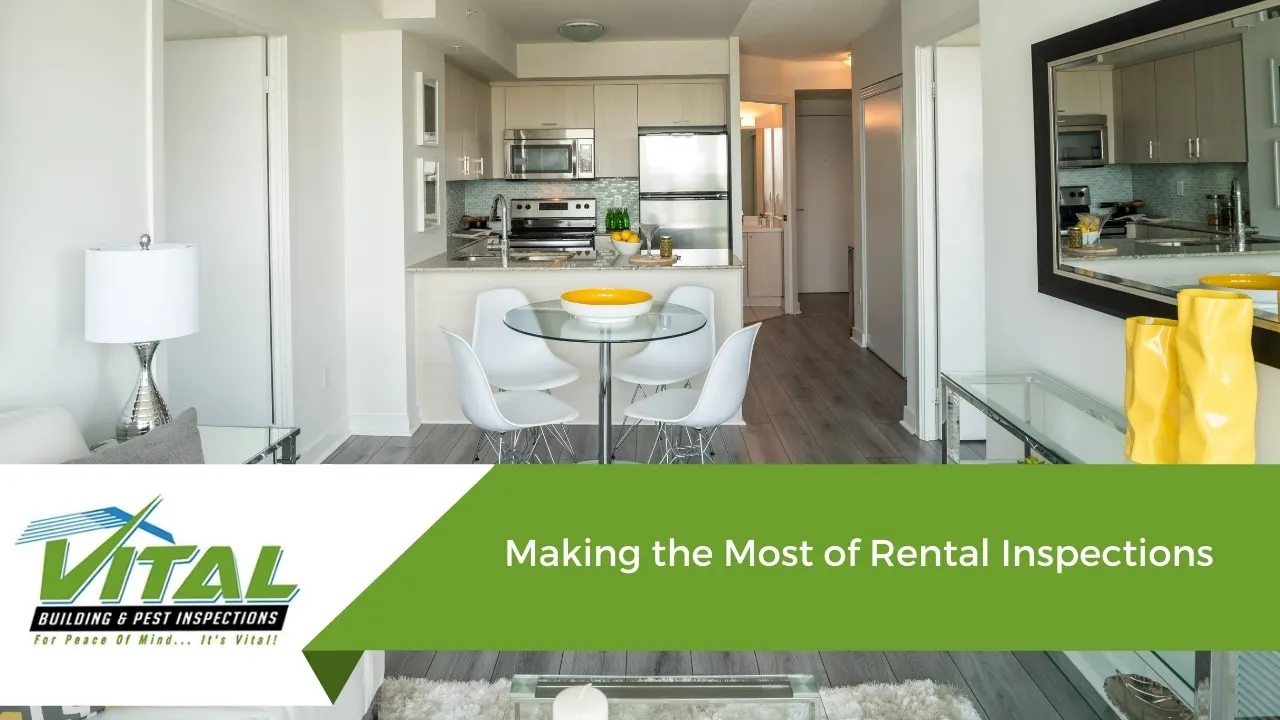
Making the most of rental inspections
A routine inspection is easier when you plan ahead and set aside time to tidy up. The home will look lived in, because it is, so focus on the areas the checklist below covers.
As a tenant, the inspection is also your chance to raise anything that needs attention from your landlord or property manager. That could be a maintenance item, such as a blocked drain or a smoke alarm that needs a new battery, or a security item, such as a window lock that needs repair. Raising it at the inspection puts it on the record.
Rental inspection: how often it is carried out
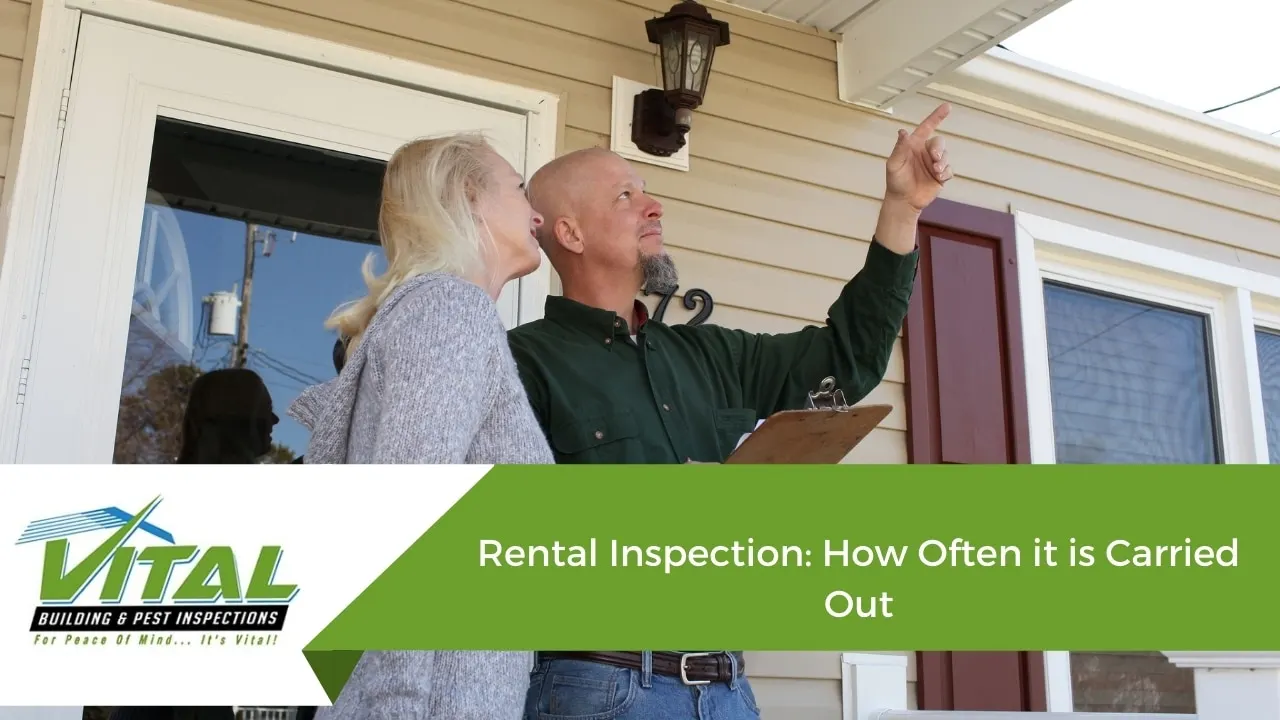
Routine rental inspections usually happen every 3 months, and each state sets its own limits. Whether the property is managed by an agent or by the landlord, the law requires notice to the tenant before each inspection:
- NSW: landlords or agents may carry out a routine inspection up to 4 times in a 12-month period, with at least 7 days' written notice each time.
- WA: landlords or agents may carry out a routine inspection up to 4 times a year, with 7 to 14 days' written notice, at a suitable time.
- SA: landlords may carry out a routine inspection 4 times a year, unless the tribunal orders otherwise, with 7 to 28 days' written notice.
- NT: landlords or agents may carry out a routine inspection no more than once every 3 months, with at least 7 days' notice, depending on the agreement between the landlord and tenant.
- ACT: landlords or agents may carry out a routine inspection twice in a 12-month period, with at least 7 days' notice to the tenant.
- VIC: landlords or agents may carry out 1 general inspection in any 6-month period, and not in the first 3 months of the lease, with at least 7 days' written notice.
- QLD: landlords or agents may carry out a routine inspection no more than once every 3 months, with at least 7 days' notice on the Entry notice (Form 9). The tenant can agree in writing to more frequent inspections.
- TAS: landlords and agents may carry out an inspection once every 3 months, with written notice at least 24 hours in advance.
Tenancy rules change from time to time, so check the current rules with your state's tenancy authority before an inspection.
The Checklist
What does a rental property inspection involve? It varies, and landlords generally check any or all of the following.
Exterior
- Gates and front door. The handles and locks work properly.
- Garden and yards. Tidy, with rubbish, hoses and tools put away, and the lawn mowed and edges trimmed.
- Decks, balconies and patios. Clean and neat.
- Garage or parking. Items cleaned up and organised, with the lock and other security working.
Interior
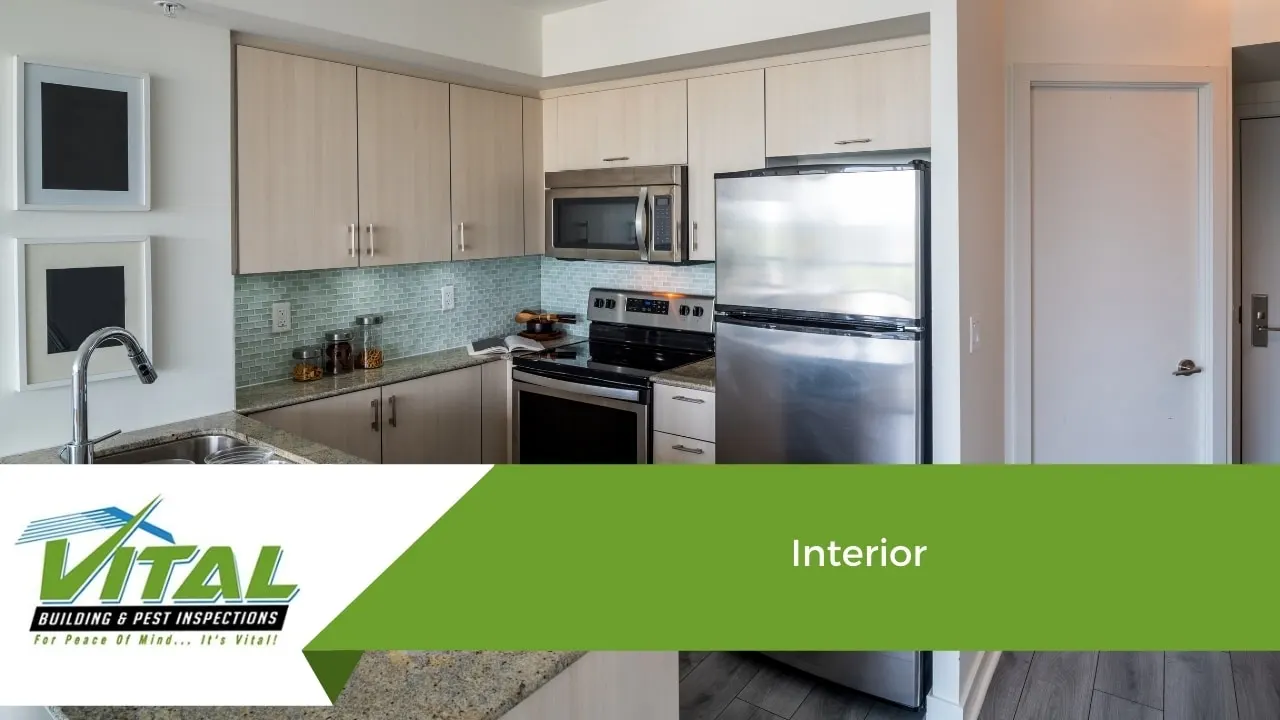
- Walls and floors. Among the first surfaces a landlord notices. Clean off marks and dirt gently so the surface stays intact, including the wall behind the stove.
- Windows, window frames and sills. Dusted and wiped down.
- Cupboards, shelves, drawers and storage. Surfaces and handles wiped, and the contents tidy, which makes them quick to check.
- Lights. Working and properly fitted.
- Smoke alarms. In good working order. Let your landlord or agent know straight away if one isn't working.
- Carpet. A good vacuum makes it look fresh.
- Taps. Turned off fully, with any drips reported.
- Shower, toilet and tiles. Clean and presentable, including the grout, glass and mirrors.
- Sink. Clear of dishes, cleaned and wiped down.
- Oven, microwave and other appliances. A thorough clean, including the inside of the fridge, dishwasher and washing machine.
- Air conditioning. Dusted, with the front casing and filter cleaned.
- Stove and range hood. The hood filter cleaned, the light working, and the stove wiped clean.
- Bins. Emptied, or at least below the lid.
Damp, leaks and mould
Water stains on ceilings, mould in wet areas, soft or lifting floors and a musty smell are worth noting at every inspection, because they point to a leak or poor ventilation. Reporting them early lets the landlord arrange a repair while it's small. Peter's guide on mould in the home explains what to look for and what it means.
Survive your rental inspection
When you keep to the lease, the inspection takes care of itself. That usually means you:
- keep the property clean, tidy and in the same condition as when you moved in
- have only the people and pets on the lease living in the property
- sublet only with your landlord's consent
- look after the appliances, furniture and other items included in the lease
- tell your landlord or property manager straight away about anything that needs repair or maintenance.
Tenancy arrangements allow for fair wear and tear, such as minor marks and scratches, as a natural part of living in a home.

When you move out, the exit inspection is compared with the condition report from the start of the lease. If the property is in the same condition, allowing for fair wear and tear, you can expect your bond back in full. Peter's guide to what a condition report is explains how that record works.
Partner with Vital for all your rental inspection needs
A routine inspection checks how the home is being kept. A rental property inspection from Vital checks the building itself. Your inspector looks at the structure, the roof and roof space, the subfloor and the wet areas, traces damp and leaks with a moisture meter and thermal imaging camera, and gives you a written report with photos of each item and what it means.
That's useful at any point in a lease:
- For landlords, before you advertise, between tenancies, or when a tenant reports a leak, so repairs happen early and the home stays sound for your tenants.
- For tenants, at the start or end of a lease, or when something needs repair, so you have an independent record of the building's condition.
- For property managers, across a portfolio of rentals, with a consistent report for each property.
Every inspection is carried out in-house by Vital's own experienced inspectors, with no subcontractors. You're welcome to be there and walk through the findings with your inspector. See the format in the sample report, check the prices, or book an inspection. You can also contact Vital or call Vital on 0401 012 074.
Frequently asked questions
What is on a rental inspection checklist?
A rental inspection checklist covers the outside of the property (gates, doors and locks, yards, decks and the garage) and the inside, room by room: walls and floors, windows, storage, lights, smoke alarms, carpets, taps, the bathroom and toilet, the kitchen sink, oven and appliances, air conditioning and the bins.
How often can a landlord carry out a rental inspection in NSW?
In NSW, a landlord or agent can carry out a routine inspection up to 4 times in any 12-month period, with at least 7 days' written notice each time. The NSW Government sets out the minimum notice periods for access to a rental property.
How often are rental inspections in Queensland?
In Queensland, routine inspections can't be carried out more than once every 3 months unless the tenant agrees in writing, and the tenant gets at least 7 days' notice on the Entry notice (Form 9). The Residential Tenancies Authority explains the rules on its routine inspections page.
What do landlords look for in a rental inspection?
Landlords and property managers check that the home is clean and in the same condition as at the start of the lease, allowing for fair wear and tear. They look for damage, leaks, damp and mould, working smoke alarms, and maintenance items to fix, and note anything the tenant raises.
How is a building inspection of a rental different from a routine inspection?
A routine inspection by the agent checks cleanliness and general condition. A rental property inspection by Vital is a building inspection: your inspector checks the structure, roof, subfloor and wet areas, traces damp with a moisture meter and thermal imaging, and gives you a written report with photos.