
Guides
Why is a Pre-Sale Building Inspection Vital?
A pre-sale property inspection shows you your home's condition before you list, so you can fix items early, price with confidence and keep the sale moving when buyers book their own pre-purchase inspection. It covers the same areas a buyer's inspection does.
A pre-sale property inspection shows you the condition of your home before you list it. It covers the same areas a buyer's pre-purchase inspection does, so you know what buyers' inspectors will find before the first open home. With the report in hand, you can fix items early, set your price with your agent and keep the sale moving through negotiations to settlement.
Pre-purchase building inspections
To understand a pre-sale inspection, it helps to start with the inspection your buyers will book. A pre-purchase building inspection gives a buyer the true condition of the home before they commit. Vital's own in-house inspectors carry out every inspection to AS 4349.1-2007, and it covers:
- Structure: footings, walls, floors and roof framing, with cracking and movement noted.
- Timber pests: termites, borers and fungal decay, in a timber pest inspection to AS 4349.3 when it's booked as a building and pest inspection.
- Safety items: balustrades, stairs and other hazards to people.
- Wet areas and moisture: showers, bathrooms, laundries and damp, checked with a thermal imaging camera and moisture meter.
- Maintenance: roofs, gutters, drainage and finishes that need attention now or soon.
A building inspection is visual, so electrical wiring and plumbing are for a licensed electrician or plumber to test, and your inspector notes visible signs and recommends a specialist where one would help. A buyer uses the report to negotiate, plan repairs or reconsider, which is exactly why it helps a seller to see the same picture first. The pre-purchase building and pest inspection page covers the buyer's side in more detail.
Why is a pre-sale building inspection recommended?
Building inspections are often thought of as something only buyers need. Sellers gain just as much, because a pre-sale inspection puts the timing and the decisions in your hands.
Benefits of a pre-sale property inspection
- Buyer confidence. Buyers feel more comfortable when the seller already knows the home's condition and has dealt with the items that matter. That helps offers come in on firm terms.
- Accurate pricing. You and your agent can price the home with its condition in mind, so buyers' findings match what you already expect when negotiations start.
- A smoother sale. When a buyer's report matches what you already know, negotiations stay on the price and the settlement date.
- Time to act. You can repair items before listing, get quotes for the larger ones, or plan how to present them, on your own timeline.
A pre-sale report describes the home's condition on the day of the inspection. It isn't a certificate, so buyers will still book their own inspection, and that's expected. Your report means their findings hold no surprises.
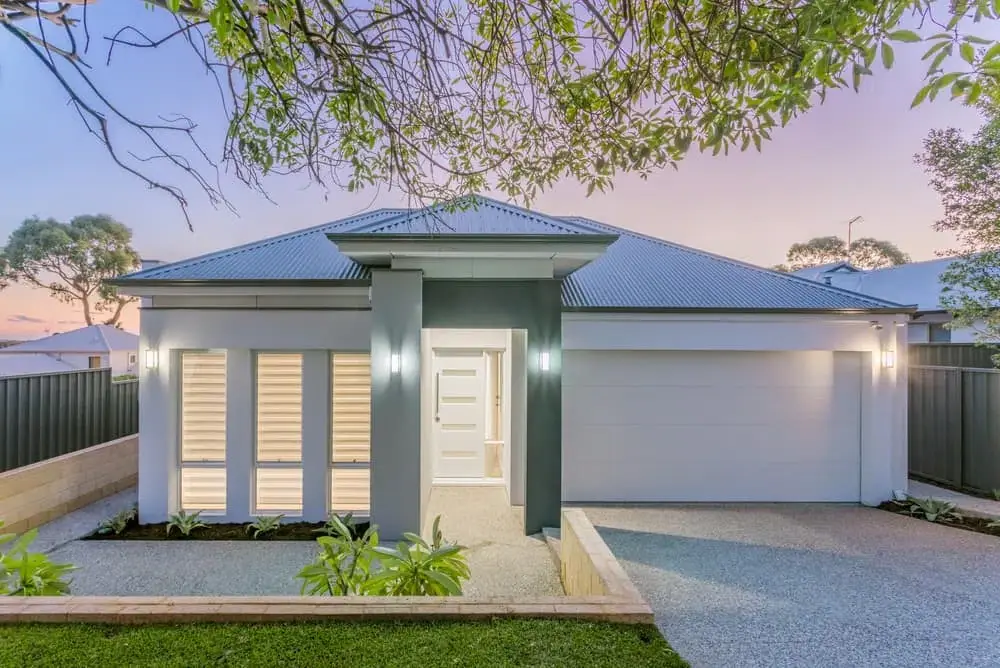
What to expect from Vital's inspection
Your inspector checks the interior, exterior, roof space, roof exterior, subfloor and site, including garages, retaining walls, fences, paths and drainage. Your report sets out each finding with photos and a clear recommendation. Your inspector walks you through the findings and answers your questions about the report. Vital's owner, Peter Ezeigwe, brings a background in building restoration and disaster assessment, and that repairer's view runs through every Vital report, so it explains what caused each item and what the repair usually involves, which helps you decide what to fix before listing.
Most sellers book a combined building and pest inspection, because buyers almost always do. A pre-sale and pre-listing building inspection with a timber pest inspection gives you the full picture buyers will see.
How the report fits into your sale
In NSW, agents keep a written record of the pre-purchase reports they know about, including who prepared them and whether the author holds professional indemnity insurance, and share those details when a buyer asks for a copy of the contract. The NSW Government's page on pre-purchase inspection reports sets this out. Talk to your agent about how to use your report in the campaign.
If your home has a pool, the sale contract needs pool safety documents too. The NSW Government's page on pool owner obligations lists what's required, and it's worth arranging early.
Building standards and older homes
Homes in NSW are built to the National Construction Code and the Australian Standards in force when they were built. An older home is generally assessed against the standards of its time, compared with similar homes of the same age, rather than against today's code. Your Vital report notes items that look unsafe or that may not meet current standards, such as balustrade heights, stair dimensions and wet area waterproofing, so you can decide whether to upgrade them before listing.
If you've added an extension, deck or granny flat, your conveyancer can check that the council approvals and certificates are in order, because buyers' solicitors usually ask for them.
Home maintenance before a pre-sale property inspection
Maintenance tends to slip once you're settled in a home, and the small jobs add up. A round of maintenance before the inspection improves both the report and the way the home presents to buyers. Use this checklist as a starting point.
Heating and cooling
Clean or replace air conditioning filters, and clear around outdoor units so they're easy to service. Book a service if a unit hasn't had one in a while.
Electrical
Note any switches, power points or light fittings that are loose, cracked or not working, and have a licensed electrician repair them. Electrical work in NSW is for a licensed electrician only, so leave the switchboard and wiring to them.
Plumbing
Check taps, mixers and valves for drips, and look under sinks and vanities for damp or stains. Clear slow drains, and call a licensed plumber for blocked drains, low water pressure or a leak inside a wall. Fixing leaks early protects the timber and plaster around them.
Interior and exterior walls
Wash down the exterior and look for flaking paint, cracks and water stains. Scrape and sand flaking paint before repainting. Replace water-damaged plasterboard or timber once the leak behind it has been fixed. Inside, sugar soap and a fresh coat of paint lift faded or marked walls, and a light sand and reseal refreshes scratched timber.
Wet areas
Bathrooms, laundries and kitchens collect moisture, so clean them thoroughly and treat any mould promptly. Replace cracked or mouldy silicone around showers, baths and benchtops, and run exhaust fans during and after showers. Mould that keeps coming back usually points to a leak or poor ventilation worth having checked.
Outside the home
Clear gutters and downpipes, make sure stormwater drains away from the house, and keep garden beds and mulch below the weep holes. Trim plants back from walls and roofs, and move stored timber away from the house, because it attracts termites.
Book a pre-sale property inspection
Book your inspection as early in the sale as you can, ideally before the photos, styling and floor plan, so there's time to act on the report. Vital is based in Stanhope Gardens and inspects homes across north-western and south-western Sydney. See how a report is set out in the sample report, read the guide to the pre-listing inspection, or find more on the guides page.
Frequently Asked Questions (FAQs)
What is the purpose of a pre-inspection?
A pre-inspection shows the condition of a property before it's listed for sale or bought. For sellers, it means you can repair items, get quotes or plan disclosure before buyers see the home. For buyers, it shows the structure, roof, wet areas and timber pest picture, so you can negotiate, budget for repairs or reconsider with the facts in hand.
Why is a pre-purchase home inspection important?
It gives you a detailed assessment of the property's condition before you commit. The report sets out structural defects, safety items, timber pest findings and maintenance needs, so you can negotiate better terms, budget for repairs or reconsider the purchase. In Sydney most buyers book a combined building and pest inspection, which covers both in 1 visit.
What is the Australian standard for pre-purchase building inspections?
AS 4349.1 sets out how pre-purchase inspections of residential buildings are carried out, the areas inspected and what the report must include. Timber pest inspections follow AS 4349.3. A pre-sale inspection covers the same ground, so the seller sees what a buyer's inspector will report and every report is set out consistently.
Why is it important to inspect a property?
An inspection shows you what you're buying or selling. Buyers learn the condition of the home and which repairs to plan for. Sellers learn what buyers' inspectors will find, so they can fix items, price accurately and keep negotiations on track. Either way, decisions rest on facts rather than first impressions, and settlement goes more smoothly.
Do I have to give buyers my pre-sale inspection report?
That's your choice, and your agent can advise on how to use it in the campaign. In NSW, agents keep a record of the pre-purchase reports they know about and share those details when a buyer asks for a copy of the contract. Most buyers still book their own inspection, and your report means their findings match what you already know.