
Guides
6 Issues A Building Inspection Can Reveal
What can a building inspection reveal? The same 6 issues come up again and again: movement and cracking in the structure, the condition of the roof, drainage, termites, mould and rotten timber, and safety hazards. This guide explains each one, what the inspector looks for, and what to do with the findings.
What can a building inspection reveal? The same 6 issues come up again and again: movement and cracking in the structure, the condition of the roof, drainage and damp, termites, mould and rotten timber, and safety hazards. A building inspection records each one it finds in the accessible areas of the property, with its location, a photo and a recommendation, so you know what you're buying before you commit.
Vital carries out building and pest inspections across Sydney to AS 4349.1-2007 and AS 4349.3. This guide explains each issue, what your inspector looks for, and what to do with the findings.
What can a building inspection reveal?
The NSW Government's guide to building and pest inspection reports explains that inspectors check the accessible areas of a property: the interior, the exterior, the roof space, the subfloor and the site, including outbuildings, retaining walls, steps, fencing, drainage, paths and driveways. The report then sets out the overall condition, the major defects, significant items that need repair, and recommendations for specialist advice.
Within that, these are the 6 issues that matter most to buyers.
Structural integrity
The inspection starts with the bones of the building. Your inspector looks for:
- cracks in brickwork, render and plaster, and how wide and where they are
- signs of movement, such as doors and windows that stick, sloping floors and gaps at skirting boards
- the condition of footings, piers, stumps, bearers and joists in the subfloor, where it can be reached
- sagging or distortion in roof lines, ceilings and floors
- retaining walls that lean or bulge
Many cracks are minor shrinkage and settlement, and some point to ongoing movement. The report says which is which, and where a crack needs a closer look, it recommends a structural engineer. Peter's guide on when to be concerned about a crack explains how cracks are assessed.
Condition of the roof
The roof keeps the weather out, so it gets close attention from outside and from the roof space:
- The roof covering, such as cracked or slipped tiles, rusted or loose sheeting, and the bedding and pointing on ridge caps.
- Flashings and valleys, around chimneys, skylights and walls, where leaks often start.
- Gutters and downpipes, including rust, sagging and overflow marks.
- The roof space, where water stains on timbers, damp insulation and daylight show where water is getting in, along with the condition of the roof framing.
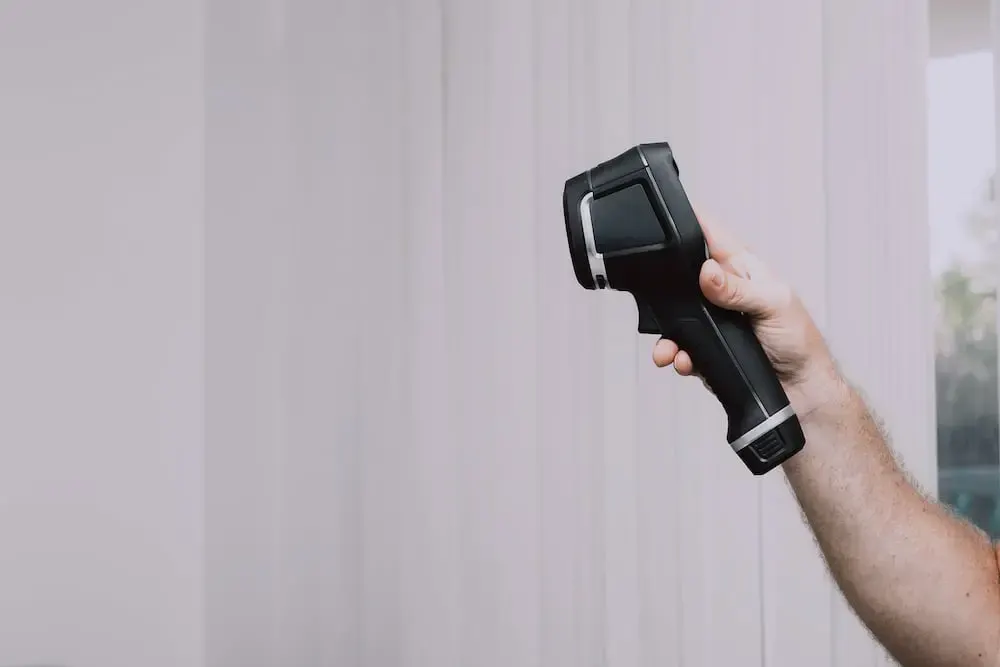
Where appropriate, your inspector may use a thermal imaging camera and a moisture meter to check ceilings below suspect areas for damp that hasn't yet shown on the surface.
Drainage
Good drainage keeps water away from the footings, the subfloor and the walls. The inspection looks at:
- downpipes and whether they connect to stormwater or discharge beside the house
- the fall of paths, paving and garden beds, and whether water runs towards or away from the walls
- ponding, soil erosion and water stains around the base of walls
- weep holes and subfloor vents that have been covered by garden beds or paving
- damp soil and timber in the subfloor
Drainage findings matter because water around the house feeds movement in the footings, rising damp, mould and timber pests. The fixes are often simple, such as connecting a downpipe or regrading a garden bed.
Termites
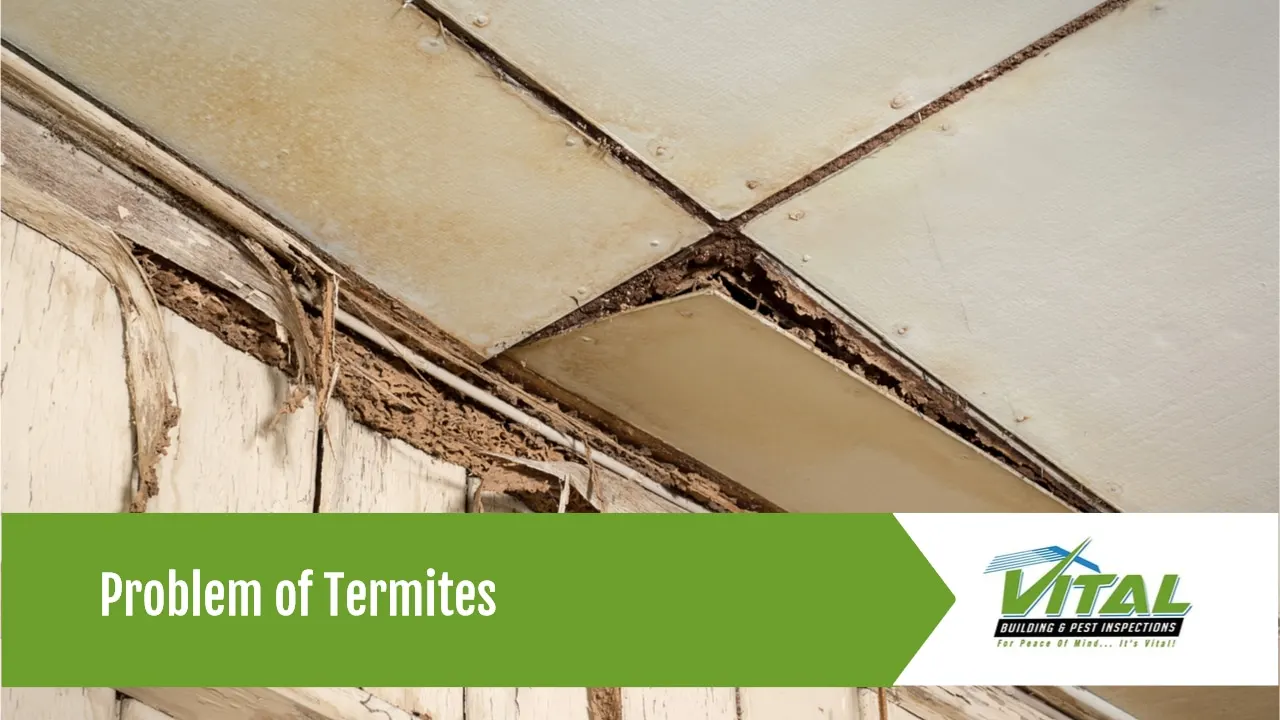
Termites are active across Sydney, and they work inside timber, often out of sight. The NSW Government notes that a building report shows visible termite damage but not active termites, and recommends a separate pest inspection, so a combined building and pest inspection is the usual choice when you're buying.
A timber pest inspection checks for termites, borers and wood decay, and for the conditions that attract them, such as leaks, timber in contact with soil and garden beds against the slab. Where appropriate, your inspector may use a Termatrac T3i to check for termite movement behind walls and inside timber without drilling, and the report notes any evidence of past treatment. The Australian Standard for termite management, AS 3660.2, recommends a timber pest inspection at least once a year after that.
Mould and rotten wood
Mould and rotten timber both point to moisture that has been sitting too long. NSW Health's mould fact sheet explains that mould needs moisture and nutrients to grow, and that it tends to appear in damp, poorly ventilated spots.
The inspection looks for:
- mould on ceilings, walls and around windows, especially in bathrooms, laundries and wardrobes
- leaking showers, with damp walls, loose tiles and swollen skirting nearby
- fungal decay in decks, pergolas, window sills, fascias and subfloor timbers
- poor ventilation in wet areas and the subfloor
The report traces each finding back to its likely moisture source, so the fix addresses the cause. Peter's guide to why houses have mould covers the causes in more detail.
Safety hazards
The report also records safety items, which the NSW Government includes among the significant items needing repair. Common examples are:
- loose, low or widely spaced balustrades on balconies, decks and stairs
- uneven steps, missing handrails and trip hazards on paths and driveways
- damaged glass and unstable retaining walls
- visible materials that may contain asbestos, which you can ask the inspector to note
You can also ask about smoke alarms and safety switches. Fire and Rescue NSW explains that NSW law requires at least 1 working smoke alarm on every level of a home, and the NSW Government recommends having safety switches on all circuits, installed by a licensed electrician.
Renovations and additions
A building inspection records the condition of the renovations, extensions and outbuildings it can see. The NSW Government notes that a report isn't a certificate of compliance, so where work looks recent or extensive, your conveyancer checks the approvals and certificates with the seller and the council.
Where specialists take over
A building inspection is visual and covers the accessible areas. The NSW Government lists electrical wiring, plumbing and gasfitting as outside a standard building inspection, along with air conditioning, pools and appliances, so licensed trades assess those systems. The report recommends the right specialist for each finding that needs one, such as a structural engineer, a licensed electrician or plumber, or a licensed asbestos assessor, and it lists any areas that couldn't be inspected and why.
Using what the inspection reveals
With the report in hand, you can negotiate repairs or a price adjustment, plan the work into your budget, or decide the property isn't the one for you. Peter's guide to what to do after a building inspection takes you through each step, and the sample report shows how the findings are set out.
Vital's owner, Peter Ezeigwe, holds a Certificate IV in Building and Construction and a Diploma of Building and Construction, and has a background in building restoration and disaster assessment. Every inspection is carried out in-house by Vital's own experienced inspectors, with no subcontractors, so the business that inspects the property also prepares your report. You're encouraged to attend the inspection, meet your inspector and ask questions on site. Your inspector walks you through the findings and answers your questions about the report.
If you're buying, a pre-purchase building and pest inspection covers all 6 issues in 1 visit. You can send a booking request with the address, and there are more guides on inspections on the guides page.
Frequently asked questions
What can a building inspection reveal?
It reveals the condition of the building's accessible areas: cracking and movement in the structure, the roof covering and roof space, drainage and damp, timber damage and decay, mould, and safety hazards such as loose balustrades. Each finding is recorded with its location, a photo and a recommendation, with the major defects listed first.
Can a building inspection find termites?
The NSW Government notes that a building report shows visible termite damage but not active termites, and recommends a separate pest inspection. A combined building and pest inspection covers both in 1 visit, checking for termites, borers and wood decay to the Australian Standard for timber pest inspections.
Does a building inspection show whether renovations were approved?
A building inspection records the condition of the renovations and additions it can see, and the report can note work that's worth checking. The NSW Government notes that a report isn't a certificate of compliance, so your conveyancer checks the approvals and certificates for the work with the seller and the council.
Does a building inspection check the electrics and plumbing?
The NSW Government lists electrical wiring, plumbing and gasfitting as outside a standard building inspection, so a licensed electrician and plumber assess those systems. The inspector notes the visible signs, such as leaks, water stains and an old switchboard, and recommends the right trade to follow up.