Guides
Why Regular Building Inspections Will Protect Your Investment
An investment property inspection is a building inspection of a property you own, often a rental, that records its condition and lists the defects and maintenance it needs. Booked between tenants, after major storms or before planned work, with a yearly timber pest inspection, it finds leaks, termites and wear while they're small, keeps the property safe for tenants and protects its value.
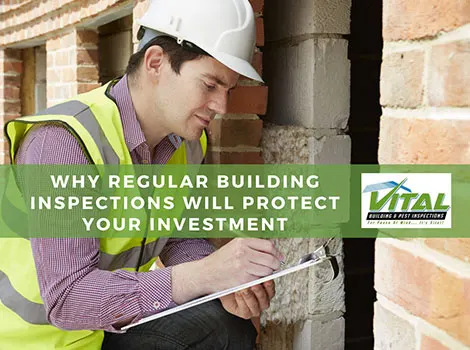
An investment property inspection is a building inspection of a property you own, often a rental, that records its condition and lists the defects and maintenance it needs. Booked between tenants, after a major storm or before planned work, alongside a timber pest inspection at least once a year as AS 3660.2 recommends, it finds leaks, termite activity and wear while they're small and simple to fix, keeps the property safe for your tenants and protects the value of your investment.
What an investment property inspection covers
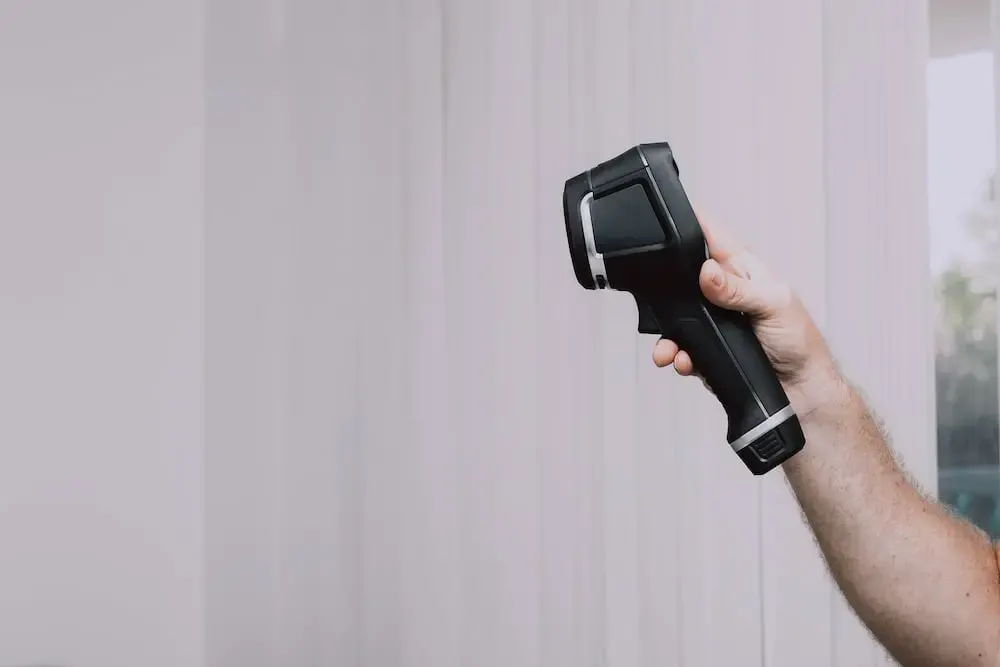
Your property manager's routine inspections check how the property is being looked after during the tenancy. An investment property inspection looks at the building itself. Your inspector works through the interior, the roof space, the subfloor, the exterior and the site, and, where appropriate, uses a moisture meter and a thermal imaging camera to help trace damp behind surfaces. The report groups findings into major defects, minor defects and safety hazards, with photos, locations and a recommendation for each.
Most inspections focus on 3 areas: the structure, timber pests and the home's other systems.
The overall condition of the structure
The structure is where small changes turn into large repairs. A thorough inspection looks at:
- the roof: tiles or sheeting, flashings, gutters, downpipes and the framing in the roof space
- the walls: cracking in brickwork and plaster, and signs of movement in footings
- the subfloor: piers, bearers and joists, ventilation, and damp or decayed timber
- outdoor structures: decks, stairs, balconies and balustrades, where decay and loose fixings affect safety
- the site: drainage, paving that falls towards the house, and retaining walls
The NSW Government's page on minimum standards for rental properties lists 7 standards a rental must meet, starting with being structurally sound, and notes that the standards must be maintained throughout the tenancy. A building inspection reports on condition, which gives you a clear picture of the structure. Your property manager or a lawyer can advise on how the standards apply to your property.
Whether pests are a concern to timber structures
Termites eat timber from the inside, so floors, wall frames and roof timbers can look sound while they're damaged. The Australian Museum's page on termites explains that subterranean termites become pests where they find a constant water source, so a slow leak in a rental can draw them in before anyone notices.
A timber pest inspection to AS 4349.3 checks for termites, borers and timber decay, along with the conditions that attract them. Where appropriate, your inspector may use a Termatrac T3i to help check for termite movement inside walls. The Australian Standard for termite management, AS 3660.2, recommends a timber pest inspection at least once a year, and more often where termites are active nearby.
The health of other systems
The rest of the minimum standards cover the systems tenants use every day: lighting, ventilation, electricity or gas supply, plumbing and drainage, hot and cold water, and bathroom facilities. An inspection looks at the visible condition of these areas:
- wet areas: showers, baths and laundries, tested with a moisture meter for leaks behind tiles
- ventilation: exhaust fans that vent outside, and subfloor vents kept clear
- drainage: gutters, downpipes and stormwater, so water flows away from the building
- smoke alarms: present on each level and in working order
The NSW Government's page on smoke alarms in a rental property explains that landlords must check smoke alarms every year, install or replace removable batteries every year, replace alarms within 10 years of manufacture, and repair or replace an alarm within 2 business days of finding out it's not working.
A building inspection is visual, so electrical wiring, plumbing, gasfitting and air conditioning are checked by the licensed trade for each. Where your inspector sees a visible sign that a system needs attention, the report names the specialist to call.
How regular inspections protect your investment
- Smaller repairs. The US Environmental Protection Agency's guide to mould and moisture notes that damp materials dried within 24 to 48 hours usually won't grow mould. Finding a leak early keeps the repair to a plumber, rather than a builder replacing timber and plaster.
- A planned budget. The NSW Government's page on landlord responsibilities for repairs explains that landlords maintain the property in a reasonable state of repair, considering its age, the rent and its prospective life. A prioritised report lets you plan that work across the year.
- Clear records. The ATO's guide to repair and maintenance expenses explains that repairs for wear and tear while the property is rented can be claimed, while initial repairs for defects that existed when you bought it are capital in nature. A dated report records condition at a point in time. Peter isn't a tax adviser, so ask your accountant how this applies to you.
- Long-term value. A well-maintained property presents better to tenants and buyers, and a file of inspection reports shows how it has been looked after.
When to book an inspection
- Before you buy: a pre-purchase building and pest inspection shows the repairs an investment property needs before you commit.
- Between tenancies: the property is empty, so every room, cupboard and access hatch is easy to reach.
- Before planned work: a maintenance inspection for the building, with a timber pest inspection at least once a year, as AS 3660.2 recommends.
- After major storms: to check the roof, gutters and ceilings for new leaks.
During a tenancy, your property manager arranges access. The NSW Government's page on notice periods for access explains that a landlord's inspection needs at least 7 days' written notice each time, up to 4 times in a 12 month period.
Looking for the right professional to inspect your investment property?
Vital's owner, Peter Ezeigwe, holds a Certificate IV in Building and Construction and a Diploma of Building and Construction, and he has a background in building restoration and disaster assessment, so Vital's reports explain how each defect is repaired as well as where it is. For a property with known issues, a building defects report records each defect, its likely cause and the next step. The sample report shows the layout.
Every inspection is carried out in-house by Vital's own experienced inspectors, with no subcontractors. You're encouraged to attend the inspection, meet your inspector and ask questions on site. Your inspector walks you through the findings and answers your questions about the report. There are more guides for owners and investors on the guides page.
Frequently asked questions
What is an investment property inspection?
It's a building inspection of a property you own as an investment, usually a rental, to record its condition and list the repairs and maintenance it needs. The report sorts findings into major defects, minor defects and safety hazards, with photos and a recommendation for each, so you can fix the important items first and plan the rest into your budget.
How often should I inspect my investment property?
For timber pests, the Australian Standard for termite management, AS 3660.2, recommends an inspection at least once a year. For the building itself, book an inspection when the property changes hands between tenants, after a major storm or before planned work. Between tenancies is a practical time, because the property is empty and every room, cupboard and access hatch is easy to reach.
How is a building inspection different from a property manager's routine inspection?
A property manager's routine inspection checks how the property is being looked after during the tenancy. A building inspection looks at the condition of the building itself: the roof space, subfloor, structure, wet areas and site, with a moisture meter and thermal camera to find hidden damp. The 2 work well together, and your property manager can arrange access.
What are a landlord's smoke alarm obligations in NSW?
The NSW Government explains that landlords must check smoke alarms every year to make sure they're working, install or replace removable batteries every year, replace smoke alarms within 10 years of manufacture, and repair or replace an alarm within 2 business days of finding out it's not working. Your property manager can confirm the details for your property.
Are repairs on a rental property tax deductible?
The ATO explains that repairs for wear and tear or damage that happens while the property is rented can be claimed, while initial repairs for defects that existed when you bought it are capital in nature. A dated inspection report records the condition at a point in time. Peter isn't a tax adviser, so ask your accountant how this applies to you.