
Guides
The most common defects a Sydney building inspector finds before you buy
The defects a building inspector in Sydney finds most often are roof and drainage leaks, damp and wet-area leaks, cracking from ground movement, poor subfloor ventilation and termite damage. Peter Ezeigwe explains what each one means for your purchase, so you can buy, negotiate or plan repairs with the facts in hand.
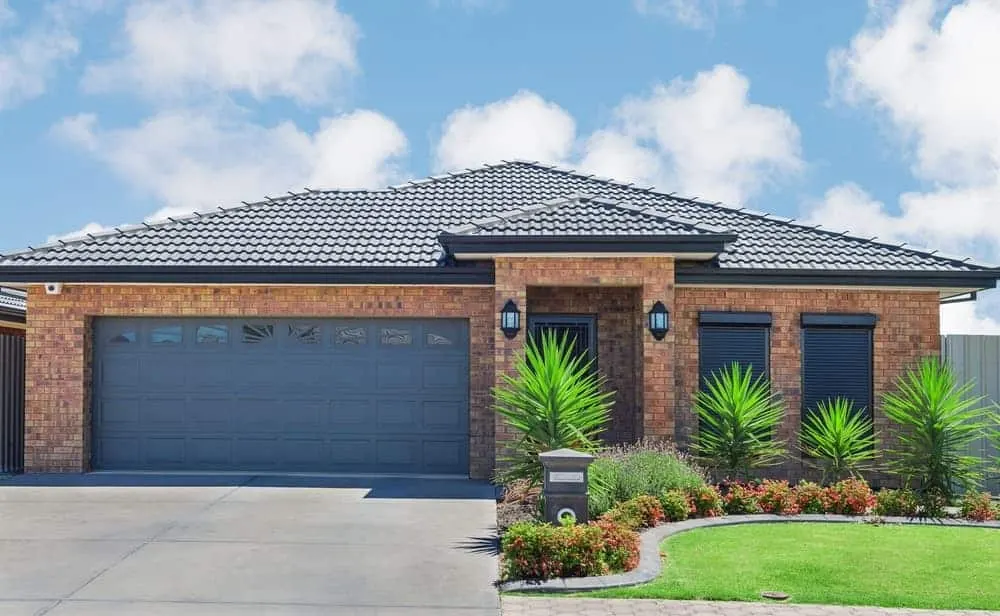
The most common defects a building inspector in Sydney finds before you buy are roof leaks and blocked drainage, rising damp and leaking wet areas, cracking in brickwork and footings, poor subfloor ventilation and termite damage. Knowing these 5 helps you look past the fresh paint and staging at an open home and focus on what matters for the long-term health and safety of the property.
This guide comes from Peter Ezeigwe, Vital's owner, who has a background in building restoration and disaster assessment. Vital carries out every building and pest inspection in-house, to AS 4349.1-2007 for the building and AS 4349.3 for timber pests, and each report tells you what usually causes a defect and what the fix involves as well as where it is. If you're ready to book, Vital's pre-purchase building and pest inspection covers everything below, and the page on building inspections across Sydney shows the areas covered.
The most common defects in Sydney homes
Understanding the common defects is about making a confident, well-informed purchase. A thorough building inspection is your map of the home: it identifies issues early, while you can still negotiate, plan repairs or change your mind. A building inspector in Sydney sees the same defects again and again, for 3 reasons.
Building ages and materials
Sydney is a city of architectural contrasts. You can find Victorian terraces, Federation cottages, mid-century brick veneer homes and new builds, sometimes all on the same street. Each era brought its own building methods and materials, from double brick and sandstone to timber frames and modern cladding.
In areas with a wide mix of homes, such as north-west Sydney and Ryde, that variety shows up as a wide range of findings. Older homes tend to show ageing footings, worn roofs and older plumbing, while newer builds are where your inspector checks workmanship, waterproofing and finishing most closely. The guides to Sydney's historic homes and to new construction and older buildings go into each in more detail.
Sydney's climate
Sydney's humidity, especially through summer, gives mould and damp ideal conditions. Heavy downpours test roofs, gutters and waterproofing all at once, and that's often when a weak point shows itself. Changes in temperature make timber, brick and concrete expand and contract, which over time can open up cracks. Together these make rising damp and subfloor moisture some of the most common findings in Sydney homes.
Ground and location
Homes near the coast, including the eastern suburbs, are exposed to salt air, which speeds up corrosion of metal roofing, window frames and structural steel. Further inland, in parts of western Sydney such as Fairfield and Liverpool, many homes are built on reactive clay soils that swell when wet and shrink as they dry. That movement can crack brickwork and footings. Homes on sloping blocks or in low-lying spots have their own drainage needs, from water pooling against the walls to pressure on retaining walls. Around Penrith, soil movement and drainage are among the findings Vital notes most often on its building inspections in Penrith.
A thorough building inspector in Sydney checks each of the areas below closely, because together they cover most of what a typical report finds.
Roofs, gutters and drainage
A sound roof is a home's first defence against the weather. In Sydney, roof leaks usually start at cracked or slipped tiles, rusted metal sheeting, or worn flashing around chimneys, skylights and vents. Roofs also take storm damage and general wear, and weakened framing or deteriorated flashing can go unnoticed until water shows on a ceiling.
Drainage works alongside the roof. Blocked gutters and downpipes let water overflow and find its way in, and poor surface drainage lets it pool against the walls and under the floor. The signs your inspector looks for include:
- water stains on ceilings, and mould patches in upper corners of rooms
- damp timber or staining in the roof space after rain
- rusted or overflowing gutters, and downpipes that discharge onto the ground beside the house
- ground that falls towards the home rather than away from it
The report shows you where the water is coming from, so the repair goes to the cause. A finding can range from a few replacement tiles to a roof that's near the end of its life, which is exactly what you want to know before you exchange. The guide to the signs of poor drainage covers what to look for yourself at an open home.
Moisture and wet areas
Moisture sits behind more Sydney defects than anything else, and most of it can't be seen from the middle of a room.
Rising damp
Rising damp happens when groundwater moves up through the porous materials in a wall, such as brick and mortar. It's common in older Sydney homes where the damp-proof course has broken down or was left out when the home was built, and it can also affect newer homes with poor ventilation or drainage. The signs are usually clear once you know them:
- peeling or bubbling paint, often with a tide-mark stain low on the wall
- a musty smell, especially in closed rooms
- mould, damp patches or crumbling plaster
Left in place, damp leads to timber rot and attracts timber pests, so it's worth knowing about early. Your report tells you what's likely causing it and what putting it right usually involves, from a new damp-proof course to better drainage.
Leaking wet areas
Bathrooms, ensuites and laundries are where hidden leaks start: a worn or broken waterproofing membrane under a shower, cracked grout, or a slow leak from pipework behind the tiles. Your inspector follows up anything of note with a moisture meter and a thermal imaging camera, which help trace damp behind a wall or under a shower without opening anything up. The guide to identifying leaks in wet areas explains the signs.
Hidden mould
Mould grows in damp, poorly ventilated spaces such as behind walls, under floors and in roof spaces, and it can stay out of sight for a long time. It usually traces back to a leak, rising damp or poor drainage, so finding the moisture source is the key to clearing it for good. Vital's owner, Peter Ezeigwe, holds ITI and Restoration Sciences Academy training in microbial remediation, mould, water and flood damage, and fire and smoke damage, and his guide to where mould hides in your home explains the places your inspector checks.
Subfloor ventilation
The space under the house matters as much as the rooms above it. Poor subfloor ventilation traps moisture, which leads to rot in bearers and joists, mould, and conditions termites like. It's common in older homes with tight subfloors, including many in the inner west, and in suburbs such as Blacktown where homes of different ages and layouts sit close together. Better ventilation can be as simple as clearing or adding vents, or fitting fans where airflow is very low.

Structural cracking
Seeing a crack in a wall can be unsettling, and the first question is always whether it matters. Many fine hairline cracks are simply the home settling or plaster moving with the seasons. Wider, stepped or jagged cracks, doors and windows that have started to stick, and cracks that reappear after patching point to movement worth a closer look.
The usual causes in Sydney are:
- ground movement, especially on reactive clay soils
- tree roots close to the footings
- poor drainage softening the ground under part of the home
- lintels above windows and doors that have rusted or sagged
- the way the home was built in the first place
Cracked footings and sagging rooflines are among the findings that affect a home's long-term stability, so your inspector records where each crack is, how wide it is and what's likely causing it. That's what lets you tell a cosmetic crack from one that needs a structural engineer. The guide on when to be worried about a crack shows how to read the common types.
Termites and timber pests
Termites, often called white ants, are the timber pest Sydney homes see most, especially homes with timber framing, timber floors or timber in contact with the ground. They work out of sight, which is why a timber pest inspection looks closely at the signs you can't see from the surface.
The timber pest part of a combined inspection, to AS 4349.3, looks for live termites, past activity and damage, and the conditions that attract them, such as damp areas, leaking pipes, timber touching the soil and garden beds built up against the walls. Your inspector taps and sounds timber for hollowing, uses a thermal imaging camera, and checks for movement behind walls with a Termatrac T3i, without drilling or cutting. If the report finds termites, it tells you what's there and the recommended next step, so a licensed pest technician can treat them and you can plan any timber repairs. The termite inspections page explains the check in full.
What to do with the findings
A long list of findings can feel like a lot at first. Almost every home has some defects, so the aim is a clear understanding of the home you're buying, with every finding in its place.
The report sorts every finding into 1 of 3 groups, so you can see what needs attention first:
- Minor defects are cosmetic or straightforward to fix, such as a dripping tap, a sticking door, chipped paint or a cracked tile that isn't letting water in. They add up, and they leave the safety and structure of the home intact.
- Major defects need repair to keep the home safe, usable and from deteriorating further. They include significant wall movement, active termites, roof leaks, widespread damp and building work done without approval.
- Safety hazards are anything that could harm the people living in the home, listed separately so they stand out.
Your report also includes photos of each finding, recommendations for repairs or further investigation, and a note of the areas within reach on the day. You can see the layout in the sample report.
With the report in hand, you can:
- Ask your inspector about anything you're unsure of. Your inspector walks you through the findings and answers your questions about the report.
- Get quotes from licensed trades for the major defects, so you know what they'll cost before you commit.
- Talk to your conveyancer about using the findings to negotiate on price or ask the vendor for repairs. The guide to negotiating repairs with the seller explains how buyers usually go about it.
- Plan your first years of maintenance around the minor defects, starting with anything that lets water in.
Peter was excellent in communicating what was included in his service. He was very thorough during the inspection process of our home and pointed out major and minor defects. His report was very informative with pictures and details. We highly recommend his service, you know what to expect from him at the very start. Highly recommend his service.
The guide to what to do after receiving your building inspection report covers each step in more detail.
Book a building inspection
A building inspection turns uncertainty into understanding, with a clear, factual record of the home's condition before you sign. Vital is based in Stanhope Gardens and inspects homes across Sydney, and you're welcome to attend and walk through the findings with your inspector on the day.
Frequently asked questions
What does a building inspector in Sydney look for?
Your inspector checks the inside and outside of the home, the roof and roof space, the subfloor and the site around the home, to the Australian Standard for pre-purchase building inspections. The inspection looks most closely at the defects Sydney homes show most often: roof and drainage leaks, damp and wet-area leaks, cracking, subfloor ventilation and timber pest damage. The full list is in what's covered in a pre-purchase building inspection.
How long does a building inspection take?
It depends on the size of the home, how it's built, whether you've booked a combined building and pest inspection, and how much of the roof space and subfloor your inspector can reach. A home with extensions or visible signs of water or movement takes longer, because your inspector follows each one up. Vital gives you an idea of timing when you book, so you can plan to be there.
Can I be there for the building inspection?
Yes. You're welcome to attend, meet your inspector and ask questions on site. You also get a walk-through of the findings once your report is ready, so you know what each item means for the home.
Is every defect in the report a reason to walk away?
No. Almost every home has some defects, and most are minor maintenance items. The report sorts findings into major defects, minor defects and safety hazards, so you can see which ones matter for your decision. Many buyers use the major items to negotiate on price or ask for repairs, with advice from their conveyancer.
What's the difference between a major and a minor defect?
Under the Australian Standard, a major defect needs repair to keep the home safe, usable and from deteriorating further, and includes structural defects. A minor defect is everything else that needs fixing or maintaining. Safety hazards are listed separately, so you can find them at a glance.
Does a building inspection check for termites?
The termite check is part of a timber pest inspection. Most buyers book a combined building and pest inspection, which covers both in 1 visit and 1 report. The termite inspections page explains what that part covers.