
Guides
Frequently Asked Questions about Building Inspections
These answers to common building inspection questions cover what to expect, when to book, how long the inspection takes, when the report arrives and whether you should be there.
These answers to the most common building inspection questions cover what to expect on the day, why an inspection is worth booking, when to book it, when the report arrives, and what happens if a building inspector missed something.
No matter how you’re dealing with the real estate market, you need to be informed about the true condition of the properties you’re considering. Building inspections give you a clear picture of a property’s condition and of the repairs or maintenance it needs before you make your next decision. Inspection reports also help in planning renovations and maintenance.
Peter at Vital Building and Pest Inspections has compiled a list of the most frequently asked questions about building inspections, including details on the process, benefits, and costs.
Building inspection questions at a glance
- A building inspection is a visual survey of the property’s condition, including any structural defects or potential hazards, carried out to AS 4349.1-2007.
- The report helps you negotiate, plan repairs and maintenance, and decide with confidence.
- Book before you set a sale price, before you exchange on a purchase, or during the cooling-off period.
- The roof space and subfloor are included wherever there’s safe and reasonable access.
- You’re welcome to attend, and your inspector answers questions after the report arrives too.
- If a defect was missed, re-read the report’s scope, contact the inspector in writing, and get legal advice if it stays unresolved.
What should you expect from a building inspection?
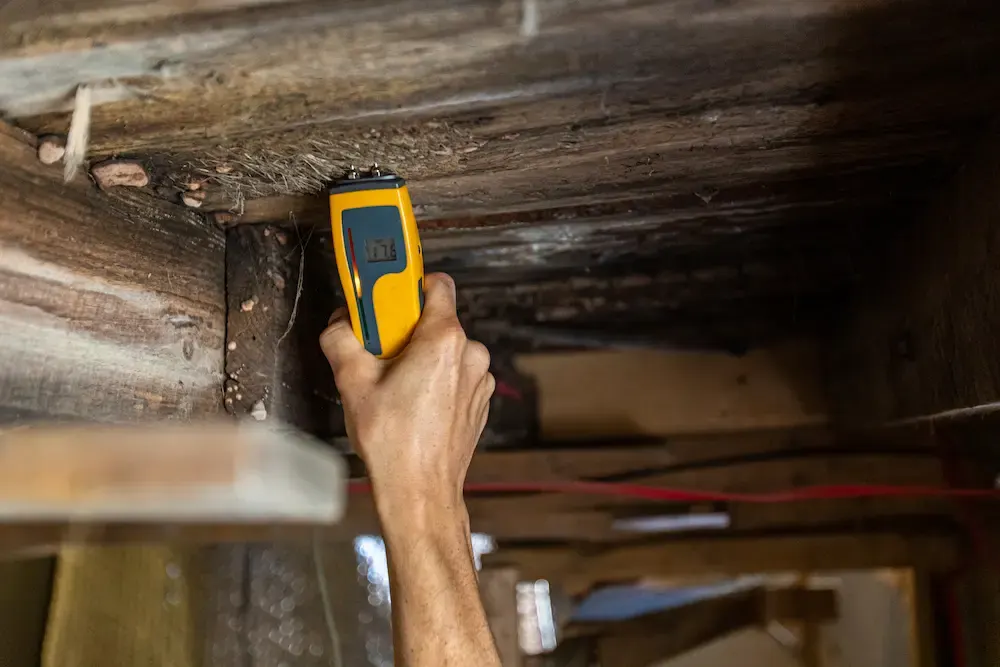
A building inspection involves the inspector visually surveying and characterising the property, including any structural defects or potential hazards. Tools like a thermal imaging camera and a moisture meter are used to assess the condition of the home or building more fully.
After the inspection, you can expect an inspection report to AS 4349.1-2007 from Vital by email. This report will have the information you need to make a wise real estate decision, from purchase to renovation.
Why should I get a building inspection?
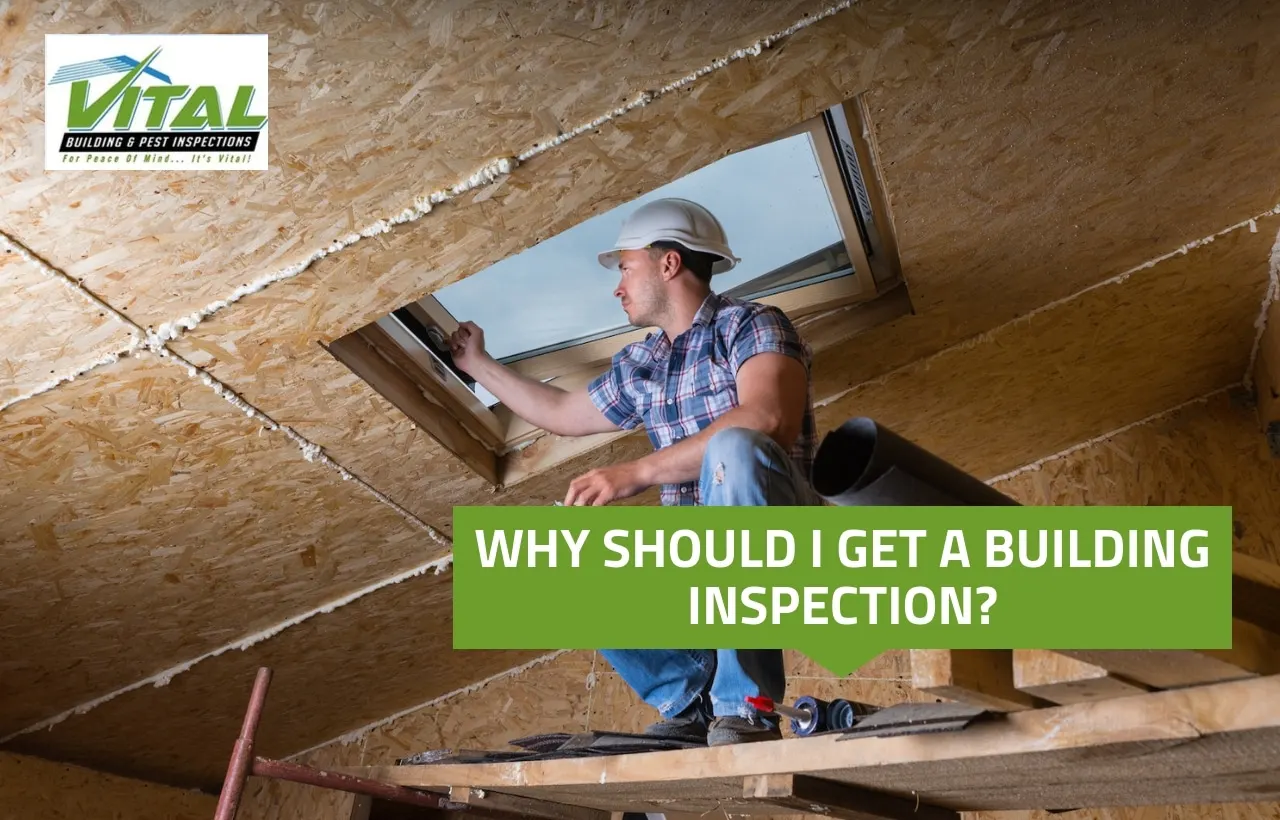
A building inspection report gives you the details you need to understand a property’s condition before you commit. It guides homeowners and property managers on the appropriate steps to take when it comes to repairing defects and maintenance. It also protects you from the consequences of defects that you may not have noticed personally.
Repairing a roof without having it inspected is possible. With a full report on what repairs are really needed, though, you can get accurate quotes and pay only for the work the roof actually needs.
When is the right time for a building inspection?
If you want to put your property up for sale or rent, it’s best to have the building inspected before setting a price. The findings of an inspection report can influence the value of your property offer, and Vital’s pre-listing inspection is built for exactly that.
However, building inspections can also be stipulated within a contract, in which case the date is already set as part of the transaction. If you’re buying, book the inspection before you exchange contracts, or during the cooling-off period on a private sale.
How long does a building inspection take?
Building inspections can be done thoroughly and with little inconvenience to you. The time depends on the property’s size, age and access, so Vital confirms how long your inspection will take when you book.
Inspections may take longer with bigger properties, but Vital is committed to working as efficiently as possible. Other factors which may influence the length of inspection include the age of the property and the number of issues found.
When can I expect the building inspection report?
The building inspection report is sent to you as a PDF file, and Vital confirms when it will be ready at the time you book.
How do I arrange for a building inspection?
To secure an appointment, it’s best to arrange an inspection days or weeks before you need it. You can book online or call Vital, and ask about the soonest time available if your timeline is short.
Vital can arrange access to the property with the real estate or selling agent.
Should I be there during the building inspection?
Your presence isn’t necessary for the building inspection, but it’s highly recommended so that the building inspector can explain any findings or the process in person. The inspector will also need access to the building.
After the inspection, you can talk to your inspector about specific issues or questions regarding future maintenance, repair or renovation work. If you’re planning to attend, let Vital know so there's enough time set aside for questions. You're encouraged to attend the inspection, meet your inspector and ask questions on site.
The selling agent is usually there to give access, and you're welcome to attend too.
Is the roof space included in a building inspection?
Yes, the roof space is included in a standard building inspection. The roof space is often where leaks and pest activity show first, so it’s a part of the house buyers ask about most.
However, please keep in mind that some roof spaces and air conditioning ducts are designed to have little space, making it difficult to create a full visual inspection.
Is the sub-floor space included in a building inspection?
Yes, the sub-floor space is included in the inspection as long as there’s easy and unimpeded access for the inspector (for example, a hinged access door). Standard inspections leave the floorboards in place, without removing and replacing them.
Can I also ask for a pest inspection?
Yes. Vital provides pest inspections to AS 4349.3 on request, either combined with a building inspection or on their own, and your inspector may use a Termatrac T3i to check for termite activity.
Can I contact the building inspector after the inspection?
After receiving the report, you may have some questions. Vital is happy to provide assistance and clarifications. Your inspector walks you through the findings and answers your questions about the report.
How much is a building inspection?
The cost of a building inspection depends on the size, location, and age of the property. Vital offers no obligation quotes, and its current prices are on the prices page.
Are there standards for building and pest inspections?
Yes. Vital inspects buildings to Australian Standard AS 4349.1-2007 and timber pests to AS 4349.3.
For example, these standards state that a written report should be provided along with the inspection.
Is there insurance for building inspection?
Yes. Professional inspection companies carry insurance, and it’s worth asking any inspector what cover they hold at the time of inspection.
In the event that a structural defect or major defect was missed by inspectors, you may be able to claim for repairs through the inspection company or its insurer. Peter isn’t a lawyer or an insurer, so if you think something was missed, re-read the report’s scope and limitations, raise it with the inspector in writing, and ask a solicitor about your options.
Insurance is also 1 of the reasons why it’s important to rely on a building inspector instead of a non-professional contact. For example, even if you have a friend who is a licensed builder or who has experience in construction, an inspector’s insurance coverage gives the advice in their report real backing.
What are the qualifications of a reliable building inspector?
Inspectors should know the ins and outs of constructing and maintaining property. Vital's owner, Peter Ezeigwe, holds a Certificate IV in Building and Construction and a Diploma of Building and Construction, is a Housing Industry Association (HIA) member, and has ITI and Restoration Sciences Academy training in microbial remediation, mould, water and flood damage, and fire and smoke damage. Expert inspectors undergo technical training classes.
Where can you go to have your building inspected?
If you want peace of mind, choose a reliable, expert building inspector you can trust. Every inspection is carried out in-house by Vital's own experienced inspectors, with no subcontractors. Vital's owner, Peter Ezeigwe, has a background in building restoration and disaster assessment and holds a Diploma of Building and Construction, and your inspector walks you through the findings so you know exactly where the property stands.
Vital provides inspections for pre-purchase, pre-listing, new home, asbestos, strata, rental, property conditions, rental safety, dilapidation reports, and more.
Book online or call Vital now at 0401 012 074.
Frequently asked questions
What if a building inspector missed something?
Start by re-reading the report, including its scope and limitations, to check whether the defect was visible and accessible on the day. Then contact the inspector in writing with photos and ask them to come back and look. Peter isn't a lawyer, so if it stays unresolved, ask a solicitor about your options, including a claim on the inspector's insurance.
What questions should you ask a building inspector?
Ask what the inspection covers and leaves out, which Australian Standard it follows, whether the roof space and subfloor will be inspected, what tools they use, when the report arrives, whether you can attend, and what insurance they carry. The sample report shows how Vital sets out the findings.
Does a building inspection include a valuation?
A building inspection reports on the property's condition: defects, safety hazards and maintenance items. It doesn't set a price. For a market value, use a registered valuer or your agent's appraisal, and use the inspection report alongside it to understand what repairs the price needs to allow for.
What isn't covered in a building inspection?
A building inspection is visual, so it leaves out timber pests (covered by a separate pest inspection), testing of electrical, plumbing and gas, appliances, and areas without safe and reasonable access, such as behind wall linings or under fixed floor coverings. The report lists the areas it couldn't inspect, so you know where a specialist might help.
Can you use a building inspection report to negotiate the price?
Yes. The report gives you a written record of each defect, and quotes from licensed trades put a figure on the repairs. Together they support a request for a lower price or for the seller to fix items before settlement. Your inspector walks you through the findings, so you know which ones matter most.