
Inspection services
Mould inspections and reports
A mould inspection looks at the mould in your home and the moisture likely to be feeding it, so you know what to fix and how to keep it from coming back. Every mould inspection is carried out in-house by Vital's own experienced inspectors, with a moisture meter or a thermal imaging camera where appropriate.
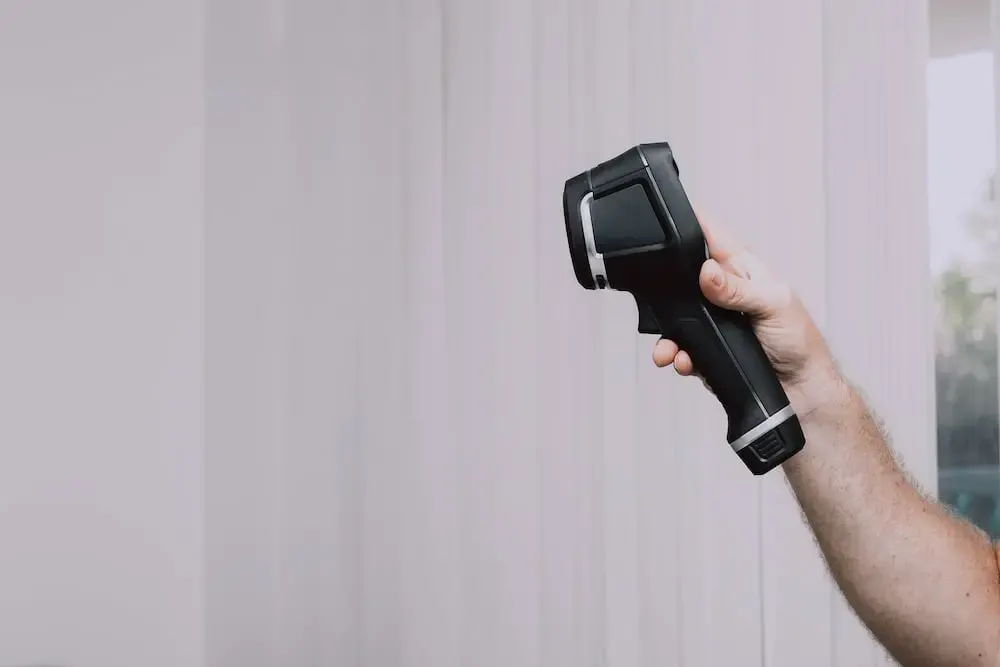
A mould inspection tells you where the mould in your home is, how far it has spread and what moisture is feeding it. Every inspection is carried out in-house by Vital's own experienced inspectors, with no subcontractors, and where appropriate, your inspector may use a moisture detector or a thermal imaging camera to help assess the damp around it. Vital's owner, Peter Ezeigwe, has a background in building restoration and disaster assessment, along with ITI and Restoration Sciences Academy training in microbial remediation, mould, water and flood damage, and fire and smoke damage, and that background shapes how Vital reads mould, as a sign of where water is getting in or sitting too long.
Mould inspections for Sydney homes
Mould grows wherever moisture stays long enough, and Sydney's humid summers and cool, damp winters give it plenty of chances. It usually shows up in the same places:
- bathrooms, ensuites and laundries, especially ceilings and the grout and silicone around showers
- behind wardrobes and furniture on outside walls, where the air barely moves
- ceilings below roof leaks, around skylights and under overflowing gutters
- subfloors with low ventilation or damp soil
- window frames and sills where condensation collects in winter
You might be booking because you've seen black spots on a ceiling, noticed a musty smell, or because a home you're buying has had water through it. If you've noticed mould in house ceilings or walls, that guide shows where it hides and what it does to a home over time.
What a mould inspection includes
- The service: Mould inspection with moisture and thermal readings, carried out on site by your Vital inspector.
- The rooms you'd like checked, plus the areas around them, including the roof space and subfloor where they can be safely reached.
- Where the mould is growing and how far it has spread.
- Moisture readings or thermal images where appropriate, to help assess signs of damp.
- The likely moisture source, as far as the accessible areas and any readings show.
- Photos of each finding for your report.
Tracing the likely moisture source
Every patch of mould has a moisture source behind it, and fixing that source is what lets you clear the mould for good. These are the sources your inspector looks for:
- Leaks: a shower recess whose waterproofing has worn with age, a dripping pipe inside a wall, or a roof, flashing or gutter letting water in during rain.
- Rising damp: ground moisture rising up a brick or stone wall, often helped along by a damp subfloor with little ventilation.
- Lateral damp: water moving sideways through a wall from garden beds, paths or soil built up against the house.
- Condensation: warm, moist air from showers, cooking and drying clothes settling on cool walls, ceilings and windows.
- Ventilation: bathrooms and kitchens without an exhaust fan, fans that vent into the roof space, and rooms that get little sunlight or airflow.
- Past water damage: a flood, burst pipe or storm leak that wasn't fully dried out.
Weep holes and air vents at the base of the home let walls and subfloors dry out, so they're part of the check too.
Thermal imaging and moisture meters
Moisture inside a wall or ceiling often shows little on the surface until the paint bubbles or mould appears. Where appropriate, your inspector may use supplementary equipment such as moisture meters, thermal imaging cameras or termite detection devices to help assess signs seen during the inspection, and on a mould inspection these 2 are the most common:
- Thermal imaging camera. It shows temperature differences across a surface. Damp areas often read cooler than the dry wall around them, so the camera can point the inspector to spots worth testing.
- Moisture meter. Held against plaster, timber or masonry, it reads how much moisture the material holds, which adds to what the thermal image suggests.
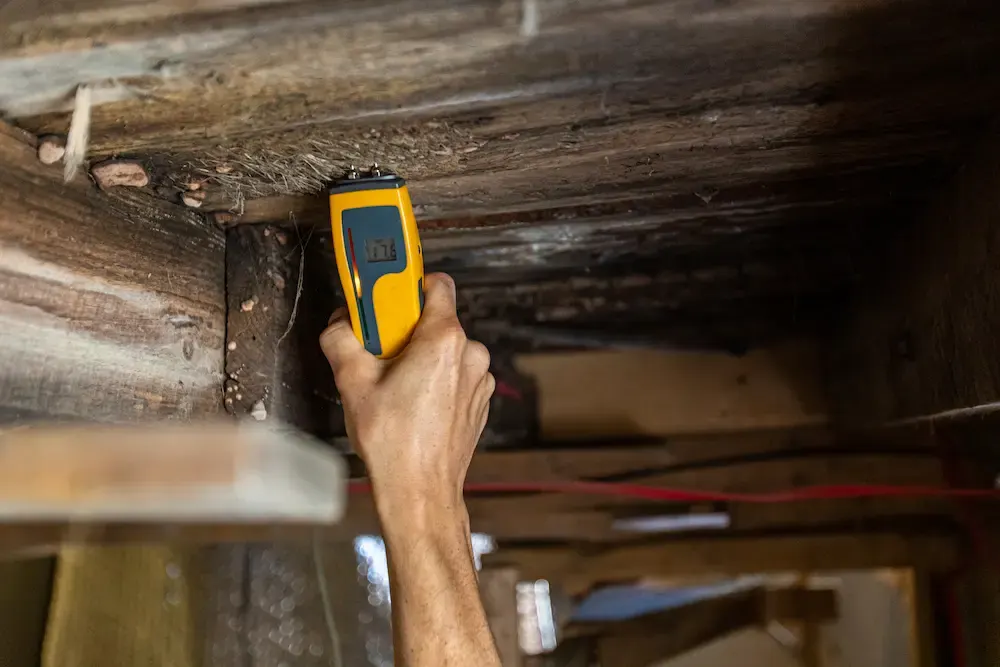
Used where appropriate, the 2 tools help the inspector assess the damp without cutting into a wall or lifting a floor, and what they show depends on the conditions on the day and the limits of each instrument. Readings that rise from the floor up a wall point to rising damp, while readings that spread out from a shower, a window or a ceiling corner usually point to a leak or condensation. That pattern is what tells you which trade to call.
Your report and next steps
Your written report sets out:
- where your inspector found mould, with photos
- any moisture readings and thermal images that helped the assessment
- the likely source of the moisture
- what Vital recommends next, and the kind of trade that usually handles it, such as a plumber, waterproofer or roofer
- simple day-to-day steps to keep moisture down
Vital confirms when your report will be ready at the time you book. Your inspector walks you through the findings and answers your questions about the report. You can see how findings are set out in the sample report.
Keeping your home dry after the inspection
Once the source is fixed, a few habits help keep your home dry:
- run the exhaust fan when you shower, bathe, cook or do the laundry, and leave it running for a while afterwards
- open windows when you can for a cross-breeze
- dry clothes outside or in a vented dryer, and go easy on indoor humidifiers
- keep weep holes and subfloor vents clear of soil, mulch and garden beds
- dry anything that gets wet in a leak quickly, and replace what can't be dried
Winter is when condensation peaks, so the guide to winter mould inspections in Sydney covers the season in more detail. If you're asking "is my house making me sick", the guide on sick house syndrome looks at how damp and mould affect the air inside a home. Vital's inspection covers the building, and your GP is the right person for any health questions.
Prices and booking
Every home is different, so Vital quotes each mould inspection for your home and what you've noticed, and the quote is free. Every inspection price is on the prices page.
If you've noticed damp, staining or a leak without any mould, a water damage inspection assesses those signs on their own. Mould inspections are 1 of Vital's building inspection services. If you're buying, a pre-purchase building and pest inspection also reports on the damp and moisture your inspector finds across the whole home. Answers to common booking questions are on the inspection questions page, and you can book an inspection online.
Despite the last minute booking request, Peter did not turn me down and made his time to attend our new place in Castle Hill to conduct building inspection. His post-inspection report was highly-detailed and he even provided verbal advice/suggestions on how to rectify certain issues.
I’ve already recommended Peter to my friends and colleagues, and we all equally agreed how helpful Peter’s service was in helping us get the right property.
Thank you Peter.
Frequently asked questions
What does a mould inspection involve?
Your inspector checks the rooms where you've seen mould and the areas around them, takes moisture readings or thermal images where appropriate, and assesses the likely source of the damp. Your report sets out where the mould is, what's likely feeding it and what Vital recommends next.
How can I tell if there's mould behind my walls?
Common signs are a musty smell, bubbling or peeling paint, dark staining, damp patches and swollen skirting boards. On a mould inspection, a thermal imaging camera or a moisture meter can help the inspector assess those signs further without opening up the wall.
What causes mould in a house?
Mould grows wherever moisture stays long enough. The usual sources are leaks from showers, pipes and roofs, rising or lateral damp in walls, condensation from showers and cooking, and rooms with little ventilation or sunlight.
Does a building inspection check for mould?
A building inspection reports on the damp, moisture and mould your inspector finds across the whole home. If you've already seen mould and want it traced to its source, a mould inspection focuses on that. If you're buying, start with a pre-purchase building and pest inspection.
Can I be there for the mould inspection?
Yes. You're welcome to attend, show your inspector what you've noticed and ask questions on site. Your inspector also walks you through the findings once the report is ready.
Book or ask Vital
Talk to Vital about your inspection
Send the address and the service you need, and Vital comes back to you with a free quote and a time. You're encouraged to attend, meet your inspector and hear the findings face to face.
0401 012 074Monday to Friday, 7am to 9pm