Inspection services
Commercial and industrial building inspections
A commercial building inspection gives buyers, tenants and owners an independent report on the condition of an office, shop, warehouse or factory before they commit. Every commercial and industrial building inspection is carried out in-house by Vital's own experienced inspectors, with the scope agreed for your building before the inspection starts.
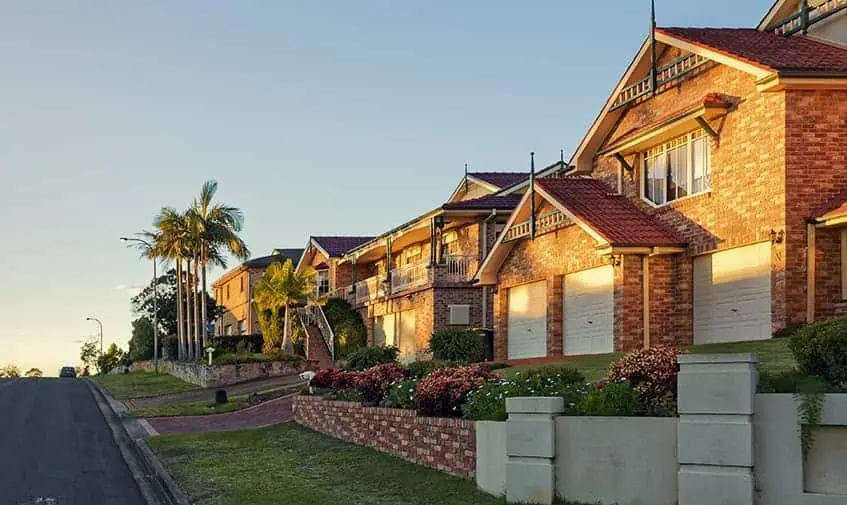
A commercial building inspection is an independent report on the condition of a commercial or industrial building, from the roof and its drainage to the slab, cladding and site, so you know what you're taking on before you buy, lease or plan works. Every inspection is carried out in-house by Vital's own experienced inspectors, with no subcontractors, and each commercial building inspection uses the visual inspection method of the AS 4349 series of Australian Standards, with the scope agreed for your building before the inspection starts. Vital's owner, Peter Ezeigwe, has a background in building restoration and disaster assessment, and that background shapes how the report explains what caused each defect and what the repair usually involves.
Commercial building inspections
Commercial buildings carry larger roofs, more complex drainage, shared areas and heavier use than a home, and their repair costs scale with them. A commercial building inspection puts the condition of the building in front of you before you commit, so you can negotiate, plan and budget with the facts.
Vital's commercial and industrial inspections suit:
- Buyers and investors: the condition of the building before you exchange, so you can negotiate on price or repairs and plan the first years of maintenance
- Tenants: a record of the building's condition before you sign or renew a lease. If your lease has a make-good clause, a dated report from the start shows exactly what you took on
- Owners and managers: a clear list of maintenance items in order of priority, before a sale, a refinance or a new lease
- Agents, architects and developers: an independent assessment of an existing building before a sale campaign, a fit-out or a redevelopment
Vital also inspects new construction, renovations, repairs and extensions to commercial buildings, and carries out pre-purchase, pre-listing and rental inspections on commercial property.
Industrial buildings and warehouses
Industrial buildings have their own set of details to check, and your inspector looks closely at:
- The roof: roof sheeting, fixings, box gutters, sumps, overflows, skylights and flashings, the details that keep water out of a large building
- The walls: metal and fibre cement cladding, tilt-up concrete panels and their joints, and brickwork
- The slab: cracking, joints, settlement and drainage around loading areas
- Doors and openings: roller doors, loading docks and personal access doors
- The site: hardstand, driveways, stormwater drainage, retaining walls and fencing
Older industrial buildings in Sydney often have fibre cement roofing or wall sheeting from before 1990, which may contain asbestos. The report notes these materials, and an asbestos inspection identifies them in more detail before you renovate or fit out. For more on why industrial buyers book an inspection, read why industrial building inspections are crucial.
What the report covers
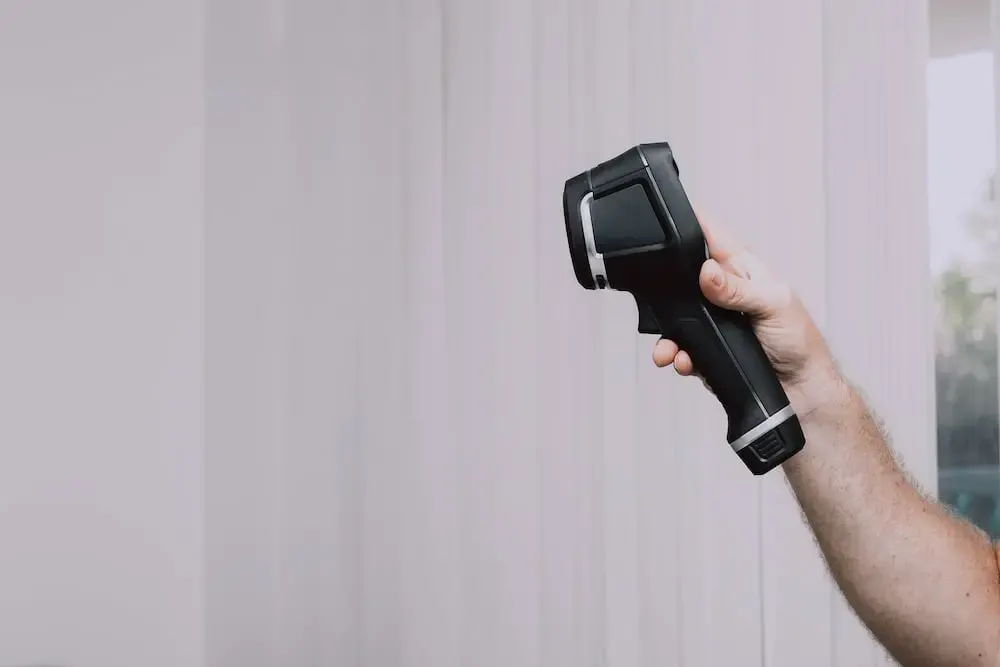
Your commercial inspection report sets out:
- the scope agreed before the inspection, and any areas that couldn't be reached on the day
- structural defects and other major defects, with what they mean for the building
- minor defects and maintenance items, in order of priority
- safety hazards your inspector observes
- timber pest findings, where you add a timber pest inspection
- photos of each finding, with where it is
Some systems in a commercial building are certified by licensed specialists, including fire safety, electrical, lifts and mechanical services. In NSW, a building's fire safety measures are certified each year in its annual fire safety statement, which the owner or agent can give you. Where your inspector sees a sign that a specialist should take a closer look, the report says so.
Commercial premises with food, stock or timber can also benefit from a pest inspection. The guides on the benefits of a commercial pest inspection and the 5 types of pests in commercial establishments explain what to look for.
Your inspector walks you through the findings and answers your questions about the report. The sample report shows how Vital sets out the findings, and more answers about access and reports are on the inspection questions page.
Prices and booking
Commercial and industrial inspections are priced for the size and type of building and the scope you need. Vital gives you a free quote before you book, and Vital's residential inspection prices are listed plus GST on the prices page.
To book, send the address, the type of building, its floor area if you have it and what the report is for through the booking page, or call Vital. If construction is planned next to your commercial property, a dilapidation report records its condition first, and Vital's other building inspection services are listed on their own page.
Frequently asked questions
What does a commercial building inspection cover?
It covers the structure and condition of the building and the site: the roof and roof drainage, external walls and cladding, floors and slabs, internal walls and ceilings, doors and windows, wet areas, car parks, driveways, retaining walls and fences. Vital agrees the exact scope with you before the inspection, based on the building and what you need the report for.
Who books a commercial building inspection?
Buyers and investors before they purchase, tenants before they sign or renew a lease, and owners, building managers and asset managers planning maintenance or a sale. Commercial agents, architects and developers book them too.
Does Vital inspect warehouses and factories?
Yes. Vital inspects industrial buildings, warehouses and factories as well as offices and shops, looking closely at roof sheeting, box gutters, skylights, wall cladding, the slab and its joints, roller doors and site drainage.
Can a commercial inspection include a pest inspection?
Yes. Vital can add a timber pest inspection for termites, borers and timber decay. The guide to the benefits of a commercial pest inspection explains when it's worth adding.
Does the inspection cover fire safety, electrical and lifts?
Those systems are certified by licensed specialists. In NSW, a building's fire safety measures are certified each year in its annual fire safety statement, which the owner or agent can give you. The report notes any visible sign that a specialist should take a closer look.
How is a commercial building inspection priced?
It's priced for the size and type of building and the scope you need, with a free quote before you book. Send Vital the address, the floor area if you have it and what the report is for.
Can Vital check an older commercial building for asbestos?
Yes. An asbestos inspection identifies materials that may contain asbestos, such as fibre cement roofing, wall sheeting and eaves, which is useful before you buy, lease, renovate or fit out an older building.
Book or ask Vital
Talk to Vital about your inspection
Send the address and the service you need, and Vital comes back to you with a free quote and a time. You're encouraged to attend, meet your inspector and hear the findings face to face.
0401 012 074Monday to Friday, 7am to 9pm