
Guides
Pest Control for Commercial Properties: Challenges and Solutions
Commercial pest management deals with large and varied spaces, constant foot traffic, stored stock and regulatory obligations. It works best as integrated pest management: regular inspections and monitoring, sealing entry points, staff awareness and targeted treatment by a licensed pest management technician.
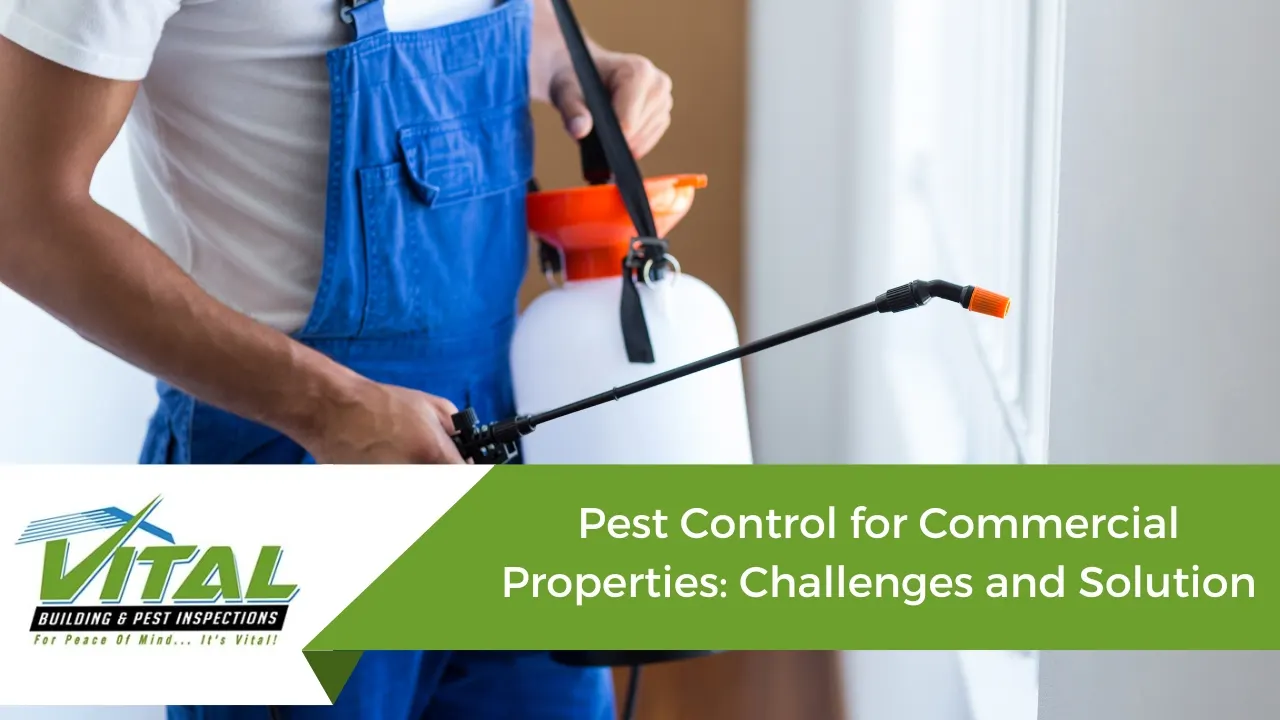
Commercial pest management deals with challenges that homes rarely face: large and varied spaces, constant foot traffic, stored stock and regulatory obligations. It works best as integrated pest management, combining regular inspections and monitoring, sealing entry points, staff awareness and targeted treatment by a licensed pest management technician. A building and timber pest inspection adds the structural side, finding termites and the building conditions that let pests in.
Challenges in commercial pest control
Commercial properties are busy, varied places, and that makes pest management more involved than at home.
Large spaces and diverse areas
An office building, shopping centre or warehouse can include kitchens, storerooms, plant rooms, loading docks, car parks and landscaped areas. Each has its own conditions, and pests have more entry points and hiding places to choose from. A good plan covers every area rather than only the obvious ones.
Foot traffic and deliveries
Staff, visitors and deliveries come and go all day. Pests and their eggs can arrive in boxes, pallets, bags and equipment, and doors that open constantly let flying insects and rodents in. Loading docks and goods-in areas are where checks matter most.
Storage and stock
Warehouses and storerooms give pests shelter and food. Rodents chew packaging and stock, cockroaches and stored product insects contaminate goods, and termites feed on timber pallets, paper and cardboard. Losses can be significant, so stock areas need regular monitoring.
Regulatory compliance
Businesses have obligations to keep workplaces safe and hygienic, and food businesses have specific requirements under the Food Standards Code to keep pests out of their premises. Pesticides need to be used in line with their labels and the law, which is why treatment is carried out by licensed technicians.
Commercial pest management for offices, shops and warehouses
Most businesses see the same core group of pests:
- Cockroaches: they thrive where there's food, water and warmth, carry germs onto surfaces and food, and can trigger allergies and asthma. A cockroach seen in daylight often means a larger population hidden nearby.
- Rodents: rats and mice gnaw through stored files, stock and electrical wiring, which is a fire hazard, and contaminate food with their droppings.
- Ants and flies: drawn by food, waste and spills, especially in kitchens and staff rooms.
- Mosquitoes: they breed in standing water around gutters, drains, pot plants and landscaping.
- Termites: they feed on timber framing, fit-outs, timber pallets, paper and cardboard, usually out of sight until the damage shows.
Keeping a workplace free of pests protects staff health, keeps clients and visitors comfortable, protects stock and equipment, and protects the building itself.
Solutions for effective commercial pest control
Integrated pest management
Integrated pest management is the foundation for commercial properties. It starts with prevention and monitoring, and uses treatment where it's needed, targeted to the pest and the area. The NSW EPA's guide to engaging a pest management technician explains how to check a technician's licence, and encourages non-chemical measures and using the smallest effective amount of pesticide.
Regular inspections and monitoring
Routine inspections find entry points, nesting areas and early signs of activity. Monitoring stations, traps and logbooks show where pests are active, so treatment can be targeted. Early detection keeps any intervention small.
Staff training and awareness
Staff who know what to look for, and how to report it, are the best early warning system. Clean-as-you-go habits, sealed food storage, prompt waste removal and quick reporting of droppings, damage or sightings all make a difference.
Working with a licensed pest management technician
A licensed technician can design a pest management plan for the building, set up monitoring and carry out treatments in line with the law and the product labels. Ask for their licence details and the safety data sheets for any products used.
Sealing and exclusion
Sealing gaps, cracks and service penetrations, fitting door seals and brush strips, keeping fly screens in good repair and managing landscaping close to the building all stop pests getting in. Regular building maintenance keeps those barriers in place.
Pest and building inspections for commercial properties
Vital's own experienced inspectors carry out commercial and industrial building inspections in-house, and Vital can add a timber pest inspection to AS 4349.3. Together they cover:
- termites, borers and fungal decay in timber framing, fit-outs and outbuildings
- conditions that attract termites and other pests, such as leaks, poor drainage and damp subfloors
- building gaps and defects that let pests in, such as damaged cladding, roof gaps and worn seals around services
- the overall condition of the roof, walls, floors, wet areas and site
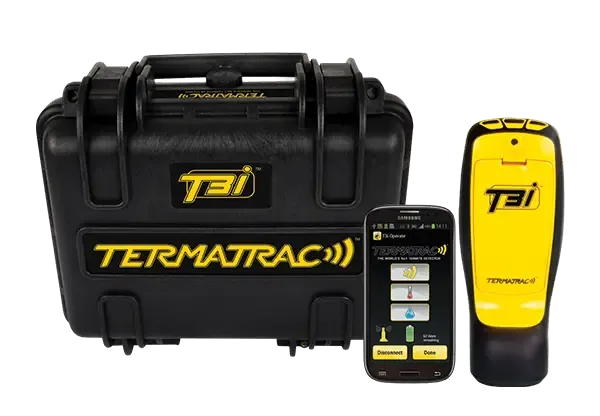
Where appropriate, your inspector may use a Termatrac T3i, whose radar can pick up termite movement inside walls without disturbing the nest, along with a thermal imaging camera and moisture meter. Vital inspects and reports, so your report gives you and your pest management technician a clear picture of what to treat and what to fix. That suits buyers and investors before purchase, tenants before signing a lease, and owners and building managers planning maintenance.
Vital is based in Stanhope Gardens and inspects across north-western and south-western Sydney. The guide to the benefits of a commercial pest inspection explains when it's worth adding, and there's more on the guides page.
Frequently asked questions
What is commercial pest management?
It's the ongoing work of keeping pests out of offices, shops, restaurants, warehouses and factories. It combines regular inspections and monitoring, sealing entry points, good housekeeping and staff awareness, with targeted treatment by a licensed pest management technician where it's needed. Most businesses follow an integrated pest management plan.
What pests are common in commercial buildings?
Cockroaches and rodents are the most common, especially where food is prepared or stored. Ants, stored product insects, flies and mosquitoes also turn up, and termites can damage timber framing, fit-outs and stored paper and cardboard. The right plan depends on the building and how it's used.
Who carries out pest control treatments?
A pest management technician licensed by the NSW EPA. Vital inspects and reports. Its timber pest inspection finds termites, borers, fungal decay and the conditions that attract them, its commercial building inspection covers the building's condition, and the technician works from the report's findings.
How often should a commercial property be inspected for pests?
It depends on the business. Food businesses and warehouses usually have a pest management contractor service the premises regularly under a written plan. A timber pest inspection for termites every 12 months suits most buildings, and more often where termites have been active or the building is near bushland.
Can a commercial building inspection include a pest inspection?
Yes. Vital can add a timber pest inspection to a commercial building inspection, so the building's condition and the termite picture are covered together. That suits buyers, tenants before signing a lease, and owners planning maintenance.