

You’re about to spend half a million dollars on a Sydney property. The walls look straight. The bathroom tiles are clean. Everything seems fine.
Then you move in and discover $35,000 worth of waterproofing damage behind those tiles. Or $60,000 in foundation repairs that weren’t visible during your viewing.
This happens more often than you’d think. Over half of Sydney’s new apartments have at least one defect, and more than 25% have three or more. These aren’t minor cosmetic issues. They’re structural problems, fire safety failures, and hidden water damage that cost serious money to fix.
Here are the seven defects that cause the most expensive repair bills in Sydney properties, what they actually cost to fix, and how to spot them before you buy.
Why a $500,000 Purchase Can Hide $60,000 in Repair Bills
Standard property viewings don’t reveal much. You see finished surfaces. You don’t see what’s behind the walls, under the floors, or inside the roof cavity.
Sellers often don’t know about these problems either. Water damage spreads silently for months before it stains a ceiling. Foundation movement happens gradually. Fire safety systems look fine until someone actually tests them.
A buyer in Parramatta purchased a renovated apartment last year. The bathroom looked immaculate. Three months after settlement, water started pooling in the living room below. The waterproofing membrane had failed completely. The repair bill came to $28,000, plus the cost of repairing water damage to the unit downstairs.
Repair costs typically range from $9,000 to $60,000 for individual defects. Building-wide issues like cladding replacement can reach millions. The financial impact isn’t just the repair cost. Building defects can reduce property values by up to 20%, making your investment worth less than you paid.
You can’t spot these defects during a casual inspection. They’re hidden by design, buried in places you can’t access without pulling up floors or cutting into walls. That’s not a criticism of buyers. It’s just how buildings work.
1. Waterproofing Failures: $8,000–$35,000 to Fix What You Can’t See
Photo by Jessica Lewis 🦋 thepaintedsquare on Pexels
Waterproofing failures affect 42% of defect cases in Sydney properties. Repair costs range from $8,000 to $35,000 depending on how far the damage has spread.
Waterproofing means applying a membrane under tiles in wet areas to stop water penetrating through to the structure below. When that membrane fails or was never installed properly, water seeps through floors and walls. It damages timber frames, causes mould growth, and eventually shows up as staining on ceilings or walls in adjacent rooms.
Where waterproofing typically fails in Sydney homes
Bathroom floors fail most often. Water pools around shower bases and slowly works its way through gaps in the membrane. Shower recesses are particularly vulnerable at corners and where the floor meets the walls.
Balconies are a major problem in apartments built between 2010 and 2020. Water needs somewhere to drain, and if the falls aren’t correct or the drainage points are blocked, it sits on the surface and eventually finds a way through. Laundry areas fail where washing machine hoses connect or where floor waste drains are installed.
Corners, joints, and penetration points (where pipes go through walls) are weak spots. These are the places where different materials meet, and if the waterproofing isn’t properly detailed at these junctions, water gets through.
Why the damage spreads before you notice it
Water doesn’t stay where it enters. It travels through walls and floors, following the path of least resistance. It soaks into timber frames, which start to rot. It creates damp conditions perfect for mould growth behind tiles where you can’t see it.
Think of it like a leak in your car’s oil system. By the time you see oil on your driveway, it’s been leaking for a while. The visible signs of waterproofing failure appear late: discolouration on ceilings below, bubbling paint, or a persistent musty smell.
By the time you see staining, the damage has often been occurring for months or years. The membrane failed long ago. What you’re seeing now is the accumulated result of water slowly destroying materials you can’t access without major renovation work.
2. Structural Cracks: $15,000–$60,000 When Your Foundation Moves

Photo by barış erkin on Pexels
Structural cracking affects 26% of defect cases and costs $15,000 to $60,000 to repair. Sydney’s reactive clay soils expand when wet and contract when dry. This constant movement puts pressure on foundations, causing them to shift.
Structural cracks are different from cosmetic cracks. They indicate that part of the building is moving independently from the rest. They appear as diagonal cracks near doors and windows, vertical cracks in brickwork, or cracks that run through multiple rooms.
Cosmetic cracks are thin hairline cracks in plaster that don’t change size. They’re caused by minor settling or temperature changes. They look unsightly but don’t threaten the building’s integrity.
How to tell cosmetic cracks from foundation problems
Measure the crack. If it’s wider than 5mm, it’s worth investigating. Diagonal cracks that run from the corners of doors or windows suggest the lintel above is dropping or the wall is moving. Cracks that widen over time are active, meaning the movement is ongoing.
Cosmetic cracks stay the same size. They might appear after plastering or painting, but they don’t grow. Structural cracks change. They open wider during dry periods when the soil contracts, and they may close slightly when the soil is wet.
Cracks appearing in multiple rooms or running through brickwork are red flags. External cracks in brick walls, especially stepped cracks that follow the mortar lines, indicate foundation movement.
Take photos of any cracks you find and measure them monthly. Mark the ends of the crack with a pencil and note the date. If the crack extends beyond your marks, the building is still moving. If you’re considering a Building Inspection Sydney Checks Apartment House, make sure the inspector specifically examines any visible cracking.
3. Defective Fire Safety Systems: $5,000–$25,000 Per Apartment Owner
Fire safety deficiencies affect 17% of cases and cost $5,000 to $25,000 per apartment owner. This is a building-wide issue. All owners share the repair costs through special levies imposed by the owners corporation.
Common fire safety defects include non-compliant fire doors that don’t seal properly, inadequate smoke detection systems, or missing fire-rated construction between apartments. These defects often exist from the day the building was completed, but they only come to light when someone checks.
What triggers a building-wide fire safety audit
Council inspections trigger audits. So do insurance requirements when a building’s policy comes up for renewal. Sometimes a resident reports a concern, or a real estate agent notices something during a sale inspection.
Once an audit identifies non-compliance, the owners corporation must fix all issues by law. There’s no option to ignore it. The building can’t be legally occupied with known fire safety defects.
Apartment buyers should request fire safety compliance certificates before purchasing. Check the strata records for any mention of fire safety audits or planned remediation work. Some buildings have ongoing fire safety issues that make them difficult to insure or sell. Banks may refuse to lend on properties in buildings with unresolved fire safety defects.
4. Dangerous Electrical Installations: $3,000–$12,000 and a Fire Risk
Repair costs range from $3,000 to $12,000, but the immediate concern is fire hazard. Older properties often have outdated switchboards, inadequate earthing, or unsafe DIY wiring done by previous owners.
When electrical systems fail, you get power surges that damage appliances, or worse, electrical fires that start inside walls. Faulty wiring heats up, melts insulation, and ignites surrounding materials. This happens silently, often at night when the building is unoccupied.
The switchboard problems inspectors find most often
Ceramic fuses instead of circuit breakers are common in pre-1980s homes. They work, but they don’t provide the same level of protection as modern circuit breakers. Missing safety switches (RCDs) are another issue. Properties built before 2000 often lack these devices, which are now required by current standards.
Overloaded circuits are dangerous. Someone adds extra power points without upgrading the circuit capacity. The wiring heats up under load, but there’s no protection to shut it down before it becomes a fire risk.
Insurance companies may refuse claims if electrical fires start from non-compliant installations. If your switchboard doesn’t meet current standards and a fire starts, you may find your claim denied.
Look at your switchboard. If you see ceramic fuses or no safety switches for all circuits, get an electrician to inspect it. This is one defect you can check yourself without professional help.
5. Roof and Drainage Failures: $6,000–$20,000 Before the Walls Rot
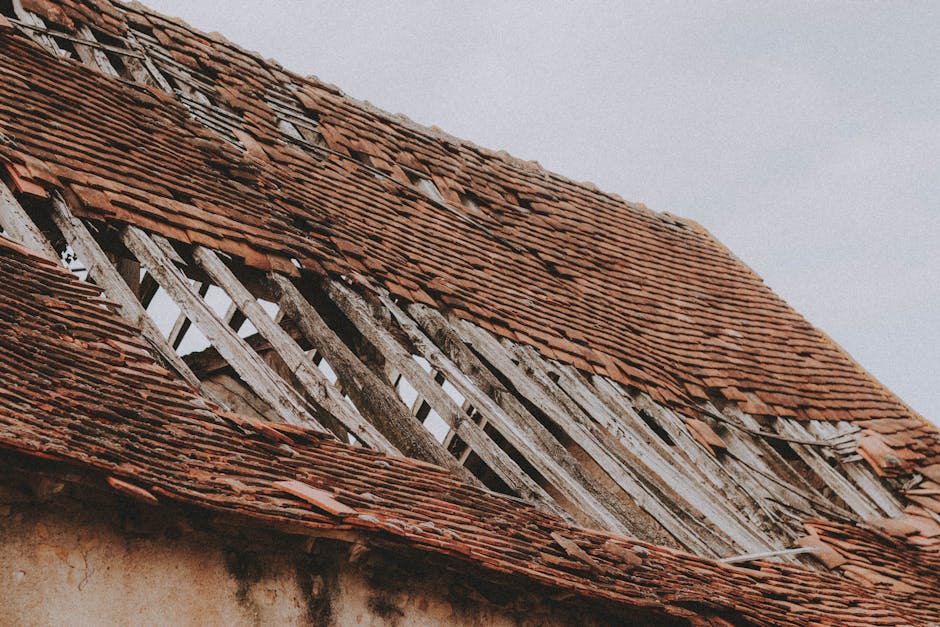
Photo by Mathias Reding on Pexels
Repair costs range from $6,000 to $20,000. Roof issues cause water damage throughout the property because water enters at the highest point and travels down through walls and ceilings.
Common problems include broken tiles that let water through, corroded metal roofing that’s rusted through, blocked gutters that overflow during heavy rain, or failed flashing around chimneys and skylights.
Water enters through the roof and travels down walls, following timber frames and electrical conduits. It rots timber frames from the inside. By the time you see water staining on a ceiling, the timber above has been wet for weeks or months. The structural damage is already done.
Blocked gutters cause water to overflow and run down external walls. It soaks into brickwork, penetrates through to internal walls, and creates damp conditions that promote mould growth. Roof and drainage issues work together. A small roof leak becomes a major problem when gutters are blocked and water has nowhere to go except through the building fabric.
6. Subfloor Timber Decay: $10,000–$40,000 in Older Sydney Homes
Repair costs range from $10,000 to $40,000. This primarily affects pre-1980s homes with timber floors. Subfloor timber decay means the floor joists and bearers under your house are rotting due to moisture and poor ventilation.
Warning signs include bouncy floors that feel springy when you walk on them, visible sagging in floor levels, or musty smells coming from under the house. If you can access the subfloor space, you might see white fungal growth on timber or timber that crumbles when you press it.
Many property owners don’t know if they have this problem. You can’t see under the floor without crawling into the subfloor space, and most people never do that.
Why ventilation problems take years to show up
Subfloor spaces need airflow to prevent moisture buildup. Vents in the external walls allow air to circulate, drying out any moisture that accumulates from ground dampness. But vents get blocked by garden beds, stored materials, or renovations that cover them up.
Without adequate ventilation, moisture accumulates slowly. It creates perfect conditions for timber rot and termites. The timber weakens gradually over years. By the time floors feel bouncy, significant structural damage has already occurred. The joists have lost most of their strength.
Check if your property has adequate subfloor ventilation. Walk around the outside and look for vents in the brickwork at ground level. Clear any blocked vents. If you’re buying an older home, make sure the Building Inspection Parramatta includes subfloor access and inspection.
7. Non-Compliant Cladding: $50,000–$200,000 Building-Wide Replacement
Costs range from $50,000 to $200,000 for building-wide cladding replacement. Combustible cladding became a major issue after the 2017 Grenfell Tower fire in London, which killed 72 people when the building’s external cladding ignited and spread fire rapidly up the facade.
This affects entire apartment buildings. All owners share the costs through special levies. If your building needs cladding replacement, you’ll receive a bill for your share of the total cost, regardless of whether you can afford it.
How cladding issues affect insurance and selling
Buildings with non-compliant cladding face higher insurance premiums or difficulty getting coverage at all. Insurance companies see these buildings as high-risk and price accordingly. Some insurers refuse to cover them.
Apartments in affected buildings can lose 20% of their value and become difficult to sell. Buyers are wary of purchasing into a building with known cladding issues, especially if remediation work hasn’t started or the costs haven’t been finalised.
Banks may refuse to lend on properties in buildings with known cladding issues. Without finance available, the pool of potential buyers shrinks dramatically. Your apartment becomes difficult to sell at any price.
Apartment buyers should request cladding compliance certificates and check if any remediation work is planned. Review the strata records carefully. Look for any mention of cladding audits, engineer reports, or special levies for cladding replacement. If you’re making 2026 Property Resolutions Building Inspections Sydney part of your property strategy, cladding compliance should be on your checklist.
When a $1,000 Inspection Saves You From a $60,000 Surprise
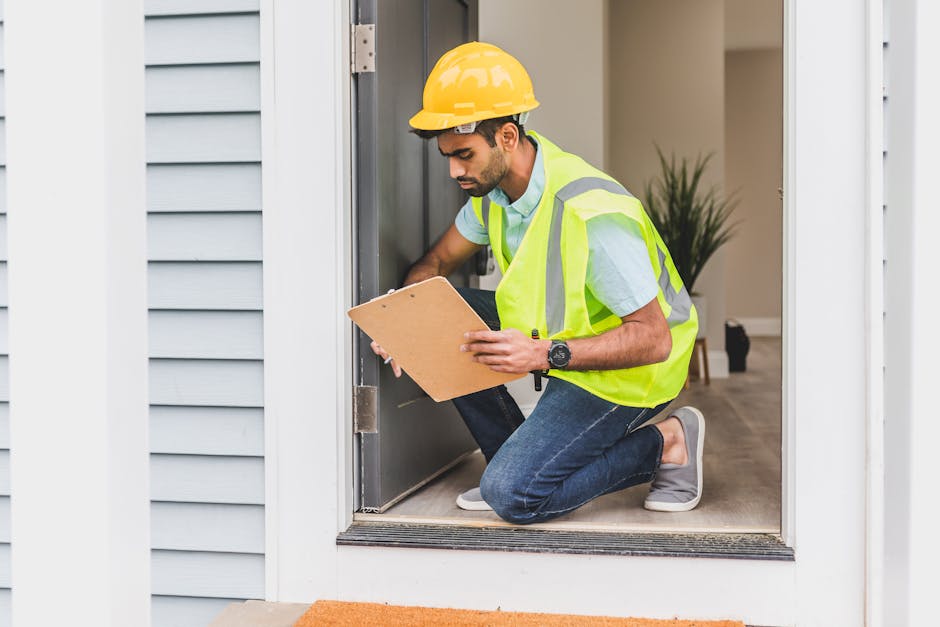
Photo by RDNE Stock project on Pexels
Professional inspections cost from $1,000 upwards depending on property size and complexity. That’s a small price compared to discovering $60,000 in repair costs after you’ve already committed to purchase.
Defects reduce property values by up to 20% and cost anywhere from $9,000 to $60,000 or more to repair. Pre-purchase inspections identify these issues before you exchange contracts. You get negotiating power to reduce the purchase price, or you get the option to walk away entirely.
Book a pre-purchase inspection before exchanging contracts. Don’t wait until after you’ve committed. Once you’ve exchanged, you own the problems. For apartment buyers, review strata records for any mention of building defects, planned remediation work, or special levies. Ask the owners corporation directly about known defects and whether any building-wide issues are under investigation.
The inspection might find nothing serious. That’s the best outcome. But if it finds $35,000 worth of waterproofing damage or $60,000 in foundation repairs, you’ve just saved yourself from the most expensive mistake you could make.