

You’ve found a property you like. The photos look good, the location works, and you’re ready to move forward. Then comes the reality check: a professional termite inspection costs $400 or more. Do that for every property you’re serious about, and the bills stack up fast.
Here’s what most buyers don’t realise. You can do a preliminary termite check yourself during open homes. Not a replacement for the professional inspection you’ll need before signing anything, but a screening tool that stops you wasting money on properties with obvious problems. If you know what to look for, you can spot red flags that tell you to walk away before you’ve spent a cent on inspections.
This isn’t about becoming an expert. It’s about learning enough to protect your inspection budget and focus it on properties worth buying. For a more comprehensive understanding of what professional inspectors examine, our Building Inspection Sydney Checks Apartment House guide covers the full scope of structural assessments.
What termite damage actually looks like (and why inspectors charge $400+ to find it)

Photo by Petr Ganaj on Pexels
Termites eat timber from the inside out. That’s the problem. By the time damage becomes obvious, it’s often severe. The surface might look fine while the interior has been hollowed into a network of galleries and tunnels.
The typical signs aren’t dramatic. You’ll see hollowed wood that sounds papery when tapped. Mud-like tubes running up walls or foundations. Paint that bubbles or cracks in ways that don’t match normal wear. These are subtle indicators that require knowing what you’re looking at.
Professional inspectors charge premium rates because they bring thermal cameras, moisture meters, and years of experience knowing exactly where termites hide. They check roof voids, subfloors, wall cavities, and every vulnerable junction point in a building’s structure. That expertise is worth paying for when you’ve found the right property.
What this guide gives you is enough knowledge to spot obvious warning signs before you reach that stage. You’re not trying to match a professional’s thoroughness. You’re trying to avoid paying $400 to inspect a property that’s already showing clear evidence of termite problems.
The 5-minute exterior check you can do from the footpath
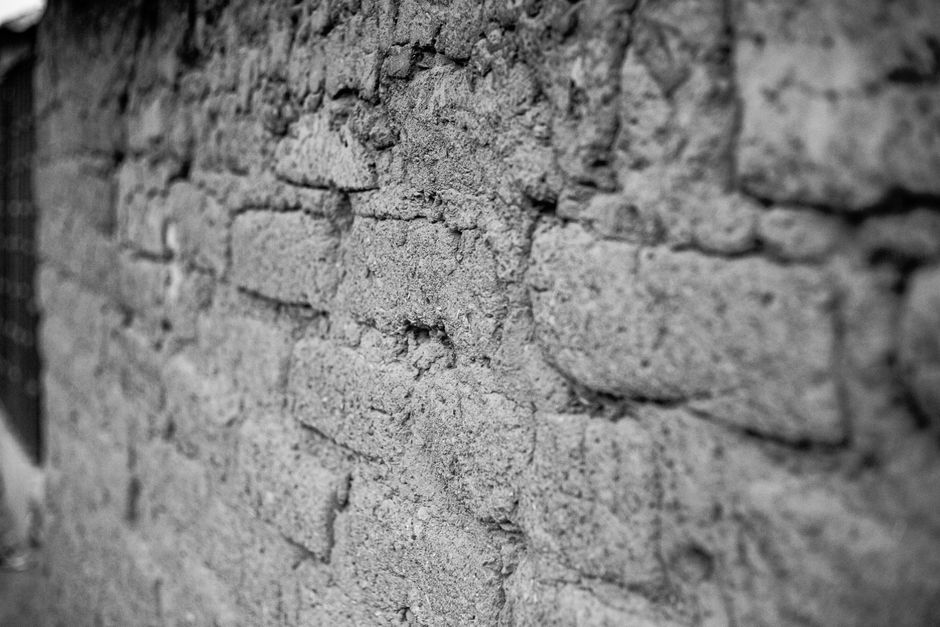
Photo by Yusuf Kayode on Pexels
Start before you even walk through the front door. The exterior of a house tells you whether termites have easy access to the structure. This is your fastest screening step, the one that can save you from wasting time on a full open home inspection.
You’re looking for visible warning signs. Things you can spot from the footpath or during a quick walk around the perimeter. If you see multiple red flags here, you already know this property needs serious scrutiny.
Mud tubes and shelter tracks on foundations
Mud tubes are termite highways. They’re pencil-thin to finger-width brown tunnels that run up brick or concrete foundations, connecting soil to timber. These are one of the clearest warning signs you’ll find.
Check around the base of walls, especially near garden beds and damp areas. Look for brown, mud-like tracks that seem to climb the foundation. Even old, broken tubes matter. They suggest previous termite activity, and previous activity often means structural damage that may still exist.
If you spot active tubes (intact, with a slightly moist appearance), that’s a major red flag. If you see remnants of old tubes, it’s still worth noting. Either way, this property needs a professional inspection before you consider it seriously.
Damaged weatherboards and window frames
Weatherboards with unexplained cracks, sagging sections, or paint that bubbles oddly can indicate termite damage underneath. Window and door frames are particularly vulnerable. Look for wood that appears sunken or has a rippled surface under the paint.
This isn’t normal weathering. Termite damage appears in patches rather than evenly across the surface. If one weatherboard looks dramatically different from its neighbours, that’s suspicious. If multiple boards show similar problems, that’s a pattern.
Compare what you’re seeing across different sections of the house. Consistent wear is normal. Localised damage that doesn’t match the rest of the building suggests something specific has affected that area.
Suspicious garden beds and timber stacks against walls
Soil, mulch, or timber stacked against the house creates a bridge for termites from ground to structure. This isn’t damage yet, but it’s a major risk factor that tells you the owner hasn’t been termite-conscious.
Note any garden beds built right up to weatherboards. Look for timber stacks leaning on walls, or mulch piled high against the foundation. These are maintenance issues that dramatically increase the likelihood of termite problems.
Properties with these issues are more likely to have active or past termite infestations. It suggests the owner hasn’t understood or prioritised termite prevention, which means other preventative maintenance may also have been neglected.
Inside the house: what to touch, tap, and photograph during the open
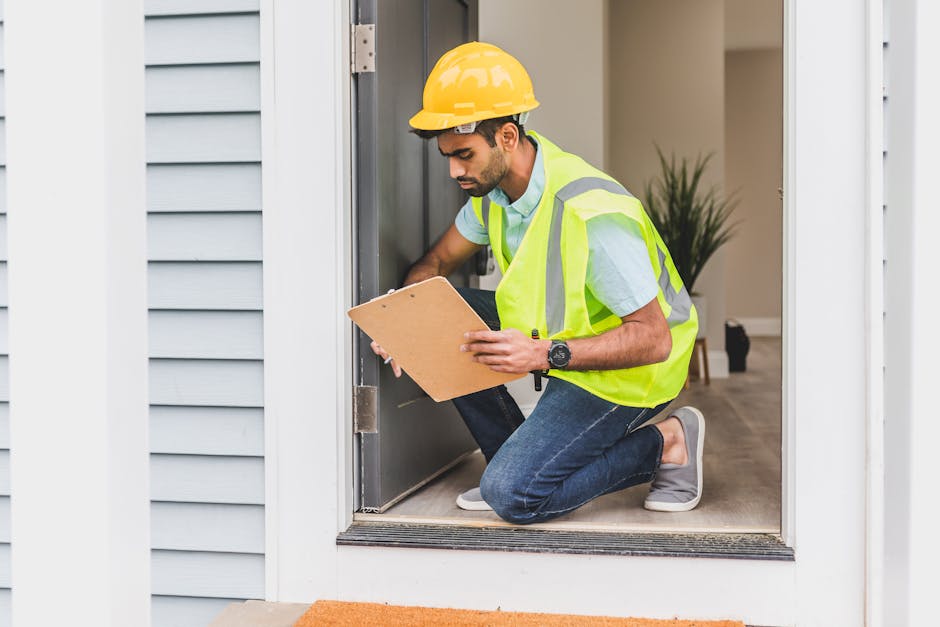
Photo by RDNE Stock project on Pexels
Now you’re inside. This is where you can test for damage without specialised equipment. These checks are discreet and entirely appropriate during open homes. Take photos of anything suspicious. You’ll want them later if you decide to proceed with a professional inspection.
The tap test on skirting boards and door frames
Gently tap skirting boards and door frames with your knuckles. Listen for the sound. Solid timber sounds dense and dull. Termite-damaged timber sounds papery or hollow, like you’re tapping on a thin shell rather than solid wood.
Focus on areas near bathrooms, kitchens, and external walls where moisture is more common. Termites need moisture to survive, so they’re more active in these zones. Compare the sound in different rooms. Dramatic differences indicate potential problems.
This test isn’t foolproof, but it’s surprisingly effective. If you tap a door frame and it sounds noticeably different from every other frame in the house, you’ve found something worth investigating.
Bubbling paint and hollow-sounding timber
Bubbling or rippling paint is a sign that timber underneath has been compromised and is no longer smooth. Termites create galleries inside wood, causing the surface to lose support and deform. The paint then bubbles or cracks as it tries to cover an uneven surface.
Look closely at painted timber surfaces, especially where paint looks freshly applied over suspicious areas. Fresh paint can hide damage. If a room has been recently painted while others haven’t, pay extra attention. Sellers sometimes paint over problems rather than fix them.
Check painted timber around windows, doors, and skirting boards. If the paint surface looks uneven or has small bubbles that don’t match normal paint aging, investigate further.
Sagging floors and stuck doors (not just settling)
Floors with noticeable dips or doors that stick in frames can indicate structural timber damage. The key is distinguishing between normal house settling and termite damage. Settling is usually even and gradual. Termite damage is often localised and progressive.
Walk through each room and notice if floors feel uneven or springy in certain spots. Test doors and windows. If multiple are sticking or misaligned, it could signal bearer or joist damage underneath.
One stuck door isn’t necessarily a problem. Three or four in the same area of the house suggests something structural is happening. That’s when you need to look deeper.
The subfloor peek: what to look for if you can access the manhole
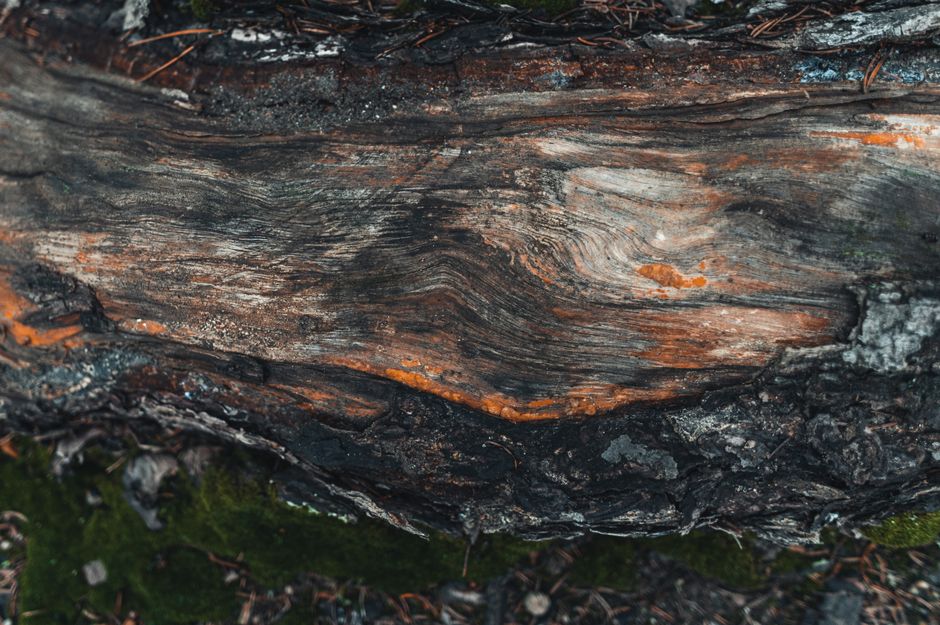
Photo by Jan Kopřiva on Pexels
Not every buyer will feel comfortable doing this, but the subfloor is where termite activity is often most visible. Timber is exposed, and termites don’t hide their tracks as carefully in spaces humans rarely visit.
Ask the agent if you can access the manhole. Use a torch if permitted. Only do this if access is safe and you’re comfortable in confined spaces. If you’re not, skip this step and rely on the professional inspection.
Visible mud tunnels on stumps and bearers
Look for brown mud-like tubes running along stumps, bearers, or joists under the house. These are the same shelter tubes you might have seen outside, but often more extensive and easier to spot in the subfloor.
Shine your torch along timber supports and look for any unusual brown tracks or buildup. Even inactive tubes suggest past problems that may have caused structural damage. Active tubes mean current infestation.
If you see extensive mud tunneling in the subfloor, this property has or has had a serious termite problem. That’s not automatically a deal-breaker, but it means you need a professional assessment of the structural damage before you proceed.
Moisture problems that attract termites
Termites need moisture. Damp subfloors with poor ventilation are high-risk environments. Look for standing water, wet soil, or timber that looks dark and damp. Check for water stains on stumps, mould growth, or a musty smell.
Moisture issues alone aren’t termite damage, but they dramatically increase the likelihood of infestation. A damp subfloor tells you this property is vulnerable, even if you don’t see active termite signs yet.
Poor drainage, blocked vents, or leaking pipes create conditions termites love. If you’re seeing moisture problems, factor that into your assessment. It’s a maintenance issue that needs addressing regardless of termite activity. If you’re considering properties in Western Sydney, our Building Inspection Parramatta service covers these specific regional concerns.
When to walk away vs. when to book the paid inspection
Here’s your decision framework. Walk away if you find active mud tubes, extensive hollow timber, or major structural sagging. These are deal-breakers that indicate serious damage requiring expensive remediation.
Minor warning signs are different. Old tubes, suspicious paint, or moisture issues warrant a professional inspection, not immediate rejection. Even properties with past termite damage can be good buys if they’ve been properly treated and repaired.
The point of this preliminary check is saving you from paying $400+ on properties with obvious problems. It’s not about replacing professional inspections on properties you’re serious about. Those inspections are essential. You’re just being smarter about which properties deserve that investment.
You now have the knowledge to screen properties confidently. You can walk through an open home and spot red flags that most buyers miss. You can make informed decisions about where to spend your inspection budget. As you refine your property search strategy, our guide on 2026 Property Resolutions Building Inspections Sydney offers additional insights into making smarter buying decisions this year.
That’s worth more than the cost of any inspection you’ll avoid on properties that were never going to work out.