Inspection services
Building inspection services
A building inspection is an independent check of a property's condition, written up in a report you can act on. Vital's own experienced inspectors carry out every building inspection in-house across Sydney, from pre-purchase and new homes to dilapidation, strata and commercial properties.
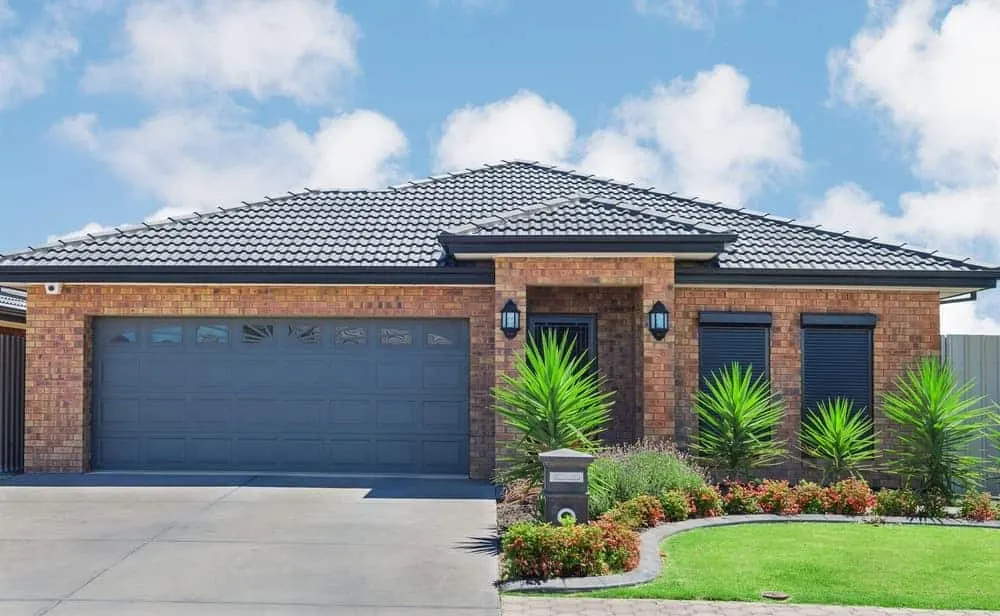
A building inspection is an independent, visual check of a property's condition, from the roof to the subfloor and the site around it, written up in a report that sets out major defects, minor defects and safety hazards. Every inspection is carried out in-house by Vital's own experienced inspectors, with no subcontractors, and an inspection for a home purchase is carried out to AS 4349.1-2007. Vital's owner, Peter Ezeigwe, has a background in building restoration and disaster assessment, and that background shapes how every Vital report explains what caused each defect and what it takes to put right.
Building inspections available
Choose the inspection by what you're doing with the property:
| If you're | The inspection for you |
|---|---|
| Buying a home, unit or townhouse | Pre-purchase building and pest inspection |
| Selling a home | Pre-sale and pre-listing inspection |
| Building a new home | Construction stage inspections, then a pre-handover inspection |
| Living next to construction or demolition | Dilapidation report |
| Buying an apartment | Strata and apartment inspection |
| Letting or renting a property | Rental property inspection |
| Buying, leasing or managing a commercial building | Commercial and industrial inspection |
| Planning a renovation on an older home | Asbestos inspection |
| Dealing with damp, mould or a floor that's moving | Water damage inspection, mould inspection or timber floor inspection |
| In a dispute over building work | Defects report or expert witness report |
| Planning upkeep on a home you own | Maintenance report |
Not sure which one fits? Call Vital or send a note through the booking page with the address, the property type and what you're planning, and Vital tells you which inspection gives you the answers you need.
Pre-purchase and pre-sale inspections
A pre-purchase building and pest inspection is the inspection most Sydney buyers book. Your inspector checks the home to AS 4349.1-2007 and its timber to AS 4349.3 in the same visit, so you get the structure and the termite findings together, before your contract becomes unconditional. It works the same way for a house, a townhouse or an apartment, and the sample report shows you how the findings are set out.
Need the building side only? A building-only inspection covers the accessible building elements: the inside and outside of the home, the roof exterior, the roof space, the subfloor and the site. It records visible defects and safety concerns, and names where a specialist should look further. Timber pests are a separate inspection to their own standard, so for a purchase most buyers choose the combined inspection and get both in 1 visit.
Selling? A pre-sale and pre-listing inspection gives you the same view of your home before buyers book theirs. You can fix items before the photos, price them in, or share the report with buyers, and you go into negotiations knowing what they'll find.
New homes, construction stages and handover
A new home is checked best while the work is still visible. Construction stage inspections look at the slab, frame, lock-up and fixing stages as your home goes up, so items are raised with your builder before the walls are lined. At the end, a new home and pre-handover inspection checks the finished home before you make the final payment and accept the keys, and Vital also inspects for owner builders.
Great experience for Pre-lining inspection
It was a pleasant experience working with Peter. We engaged Peter for the pre-lining inspection of our new home under construction and he did a fantastic job picking up issues with a detailed report. Very happy with the service and would recommend them.
Dilapidation, defects and maintenance reports
These reports record a building's condition for a purpose:
- A dilapidation report records the condition of a home or commercial property before nearby construction, demolition or excavation, with dated photos, so any change can be compared later.
- A building defects report sets out specific defects in a home or new build, with what caused them and what the repair involves.
- A maintenance report lists the upkeep a property needs, in order, so you can plan and budget for it.
- An expert witness report presents the inspection findings for a building dispute, such as a matter at the NSW Civil and Administrative Tribunal.
Strata, rental and commercial inspections
A strata and apartment inspection covers your unit and the parts of the building around it, including balconies, wet areas and windows, and the report sets out which common areas were open to inspect on the day. A rental property inspection records a property's condition for a landlord or a tenant at any point in a lease. And a commercial and industrial building inspection covers offices, shops, warehouses and factories for buyers, tenants and owners, with the scope agreed for the building before the inspection starts.
Asbestos, mould and timber floor inspections
Some inspections focus on 1 part of a building:
- An asbestos inspection identifies materials in an older home that may contain asbestos, so you can plan renovations and testing with confidence.
- A water damage inspection assesses the signs of moisture in a home, such as staining, swelling and damp readings, and recommends the right trade for each finding.
- A mould inspection looks at the mould and the moisture feeding it, with moisture readings or thermal imaging where appropriate. Peter, Vital's owner, has ITI and Restoration Sciences Academy training in microbial remediation, mould, water and flood damage, and fire and smoke damage.
- A timber floor inspection looks at cupping, peaking, gaps and moisture in timber floors, and what's causing them.
For termites and other timber pests, see the pest inspections and termite inspections pages.
How each inspection is reported
Every building inspection follows the same 4 steps:
A free quote
Call Vital or send the address, the property type and the reason for the inspection. Vital explains the inspection, the price and any access limits before you book.
The inspection
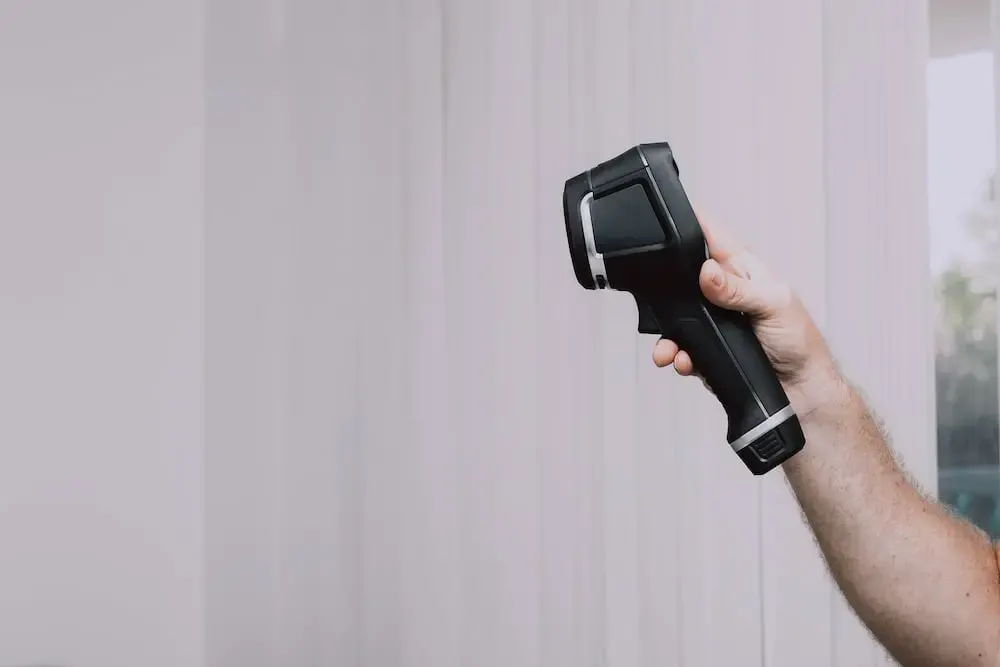
Your Vital inspector checks the accessible areas within the agreed scope, with a moisture meter, a thermal imaging camera or a Termatrac where appropriate. You're welcome to attend.
Your report
A written report with photos, setting out what your inspector found, where it is and what it means for the property.
The walk-through
Your inspector talks you through the findings and answers your questions about the report.
Vital confirms when your report will be ready at the time you book.
The purpose of the inspection sets the areas assessed and how the report is set out. A pre-purchase report sorts every finding into major defects, minor defects and safety hazards, as AS 4349.1-2007 requires, so you can see at a glance what needs attention first. Dilapidation, construction stage and the other reports follow their own purpose and the scope agreed when you book. See how a pre-purchase report is set out in the sample report.
Questions to ask your inspector on the day
If you attend, these 4 questions get you the most from the visit:
- How serious is each finding? Your inspector tells you which items are major, which are minor and which are ordinary maintenance, so you can set priorities and negotiate with the facts.
- What's your overall view of the property? You get an honest read of the home's condition compared with similar homes of the same age. The decision to buy stays yours.
- Does anything need a specialist? Where a finding calls for an engineer, plumber, electrician or laboratory test, the inspector says so and explains why.
- Is this usual for a home of this age? Some findings are typical for the year a home was built, such as materials that may contain asbestos in homes built before 1990. Your inspector explains which is which.
Despite the last minute booking request, Peter did not turn me down and made his time to attend our new place in Castle Hill to conduct building inspection. His post-inspection report was highly-detailed and he even provided verbal advice/suggestions on how to rectify certain issues.
I’ve already recommended Peter to my friends and colleagues, and we all equally agreed how helpful Peter’s service was in helping us get the right property.
Thank you Peter.
More answers about booking, access and reports are on the inspection questions page.
Prices and booking
| Inspection | From |
|---|---|
| Building inspection | $253 |
| Pest inspection | $256 |
| Building and pest inspection | $450 |
A building inspection starts at $253 and a combined building and pest inspection at $450, plus GST. Dilapidation, construction stage, commercial and other specialist reports are priced for the property and the job, with a free quote before you book. Every price is on the prices page.
Vital is based in Stanhope Gardens and covers north-western and south-western Sydney. Every suburb Vital covers is on the areas page. To book, send the address and the inspection you need through the booking page, or call Vital.
Frequently asked questions
What is a building inspection?
A building inspection is a visual inspection of a property's condition by a qualified inspector, written up as a report. It records major defects, minor defects and safety hazards, so you know what you're buying, selling, building or maintaining.
What does a building inspection cover?
A pre-purchase building inspection covers the inside and outside of the home, the roof, the roof space, the subfloor and the site, to the Australian Standard for pre-purchase inspections. Other inspections, such as dilapidation and construction stage reports, are scoped to their purpose. The full list is in what's covered in a pre-purchase building inspection.
Can I attend the building inspection?
Yes. You're welcome to attend, meet your inspector and ask questions on site, and your inspector walks you through the findings once the report is ready.
How long does a building inspection take?
It depends on the size of the property, the type of inspection and how much of the roof space and subfloor the inspector can reach. Vital gives you an idea of timing when you book.
How much does a building inspection cost?
The price depends on the inspection and the size of the property. The starting prices are on the prices page, and Vital gives you a free quote before you book.
Who pays for the building inspection?
The person who orders it. For a pre-purchase inspection that's usually the buyer, and for a pre-sale inspection it's the seller.
Can I negotiate repairs with the seller based on the building inspection report?
Yes. The findings give you a clear basis to ask for repairs or a lower price before settlement. Your conveyancer can advise you on raising them under your contract, and the guide on negotiating repairs with the seller covers how buyers usually go about it.
Can I ask for specific areas to be included in the building inspection?
Yes. Tell Vital about anything you've noticed or want a close look at when you book, such as a crack, a damp patch or an extension, and your inspector pays particular attention to it on the day.
How soon should I book a building inspection after making an offer?
As soon as you can. Your contract sets the dates, and the earlier the inspection happens, the more time you have to read the report and act on it before your contract becomes unconditional.
Can I get a building inspection on a property that isn't built yet?
Yes. Vital carries out construction stage inspections while the home is being built, and a new home inspection before handover.
Is a building inspection the same as a pest inspection?
They're 2 separate inspections to 2 Australian Standards. The building inspection covers the structure and condition of the property, and the timber pest inspection covers termites, borers and timber decay. Your inspector carries out both in 1 visit when you book them together.
Can I get a building inspection on a rental property?
Yes. A rental property inspection records the condition of the property for a landlord or a tenant, at the start, middle or end of a lease.
Are building inspections mandatory in NSW?
A building inspection isn't required by law to buy a home in NSW, and it's the clearest way to know the condition of the property before you commit.
Can a building inspection find every issue with a property?
A building inspection reports on everything your inspector can see and safely reach on the day. Areas behind furniture, under floor coverings or inside walls are noted as limitations in the report. Where appropriate, a thermal imaging camera or moisture meter helps the inspector assess signs of damp further.
Who can carry out a building inspection?
Choose an inspector with building qualifications, professional indemnity insurance and a report written to the Australian Standard. Every Vital inspection is carried out in-house by Vital's own experienced inspectors, and Vital's owner, Peter Ezeigwe, holds a Certificate IV and a Diploma of Building and Construction, with a background in building restoration.
How long does it take to receive the building inspection report?
Vital confirms when to expect your report when you book. The report timing page explains what goes into preparing it.
Can I get a copy of the building inspection report from the previous owner?
Sometimes, if the owner or agent has one and is willing to share it. The guide on getting a report from the previous owner explains what to check, and a current report of your own reflects the property as it is now.
Do I need a building inspection if I'm buying a new build?
A new build benefits from a close check of workmanship, waterproofing and finishes before you accept it. The guide Is it necessary to get a building inspection if I'm buying a new build? sets out what the inspection checks.
Can I get a building inspection on a renovated property?
Yes. The inspection covers the renovated areas as part of the whole property, with close attention to wet areas, waterproofing and any extension. Ask the vendor for the approvals and certificates for the work, and your conveyancer can check them.
Can a building inspection identify plumbing or electrical issues?
The report records the visible signs, such as leaks, damp, water staining and damaged fittings. Testing the plumbing and electrical installations themselves is work for a licensed plumber or electrician, and your Vital report tells you when one should take a closer look.
Book or ask Vital
Talk to Vital about your inspection
Send the address and the service you need, and Vital comes back to you with a free quote and a time. You're encouraged to attend, meet your inspector and hear the findings face to face.
0401 012 074Monday to Friday, 7am to 9pm