Inspection services
Rental property inspections
A rental inspection from Vital gives landlords and tenants an independent written record of a rental property's condition, with photos, at the start, middle or end of a lease. Every rental property inspection across Sydney is carried out in-house by Vital's own experienced inspectors.
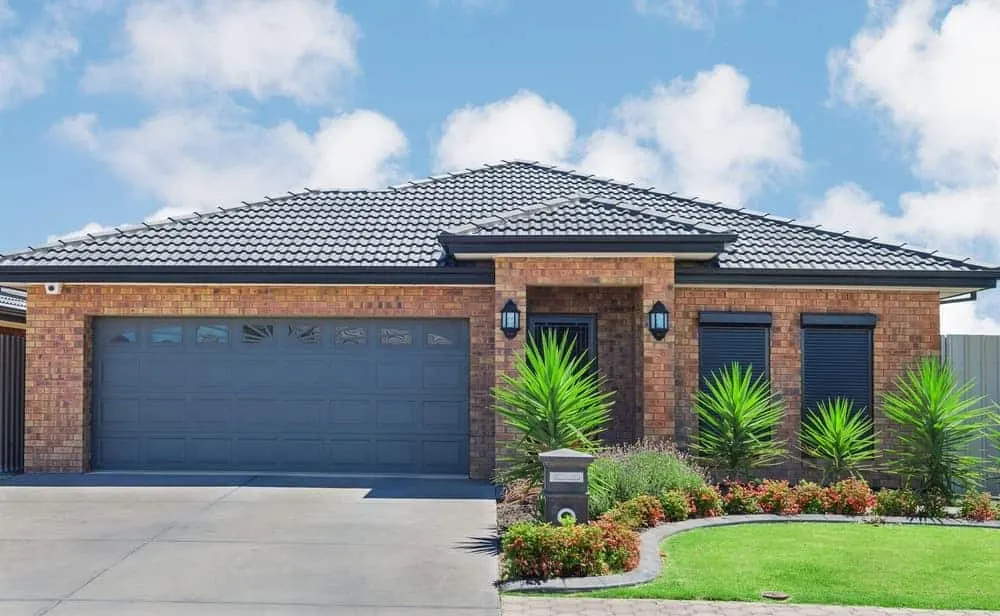
A rental inspection gives you an independent, written record of a rental property's condition, from the roof and subfloor to the wet areas and the site, with photos of everything your inspector finds. Vital carries out rental property inspections for landlords, property managers and tenants, at the start, middle or end of a lease. Every inspection is carried out in-house by Vital's own experienced inspectors, with no subcontractors. Vital's owner, Peter Ezeigwe, has a background in building restoration and disaster assessment, and that background shapes how the report explains what caused each item and what it takes to fix, which makes it simple to plan and agree repairs.
Rental inspections for Sydney properties
A rental property inspection looks at the same parts of the building as a pre-purchase inspection, with the focus on what matters across a lease: the condition of the structure, water getting in, damp, and the items that need maintenance. Vital inspects houses, townhouses and apartments, and the report gives you:
- major and minor defects, with photos and where each one is
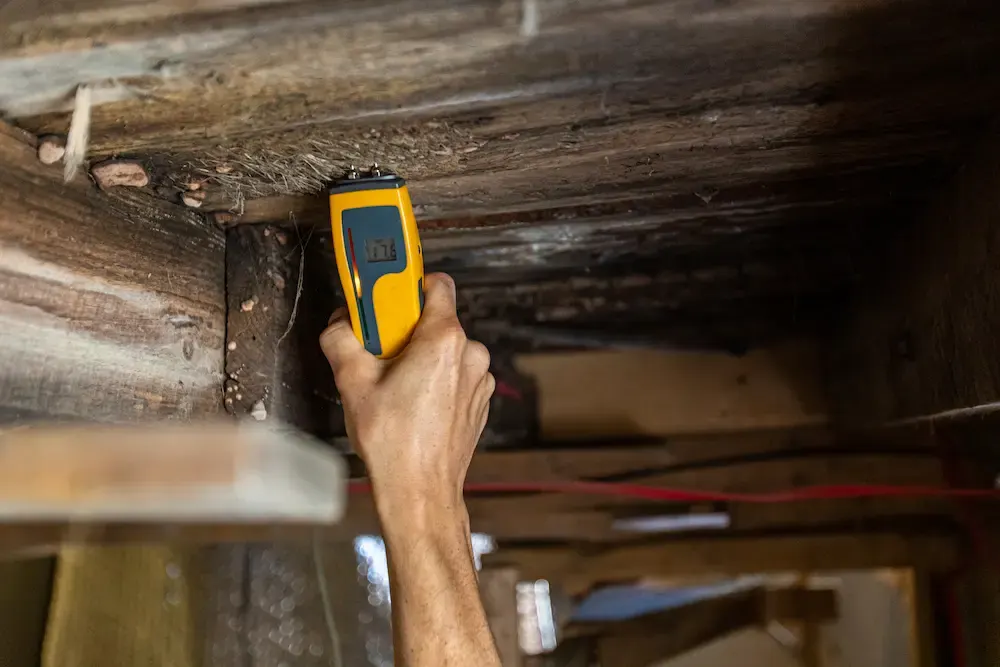
- damp, leaks and mould, traced with a moisture meter and thermal imaging where needed
- timber pest findings, where you add a timber pest inspection
- what each item means and what the repair involves
Vital carries out start-of-lease, mid-lease and end-of-lease inspections across Sydney. For an overview of how inspections fit into a tenancy, read the guide to the rental process.
NSW minimum standards for rental homes
Since March 2020, a rental home in NSW has had to meet minimum standards under the Residential Tenancies Act 2010. The first of them is that the home is structurally sound, which the Act describes as floors, ceilings, walls and supporting structures free of significant dampness, a roof, ceilings and windows that keep water out, and no part liable to collapse because it's rotted or defective. Those are exactly the things a building inspection looks at, so your Vital report gives a landlord or tenant a clear, independent view of where the home stands. NSW Fair Trading sets out the full list of minimum standards.
For landlords
A rental inspection helps you let a property with confidence and look after it between tenancies:
- Before you advertise: know the condition of the property and complete repairs before the first tenant moves in
- Between tenancies: record the condition when the home is empty, plan maintenance and check what's changed since the last lease
- During a lease: follow up a tenant's report of a leak or damp with an independent assessment of its cause
- For your records: a dated report with photos is a clear record of the property's condition at a point in time, which is useful for your insurer and in any future dispute
Property managers and real estate agents book Vital for the same reasons on behalf of their landlords. Routine inspections by the agent are separate: in NSW, a landlord or agent can carry out up to 4 routine inspections in any 12 months, with at least 7 days' written notice, and the guide to the inspection notice rules explains them.
For tenants
As a tenant, a rental inspection gives you an independent record of the home you're living in:
- At the start of a lease: a record of the building's condition alongside the agent's condition report, before you settle in
- When something needs repair: a clear report on damp, a leak or a defect, with its likely cause, to support your repair request
- At the end of a lease: a record of the condition when you hand back the keys, before the bond is returned
You're welcome to be there for the inspection, point out anything you've noticed and walk through the findings with your inspector.
What the report records
Your rental inspection report records:
- inside: ceilings, walls, floors, doors, windows, stairs, and the kitchen, bathrooms and laundry
- outside: external walls, balconies, decks, verandas and balustrades
- the roof, roof space and subfloor, where they can be safely reached
- the site: garages, retaining walls, paths, fences and drainage
- damp, leaks, water staining and mould
- timber pest activity and the conditions that attract it, if you add a timber pest inspection
Each finding comes with a photo and where it is. Your inspector walks you through the findings and answers your questions about the report. The sample report shows how the findings are set out, and the rental inspection checklist shows what to look at yourself between inspections.
Excellent customer service and satisfaction
I called Peter for his services and was very amazed by the professionalism, and smoothness of the process. He gave a quote instantly and performed an extremely thorough inspection the next day with a very easy-to-understand report. The report showed some things about the property which I would not have ever guessed. I recommend him to anyone who is considering an inspection.
Prices and booking
| Inspection | From |
|---|---|
| Building inspection | $253 |
| Pest inspection | $256 |
| Building and pest inspection | $450 |
A building inspection starts at $253 and a combined building and pest inspection at $450, plus GST. Vital gives you a free quote for your property before you book, and every price is on the prices page.
To book, send the address, whether you're the landlord, agent or tenant, and the stage of the lease through the booking page, or call Vital. More answers about access and reports are on the inspection questions page, and Vital's other building inspection services are listed on their own page.
Frequently asked questions
What is a rental inspection?
A rental inspection is a building inspection of a rental property that records its condition: the structure, wet areas, roof, subfloor and site, along with any damp, leaks or timber pest activity. Landlords book one before letting a property or between tenancies, and tenants book one for an independent record of the home they're renting.
Is a rental building inspection the same as a condition report?
They work side by side. The condition report your agent completes at the start of a lease records the state of each room and its fittings. Vital's rental inspection looks at the building itself, such as the roof, the subfloor, wet areas, damp and timber pests, with photos and an explanation of each finding.
How often can a landlord inspect a rental property in NSW?
Under the Residential Tenancies Act 2010, a landlord or agent can carry out a routine inspection up to 4 times in any 12 months, with at least 7 days' written notice to the tenant. The guide to the inspection notice rules explains how it works in Sydney.
Can a tenant book a rental inspection?
Yes. A tenant can book Vital for an independent record of the home's condition, for example at the start of a lease, before asking for repairs to damp or leaks, or at the end of a lease before the bond is returned.
When should a landlord book a rental inspection?
Before you advertise a property for the first time, between tenancies, or when a tenant reports something such as a leak or damp. A mid-lease inspection also helps you plan maintenance before a small item becomes a bigger repair.
Does a rental inspection cover mould and damp?
Yes. The report records the damp, leaks and mould your inspector finds, and a moisture meter and thermal imaging camera help the inspector trace damp further than the eye alone. If mould is the main concern, a mould inspection traces it back to its source.
Can I attend the rental inspection?
Yes. Landlords, agents and tenants are all welcome to attend, and your inspector walks you through the findings once the report is ready.
Book or ask Vital
Talk to Vital about your inspection
Send the address and the service you need, and Vital comes back to you with a free quote and a time. You're encouraged to attend, meet your inspector and hear the findings face to face.
0401 012 074Monday to Friday, 7am to 9pm