
Guides
The Top 10 Common Pests Found in Homes and How to Deal with Them
The most common household pests in Sydney homes are ants, cockroaches, bed bugs, mice, rats, spiders, termites, mosquitoes, flies and silverfish. Most are kept in check with good housekeeping: food sealed away, leaks fixed, gaps sealed and standing water emptied. Termites work out of sight in the structure, so they're the pest a regular inspection is designed to find.
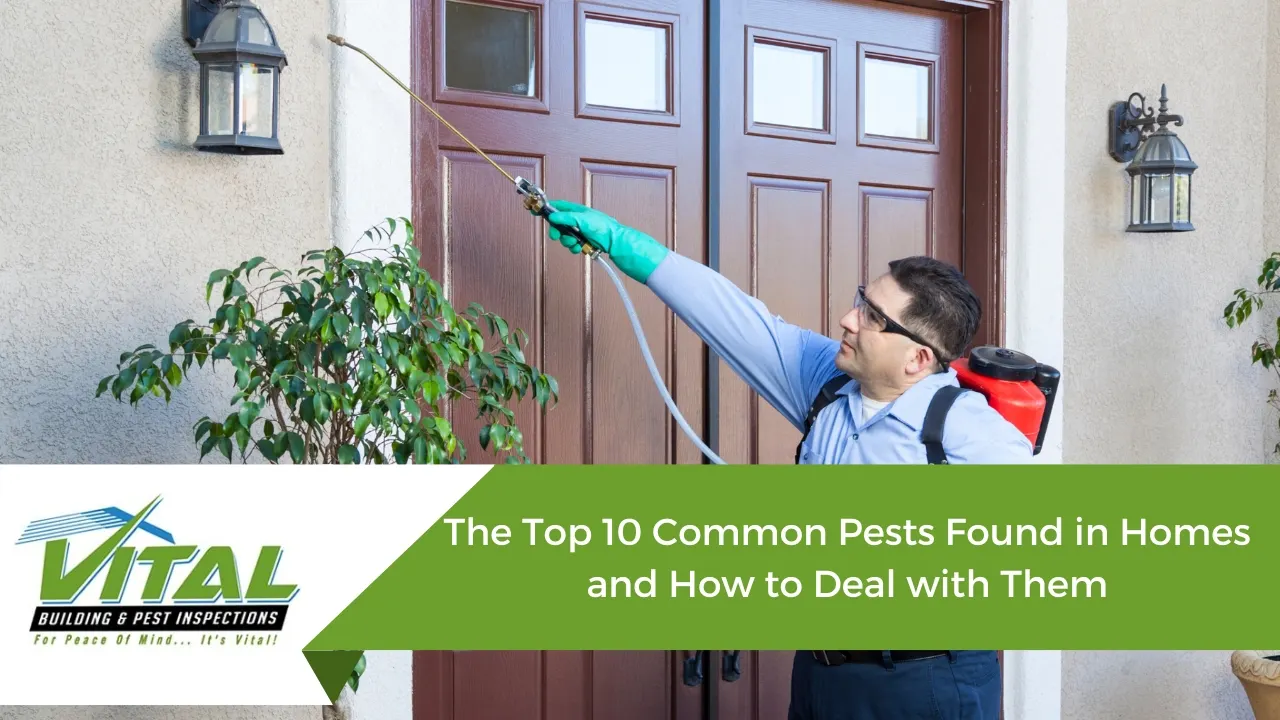
The most common household pests in Sydney homes are ants, cockroaches, bed bugs, mice, rats, spiders, termites, mosquitoes, flies and silverfish. Most of them are kept in check with good housekeeping: food sealed away, benches wiped, leaks fixed, gaps sealed and standing water emptied. Termites are different, because they work out of sight inside the timber structure, so they're the pest a regular inspection is designed to find.
Common household pests at a glance
These are among the most common pests in Australia's cities, and here's what draws each one in:
| Pest | What draws it in | First step |
|---|---|---|
| Ants | Food, especially sweet foods | Sealed food, clean benches |
| Cockroaches | Food, warmth and shelter in kitchens | Clean kitchen, sealed gaps |
| Bed bugs | Beds and furniture where people sleep | Hot washing, professional treatment |
| Mice and rats | Food, water and nesting spots | Sealed food and entry points |
| Spiders | Insects to eat, and sheltered corners | Less clutter, gloves in the garden |
| Termites | Moisture and timber | Fixed leaks, annual inspection |
| Mosquitoes | Standing water | Weekly emptying of containers |
| Flies | Food and household waste | Clean, covered bins and screens |
| Silverfish | Humidity and starchy materials | Dry, ventilated rooms |
Ants
Ants are 1 of the most common household pests, and they follow trails to food, especially sweet and greasy food. Store food in sealed containers, wipe benches and floors, rinse recycling and seal gaps where trails come inside. Baits placed along the trail are a common first step.
Some ants sting. Healthdirect's guide to insect bites and stings lists the jack jumper ant among the insects whose stings can cause severe allergic reactions, so nests near paths and play areas are worth treating promptly.
Cockroaches
The Australian Museum's page on the German cockroach describes it as the hardest pest cockroach to get rid of. It lives mostly in kitchens, frequently inside cupboards, drawers and electrical appliances, prefers starchy foods such as potatoes, rice and cereal, and 1 female can produce up to 20,000 young a year.
That breeding rate is why early action pays off. Keep the kitchen clean, store food sealed, take rubbish out daily and seal gaps around pipes and under sinks. Baits and traps placed where cockroaches shelter are a common first step, and a licensed technician can treat a larger infestation.
Bed Bugs
Healthdirect's guide to bed bugs explains that bed bugs are small insects, up to 6 mm long, that feed on human blood, and that they're most often found in mattress seams, bed frames, bedside tables and behind skirting boards. Signs include spots of blood or brown marks on sheets and mattresses, and waking with bites.
Bed bugs aren't known to spread disease, although some people react to the bites. Healthdirect recommends washing bedding and clothes in water above 60°C, checking second-hand furniture before bringing it inside, and calling a licensed pest management company if you think you have an infestation, because they're hard to clear without professional help.
Mice
Mice nest in ceilings, wall cavities, cupboards and garages, close to food. HealthyWA's guide to keeping rats and mice under control notes that they can spread diseases such as salmonellosis and leptospirosis through their urine, droppings and contaminated food and water.
Signs include droppings, gnawed packaging and scratching in the ceiling at night. Store food and pet food in sealed containers, seal gaps around pipes and doors, and set traps along walls where mice travel.
Rats
Rats are larger than mice and need the same 3 things: food, water and shelter. HealthyWA notes that rats and mice can breed roughly every 20 days, so numbers build quickly. Keep bins covered, store pet food and birdseed sealed, pick up fallen fruit, cut back dense plants against the house and move stored items off the ground. If rats have moved into the roof space, a licensed pest management technician can help.
Spiders
Most spiders around the home are harmless, and they eat other insects. Healthdirect's guide to spider bites explains that funnel-web spiders and other big black spiders are very dangerous, and that redback bites can cause a lot of pain but aren't life-threatening.
For a funnel-web or mouse spider bite, Healthdirect advises keeping the person still, applying a firm elastic roller bandage and splinting the limb, then getting urgent medical help. Wear gloves when gardening, shake out shoes and clothes left outside, and reduce clutter in garages and sheds.
Termites
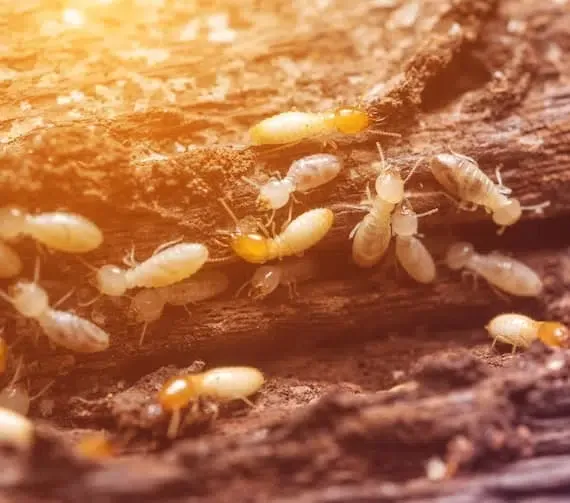
Termites are the household pest that affects the structure itself. They eat timber from the inside, so floors, wall frames and roof timbers can look sound while they're damaged. The Australian Museum's page on termites explains that subterranean termites become pests where they find a constant water source, and that they fly in spring and autumn.
Fix leaking taps, pipes and air conditioner drains, keep garden beds, mulch and stored timber clear of the walls, and keep the slab edge visible. The Australian Standard for termite management, AS 3660.2, recommends a timber pest inspection at least once a year. A termite inspection checks for activity, and treatment is carried out by a licensed technician.
Mosquitoes
Mosquitoes breed in standing water. NSW Health's page on mosquito reduction explains that mosquito eggs need standing water for about a week to develop, so emptying water-holding containers once a week stops them completing their development. It recommends:
- removing or emptying buckets, tyres and toys, and storing them dry
- emptying and wiping out bird baths, pet water bowls and water features
- filling pot plant bases with sand
- clearing drains and roof gutters so water runs freely
- covering or screening the openings of rainwater tanks
- fitting fly screens on windows, doors and vents
NSW Health notes that mosquitoes can spread diseases such as Japanese encephalitis, so these steps protect your household's health as well as its comfort.
Flies
Victoria's Department of Health technical note on flies explains that the house fly is the most widespread fly in Australia, that it breeds in household waste, and that flies can transmit diseases such as salmonella, dysentery and hepatitis because they move between waste and food. Its non-chemical steps include:
- screens on windows and doors
- keeping garbage bins clean and dry
- cleaning up soon after handling food
- picking up pet droppings and lawn clippings, which flies use for breeding
- fly swatters and sticky or baited traps
Silverfish
The Australian Museum's page on silverfish explains that indoors they feed on starchy substances such as wallpaper glue, book bindings and photographs, and that they favour humid areas like bathrooms. Keeping rooms dry and ventilated, running exhaust fans, fixing leaks and storing papers and photos in sealed containers keeps their numbers down.
Prevent pests taking hold with regular pest inspections
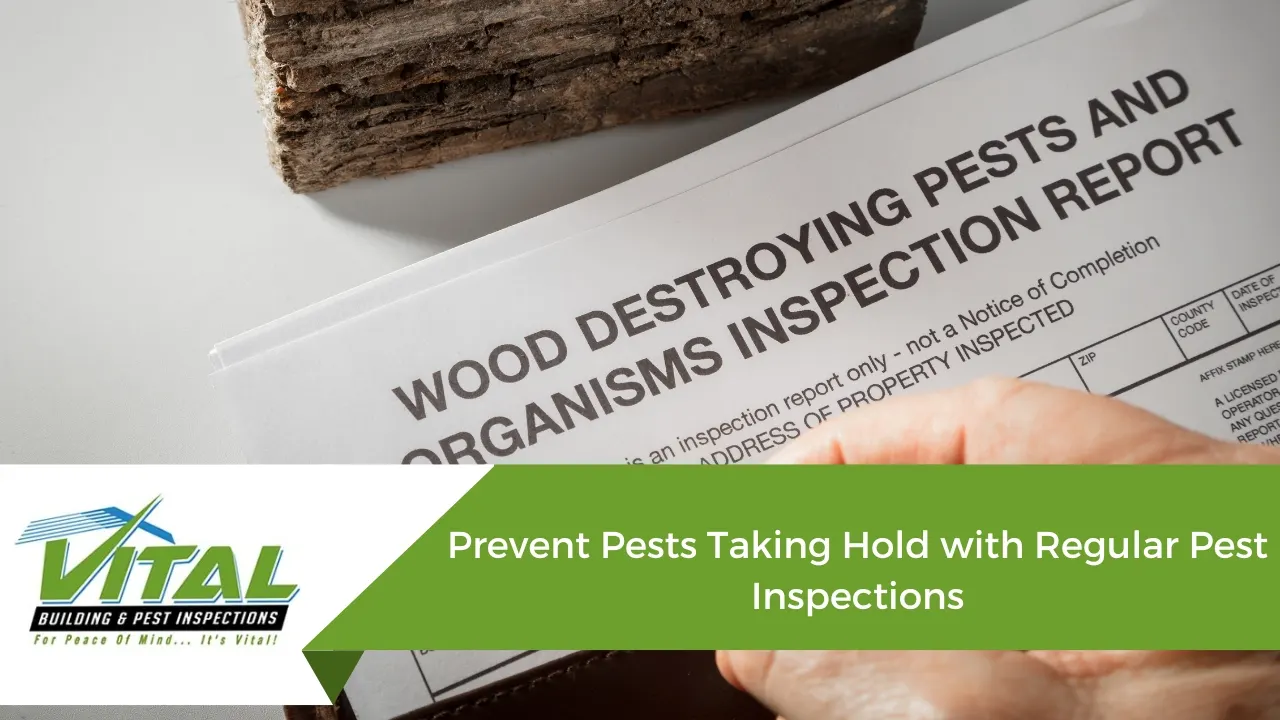
Housekeeping handles most common household pests. Timber pests need a closer look, because they work inside walls, floors and roof timbers. A Vital pest inspection is a timber pest inspection to AS 4349.3, covering termites, borers, timber decay and the conditions that attract them.
Where appropriate, your inspector may use a Termatrac T3i to help check for termite movement inside walls, a moisture meter to look for the damp that draws termites in, and a thermal imaging camera to show hidden moisture behind surfaces. If there are signs of other pests along the way, such as rodents or cockroaches, the report notes them so you can arrange pest control.
The report lists active pests, damage and conducive conditions, with photos and a recommendation for each, so you know which leaks to fix, which timber to move and whether treatment is needed. A timber pest inspection every year, as AS 3660.2 recommends, keeps termites in check before they reach the structure.
Book a pest inspection
Every inspection is carried out in-house by Vital's own experienced inspectors, with no subcontractors. You're encouraged to attend the inspection, meet your inspector and ask questions on site. Your inspector walks you through the findings and answers your questions about the report. There are more guides on pests and pest control on the guides page.
Frequently asked questions
What are the most common household pests in Australia?
In Sydney homes, the pests people deal with most are ants, cockroaches, bed bugs, mice, rats, spiders, termites, mosquitoes, flies and silverfish. Most are drawn in by food, water and shelter, so sealed food, clean benches, fixed leaks and sealed gaps keep them in check. Termites are the 1 to watch most closely, because they damage the timber structure out of sight.
Which household pests damage a home's structure?
Timber pests: termites, borers and timber decay. Termites eat timber from the inside, so floors, frames and roof timbers can look sound while they're damaged. A timber pest inspection to the Australian Standard checks for all 3, along with the conditions that attract them, such as leaks, poor drainage and timber in contact with the ground.
Does a pest inspection check for cockroaches and rodents?
Vital's pest inspection is a timber pest inspection to the Australian Standard, covering termites, borers, timber decay and the conditions that attract them. If your inspector notices signs of other pests along the way, such as rodents or cockroaches, the report notes them so you can arrange pest control with a licensed pest management technician.
Are bed bugs dangerous?
Healthdirect explains that bed bugs feed on human blood but aren't known to spread disease, although some people react to the bites. Signs include spots of blood or brown marks on sheets and mattresses, and waking with bites. Washing bedding above 60°C helps, and a licensed pest management company can treat an infestation.
How do I keep pests out of my home?
Store food in sealed containers, wipe benches and floors, and keep bins clean, dry and covered. Fix leaking taps and pipes, seal gaps around pipes and doors, and fit fly screens. Empty anything holding water at least once a week, keep garden beds and stored timber clear of the walls, and book a timber pest inspection every year.