
Guides
Bee Sting Remedies
Bee sting treatment in Australia starts with scraping the sting out with a card or fingernail, washing the area and applying a cold pack, and an allergic reaction needs an adrenaline autoinjector and a call to triple zero (000) straight away.
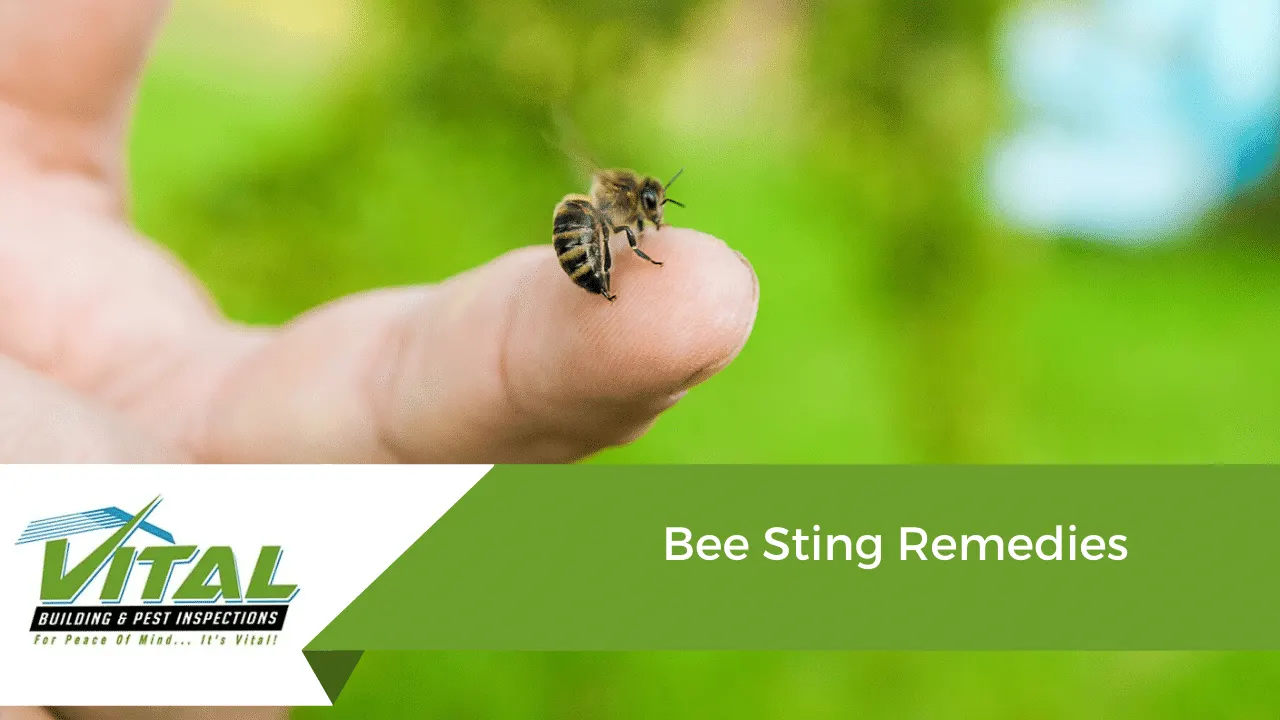
Bee sting treatment in Australia is simple for most people: scrape the sting out, wash the area, and apply a cold pack. The exception is an allergic reaction, which needs emergency treatment straight away. Bees are in almost every Sydney backyard, so it's worth knowing what to do if you, or someone near you, is stung.
The Australian Institute of Health and Welfare's report on venomous bites and stings found that bee and wasp stings caused 1,256 of the 3,520 hospitalisations from venomous animals and plants in 2017-18, about a third of the total, and more than snakes or spiders. Most stings are minor, and knowing the right first aid makes a real difference for the few that aren't.
Bee sting treatment Australia at a glance
- A person with a history of allergic reactions to bee stings needs medical attention straight away.
- A honey bee leaves its sting in the skin, and the venom sac keeps pumping venom for a short time, so remove it quickly.
- A cold pack, pain relief and an antihistamine ease the pain, swelling and itch.
- Removing bee swarms and nests from around your home cuts down the chance of stings.
Emergency treatment is needed for allergic reactions or anaphylactic shock
A person with a history of allergic reactions to bee stings needs medical attention straight away. Healthdirect lists the signs of anaphylaxis as difficulty breathing, a swollen tongue or throat, wheezing or a persistent cough, a change in voice, dizziness or collapse, and tummy pain or vomiting.
If you think someone is having an anaphylactic reaction:
Use the adrenaline autoinjector
If the person has one, such as an EpiPen, use it straight away. It's injected into the outer thigh.
Call triple zero (000)
Ask for an ambulance, even if the person seems to improve.
Follow their action plan
If the person has an ASCIA allergy action plan, follow it while you wait for help.
Many people who know they have a bee sting allergy carry an adrenaline autoinjector. Some people only find out they're allergic when they're stung, so keep an eye on anyone who's been stung for the next hour or so.
Remove the stinger with a card or any straight edge object and clean the area
A honey bee leaves its sting in the skin, and it looks like a small black dot. The venom sac attached to it keeps releasing venom for a short time, so remove it quickly. Scrape it out sideways with the edge of a fingernail, a bank card, a blunt knife or any straight edge. Healthdirect advises against pinching or pulling the sting out, because squeezing the venom sac can push more venom in.
Then:
- wash the area with soap and water
- hold a cold pack, wrapped in a towel or cloth, on the sting for about 15 minutes, and repeat if the pain continues
- take pain relief, such as paracetamol, if you need it
- take an antihistamine for itching, if a pharmacist recommends one.
Wasps keep their sting, so for a wasp sting you can go straight to washing and a cold pack.
Other remedies to control the pain, itching and swelling
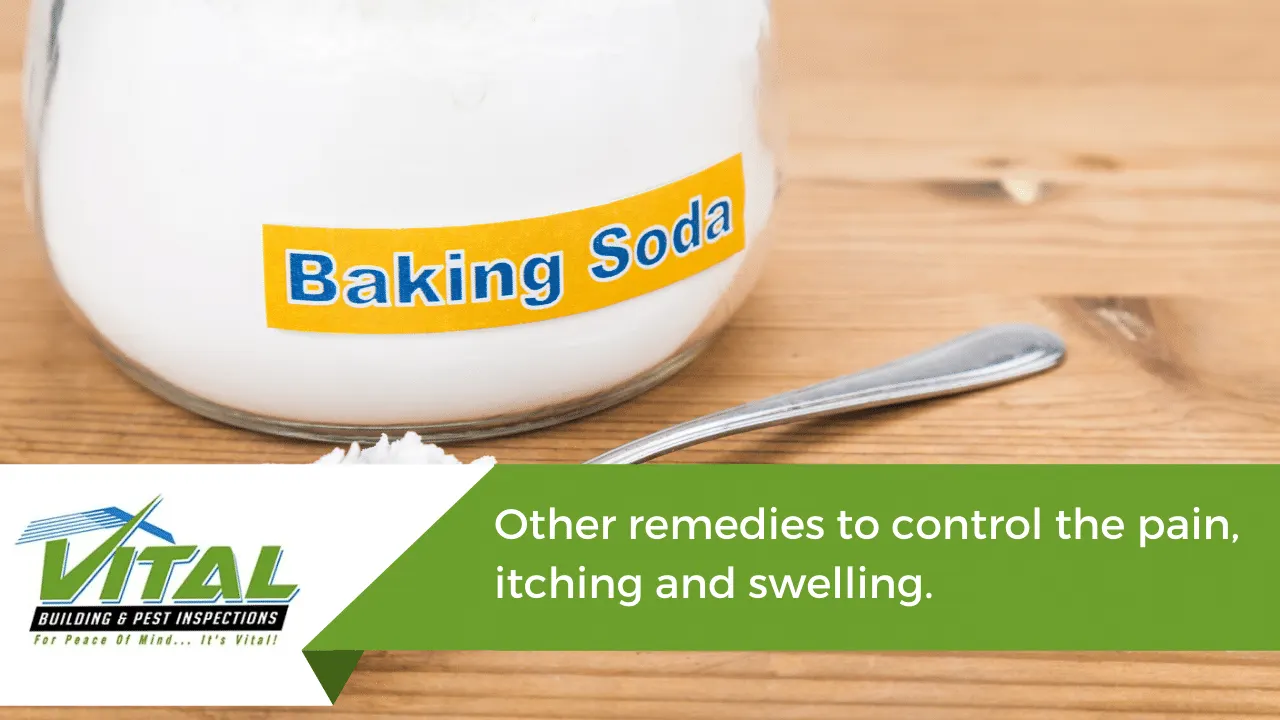
A bee sting can stay sore and itchy for a day or 2. Alongside a cold pack, these are home remedies people commonly use to soothe the area. The evidence for them is limited, so treat them as comfort measures, and see a pharmacist or GP if the swelling keeps growing or the sting looks infected.
- Baking soda. Mixed with a little water to make a paste and dabbed on the sting.
- Witch hazel. Dabbed on, preferably chilled, and left to dry on the skin.
- Apple cider vinegar. On a cotton ball, held on the sting.
- Honey. Spread over the sting and left to dry, then washed off. Honey is soothing and has antibacterial properties.
- Aloe vera gel. From a cut aloe vera leaf, for its soothing, cooling effect.
- Peppermint oil. 1 or 2 drops, mixed with olive or coconut oil for sensitive skin.
- White toothpaste. Some people find it cools the itch.
- Medicines. Pain relief and an antihistamine from the pharmacy are the most reliable options for pain and itching.
Fewer stings around your home
The best bee sting treatment is fewer stings in the first place. Around a Sydney home, that usually comes down to a few simple habits:
- wear shoes on lawns with clover and flowering weeds, where bees feed
- keep drinks covered outdoors in warm weather
- mow flowering lawn weeds before children play on the grass
- watch for bees going in and out of a gap in a wall, eave, roof or subfloor, which can mean a nest inside.
A honey bee swarm hanging in a tree or on a fence is usually resting while it looks for a new home, and a local beekeeper can often collect it. A nest inside a wall cavity, roof space or subfloor is a job for a licensed pest manager, and the building gap the bees used should be sealed afterwards to keep the space closed to the next swarm.
Preventive measures courtesy of Vital Pest and Building Inspections
Vital's pest inspections focus on termites and other timber pests, to AS 4349.3. Your inspector checks the roof space, subfloor, walls and grounds of your home with a thermal imaging camera and a Termatrac T3i, and if signs of other pests turn up along the way, such as a nest in the roof space, your report notes them so you can arrange the right help.
You're welcome to be there for the inspection and walk through the findings with your inspector. Book a pest inspection, send Vital a message, or call Vital on 0401 012 074.
Frequently asked questions
What is the first aid treatment for a bee sting in Australia?
Healthdirect's advice is to scrape the sting out with the edge of a fingernail or a card, wash the area with soap and water, and hold a cold pack wrapped in a cloth on it for about 15 minutes. Pain relief and an antihistamine can help with pain and itching. Watch for signs of an allergic reaction afterwards.
Should I pull a bee sting out with tweezers?
Scrape it out sideways instead. Healthdirect explains that pinching or pulling the sting can squeeze the venom sac and inject more venom. The edge of a fingernail, a bank card or any straight edge works well, and the sooner the sting comes out, the less venom goes in.
When is a bee sting an emergency?
Signs of anaphylaxis include difficulty breathing, a swollen tongue or throat, wheezing, a change in voice, dizziness, collapse, tummy pain or vomiting. Use an adrenaline autoinjector straight away if one is available, then call triple zero (000) for an ambulance and follow the person's allergy action plan if they have one.
Do home remedies such as baking soda or honey help a bee sting?
Many people use home remedies such as a baking soda paste, honey or aloe vera for comfort, and the evidence for them is limited. A cold pack, pain relief and an antihistamine are the reliable first steps, and a pharmacist or GP can advise on a sting that stays painful or swollen.
What should I do about bees nesting near my house?
A local beekeeper can often collect a honey bee swarm, and a licensed pest manager can deal with a nest in a wall, roof space or subfloor. Keep children and pets away from the nest until it's removed. During a pest inspection, your inspector notes any signs of pests seen along the way, so you can arrange the right help.