
Guides
The Australian Cockroach - an Australian Pest
Australian cockroaches are large, reddish-brown cockroaches with yellow edges on the body and wings that live mostly outdoors and come inside for warmth, water and food. This guide covers how to identify them, where they live, how long they live and how to keep them out of your house.
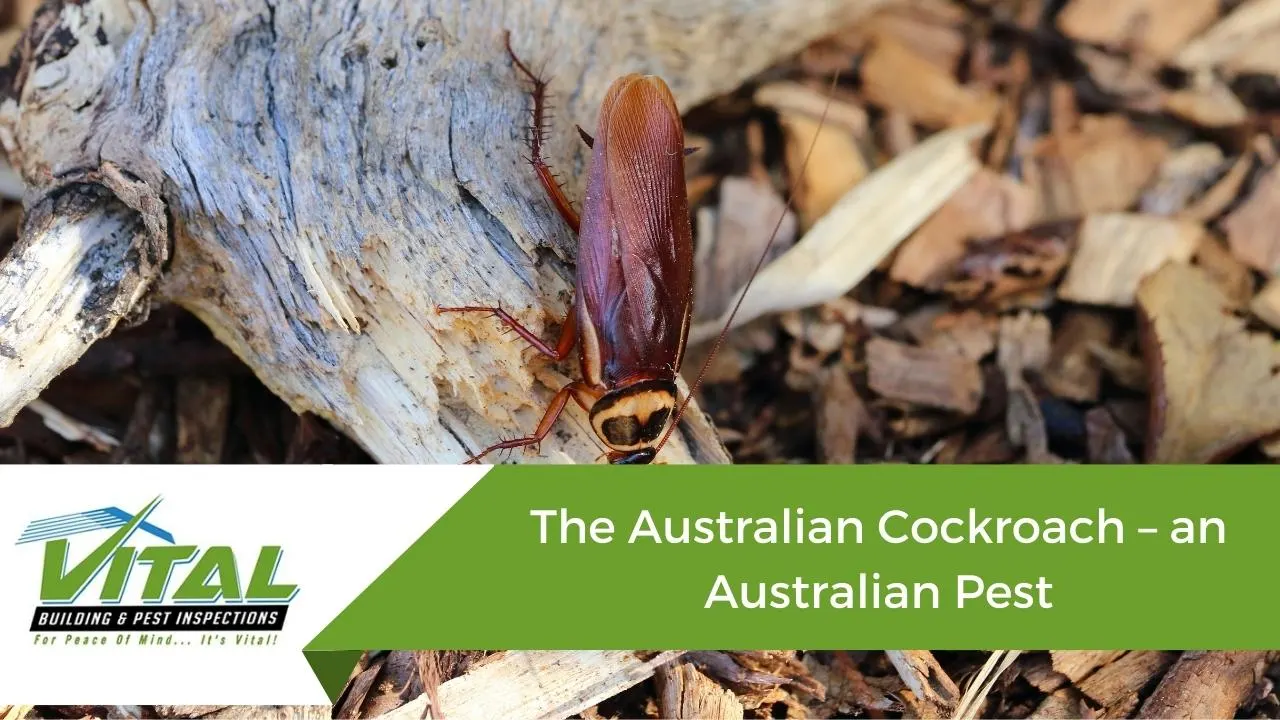
Australian cockroaches are large, reddish-brown cockroaches with distinctive yellow edges, and they spend most of their lives outdoors in trees, bark and leaf litter. They come inside when the weather cools or dries out, looking for warmth, moisture and food, which is when you're most likely to see them in a kitchen, bathroom or laundry.
The Australian Museum explains that virtually all cockroaches found outside homes are native species, and that none of Australia's 400 or so native species is a serious pest. Despite its name, the Australian cockroach is generally regarded as an introduced species, now found around the world, and it's 1 of the cockroaches that does make its way indoors. Here's how to recognise it, where it lives and how to keep it out of your home.
Australian cockroaches at a glance
- They're among the larger cockroaches you'll see around a Sydney home.
- They live mostly outdoors, often in groups, in bark, leaf litter and timber piles.
- An adult Australian cockroach lives about 4 to 6 months, and the full life cycle takes about a year.
- Damp, food and gaps around pipes and doors draw them inside.
What this covers
What does an Australian cockroach look like?
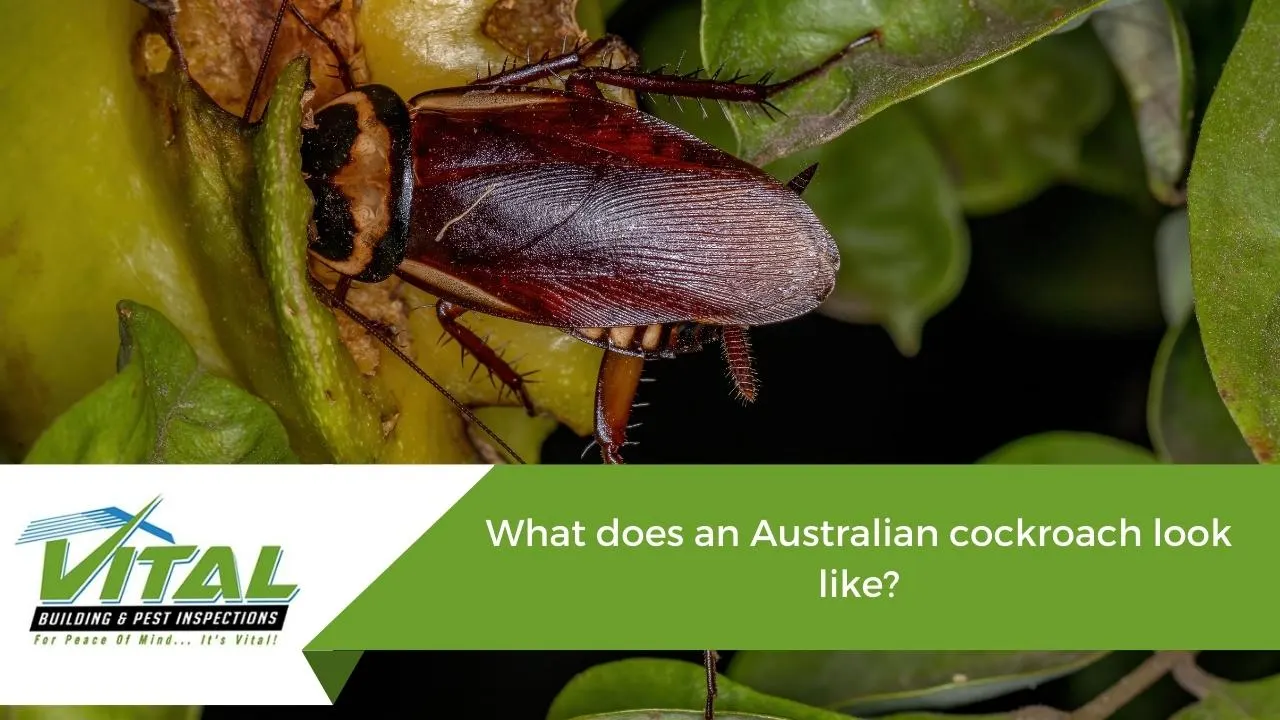
Australian cockroaches are larger than many other cockroach species, at about 2.5cm to almost 4cm long. It looks a lot like an American cockroach, because both are brown and about the same size. The Australian cockroach's yellow markings set it apart: a pale yellow band around the edge of the shield behind its head, and yellow streaks along the front edges of its wings.
Where does an Australian cockroach live, and what does it eat?
The Australian cockroach spends most of its life outdoors, often sheltering in groups. It comes indoors mainly when it's too cold or dry outside. Apart from houses, larger buildings such as shopping centres and apartment blocks can also have them.
Outdoors, you'll find them in humid places such as under tree bark and in piles of timber or leaves. Inside, they head for food and water: beside the sink and bathtub, inside cupboards, and around drains and pipes. The kitchen is a favourite, because that's where the food is.
They mainly eat plant material, including pollen, bark and leaf litter, and some feed on rotting timber. Indoors, they're drawn to starchy food.
How long do they live?
An adult Australian cockroach lives about 4 to 6 months, and its whole life cycle, from egg to adult, takes about a year.
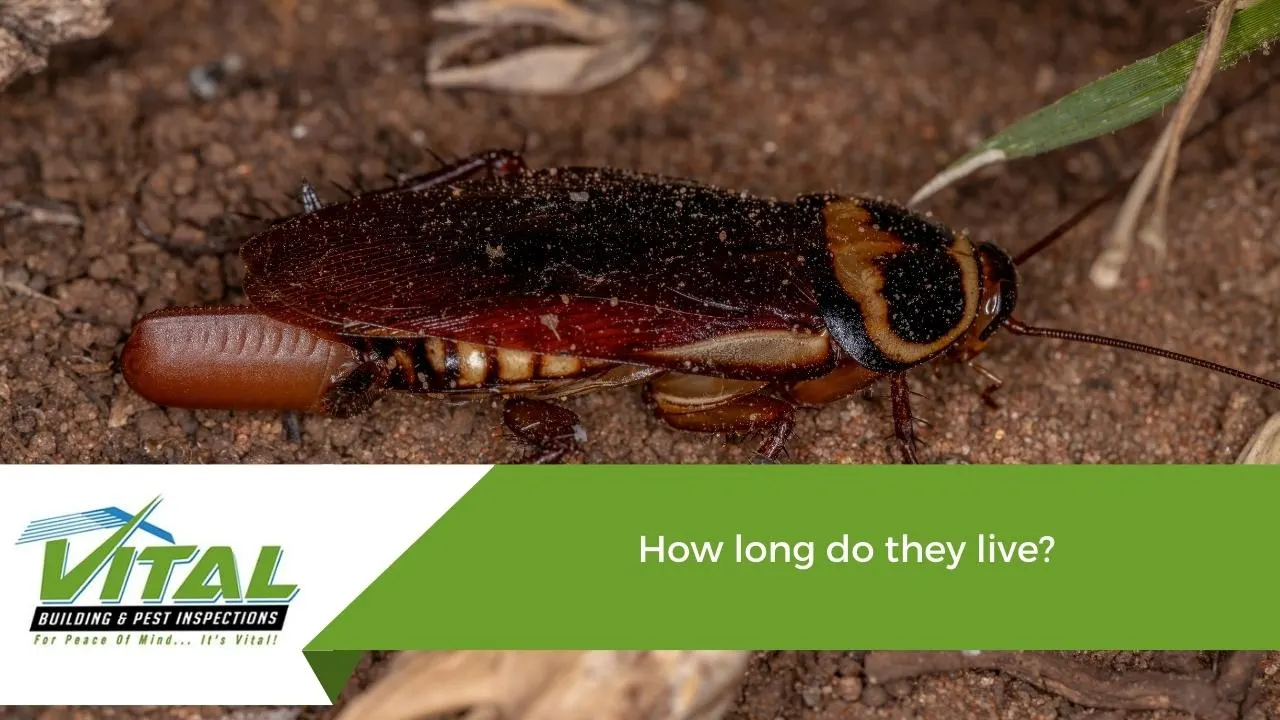
Females lay egg cases that each hold about 24 eggs, and they hide them in sheltered spots or in materials such as moist timber. That's one more reason to keep timber around the home dry and to have it inspected regularly.
The young cockroaches, called nymphs, shed their skins several times as they grow and develop their wings and yellow markings. A nymph takes around 6 to 12 months to become an adult, and adults can then start producing eggs of their own.
Where can I find these cockroaches on my property?
Australian cockroaches are mainly outdoor insects, and when the temperature drops they look for warmer places, such as your house.
Inside, the bathroom and kitchen are the most common places to find them, because they're moist and have food. Outside, look in the garden, in trees and shrubs close to the house, around a spa, and under a pool deck.
Check your drains and water pipes too. A cockroach in a drain can mean they're travelling along the pipes, and leaking sink pipes give them the water they need, so repairing leaks makes a big difference.
How can I prevent Australian cockroaches from infesting my house?
The best protection starts with everyday habits:
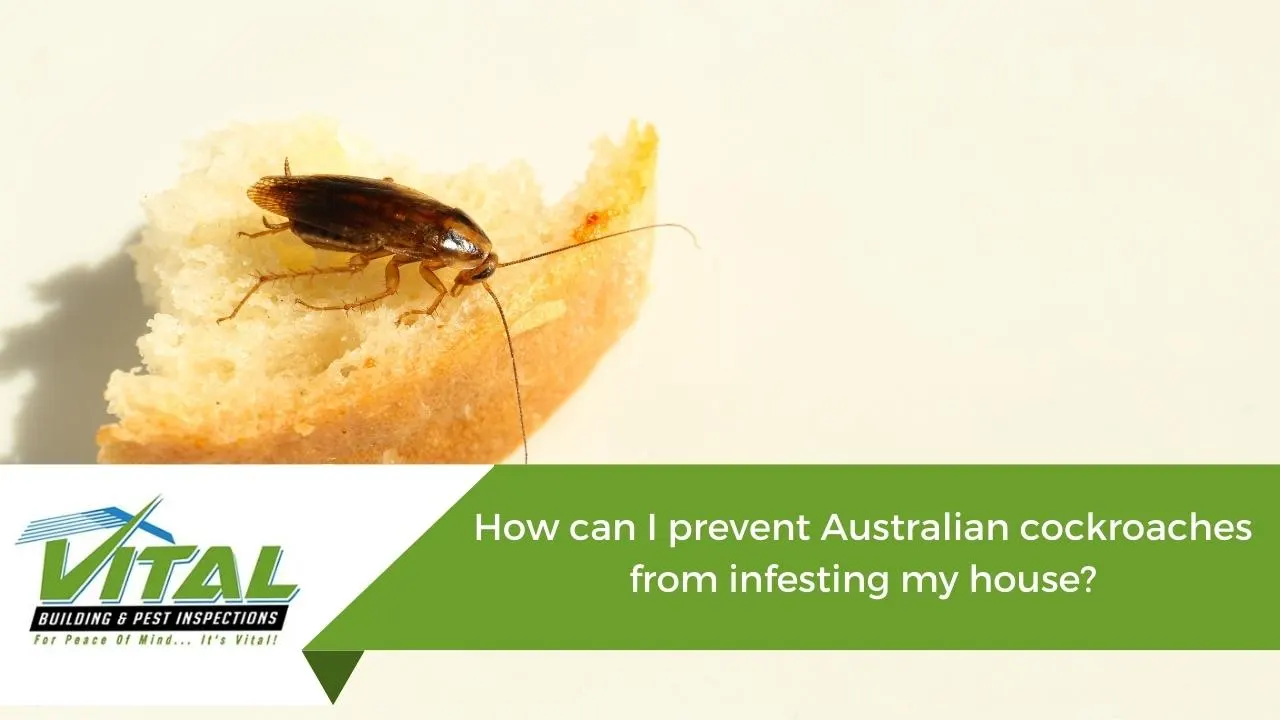
- Keep food sealed. Store pantry items in sealed glass or plastic containers, and keep benches and floors clean.
- Keep pet food secure, and clear up what your pets leave.
- Vacuum regularly, including under appliances and in cupboards.
- Keep the house dry and well ventilated, especially bathrooms and laundries, because cockroaches like moist, humid places.
- Seal gaps around pipes, doors and windows, and check the garage and shed, where cockroaches shelter in boxes and containers.
- Check what you bring inside, such as boxes and pot plants.
If Australian cockroaches are already inside, find where they're sheltering first. Look near food and in moist or damp places. Baits placed where they're active can help, and a licensed pest manager can treat an established infestation.
What it means for your property
Australian cockroaches are a nuisance pest. They can contaminate food and surfaces, and they cause no damage to the structure of your home. Their presence inside is still useful information, because the same conditions that attract them also attract the pests that do damage timber:
- a leaking pipe or shower that keeps a wall or floor damp
- a damp, poorly ventilated subfloor
- leaf litter, mulch and stored timber against the walls
- gaps around pipes and service entries.
Termites look for exactly the same moisture and shelter. So if cockroaches keep appearing in a damp bathroom or laundry, it's worth finding the source of the damp, and checking the timber nearby.
When to book an inspection
The Australian Standard for termite management recommends a timber pest inspection at least once a year. Book one sooner if you notice damp or musty areas, water stains, or pests gathering around a wet area, and before you buy a home.
Vital's own experienced inspectors carry out every pest inspection in-house, to AS 4349.3. Where appropriate, your inspector may use a thermal imaging camera, a moisture meter and a Termatrac T3i to help look for signs of moisture and termite activity, and your report sets out any activity, damage and the conditions that attract pests, with photos. If the inspection turns up signs of other pests, such as cockroaches or rodents, the report notes them so you can arrange pest control.
Your Vital report is fully independent, and you're welcome to be there and walk through the findings with your inspector. Book a pest inspection, send Vital a message, or call Vital on 0401 012 074.
Frequently asked questions
Are Australian cockroaches native to Australia?
Despite the name, the Australian cockroach is generally regarded as an introduced species that's now found around the world, including along Australia's east coast. The Australian Museum notes that Australia has about 400 native cockroach species, that virtually all cockroaches found outside homes are native, and that none of the native species is a serious pest.
What does an Australian cockroach look like?
An adult Australian cockroach is about 2.5cm to almost 4cm long and reddish-brown, with a pale yellow band around the edge of the shield behind its head and yellow streaks along the front edges of its wings. It looks a lot like the American cockroach, and the yellow markings are the easiest way to tell them apart.
Why are Australian cockroaches coming into my house?
Australian cockroaches live mostly outdoors and move inside when the weather cools or dries out, looking for warmth, moisture and food. Leaking pipes, damp bathrooms and laundries, food left out, and gaps around doors, windows and pipes all make a house more inviting to them.
How do I keep Australian cockroaches out of my house?
Keep food sealed and benches clean, store pet food securely, and vacuum regularly. Repair leaking taps and pipes, ventilate wet areas, and seal gaps around pipes, doors and windows. Outside, keep leaf litter, stacked timber and dense garden beds away from the walls. For an established infestation, a licensed pest manager can treat the home.
Does a pest inspection cover cockroaches?
A timber pest inspection to the Australian Standard covers termites, borers and timber decay. Cockroaches sit outside that standard, and if your inspector notices signs of them, or of other pests such as rodents, during the inspection, the report notes them so you can arrange pest control.