
Guides
Pest Infestation in Sydney: Detection and Prevention Tips
A pest infestation in Sydney shows up as unexplained damage, droppings and tracks, unusual noises or smells and pests seen in daylight. Clean, sealed food storage, sealed entry points around windows and doors, a tidy yard and a regular pest inspection keep most pests out.
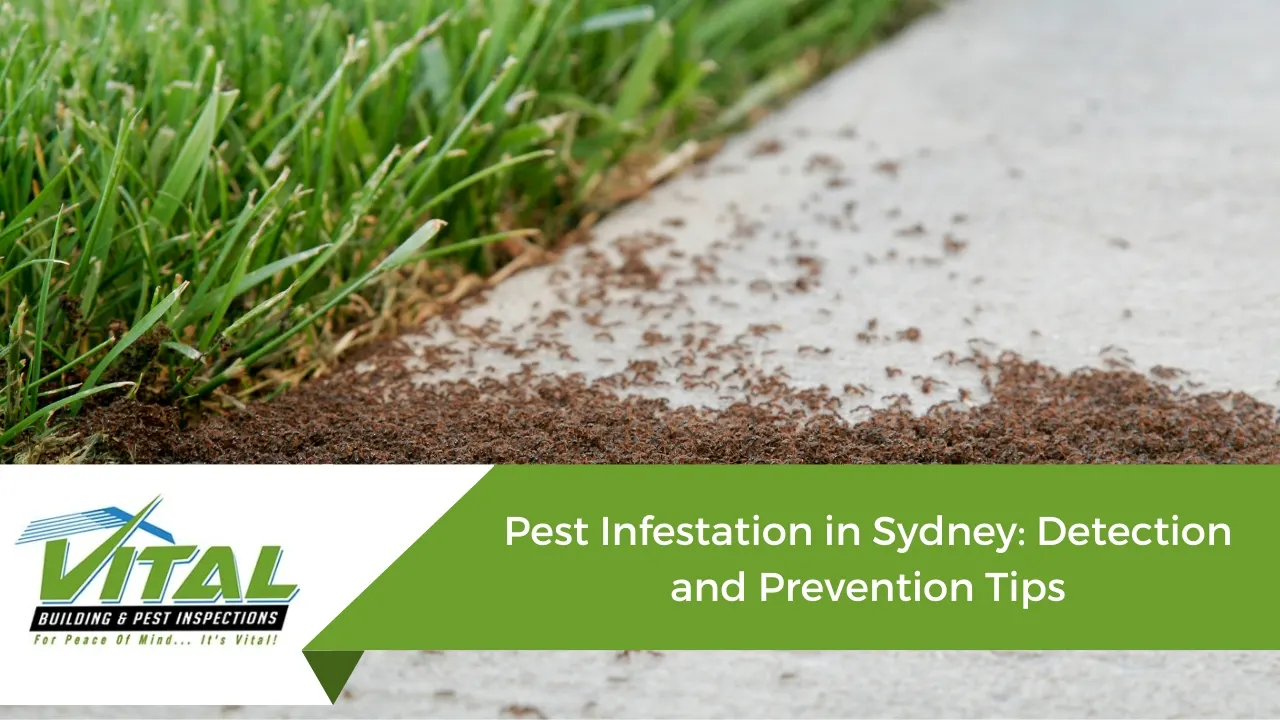
A pest infestation in Sydney usually shows itself through unexplained damage, droppings and tracks, unusual noises or smells, and pests seen in daylight. Keeping food sealed and surfaces clean, sealing gaps around windows, doors and walls, keeping the yard tidy and booking a regular pest inspection keep most pests out. Sydney's mild winters and humid summers suit cockroaches, ants, termites, rodents and spiders, so it pays to know the signs and act early.
Understanding the Sydney pest landscape
Sydney's climate, with mild winters and humid summers, gives pests warmth, moisture and food for much of the year. The most common in Sydney homes are:
- Cockroaches: in kitchens, bathrooms and warm spots near food and water, such as behind fridges and dishwashers.
- Ants: following trails to food, and nesting in gardens, paving and wall cavities.
- Termites: subterranean termites travel from the soil through mud tubes and feed on timber out of sight. They're the pest that damages the structure of a home.
- Rodents: rats and mice shelter in roof spaces, wall cavities, garages and sheds, especially in the cooler months.
- Spiders: in quiet corners, garages, sheds and under eaves.
Knowing which pests are common helps you recognise them early. The guides to common winter pests and common pests in springtime cover the seasonal picture, and the guide to the top 5 pest infestations looks at each pest in more detail.
Detection Tips: signs of a pest infestation
Catching a pest infestation early keeps treatment simpler and repairs smaller. These are the signs to look for.
Unexplained damage
- Chewed wiring and timber: rodents gnaw cables, which is a fire hazard, and termites hollow out timber from the inside.
- Holes in fabrics and carpets: small holes in upholstery, rugs and clothing can point to carpet beetles or clothes moths.
- Holes and gnaw marks: in walls, floors, skirting boards and cardboard boxes, signs that rodents are present.
Droppings and tracks
- Rodent droppings: small, dark and pellet-shaped, often along walls, in cupboards and in the roof space.
- Cockroach droppings: tiny dark specks like ground pepper or coffee grounds, in cupboards, drawers and behind appliances.
- Ant trails: lines of ants leading to food, and small piles of fine soil near walls and paving.
- Smudges: greasy marks along skirting boards and walls where rodents travel.
Unusual noises or odours
- Scratching or scurrying: in the ceiling or walls, especially at night, usually means rodents.
- Faint tapping in walls: can come from termites inside the timber.
- A musty, sweet smell in a bedroom: can accompany a heavy bed bug infestation. NSW Health's bed bugs fact sheet explains how to recognise them and what to do.
- A strong musty smell elsewhere: often means mould and damp, and damp areas attract pests as well.
Visual sighting
- Cockroaches in daylight: usually a sign of a larger population hidden nearby.
- Ant lines: follow the trail to find where they're getting in.
- Rodents during the day: mice and rats seen in living areas mean they're well established.
Window and door frames
Window and door frames are a common way in for pests, and older timber frames can attract termites. When you check your home:
- look for gaps and cracks around frames, and worn seals and weather strips
- tap timber frames and architraves, as damaged timber sounds hollow or papery
- look for mud tubes, mud packed into joints, discarded wings on sills and droppings near frames
- check for soft, swollen or flaking timber where moisture has got in
- notice doors and windows that start to stick, which can follow termite damage or moisture
If you find termite signs, leave the area undisturbed and book an inspection. Disturbed termites tend to move on and resurface elsewhere, which makes them harder to find and treat.
Prevention Tips
Maintain cleanliness and hygiene
- Wipe benches, sweep floors and empty kitchen bins regularly.
- Store food, including pet food, in airtight containers.
- Wash dishes after meals so nothing sits in the sink overnight.
- Keep bins sealed and put them out each week.
Secure entry points
- Seal cracks and gaps around doors, windows, walls and service pipes.
- Keep fly screens intact and well fitted.
- Fit door sweeps or seals to exterior doors.
- Keep timber window and door frames painted or sealed, and repair decayed timber promptly.
Regular yard maintenance
- Trim trees and shrubs so branches sit clear of the house and roof.
- Empty containers that hold water, and keep gutters and drains clear, as mosquitoes breed in standing water.
- Clear leaf litter, grass clippings and rubbish where pests shelter.
- Keep garden beds, mulch and soil below the weep holes and clear of the slab edge.
- Fit tight lids on outdoor bins.
Store firewood away from structures
- Stack firewood off the ground and away from the house, sheds and fences.
- Check logs before bringing them inside, and knock them together to dislodge insects.
Schedule professional inspections
A regular pest inspection finds termites and the conditions that attract them before they cause serious damage. Every 12 months suits most Sydney homes; a home with past termite activity benefits from more frequent inspections. The guide on how often to get a pest inspection explains the timing, and the guide to whether your house is prone to termites covers what makes a home attractive to them.
Where pests need treating, a pest management technician licensed by the NSW EPA carries out the treatment. Vital inspects and reports, so the findings show the technician where the activity is and which conditions to fix.
Take action to protect your property
If you've noticed any of these signs, or it's been more than a year since your last inspection, now is a good time to book. Pest inspections across Sydney are carried out in-house by Vital's own experienced inspectors, to AS 4349.3. Your inspector checks the interior, roof space, subfloor, garden and outbuildings, and, where appropriate, uses a Termatrac T3i, along with a thermal imaging camera and moisture meter, to help look for signs of termite activity and damp areas without cutting into walls. Your report sets out the findings, the conditions that attract pests and the recommended next steps. Your inspector walks you through the findings and answers your questions about the report.
Vital is based in Stanhope Gardens and inspects homes across north-western and south-western Sydney. Book a building and pest inspection if you're buying, so the building and termites are covered in 1 visit. Building and pest inspection guides cover termites, seasonal pests and moisture in more detail.
Frequently asked questions
What are the first signs of a pest infestation?
The early signs are droppings in cupboards, along walls or in the roof space, chewed wiring, timber or packaging, greasy smudges along skirting boards, scratching in the ceiling at night, ant trails, and pests seen in daylight. For termites, look for mud tubes, timber that sounds hollow, bubbling paint and discarded wings near windows.
What pests are most common in Sydney homes?
Cockroaches, ants, rodents, spiders and termites are the most common. Sydney's humid summers and mild winters suit them for much of the year. Subterranean termites are the ones that cause structural damage, feeding on timber out of sight, so they're the main focus of a professional pest inspection.
How can I prevent a pest infestation?
Keep food and pet food in sealed containers, clean up after meals and empty bins regularly. Seal gaps around windows, doors, walls and pipes, keep fly screens intact, trim plants back from the house and keep garden beds below the weep holes. Fix leaks promptly, because damp areas attract termites and cockroaches.
Does Vital treat pest infestations?
Vital inspects and reports. Its pest inspection finds termites and other timber pests, the damage they've caused and the conditions that attract them. Treatment is carried out by a pest management technician licensed by the NSW EPA, and Vital's report gives them a clear picture of where the activity is and what to fix.
How often should I have a pest inspection?
Every 12 months suits most Sydney homes. A home with past termite activity benefits from more frequent inspections, and so can homes near bushland or with a timber subfloor. It's also worth booking one before you buy, or straight away if you notice mud tubes or damaged timber.