
Guides
Common Pests in Springtime
The most common spring bugs and pests in Sydney homes are termites, spiders, bees, rodents, ants and cockroaches, which all become more active as the weather warms. Spring is when termites swarm to start new colonies, which makes it a good time for a termite inspection.
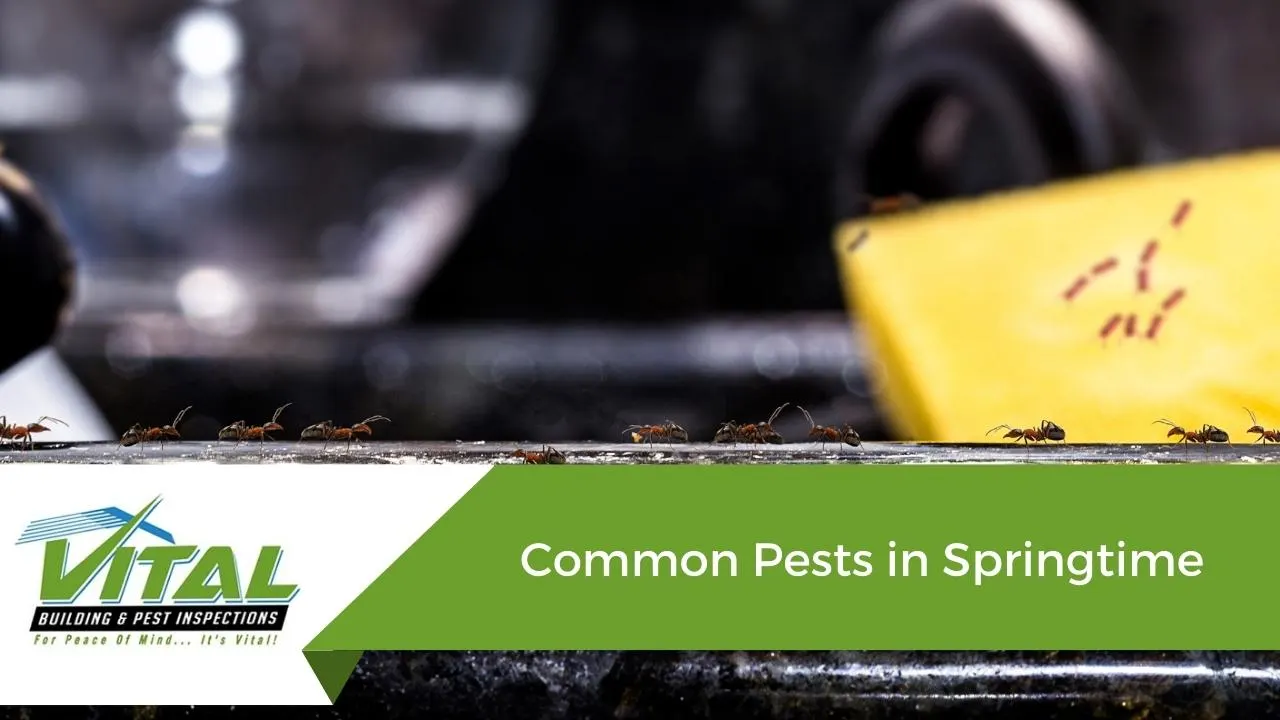
The most common spring bugs and pests in Sydney homes are termites, spiders, bees, rodents, ants and cockroaches. Warmer days, spring rain and rising humidity bring insects out, and the animals that feed on them follow. Spring is also when termites swarm to start new colonies, so it's a good time to check your home and book a pest inspection.
What this covers
This guide covers the spring pests Sydney homeowners most often notice, what each one means for your home, and the simple steps that keep them outside. Most, like ants, cockroaches and rodents, are household pests that a licensed pest manager treats. Termites are different, because they damage the building itself, and that's where a timber pest inspection comes in.
Vital carries out every pest inspection in-house, as a timber pest inspection to AS 4349.3. It focuses on termites, borers, fungal decay and the conditions that attract them. If your inspector notices signs of other pests along the way, the report notes them so you can arrange pest control.
Common spring bugs and pests in Sydney homes
Termites
Spring is swarming season. On warm, humid evenings, often after rain, mature termite colonies release winged termites that fly off to start new colonies. You may see them gathering around lights, or find piles of discarded wings on windowsills and near doors the next morning.
A swarm tells you there's a mature colony nearby, in your garden, a neighbour's property or your home. Watch for mud tubes on piers and walls, timber that sounds hollow when tapped, and paint that bubbles. Leave any tubes and damaged timber undisturbed, and book a termite inspection. Where appropriate, your inspector may use a Termatrac T3i, whose radar can pick up termite movement inside walls without disturbing the nest.
Spiders
More insects in spring means more food for spiders, so you'll often see more webs around windows, eaves and outdoor furniture. Most spiders around Sydney homes are harmless, and some are dangerous, so take care. Shake out shoes left outside and gardening gloves before you use them, wear gloves when gardening, and brush away webs around doors and windows.
Bees
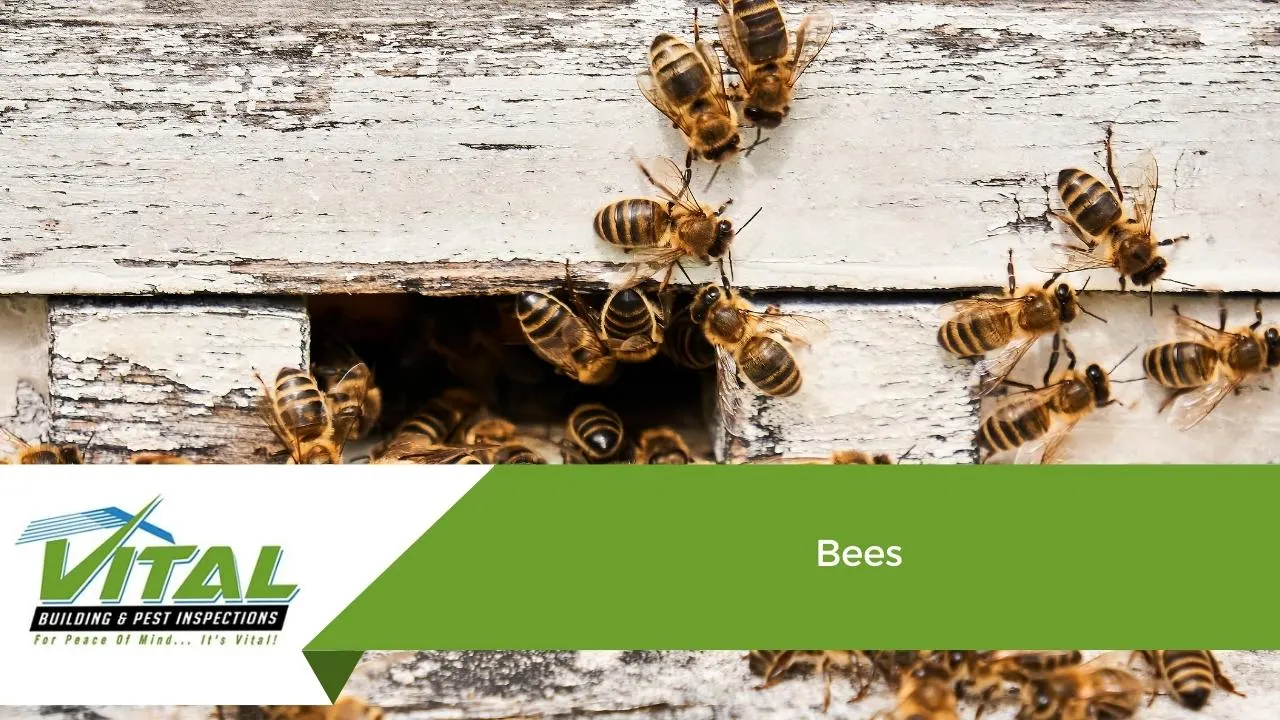
Bees forage in spring and summer, and they're an important part of the garden. Colonies also swarm in spring to form new hives, and a swarm can settle in a wall cavity, roof space or garden shed. Keep your distance from a swarm or hive, and contact a local beekeeper or licensed pest manager, who can often relocate honey bees safely. Anyone allergic to stings should take extra care in the garden.
Rodents
Rats and mice breed through much of the year, and populations often build up as food becomes plentiful in spring. They chew food packaging, wiring, insulation and stored belongings, and nest in roof spaces, wall cavities and sheds. Seal gaps around pipes, vents and eaves, store food in sealed containers, and keep bins and compost covered.
Ants
Ant activity rises with the warmer weather, and a kitchen with crumbs or sweet spills draws them inside. Wipe benches, store food in sealed containers, clean up spills promptly and seal the gaps where ant trails enter the house.
Cockroaches
Cockroaches are active all year, and warmth and humidity make them busier. They carry bacteria onto benches and food, and their droppings can trigger allergies. Keep bins covered, store food in sealed containers, fix dripping taps and seal cracks around windows, doors and pipes. Baits placed in cupboards and behind appliances help, and a licensed pest manager can treat a larger infestation.
What it means for your property
Most spring bugs are a nuisance and a hygiene issue rather than a threat to the building. Rodents are the exception among household pests, because chewed wiring is a fire hazard. Bee swarms that settle inside a wall or roof also need attention, because honey and wax can damage linings over time.
Termites matter most for the building itself. A colony that's found its way into a home feeds on floors, wall frames and roof timbers, and the damage grows the longer it goes unnoticed. Spring rain and humidity add moisture around the home, which is exactly what termites look for. A timber pest inspection finds activity and the conditions that attract it, so you can deal with both early.
Seal entry points
Close gaps around pipes, vents, eaves, doors and windows, and keep fly screens in good repair.
Store food well
Keep food in sealed containers, wipe benches, clean up spills promptly and keep bins and compost covered.
Manage moisture
Fix leaking taps and pipes, clear gutters and downpipes, and make sure the subfloor is ventilated.
Keep the garden clear of the house
Keep garden beds and mulch below the weep holes, trim plants back from walls and move stored timber away from the house.
Book regular inspections
Every 12 months suits most Sydney homes, and a home with past termite activity benefits from more frequent inspections.
When to book an inspection
Book a pest inspection if you've seen a termite swarm or discarded wings near your home, if you've found mud tubes or hollow timber, if it's been 12 months or more since your last inspection, or if you're buying a home. Spring is a practical time to book, because any treatment can be in place before the warmer months.
Vital is based in Stanhope Gardens and inspects homes across north-western and south-western Sydney. Your report sets out the findings, with photos and a clear action plan. Your inspector walks you through the findings and answers your questions about the report. Read more on seasonal pests on the guides page, including the guide to common winter pests.
Frequently asked questions
What bugs come out in spring in Sydney?
As the weather warms, Sydney homes see more spiders, bees, ants, cockroaches and rodents, and termites swarm to start new colonies. Warmth, rain and humidity bring insects out, and the predators that feed on them follow. Most can be kept outside with simple habits around the home.
When do termites swarm in Sydney?
Termites usually swarm on warm, humid evenings in spring and early summer, often after rain. Winged termites fly from a mature colony to start new ones, and you may see piles of discarded wings near windows, doors and lights. A swarm near your home is a good reason to book a termite inspection.
Are winged termites a sign of an infestation?
They can be. Winged termites come from a mature colony nearby, which may be in your garden, a neighbour's property or your home. Discarded wings inside, especially near windows and doors, are worth a closer look. Leave any mud tubes undisturbed and book an inspection to find out where they came from.
How do I keep spring pests out of my home?
Seal gaps around doors, windows and pipes, keep fly screens in good repair, store food in sealed containers and keep bins covered. Fix leaks and keep gutters clear, because moisture attracts termites and cockroaches. Keep garden beds and mulch below the weep holes and timber away from the house.
Is spring a good time for a pest inspection?
Yes. Spring is when termites are most visibly active, so it's a good time to check the home and plan any treatment before summer. Every 12 months suits most Sydney homes, and a home with past termite activity benefits from more frequent inspections.