
Guides
The Top 5 Pest Infestations to Look Out for in Your Home
Signs of pest infestation include droppings, damaged or hollow timber, gnaw marks, nests, shed skins and unusual smells. This guide covers the 5 most common household pests in Sydney homes, how to spot each one early and how to keep them out.
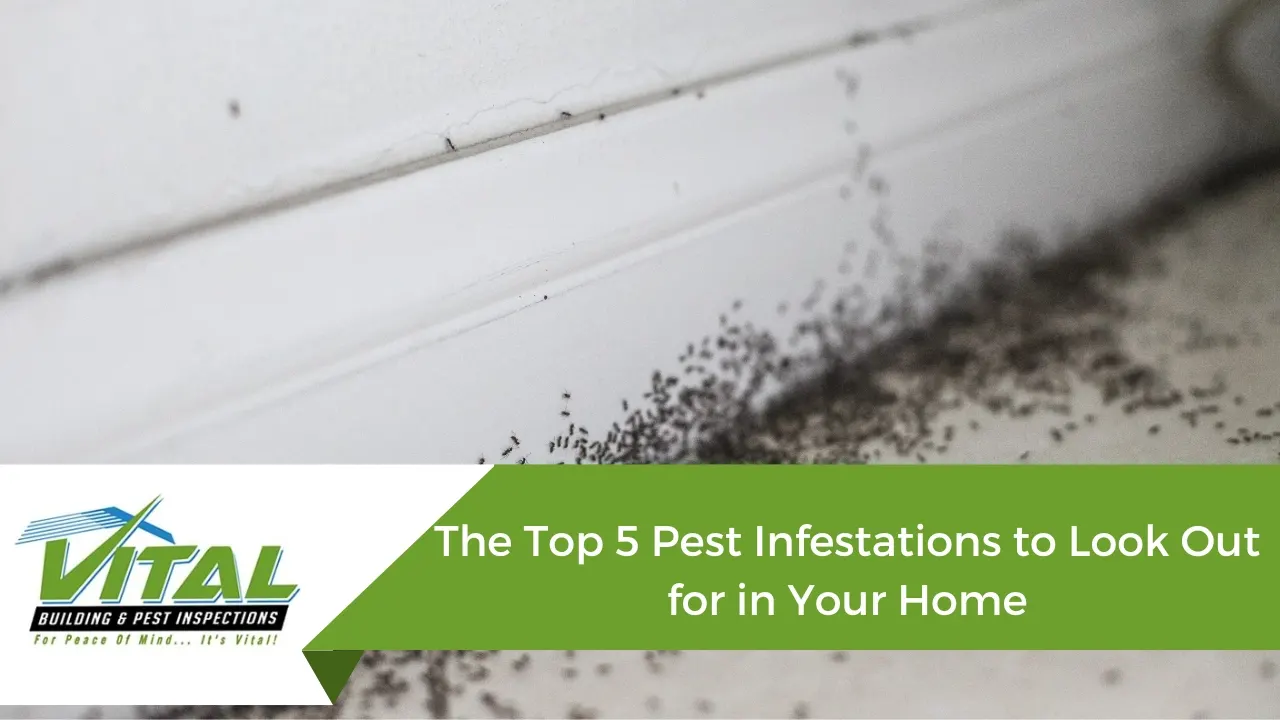
The signs of pest infestation are usually small to begin with: droppings, gnaw marks, mud leads, hollow-sounding timber, shed skins, nests and unusual smells. Knowing what each sign means helps you spot the 5 most common household pests early, when they're simplest to deal with, and keep them out for good.
Pest Infestations
Pests range from insects such as ants, termites and cockroaches to rodents such as rats and mice, along with bed bugs, fleas and ticks. Most find their way in through small cracks and gaps, and once inside they breed quickly and spread through the home, so catching them early makes the job far simpler.
Some pests are about hygiene and comfort, and termites are about the structure of the home. Vital's inspectors check homes for termites and other timber pests to AS 4349.3, and this guide covers the signs worth looking out for.
The top 5 pest infestations to watch out for in your home
1. Termites
Subterranean termites eat the timber in floors, wall frames, roofs and skirting boards from the inside, often unseen. Signs include mud leads on walls and piers, hollow-sounding timber, bubbling paint and discarded wings after a warm, humid evening. A timber pest inspection finds them early, when treatment is simpler.
2. Rodents
Rats and mice nest in roof spaces, wall cavities and sheds, and they gnaw wiring, insulation, timber and packaging. Signs include droppings, grease marks along walls and beams, gnawed materials, nests of shredded paper or insulation, and scratching at night. Peter's guide to the signs of rodents covers each one.
3. Cockroaches
Cockroaches shelter in warm, dark, damp places such as kitchens, bathrooms, laundries and behind appliances, and they can spread bacteria to food and surfaces. Their droppings and shed skins can trigger allergies and asthma in some people. Read more about the Australian cockroach.
4. Ants
Ants follow scent trails to food and water, and they come inside most in warm months and after rain. Most are a nuisance in kitchens and pantries, and some species nest in damp timber or wall cavities.
5. Bed bugs
Bed bugs hide in mattress seams, bed frames and furniture, and travel in luggage and second-hand furniture. Signs include itchy bites in a line, small blood or dark spots on bedding, and a musty smell in heavy infestations.
Signs of a pest infestation
The signs of pest infestation fall into a few groups:
- Droppings and stains, such as rodent droppings, cockroach specks, urine stains and the grease marks rats leave as they travel.
- Damage, such as gnawed wires, packaging and timber, hollow or papery timber, and bubbling paint.
- Workings and nests, such as termite mud leads, nests of shredded material, and shed skins and egg cases.
- The pests themselves, often at night, when most are active.
- Sounds and smells, such as scratching in the roof or walls, and musty or unusual odours.
- Bites and spots, in the case of bed bugs, on skin and bedding.
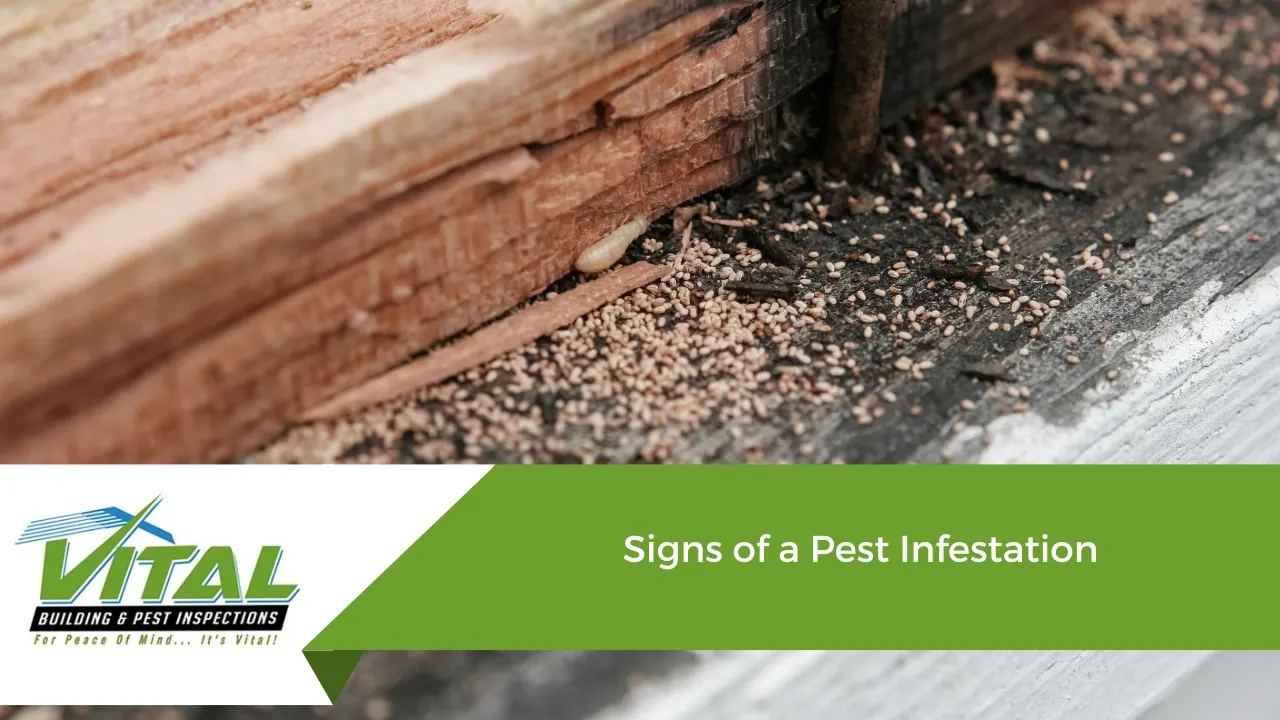
Act as soon as you see a sign. For termites, leave the area undisturbed and book a termite inspection, because breaking open the workings can drive the colony elsewhere.
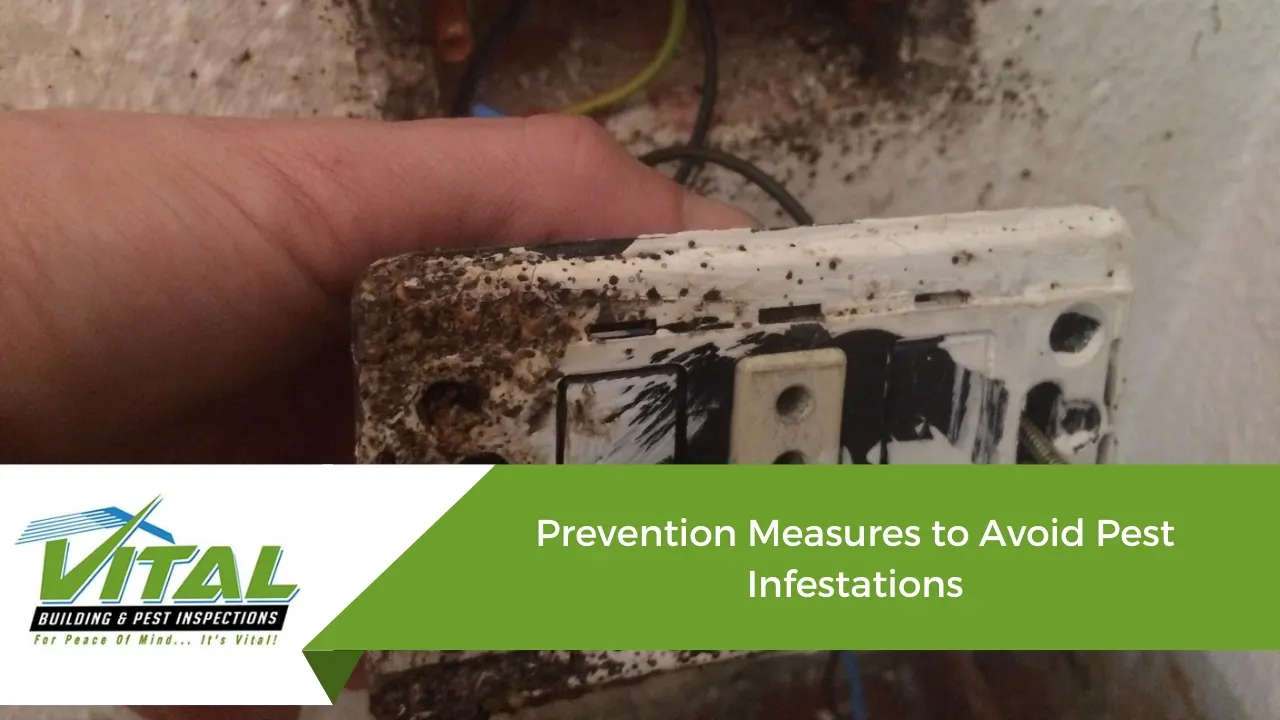
Prevention measures
Making your home less inviting is the simplest way to keep pests out. Inside:
- store food in sealed containers and clean up crumbs and spills promptly
- keep the home tidy, especially pantries, under sinks and behind appliances
- vacuum floors, carpets and furniture regularly
- fix leaking taps, pipes and showers, because many pests need water
Around the home:
- seal gaps around pipes, cables, doors, windows and weep holes with suitable materials, keeping weep holes themselves clear
- keep gutters clear and drainage working, so water runs away from the house
- trim trees and shrubs back from the roof and walls
- move firewood, timber, leaf litter and debris away from the house and out of the subfloor
- keep garden beds and mulch below the slab edge, so termite entry stays visible
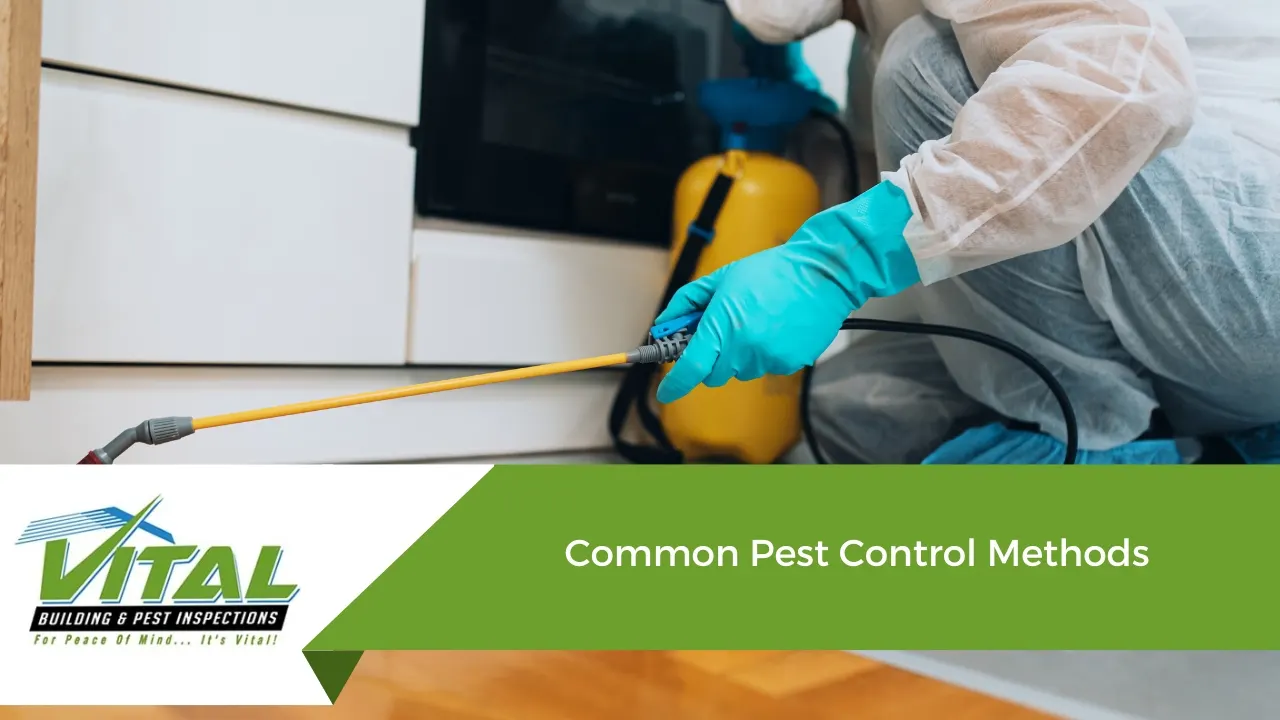
Common pest control methods
When pests do get in, the method depends on the pest:
- Baits for ants, cockroaches, rodents and termites, placed where pests feed or travel and kept out of reach of children and pets.
- Surface sprays and dusts for crawling insects, applied to cracks and travel paths.
- Traps for rodents, placed along walls and in roof spaces.
- Termite treatments and management systems, such as baiting systems and chemical barriers, installed by a licensed pest manager.
- Heat or steam treatments for bed bugs, together with laundering and vacuuming.
Follow the label on any product you use. For anything beyond a small, simple job, a licensed pest manager is the safer choice, and the NSW EPA explains how to check a pest controller is licensed.
When to seek professional pest control services
Call a licensed pest manager for termites, bed bugs, large infestations and pests that keep coming back. They have access to professional treatments, can find where pests are entering, and can advise on keeping them out.
Book an inspection with Vital when you see signs of termites, when you're buying a home, and at least every 12 months. Where appropriate, your inspector may use a Termatrac T3i, a thermal imaging camera and a moisture meter to help look for activity behind walls without drilling, and the report lists the conditions around the home that attract pests, so you know what to fix. If your inspector sees signs of other pests along the way, such as rodents or cockroaches, the report notes them so you can arrange pest control.
You're encouraged to attend the inspection, meet your inspector and ask questions on site. Your inspector walks you through the findings and answers your questions about the report. Vital's pest inspections page explains the service in full, and there are more guides on pests on the guides page.
Frequently asked questions
What are the signs of a pest infestation?
The common signs are droppings, urine stains and grease marks, gnawed wires, timber and packaging, mud leads or hollow-sounding timber, shed skins and egg cases, nests of shredded material, trails of ants, small blood spots on bedding, and musty or unusual smells. Most pests are active at night, so scratching in the roof or walls is another sign.
What are the most common pests in Sydney homes?
The 5 that turn up most are termites, rodents such as rats and mice, cockroaches, ants and bed bugs. Termites damage the timber in a home, while the others are mostly about hygiene and comfort. Each has its own signs, and knowing them helps you act early.
How do I keep pests out of my home?
Store food in sealed containers, clean up crumbs and spills, fix leaks, seal gaps around pipes, doors and windows, keep gutters clear, trim branches back from the roof, and move firewood, debris and stored timber away from the house. An inspection every 12 months finds termite activity early.
Does a pest inspection check for rodents and cockroaches?
A pest inspection to the Australian Standard focuses on timber pests: termites, borers and wood decay. If your inspector sees signs of other pests along the way, such as rodent droppings in the roof space or cockroaches in the kitchen, they go in the report so you can arrange pest control.