
Guides
6 Common Winter Pests
The most common winter bugs and pests in Sydney homes are rodents, ants, termites, bed bugs, cockroaches and overwintering insects. Cooler weather sends many of them indoors looking for warmth, food and shelter, and termites keep feeding through winter.
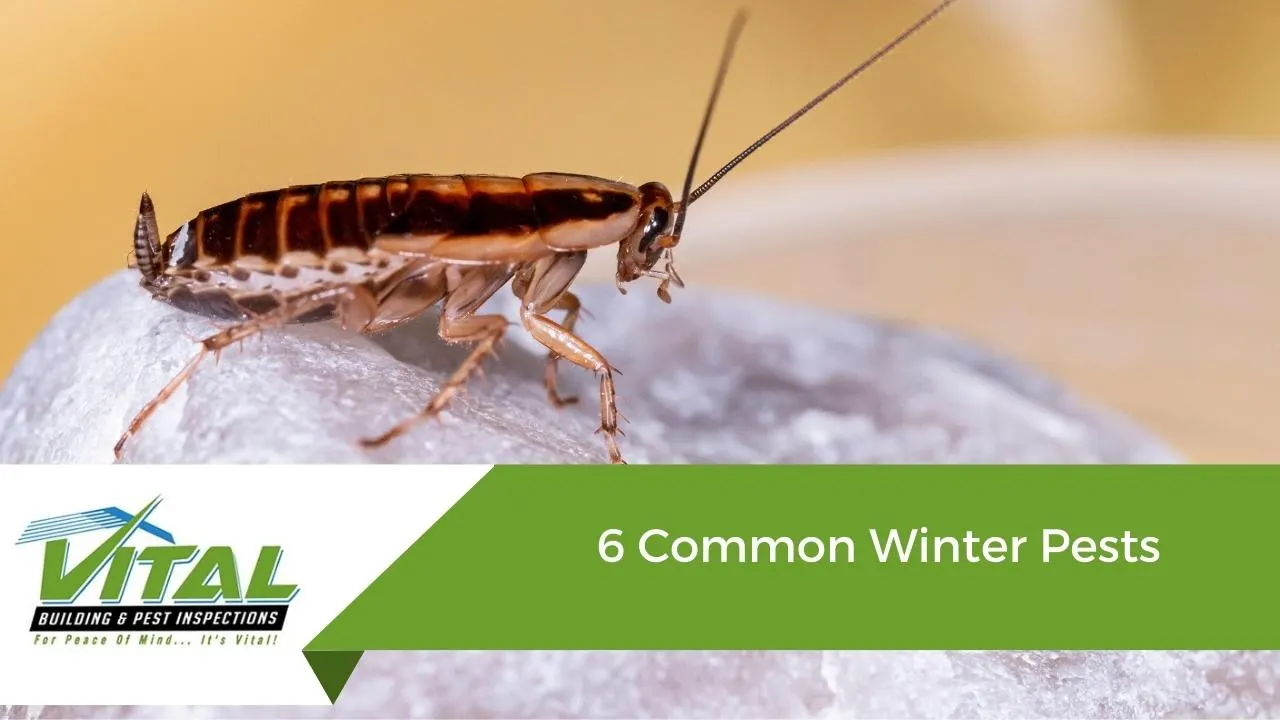
The most common winter bugs and pests in Sydney homes are rodents, ants, termites, bed bugs, cockroaches and overwintering insects. Sydney winters are mild, but the cooler nights still send many pests indoors looking for warmth, food and shelter. Termites keep feeding through winter as well, so the colder months are a good time to check your home and book a pest inspection.
What this covers
This guide covers the 6 pests Sydney homeowners most often notice in winter, what each one means for your home, and the simple steps that keep them out. Some, like rodents and cockroaches, are household pests a licensed pest manager treats. Others, like termites, damage the building itself, and that's where a timber pest inspection comes in.
Vital carries out every pest inspection in-house, as a timber pest inspection to AS 4349.3. It focuses on termites, borers, fungal decay and the conditions that attract them. If your inspector notices signs of other pests along the way, such as rodents or cockroaches, the report notes them so you can arrange pest control.
Common winter bugs and pests in Sydney homes
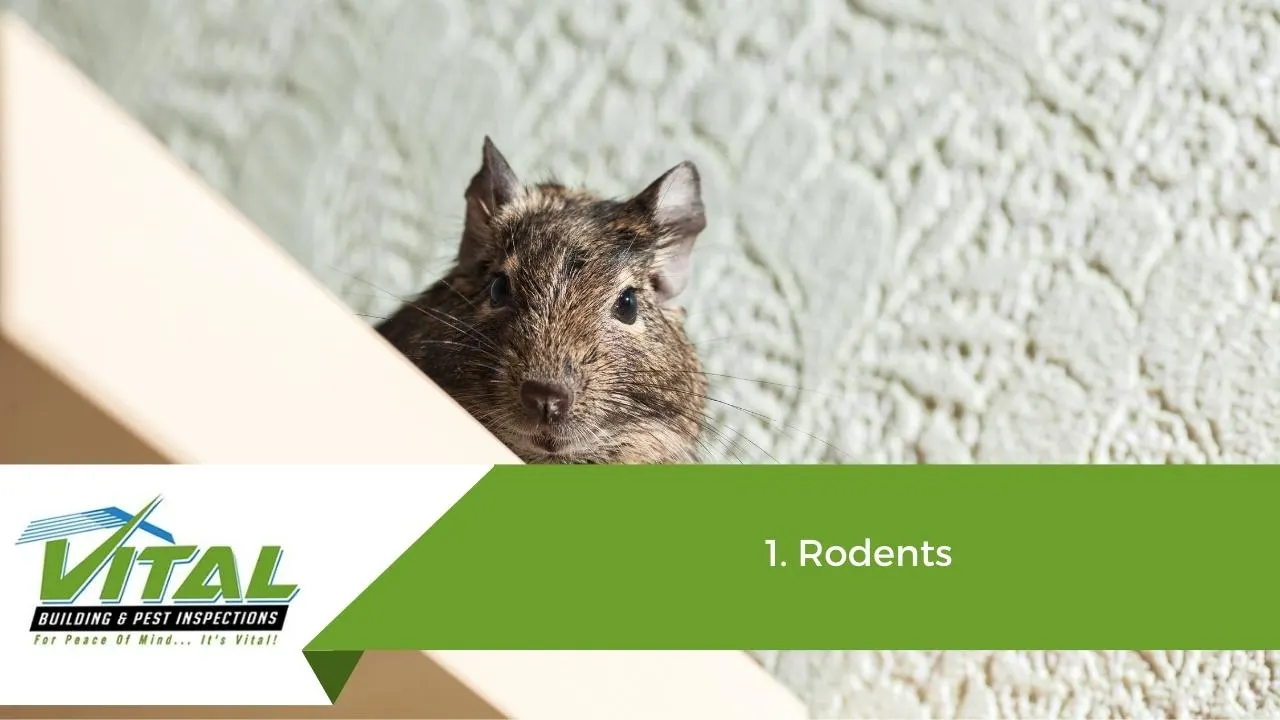
1. Rodents
Rats and mice are warm-blooded and need warm, dry shelter and a steady food supply, so cooler nights bring them closer to homes. Roof spaces, wall cavities, subfloors, sheds and the back of cupboards all suit them. Once inside, rodents can chew electrical wiring, contaminate food and leave droppings in roof insulation.
To keep them out, seal gaps around pipes, vents, eaves and doors, store food in sealed containers and keep bins covered. Rodents prefer to travel along hidden routes, so keeping a clear strip between garden beds and the house helps too. A licensed pest manager can treat an established infestation.
2. Ants
Many ants slow down in winter, but a warm home with food on the bench keeps them active. They nest under stored boxes, in wood piles, in wall cavities and inside cupboards, and some species give a painful bite. Wiping benches, storing food in sealed containers and sealing gaps where trails enter the house keep ants outside.
3. Termites
Termite activity can slow in cooler weather, but colonies keep feeding through winter. A heated, damp home, with leaking pipes or a poorly ventilated subfloor, suits them well. Termites are silent and work inside timber, so the signs are subtle:
- timber that sounds hollow or papery when tapped
- mud tubes on piers, slab edges or walls
- paint that bubbles or ripples
- doors and windows that start to stick
- sagging floors or ceilings
Leave any mud tubes or damaged timber undisturbed and book a termite inspection. Where appropriate, your inspector may use a Termatrac T3i, whose radar can pick up termite movement inside walls without disturbing the nest, along with a thermal imaging camera and moisture meter.
4. Bed bugs
Bed bugs are small, flat insects that feed on human blood. They travel in luggage, bags, clothing and second-hand furniture, so they can arrive in any season. NSW Health's bed bugs page notes they aren't known to spread disease, but their bites are itchy, can disturb sleep and can become infected if scratched. Check luggage after travel and inspect second-hand furniture before bringing it inside. A licensed pest manager treats an infestation.
5. Cockroaches
Cockroaches are active all year, and a warm kitchen or laundry keeps them comfortable through winter. They're drawn to food, water and warmth, and they carry germs onto benches and food. Keep bins covered, store leftovers properly, clean up crumbs and fix dripping taps, because cockroaches need water as much as food.
6. Overwintering insects
Some insects, such as beetles, stink bugs and ladybirds, shelter inside homes over winter. They gather in roof spaces, wall cavities and around window frames, and become active again on warm days. Sealing gaps around windows, doors and eaves keeps most of them out, and fly screens in good repair help.
What it means for your property
Most winter bugs are a nuisance and a hygiene issue rather than a threat to the building. Rodents are the exception among household pests, because chewed wiring is a fire hazard and nesting in roof insulation spreads droppings through the roof space.
Termites matter most for the building itself. They work quietly through winter, and the damage they do to floors, wall frames and roof timbers grows the longer they go unnoticed. Winter also brings more condensation, less drying and, after heavy rain, damp subfloors, and damp timber is exactly what termites look for. A timber pest inspection finds activity and the conditions that attract it, so you can deal with both early.
Seal entry points
Close gaps around pipes, vents, eaves, doors and windows, and keep fly screens in good repair.
Store food well
Keep food in sealed containers, wipe benches, clean up crumbs and keep bins covered.
Manage moisture
Fix leaking taps and pipes, run exhaust fans, keep gutters clear and make sure the subfloor is ventilated.
Keep timber away from the house
Stack firewood away from the walls and off the ground, and keep garden beds and mulch below the weep holes.
Book regular inspections
Every 12 months suits most Sydney homes, and a home with past termite activity benefits from more frequent inspections.
When to book an inspection
Book a pest inspection if it's been 12 months or more since your last one, if you've seen any sign of termites, or if you're buying a home. Winter is a practical time to book, because any treatment or repairs can be planned before spring, when termites swarm and many pests become more active.
Vital is based in Stanhope Gardens and inspects homes across north-western and south-western Sydney. Your report sets out the findings, with photos and a clear action plan. Your inspector walks you through the findings and answers your questions about the report. Read more on seasonal pests on the guides page, including the guide to common pests in springtime.
Frequently asked questions
What bugs come out in winter in Sydney?
The pests most often noticed indoors in a Sydney winter are rodents, ants, cockroaches, bed bugs and overwintering insects such as beetles and stink bugs, which all look for warmth and shelter. Termites keep feeding through winter too, so their activity carries on out of sight inside walls and subfloors.
Are termites active in winter?
Yes. Termite activity can slow in cooler weather, but colonies keep feeding all year, and a warm, damp home suits them well. Winter is a good time to book a termite inspection, because it shows you the timber pest picture before termites swarm and spread in the warmer months.
Why do I see more rodents in winter?
Rats and mice look for warm, dry shelter and steady food as nights get cooler, and roof spaces, wall cavities and subfloors give them both. Sealing gaps around pipes, vents and eaves, storing food in sealed containers and keeping bins covered all help. A licensed pest manager can treat an established infestation.
How do I keep pests out of my home in winter?
Seal gaps around pipes, vents, doors and windows, store food in sealed containers, keep bins covered and clean up crumbs and spills promptly. Fix leaks and run exhaust fans, because damp attracts termites and cockroaches. Keep firewood stacked away from the house and off the ground, and book regular pest inspections.
Is winter a good time for a pest inspection?
Yes. A timber pest inspection works in any season, and booking in winter means any work is planned before spring, when termites swarm and many pests become more active. Every 12 months suits most Sydney homes, and a home with past termite activity benefits from more frequent inspections.