
Guides
Top Pest Control Tips for Homeowners
The best pest control tips start with keeping pests out: seal entry points, keep food and water away from them, remove standing water, keep the yard tidy and check for termites every year. This guide covers each step through the seasons, and when to call in a professional.
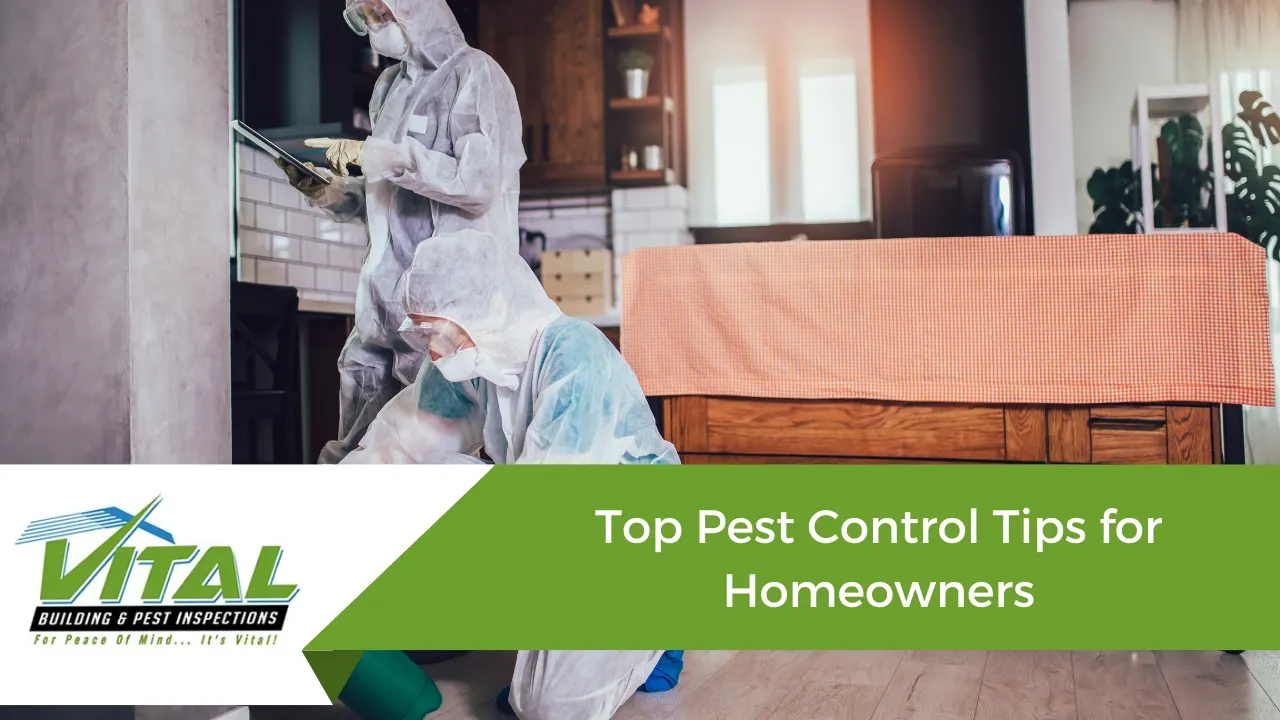
The most effective pest control tips are about prevention: take away the food, water and shelter pests look for, close the gaps they use to get in, and check for termites before they reach the timber in your home. These steps keep most everyday pests out, and a regular pest inspection catches anything that gets through.
Seal entry points
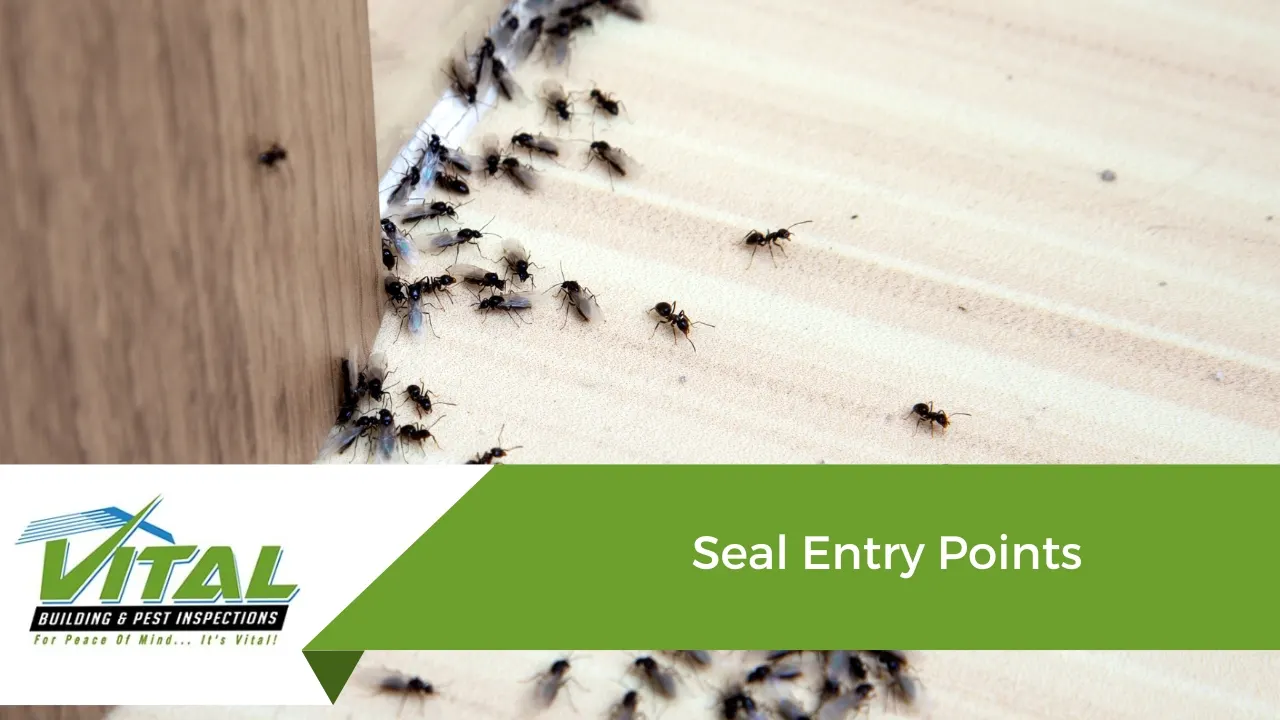
Insects and rodents get in through gaps around doors and windows, cracks in walls, and openings around pipes, cables and vents. Check your home every few months and:
- seal cracks and gaps with a suitable sealant or caulk
- fit door sweeps and weather strips to external doors
- repair torn fly screens and keep them closed
- fill holes around pipes and cables where they enter the home
- fit mesh over roof and wall vents while keeping them open for airflow
Rodents fit through very small gaps, so close every opening you find.
Keep your home clean
A clean home gives pests little to eat. Make it a habit to:
- clean up crumbs and spills straight away
- store food, including pet food, in airtight containers
- clean under and behind appliances such as the fridge and stove
- vacuum regularly, including under furniture
- empty bins often and use bins with tight-fitting lids
- feed pets in 1 area and wash their bowls after meals
Eliminate standing water
Water attracts pests as much as food does. Mosquitoes breed in standing water, cockroaches look for damp areas, and subterranean termites need a steady supply of moisture. Check for:
- blocked gutters and downpipes that overflow against the walls
- leaking taps, pipes and hot water overflows
- pot plant saucers, buckets and anything else that holds rain
- low spots in the yard where water pools after rain
Fix leaks promptly and keep the area under your home ventilated and dry.
Maintain your yard
Your yard is where many pests start. A tidy, well-planned garden keeps them further from the house:
- Trim trees and shrubs back from the walls and roof, so pests have no bridge onto the house.
- Store firewood, timber and building materials off the ground and away from the house.
- Keep garden beds, mulch and soil below the slab edge and weep holes.
- Space plants for airflow, and prune and remove dead material regularly.
- Remove old tree stumps and timber in contact with the ground, which can feed termites.
Choosing hardy plants suited to Sydney's climate, and watering in the morning so beds dry out during the day, helps too.
Pest control tips through the seasons
Pest activity changes through the year, so it helps to adjust your routine:
- Spring: termites and ants become more active, and winged termites swarm in warm, humid weather. Check around windows and lights for discarded wings. The springtime pests guide covers what to watch for.
- Summer: cockroaches, flies and mosquitoes are at their busiest. Keep food sealed and remove standing water after storms.
- Autumn: rodents start looking for shelter. Seal gaps before the weather cools.
- Winter: rodents and some insects move indoors. The winter pests guide explains what to look for.
Regularly inspect for termites
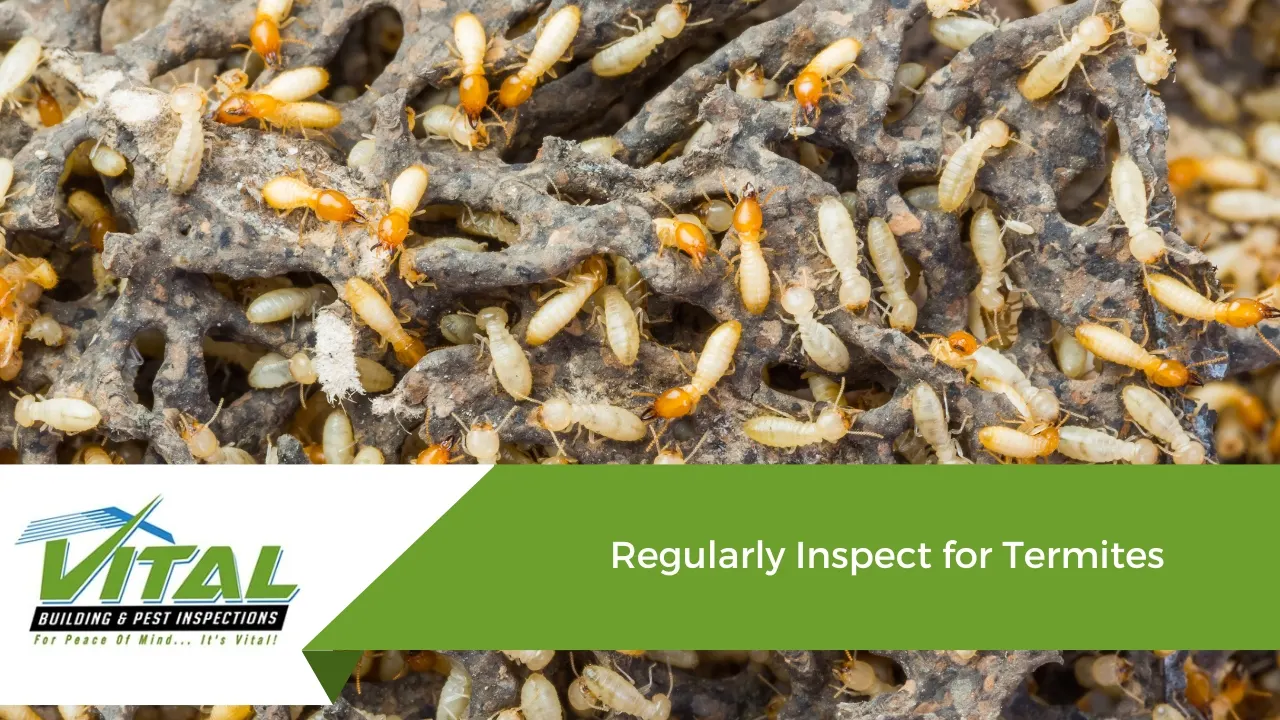
Termites work out of sight, so regular checks matter most for them. Signs to look for include:
- mud tubes on walls, piers, the slab edge or inside cupboards
- timber that sounds hollow when tapped
- bubbling or cracked paint, and sagging or soft floors
- doors and windows that start to stick
- discarded wings near windows, doors and lights
If you find any of these, leave the area undisturbed, because disturbing termites can send them elsewhere in the home, and book a termite inspection.
Know when to call a professional
Call in a professional when you see signs of termites, when rodents or cockroaches keep coming back, or when you're buying a home. A professional inspection tells you what's there, how far it has spread and what conditions are attracting it.
Vital's inspectors carry out pest inspections to AS 4349.3, using a Termatrac T3i to check for termite movement inside walls and a moisture meter to look for the damp areas that attract termites. The report sets out what your inspector found, where, and what to arrange.
Treatment is carried out by a licensed pest management technician. The NSW EPA explains how to engage a pest management technician, including how to check a licence on its public register.
Safeguard your home from pests today
Simple habits keep most pests out, and a yearly inspection keeps you a step ahead of termites. Every inspection is carried out in-house by Vital's own experienced inspectors, with no subcontractors. You're encouraged to attend the inspection, meet your inspector and ask questions on site. Your inspector walks you through the findings and answers your questions about the report.
There are more pest guides on the guides page.
Frequently asked questions
What are the best pest control tips for homeowners?
Seal gaps around doors, windows, pipes and vents; store food in sealed containers and clean up crumbs and spills; remove standing water and fix leaks; keep garden beds, mulch and firewood away from the walls; and book a timber pest inspection every year. Together these take away the food, water and shelter pests look for.
How often should I get a pest inspection?
The Australian Standard for termite management, AS 3660.2, recommends a timber pest inspection at least once a year, and more often where termites are active nearby. Book one sooner if you see mud tubes, discarded wings or damaged timber, and before you buy a home.
Can I do my own pest control?
You can manage everyday pests with good hygiene, sealing gaps and household products used as the label directs. For termites, rodent infestations or anything needing stronger treatment, use a licensed pest management technician. In NSW, the EPA licenses technicians and keeps a public register so you can check a licence before you book.
What are the signs of termites in a house?
Look for mud tubes on walls, piers or the slab edge, timber that sounds hollow when tapped, bubbling or cracked paint, doors and windows that start to stick, and discarded wings near windows and lights. If you see any of these, leave the area undisturbed and book a termite inspection.
Does Vital treat pests?
Vital carries out pest, timber pest and termite inspections, and the report tells you what your inspector found, where, and what treatment or repairs to arrange. Treatment is carried out by a licensed pest management technician, and the report gives them a clear starting point.