
Guides
How often should I get a pest inspection done?
How often should you get a pest inspection? Every 12 months suits most Sydney homes, with more frequent checks for homes near bushland or with a history of termites, plus an inspection before you buy or sell.
How often should you get a pest inspection? For most Sydney homes, every 12 months, which is what Australian Standard AS 3660.2 recommends for termite inspections. Homes near bushland, homes on piers and homes with a history of termites benefit from more frequent checks, and you should get an inspection before you buy or sell a home.
Termites are common across Sydney, and they work inside timber where they're hard to see. A regular pest inspection finds activity early, when treatment is simpler and repairs are smaller. Vital inspects to AS 4349.3, the Australian Standard for timber pest inspections, and your report explains each finding and what to do next.
How often should you get a pest inspection?
The right timing depends on where you are in owning the home.
Before you buy
Get a pest inspection before every purchase, especially for an older home, a home on piers or a home near bushland. Most buyers combine it with a building inspection in a pre-purchase building and pest inspection, booked before exchange or during the cooling-off period on a private sale. The report tells you about any activity or damage while you can still negotiate.
Before you sell
A pest inspection before you list shows you any activity or damage while there's time to treat it and repair it on your terms. It also lets you present buyers with a clear, recent report.
During homeownership
Once you own the home, an inspection every 12 months keeps you confident it's free of termite activity. Book more often if:
- the home is near bushland, creeks or large trees
- it has timber floors on piers, timber decks or timber retaining walls
- it has had termites before, or a neighbouring home has
- there's ongoing moisture, such as a leak or poor drainage
Between inspections, keep an eye out for mud leads on walls and piers, hollow-sounding skirting boards, sticking doors and discarded wings after a warm, humid evening. If you see any of them, book an inspection rather than waiting for the next one.
How each report helps you plan
A pest inspection report looks ahead as well as at the present. It lists conditions conducive to timber pests, the things that make a home attractive to termites, such as:
- moisture from leaks, poor drainage or blocked subfloor vents
- timber in contact with soil, such as stumps, formwork and garden edging
- garden beds and paths built up over the slab edge or weep holes
- stored timber and debris under the house or against the walls
Fixing these items between inspections makes the home less attractive to pests, and the next report should show the improvement.
What does a pest inspection cover?
A timber pest inspection covers 3 groups of pests: subterranean termites, borers and wood decay fungi. Your inspector checks the accessible areas of the property, including the interior, the roof space, the subfloor, the exterior and the site, including fences, sheds, stumps and trees.
The inspection uses tools that help find activity without opening walls:
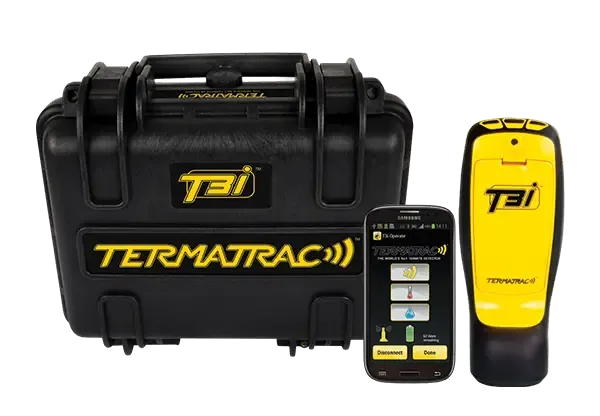
- a Termatrac T3i to check for termite movement behind walls and inside timbers
- a thermal imaging camera to show temperature differences that can point to termite nests or moisture
- a moisture meter to check damp areas, which attract termites and decay
Other pests your inspector notes
A timber pest inspection is focused on the pests that damage a building. If your inspector sees signs of other pests along the way, such as rodent droppings in the roof space or cockroaches in the kitchen, the report notes them so you can arrange pest control. Peter's guide to the top 5 pest infestations to look out for in your home explains the signs.
Your report
Your Vital report includes photos and explanations of each finding, whether activity is live or old, the conditions conducive to timber pests, and the inspector's recommendations. It records the property's condition on the day of the inspection, which is why regular inspections matter: each one gives you an up-to-date picture.
What should I do if pests are found during the inspection?
Finding termites or damage early gives you options. Here are the steps.

Treatment options
Arrange treatment with a licensed pest management technician. For termites, that usually means treating the active colony, followed by a termite management system such as a chemical barrier or a monitoring and baiting system to protect the home from then on. The NSW Environment Protection Authority explains how to go about engaging a pest management technician.
Repairs
Have damaged timber assessed and repaired once the activity has been treated. A builder or carpenter can replace damaged skirting boards, frames or flooring, and a structural engineer can advise on structural timbers. Fixing the conditions that attracted the pests, such as a leak or poor drainage, is part of the repair too.
Negotiating repairs with the seller
If you're buying, the report gives you facts to negotiate with. You can ask the seller to treat and repair before settlement, ask for a price reduction to cover the work, or plan it into your budget. Get a quote for treatment and repairs so your request is based on real figures.
Tips for choosing a qualified pest inspector
The quality of the report depends on the inspector. When you compare inspectors, check these points.
Training and qualifications
Ask what training the inspector has, and which standard they inspect to. Vital inspects to AS 4349.3, and Vital's owner, Peter Ezeigwe, holds a Certificate IV in Building and Construction and a Diploma of Building and Construction. He also has a background in building restoration and disaster assessment, which gives him a close understanding of moisture and decay in buildings.
Experience and reputation
Choose an inspector with experience in homes like the one you're buying, and read their reviews. You can read what Vital's clients say on the reviews page.
Insurance and the report
Check that the inspector carries professional indemnity insurance, and ask for a sample report so you know what you'll receive. You're encouraged to attend the inspection, meet your inspector and ask questions on site. Your inspector walks you through the findings and answers your questions about the report.
Vital's pest inspections page explains the service in full, and there are more guides on termites and pests on the guides page.
Frequently asked questions
How often should I get a pest inspection done before buying a home in Australia?
Get a pest inspection before every purchase, ideally before you exchange contracts or during the cooling-off period on a private sale. It matters most for older homes, homes on piers and homes near bushland. The report tells you about termite activity and damage while you can still negotiate or ask the seller to treat and repair.
Is it necessary to get a pest inspection before selling my home in Australia?
It's a good idea. A pest inspection before you list shows you any activity or damage while there's time to treat and repair it on your terms, and a clear, recent report helps buyers feel confident about the home. Vital's pre-sale inspection covers the building as well.
How often should I get a pest inspection during homeownership in Australia?
At least every 12 months, which is what Australian Standard AS 3660.2 recommends for termite inspections. Homes near bushland, homes with timber floors on piers and homes with a history of termites benefit from more frequent checks. Regular inspections find activity early, when treatment and repairs are simpler.
What does a pest inspection cover in Australia?
A timber pest inspection to the Australian Standard covers subterranean termites, borers and wood decay, the damage they've caused, and the conditions that attract them, such as moisture and timber in contact with soil. Your inspector checks the interior, roof space, subfloor, exterior and site, and notes signs of other pests such as rodents along the way.
What should I do if pests are found during a pest inspection in Australia?
Arrange treatment with a licensed pest management technician, have damaged timber assessed and repaired, and fix the conditions that attracted the pests. If you're buying, use the report to negotiate the price or ask the seller to treat and repair before settlement. Your inspector walks you through each finding so you know where to start.
How can I choose a qualified pest inspector in Australia?
Check the inspector's training and experience, the standard they inspect to, their insurance and a sample report. Ask which tools they use to find termites behind walls, and whether you can attend. Vital inspects to the Australian Standard for timber pests and uses thermal imaging, a moisture meter and a Termatrac.