
Guides
What's a pest inspection and why is it important?
Why get a pest inspection? Termites and other timber pests work out of sight, so an inspection finds activity, damage and the conditions that attract them early, when treatment is simpler and repairs are smaller. This guide explains what a pest inspection is, how it's done and what you get afterwards.
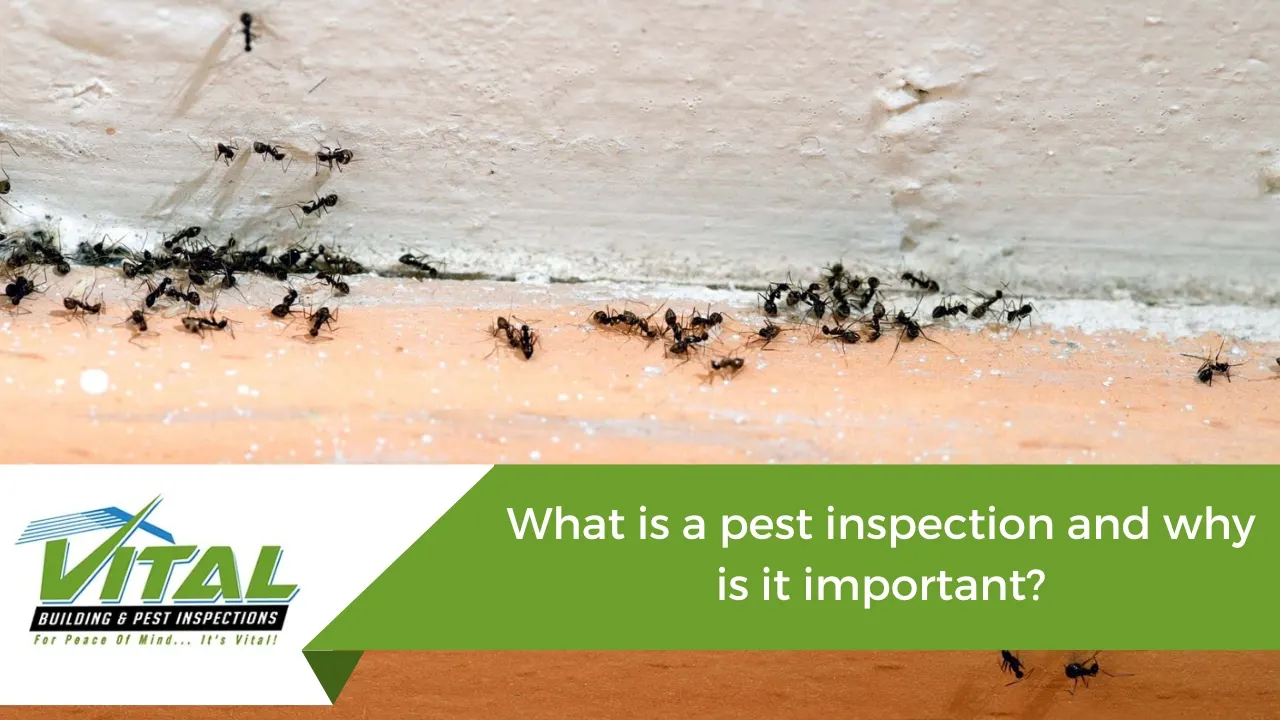
Why get a pest inspection? Termites and other timber pests work inside timber, often unseen, so by the time damage shows it may have been building for some time. A pest inspection finds activity, damage and the conditions that attract pests early, when treatment is simpler and repairs are smaller, and gives you a written report you can act on before you buy or while you own a home.
A pest inspection, often called a timber pest inspection, is carried out to AS 4349.3, the Australian Standard for timber pest inspections. Vital's inspectors check homes across Sydney, and this guide explains what they look for, how the inspection works and what you get. For the basics of the inspection itself, read what is a pest inspection.
Why get a pest inspection? Types of pests typically inspected for
Termites
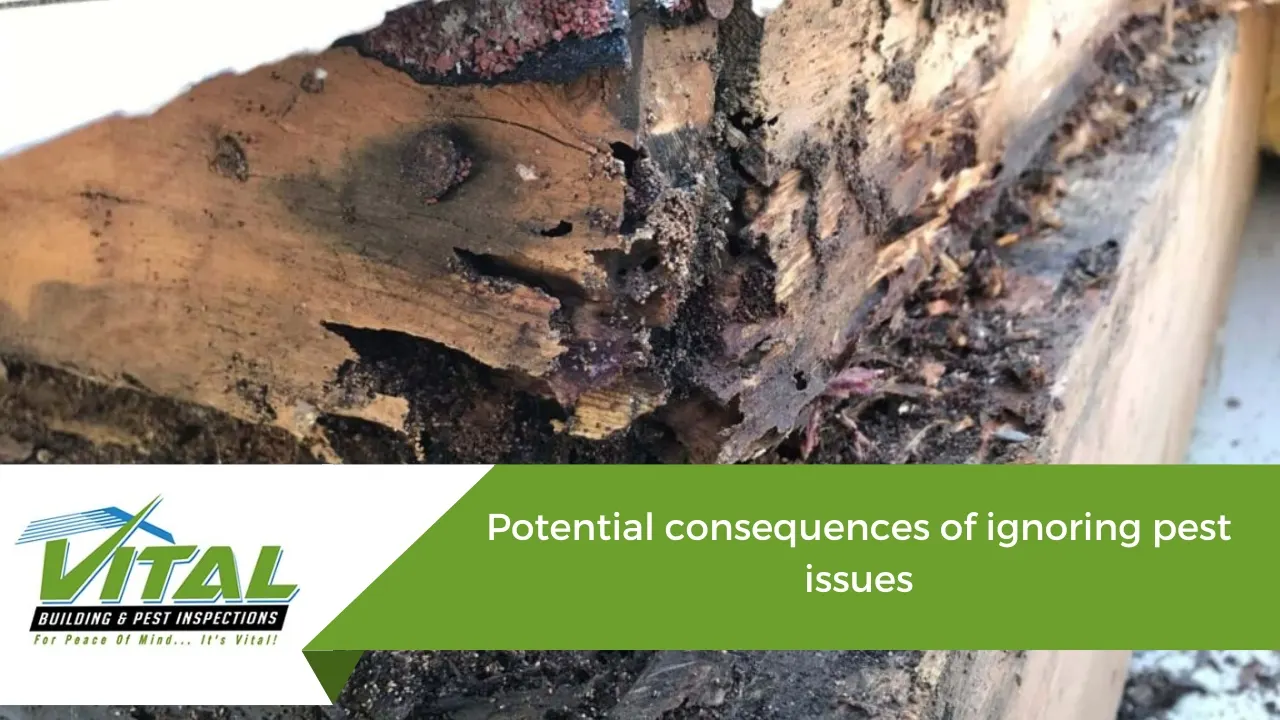
Termites are the main focus. Subterranean termites travel from the soil through mud leads and eat the timber in floors, wall frames, roofs and skirting boards from the inside. Signs include mud leads, hollow-sounding timber, bubbling paint and discarded wings. Peter's guide on the hidden dangers of termites covers them in detail.
Borers
Borers are beetles whose larvae tunnel through some timbers, leaving small exit holes and fine dust. Some species attack seasoned timber in floors and furniture.
Wood decay
Wood decay is the fungal rot that weakens timber kept damp, often around leaking showers, poor drainage and in subfloors with little ventilation.
Conducive conditions
The inspection also records the conditions that attract timber pests:
- damp areas and leaks
- poor subfloor ventilation
- timber in contact with soil, such as stumps, formwork and garden edging
- garden beds, paths and mulch built up over the slab edge or weep holes
- stored timber and debris under and around the house
Other pests
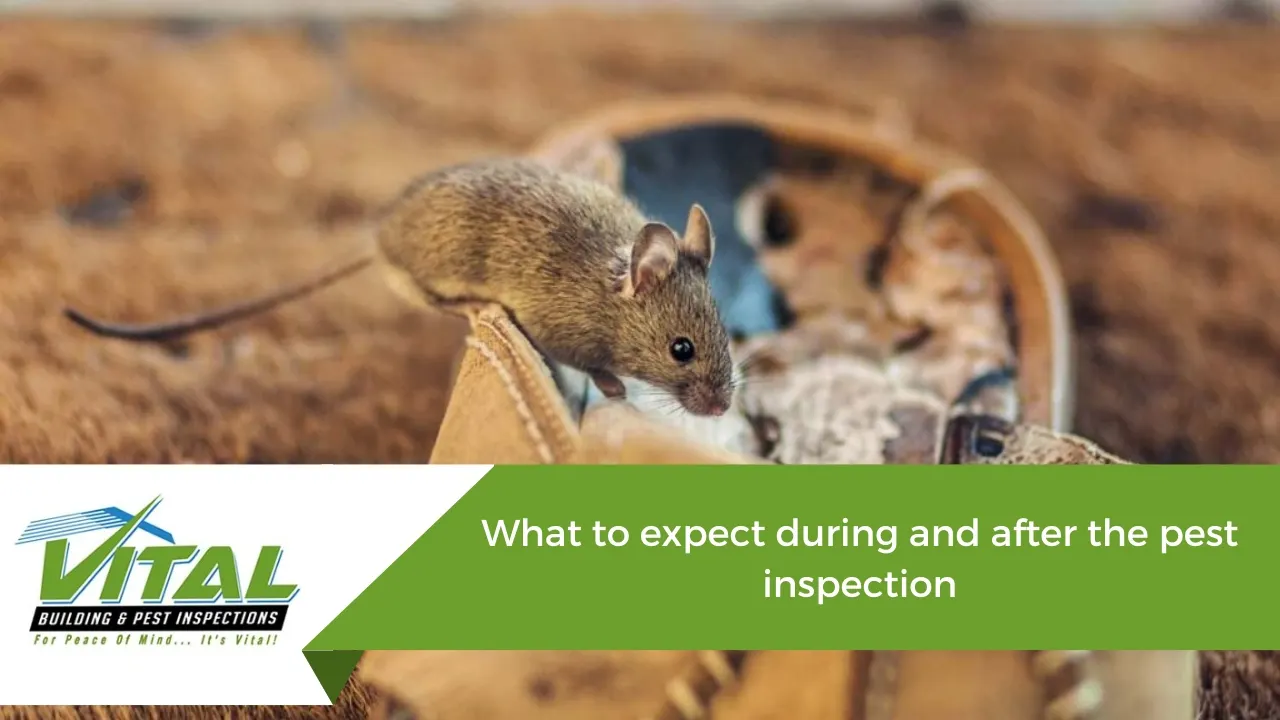
Rodents, cockroaches, ants and spiders are hygiene and comfort pests rather than timber pests. If your inspector sees signs of them along the way, such as droppings in the roof space or cockroaches in the kitchen, the report notes them so you can arrange pest control. Read about the top 5 pest infestations to look out for in your home.
Methodology of a pest inspection
A pest inspection follows a set order, so every accessible part of the property is covered:
Interior
Your inspector checks skirting boards, door and window frames, floors, walls and ceilings in every room, tapping timber and looking for mud leads, bubbling paint and damage.
Roof space
Where it's accessible, your inspector checks the roof framing for termite activity, damage, leaks and decay.
Subfloor
Where it's accessible, the inspector checks piers, bearers, joists and flooring, along with ventilation and damp.
Exterior and garden
The inspector checks the external walls, the slab edge and weep holes, fences, decks, pergolas, sheds, trees and stumps around the home.
Report
The report records each finding with its location and a photo, and lists the conditions to fix.
Your inspector supports the visual inspection with tools that help look for activity behind walls without drilling:
- a Termatrac T3i to check for termite movement inside walls and timbers
- a thermal imaging camera to show temperature differences that can point to nests and moisture
- a moisture meter to check damp areas, which attract termites and decay
Read more about the Termatrac and how it works.
What a pest inspection protects
It looks after 3 things:
- The structure. Termites, borers and decay weaken floor framing, wall studs and roof timbers over time. Found early, the fix is usually a treatment and some timber replacement. Many home insurance policies exclude termite damage, so check your own policy.
- Your health and comfort. Rodents and cockroaches are hygiene pests, and the conditions that attract timber pests, such as damp, can also encourage mould.
- The property's value. A home with a clean report, a termite management system and a record of regular inspections gives buyers confidence when you sell.
For buyers, the report tells you what you're taking on before you commit, so you can negotiate, arrange treatment or weigh the property against others.
How to choose a qualified pest inspector
Look for an inspector who:
- Inspects and reports to the Australian Standard for timber pest inspections.
- Has building knowledge, so the report explains how any activity affects the structure.
- Uses the right tools, such as termite detection radar, thermal imaging and a moisture meter.
- Shows you a sample report, so you know what you'll receive.
- Is independent of the sale, with no link to the agent or seller.
- Explains the findings in plain words, and welcomes you at the inspection.
Treatment is a separate job for a licensed pest manager. The NSW EPA issues pest management technician licences and explains how to check a pest controller is licensed.
Vital's owner, Peter Ezeigwe, holds a Certificate IV in Building and Construction and a Diploma of Building and Construction, and he's a Housing Industry Association (HIA) member. Every inspection is carried out in-house by Vital's own experienced inspectors, with no subcontractors, so the business that inspects your property also prepares your report.
What to expect during and after the pest inspection
Before the inspection. Make sure the roof space, the subfloor, the garage and any sheds can be reached, and move stored goods back from walls where you can. Tell Vital about anything you've noticed, such as mud leads or damaged timber, and leave termite workings undisturbed.
During the inspection. You're encouraged to attend the inspection, meet your inspector and ask questions on site. Your inspector works through the property in order and can show you the findings along the way.
After the inspection. Vital confirms when your report will be ready at the time you book. It tells you:
- whether there's live termite activity, and where
- any damage from termites, borers or decay
- the conditions that attract timber pests, and what to fix
- any areas that couldn't be inspected, and why
- the recommendations, such as treatment by a licensed pest manager or a further inspection
Your inspector walks you through the findings and answers your questions about the report. If the report recommends treatment, a licensed pest manager can then treat the colony and install a termite management system for ongoing protection.
For a home you own, book an inspection at least every 12 months, as AS 3660.2 recommends. If you're buying, a pre-purchase building and pest inspection covers the building and timber pests in 1 visit. Vital's pest inspections page explains the service in full, and there are more guides on pests on the guides page.
Frequently asked questions
Why get a pest inspection?
Termites and other timber pests work inside timber, often unseen, so an inspection is the reliable way to know whether a home has activity, damage or conditions that attract them. Before you buy, it tells you what you're taking on. For a home you own, an inspection every 12 months finds activity early, when treatment is simpler.
What does a pest inspection look for?
A pest inspection to the Australian Standard checks for termites, borers and wood decay, and the conditions that encourage them, such as damp areas, poor ventilation and timber in contact with soil. If your inspector sees signs of other pests along the way, such as rodents or cockroaches, the report notes them so you can arrange pest control.
Is a pest inspection worth it for a newer home?
Yes. Termites can reach any home with timber in it, including newer homes with timber frames, roof trusses and skirting boards. A newer home's termite management system also needs regular checks to keep working as designed, and an inspection confirms that garden beds and paths haven't covered the slab edge or weep holes.
Who treats pests if the inspection finds them?
A licensed pest manager carries out treatment. The NSW EPA issues pest management technician licences and explains how to check a licence before work starts. Your Vital report tells you where the activity is, what damage it has caused and which conditions to fix, so the pest manager can plan the right treatment.