
Guides
The Hidden Dangers of Termites
Are termites dangerous? Not to your health, but they are to your home: termites eat timber from the inside, often unseen, so knowing the early signs, preventing infestations and booking regular termite inspections protects your property.
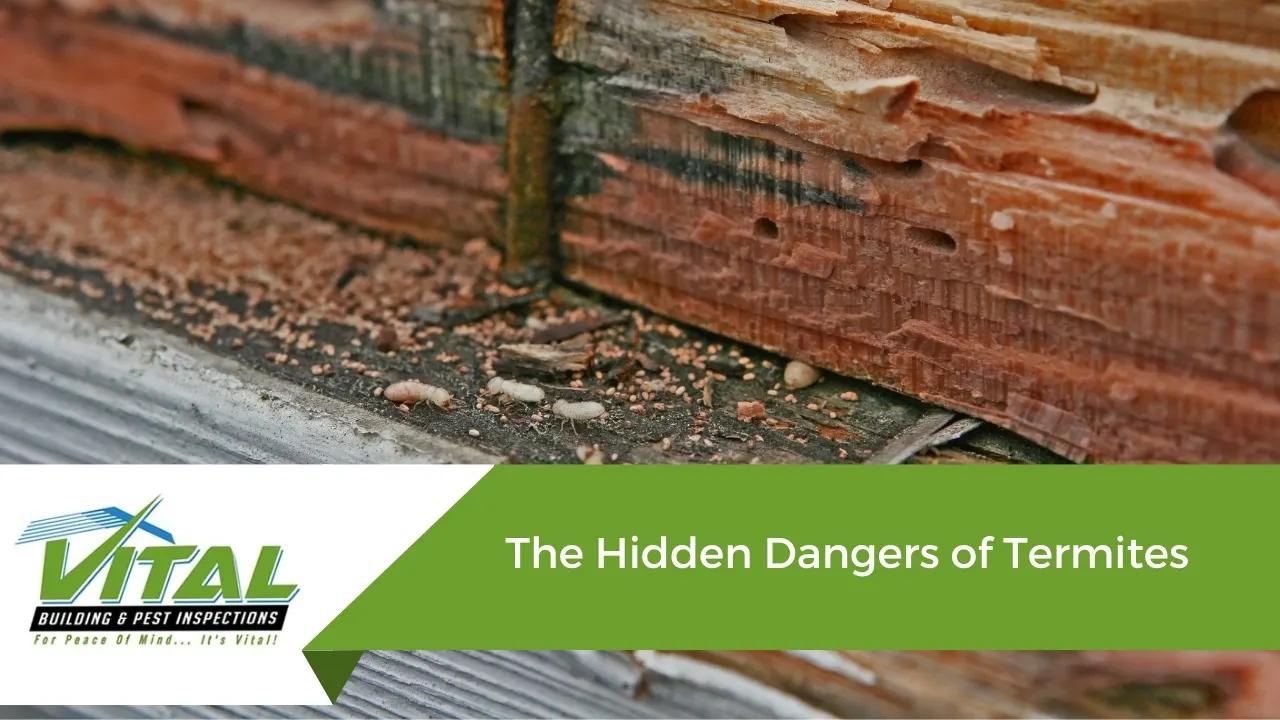
Are termites dangerous? Not to your health, but they are to your home. Subterranean termites eat the timber in floors, wall frames and roofs from the inside, often for some time before the damage shows, which is why early detection and regular termite inspections are the best protection for your property.
Are termites dangerous? Why identifying them early matters
Termites feed on wood, paper and other materials containing cellulose. Subterranean termites, the kind that damage most Sydney homes, travel from the soil to timber through mud leads and work inside it, leaving a thin outer shell. Because they stay hidden, damage can build up before anyone notices.
Finding them early keeps things simple. A colony caught early usually means a smaller treatment and smaller repairs, and an inspection tells you how far the activity has spread. This guide covers the signs to watch for, how to make your home less attractive to termites, and when to call for an inspection.
Signs of termite infestation
Knowing the signs helps you act early. Look for:
- Mud leads, the pencil-thin tunnels termites build to travel between the soil and timber, on walls, piers, stumps and in the subfloor.
- Discarded wings near windows, doors and lights after a warm, humid evening, when winged termites leave the colony to start new ones.
- Hollow-sounding timber, such as skirting boards and door frames that sound papery when tapped.
- Bubbling or rippled paint, and timber that looks water damaged.
- Sticking doors and windows, as damage and moisture distort the frames.
- Fine soil in cracks or around timber, where termites have sealed an opening.
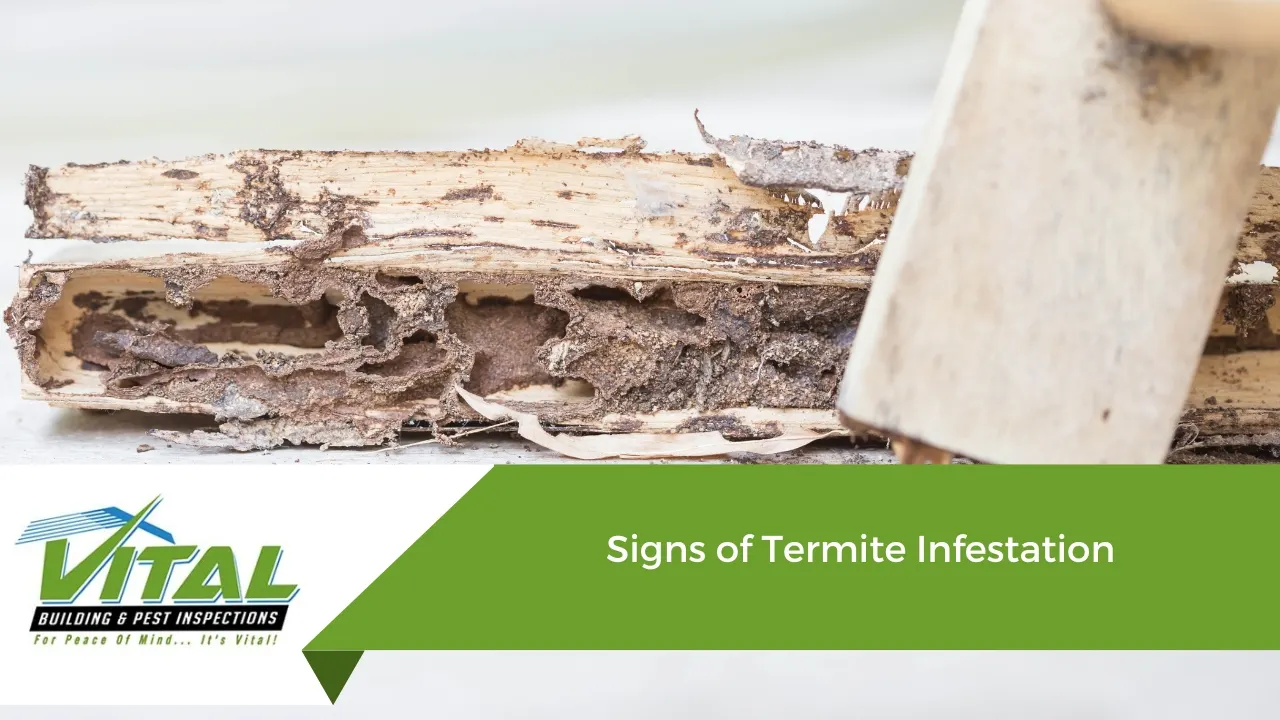
If you notice any of these, leave the area undisturbed, because breaking open the workings or spraying can drive the colony elsewhere. Book a termite inspection so the activity can be found and mapped.
Damage caused by termites
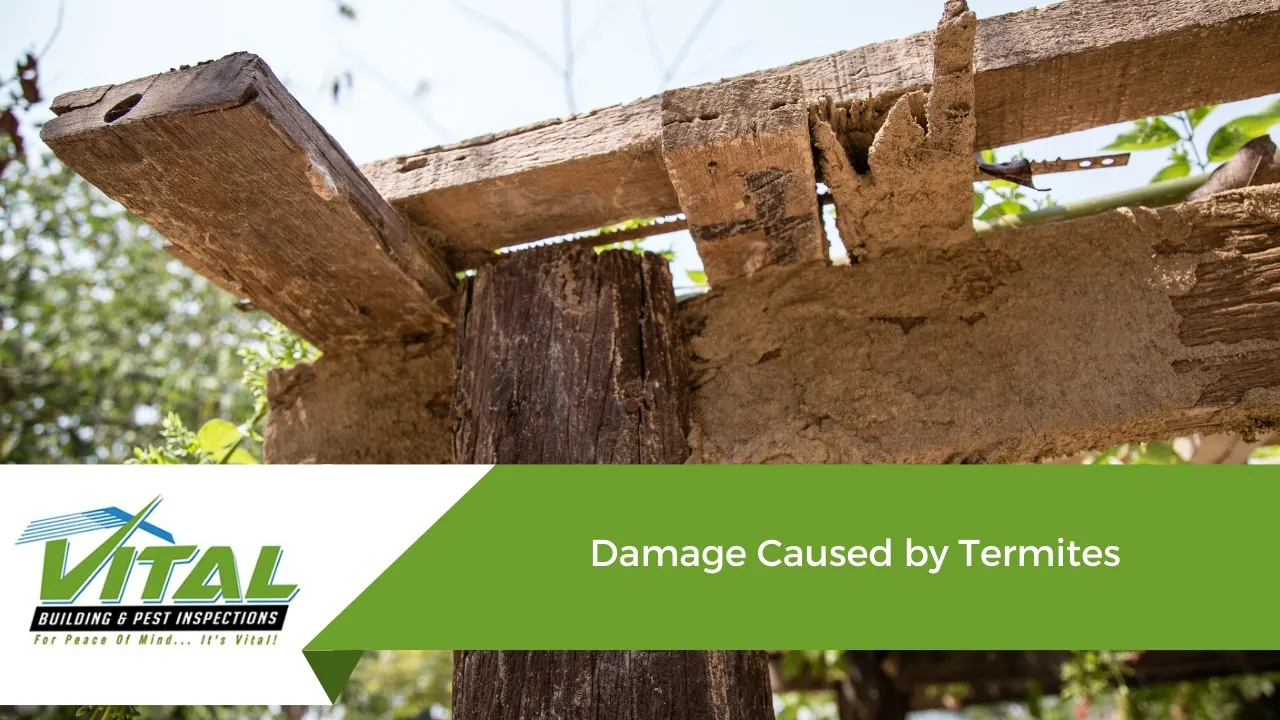
Termites eat the inside of structural and finishing timbers: floor bearers and joists, wall studs, roof timbers, skirting boards, door frames and timber floors. Left to continue, the damage can weaken a building's structure and call for timber replacement. Termites can also damage stored timber, furniture, books and boxes in sheds and garages.
The cosmetic signs, such as bubbling paint and warped skirting boards, are often the first thing you see. Many home insurance policies exclude termite damage, so check your own policy. Regular inspections are the most reliable way to keep repairs small.
Tips for homeowners for how to prevent termite infestations
Termites are drawn to moisture and timber in contact with soil. These steps make a home less attractive to them:
- Fix leaks and drainage. Repair leaking taps, pipes, showers and gutters, and make sure water drains away from the house.
- Keep timber off the soil. Timber stumps, formwork, garden edging and stored timber in contact with the ground give termites a hidden path into a home.
- Keep the slab edge and weep holes clear. Garden beds, paths and mulch built up over them hide termite entry from view.
- Clear debris. Remove fallen branches, old timber and cardboard from under and around the house.
- Keep the subfloor ventilated. Clear vents help the subfloor stay dry.
- Choose resistant materials when you build or renovate, such as treated timber and steel framing where they suit the job.
- Book regular inspections. An inspection every 12 months, as AS 3660.2 recommends, finds activity early.
The report from a timber pest inspection lists the conditions around your home that attract termites, so you know exactly what to fix.
When to seek help for termite control
Call for an inspection as soon as you notice a sign of termites, when you're buying a home, and at least once a year. Your Vital inspector works to AS 4349.3 and uses tools that help look for activity behind walls without drilling:
- a Termatrac T3i to check for termite movement inside walls and timbers
- a thermal imaging camera to show temperature differences that can point to nests and moisture
- a moisture meter to check damp areas, which attract termites
The report tells you whether activity is live, where it is, what damage it has caused, and what conditions are attracting termites. Treatment is then carried out by a licensed pest manager, using a baiting system, a chemical treatment or both, followed by a termite management system for ongoing protection. Learn more about the Termatrac and how it works.
The importance of proactive termite prevention
Termites are common across Sydney, and the homes that stay free of damage are the ones that are inspected regularly and kept dry around their footings. Prevention and early detection together keep treatment simple and repairs small, and they help your home stay sound for years to come.
Vital's owner, Peter Ezeigwe, has a background in building restoration and disaster assessment, which gives him a close understanding of how moisture and decay affect timber. Every inspection is carried out in-house by Vital's own experienced inspectors, with no subcontractors. You're encouraged to attend the inspection, meet your inspector and ask questions on site. Your inspector walks you through the findings and answers your questions about the report.
Schedule a termite inspection
If you want to protect your home from termites, book an inspection. Vital's termite inspections cover the home, the subfloor, the roof space and the garden, and the pest inspections page explains the service in full. There are more guides on termites on the guides page.
Frequently asked questions
Are termites dangerous to humans?
Termites aren't a health danger to people, and they aren't known to spread disease to humans. Their danger is to your home: subterranean termites eat the timber in floors, walls and roofs from the inside, often for some time before the damage shows. Regular inspections find them early, when treatment is simpler.
What are the first signs of termites?
Common early signs are mud leads on walls, piers or stumps, timber that sounds hollow when tapped, bubbling or rippled paint, sticking doors and windows, and discarded wings near windows after a warm, humid evening. If you notice any of them, leave the area undisturbed and book a termite inspection.
How do I protect my home from termites?
Fix leaks and keep the ground around the house dry, keep garden beds and mulch below the slab edge and weep holes, clear timber debris away from the house, keep subfloor vents clear, and book an inspection at least every 12 months. A licensed pest manager can install a termite management system for ongoing protection.
Does home insurance cover termite damage?
Many home insurance policies exclude termite damage, so check your own policy or ask your insurer. That's one reason regular inspections matter: they find activity early, when repairs are smaller and simpler, and give you a record of the home's condition.
Should I spray termites if I find them?
Leave them undisturbed. Spraying or breaking open their workings can drive the colony to another part of the home and make it harder to treat. Book an inspection so the activity can be mapped, then have a licensed pest manager treat the colony.