
Guides
How Termites Impact the Structural Integrity of Homes in NSW
How do termites damage houses? Subterranean termites reach timber from the soil and eat it from the inside, weakening floor framing, wall frames and roof timbers while the surface looks sound. This guide covers how they work, the signs to look for and how to keep your NSW home protected.
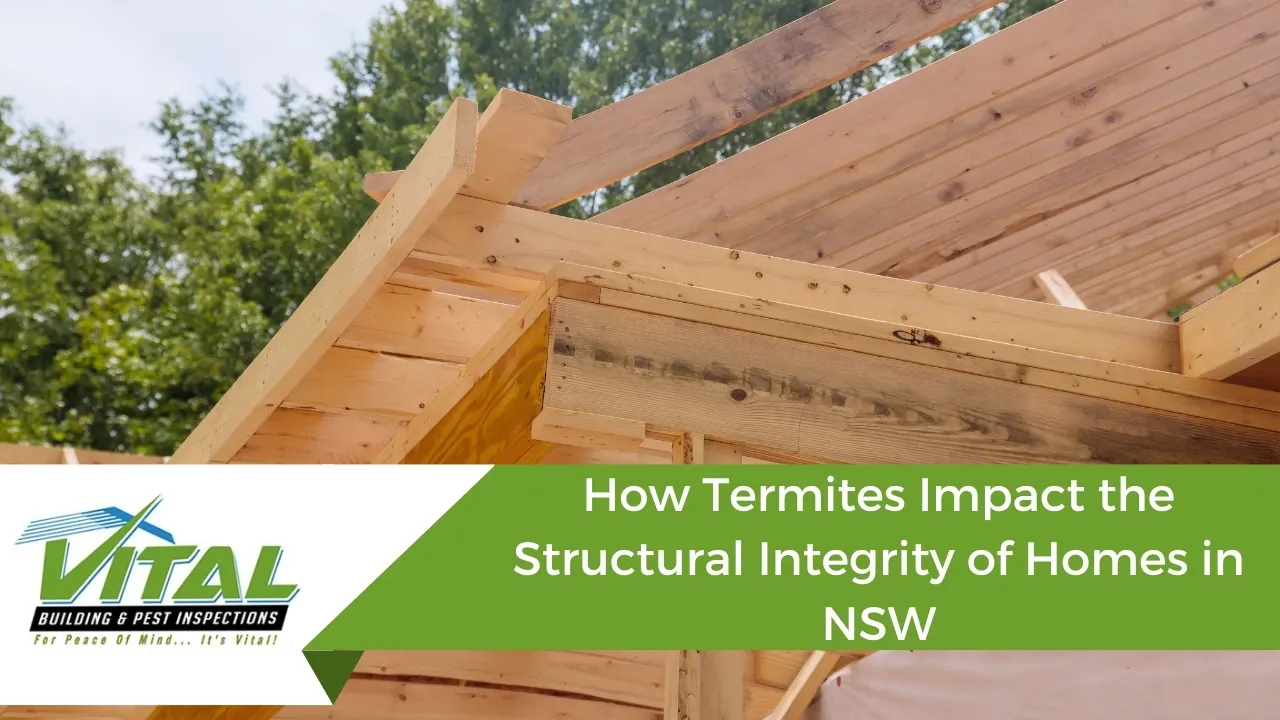
How do termites damage houses? Subterranean termites travel from the soil to the timber in your home, then eat it from the inside, often leaving a thin outer layer and the paint intact. Over time, that weakens floor framing, wall frames, door frames and roof timbers, while the surface still looks sound. In NSW, the NSW EPA notes that subterranean termites cause the most damage to timber. This guide explains how termites behave, how they affect the structure of a home, the signs to look for, and how to keep your home protected.
Peter's guide to the termites most common in NSW suburbs explains how the species and the spread of a colony shape the termite damage repair cost.
How do termites damage houses at a glance
| Part of the home | How termites affect it | What you might notice |
|---|---|---|
| Floor bearers and joists | Eaten from the inside, losing strength | Springy, sagging or uneven floors |
| Wall frames | Studs and plates eaten behind the linings | Cracked plaster, rippled paint, sticking doors |
| Skirting boards and door frames | Eaten behind the paint | Hollow sound when tapped, soft spots |
| Roof timbers | Reached through wall cavities | Sagging ceilings or roof lines |
| Decks, fences and pergolas | Timber in contact with the ground | Soft, crumbling timber, mud on posts |
Understanding termite behaviour
The NSW EPA's page on timber pests and fungi explains that subterranean termites, also known as white ants, live underground or in mounds and build mud tunnels to reach timber. They need moisture, so they stay out of the open air, travelling through the soil, inside timber and through the mud tubes they build.
Health Victoria's page on termite pest control notes that Coptotermes termites are responsible for more than 80 per cent of termite damage to buildings, and that they can travel at least 50 metres from the colony through a series of underground tunnels. That's why a colony in a tree stump, a fence post or a neighbour's garden can reach your home.
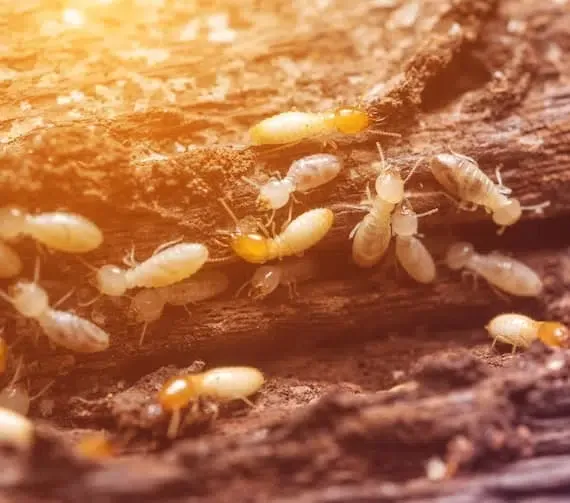
Inside a colony, the workers are the largest group and do most of the damage. They feed on cellulose, which is the main part of timber, and carry it back to the colony. Winged termites leave the nest in swarms, usually in humid, still weather, to start new colonies.
How termites compromise structural integrity
Load-bearing timbers
Floor bearers and joists, wall studs and plates, and roof rafters and beams carry the weight of the home. Termites hollow out these timbers from the inside, and as more of the timber is eaten, it loses strength. In a home with a suspended timber floor, the subfloor is often where termites are found first.
Floors and walls
As bearers and joists weaken, floors can become springy, sag or slope. Termites in wall frames can cause plaster to crack, paint to ripple or bubble, and doors and windows to stick as their frames move.
Skirting boards, door frames and architraves
These are often where damage shows first inside the home. Termites eat the timber just behind the paint, so the surface can look sound until it's pressed or tapped.
Roof framing
Termites can travel up through wall cavities to reach roof timbers, which can lead to sagging ceilings or roof lines over time.
Slab homes
Termites can't eat concrete or brick, but they can find their way around them, through small cracks and gaps, around service pipes, and over slab edges hidden by garden beds and paving. Once inside the walls, they reach the timber frame out of sight. Keeping the slab edge and weep holes visible lets an inspector see any mud tubes on the way in.
Moisture and decay
Termites bring moisture into the timber they work in, and damp timber can also decay. Leaks, poor drainage and damp subfloors make a home more attractive to termites and add to the damage.
Signs of termite infestation
- Mud tubes. Tubes of soil running up walls, piers, slab edges, stumps and tree bases.
- Hollow-sounding timber. Skirting boards, door frames and exposed timber that sound hollow when tapped.
- Rippled or bubbling paint. Paint over eaten timber can ripple, bubble or crack, and can look like water damage.
- Sticking doors and windows. Frames that move or swell as termites work in them.
- Discarded wings. Health Victoria notes that piles of shed wings are a good clue to termites nearby. Check windowsills, door thresholds and around lights.
- Sagging floors or ceilings. Signs that structural timbers may be affected.
- Soil in odd places. Mud packed into gaps, joints or cracks in timber or plaster.
If you find any of these, leave the area undisturbed and book an inspection. Peter's guide on what to do at the first sign of timber pests explains each step.
Why professional termite inspections are essential
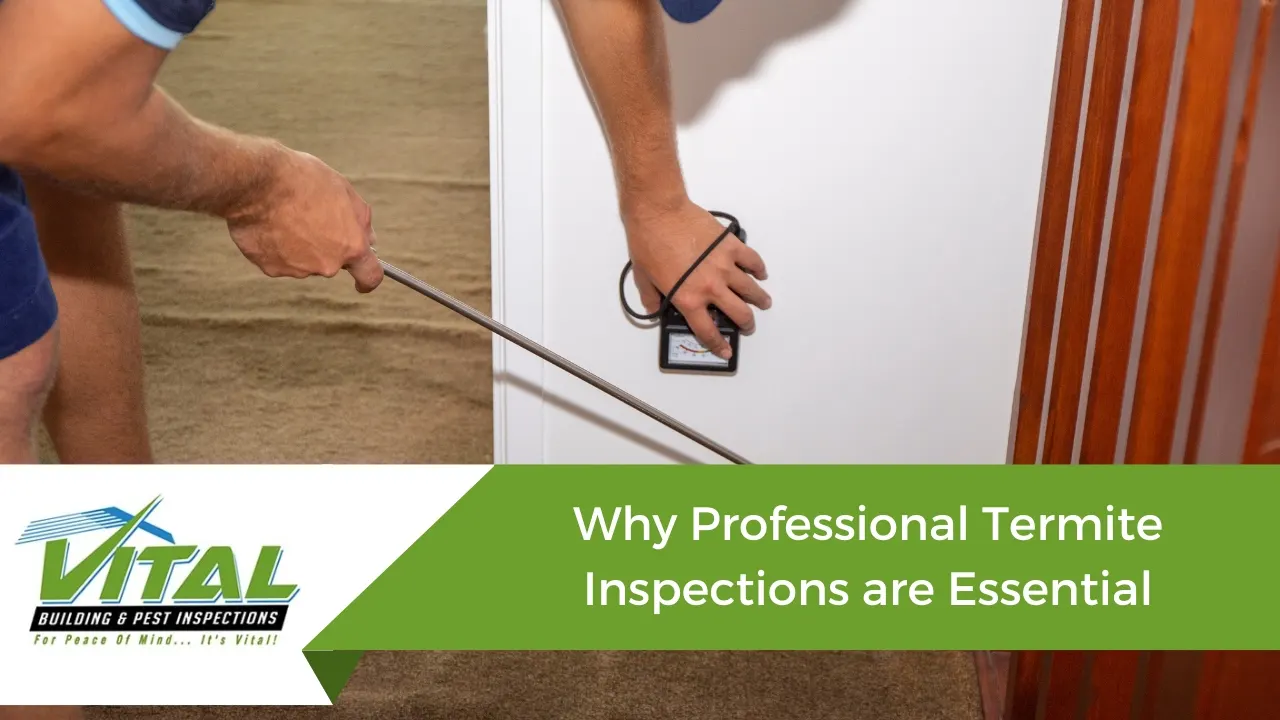
Termites work out of sight, and much of a home's timber is hidden behind linings, under floors and in the roof space. A professional termite inspection reaches those areas safely and uses tools to follow activity behind the walls.
Vital's termite inspections follow AS 4349.3. Your inspector checks the interior, roof space, subfloor and garden, including fences, stumps, retaining walls and outbuildings, where they can be safely reached. Where appropriate, the inspection may use a Termatrac T3i to check for termite movement behind walls, a thermal imaging camera to show temperature differences that can point to nests or damp, and a moisture meter to read the moisture in timber, all without cutting into the home.
Health Victoria notes that it's important to correctly identify the type of termite before treatment begins. An inspection identifies the activity, how far it extends and the conditions that drew it in, so a licensed pest manager can aim the treatment in the right places.
Protecting your home from termite damage
Health Victoria recommends keeping subfloors well ventilated and dry, storing timber away from the soil, improving drainage and fixing leaks. In practice:
- Keep the subfloor dry and well ventilated, with vents clear of soil, mulch and stored items.
- Fix leaks quickly, including taps, pipes, showers, hot water units and air conditioning drains.
- Keep timber off the ground, including firewood, building offcuts, landscaping timber and garden edging near the house.
- Keep garden beds below the weep holes and slab edge, so mud tubes stay visible.
- Connect downpipes to the stormwater, so water drains away from the walls.
- Remove dead trees, stumps and rotting timber from the garden.
- Maintain any termite management system, such as a chemical soil treatment or a monitoring and baiting system, as its installer recommends.
- Book a timber pest inspection at least once a year, as AS 3660.2 recommends.
Health Victoria explains that physical barriers are the least-toxic method of termite control for new buildings, while chemical treatments create an unbroken treated zone around an existing building, and baiting is often used when the main nest can't be found. A licensed pest manager can advise which suits your home.
Keep termites away from your home
A home with regular inspections and a few good habits stays well protected. Termite activity found during a yearly inspection is usually caught early, while treatment is simple and repairs are small. If damage is found, a licensed pest manager treats the colony first, then a builder repairs the timber, and a structural engineer checks anything load-bearing.
Vital's own experienced inspectors carry out every termite inspection in-house across Sydney, and because Vital inspects without treating, your report is fully independent. It sets out any termite activity, damage and conducive conditions, with photos and recommendations. Vital confirms when it will be ready at the time you book. Your inspector walks you through the findings and answers your questions about the report.
Book a termite inspection, see the prices, or call Vital on 0401 012 074. Peter's blog has more guides on termites and timber pests.
Frequently asked questions
How do termites damage houses?
Subterranean termites travel from the soil through underground tunnels and mud tubes to reach timber, then eat it from the inside, often leaving a thin outer layer and the paint intact. Over time, that weakens floor bearers and joists, wall frames, door frames and roof timbers, which can lead to sagging floors, sticking doors and cracked plaster.
Can termites make a house structurally unsound?
An established colony left over a long period can damage load-bearing timbers, such as floor bearers, wall studs and roof framing, enough to affect the structure. Most activity found during a regular inspection is caught well before that point. Where damage affects the structure, a builder, and sometimes a structural engineer, checks and repairs it after treatment.
How long does it take termites to damage a house?
It depends on the size of the colony, the species and the timber, and much of the damage happens out of sight inside walls and floors. That's why AS 3660.2 recommends a timber pest inspection at least once a year: it finds activity early, while the damage is small and the repairs are simple.
Do termites eat through concrete?
Termites feed on timber and other cellulose, and they reach it by finding a way around concrete and brick, through small cracks and gaps, around service pipes, and over slab edges hidden by garden beds. Keeping the slab edge and weep holes visible lets an inspector see any mud tubes they build on the way in.
What should I do if I find termite damage?
Leave the termites and the damaged timber undisturbed, take photos, and book a termite inspection to find the extent of the activity. A licensed pest manager then treats the colony, and a builder repairs the damaged timber once the activity has stopped. A follow-up inspection confirms the treatment has worked.