
Guides
How do pest inspectors check for pests?
Pest inspectors check for termites, borers and timber decay by inspecting the interior, roof space, subfloor and garden, using termite detection radar, thermal imaging and moisture meters to find hidden activity, then reporting what they find with photos and recommendations.
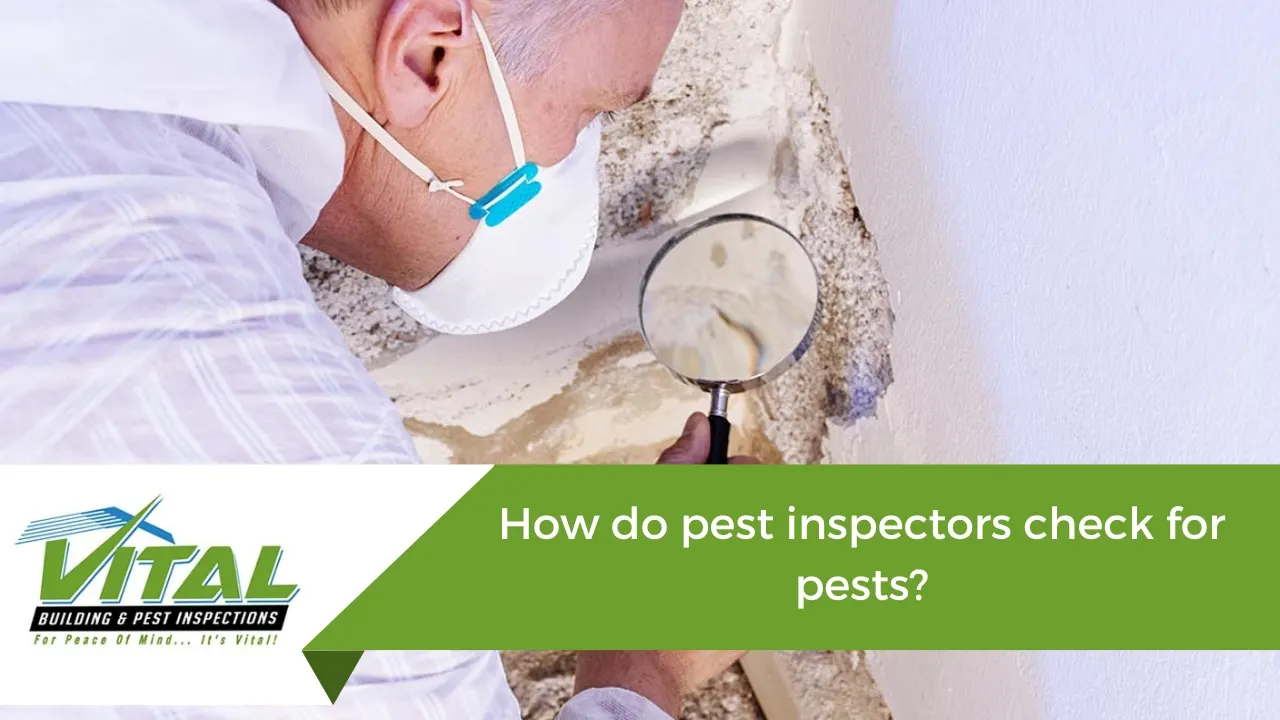
Pest inspectors check for pests by inspecting the whole property, inside and out, for live activity, damage and the conditions that attract pests, then using tools such as termite detection radar, thermal imaging and moisture meters to help look further than the eye. In Sydney, the focus is timber pests: subterranean termites, wood borers and timber decay. This guide explains the pests that pest inspectors look for in Sydney homes, each step of the inspection process, and what you'll find in the report.
Pest inspectors at a glance
| Step | What the inspector does |
|---|---|
| Interior | Checks skirting boards, door frames, architraves, wet areas, cupboards and floors |
| Roof space | Checks roof timbers, ceiling joists and signs of termites, damp and other pests |
| Subfloor | Checks bearers, joists, piers and stumps, ventilation and damp |
| Outside and garden | Checks slab edges, weep holes, fences, stumps, trees, retaining walls and outbuildings |
| Tools | Uses termite detection radar, thermal imaging and a moisture meter |
| Report | Records activity, damage and conducive conditions, with photos and recommendations |
Types of pests commonly found in Sydney homes
Termites
Subterranean termites, also called white ants, are the pest that matters most to a home. The NSW EPA's page on timber pests and fungi notes that they cause the most damage to timber in NSW. They live underground or in mounds and build mud tunnels to reach timber, so they can work inside walls and floors for a long time before the damage shows.
Wood borers
Some beetle larvae feed inside timber and emerge as adults through small round holes, often leaving fine powdery dust below them. The NSW EPA notes that lyctid beetles can live inside timber for over a year before they emerge.
Timber decay
Brown, white and soft rot fungi break down timber that stays damp. Decay points to a moisture source, such as a leak, poor drainage or a damp subfloor.
Cockroaches, ants and spiders
Cockroaches are drawn to food and moisture in kitchens, bathrooms and laundries, and ants trail inside after food and water. Most spiders are harmless, while a few, such as the Sydney funnel-web and the redback, can give a dangerous bite. These sit outside a timber pest inspection, and a licensed pest manager treats them.
Rodents
Rats and mice gnaw through many materials and can contaminate food, as Health Victoria's page on rodents and pest control explains. Inspectors often see their droppings, gnawing and nests in roof spaces and subfloors. Your inspector notes any signs on site, so you can arrange rodent control.
Other pests
Bed bugs, fleas and silverfish can also turn up in Sydney homes. A licensed pest manager treats them.
Pest inspection process
Vital's timber pest inspection follows AS 4349.3, and it works through the property in a set order.
1. Inspecting the interior
Your inspector checks the inside of the home room by room: skirting boards, door frames, architraves, window frames, wet areas, kitchen and laundry cupboards, built-in wardrobes and floors, looking for mud tubes, damaged or hollow-sounding timber, rippled or bubbling paint, sticking doors and windows, exit holes and dust, and signs of damp.
2. Inspecting the roof space
In the roof space, your inspector checks the roof timbers and ceiling joists for termite activity and damage, and looks for leaks, damp and signs of other pests, such as rodent droppings and nests. Termites can reach the roof through wall cavities, so the roof space is an important part of the inspection.
3. Inspecting the subfloor
In homes with a suspended floor, the subfloor is often where termites are found first. The inspection covers the bearers, joists, piers and stumps, looking for mud tubes, damage, damp soil, poor ventilation and timber in contact with the ground.
4. Inspecting the outside and the garden
Outside, your inspector checks the slab edge and weep holes, which should be visible above garden beds and paths, along with fences, gates, decks, pergolas, retaining walls, stumps, trees and outbuildings. Termite activity often starts in the garden before it reaches the house.
5. Using specialised equipment
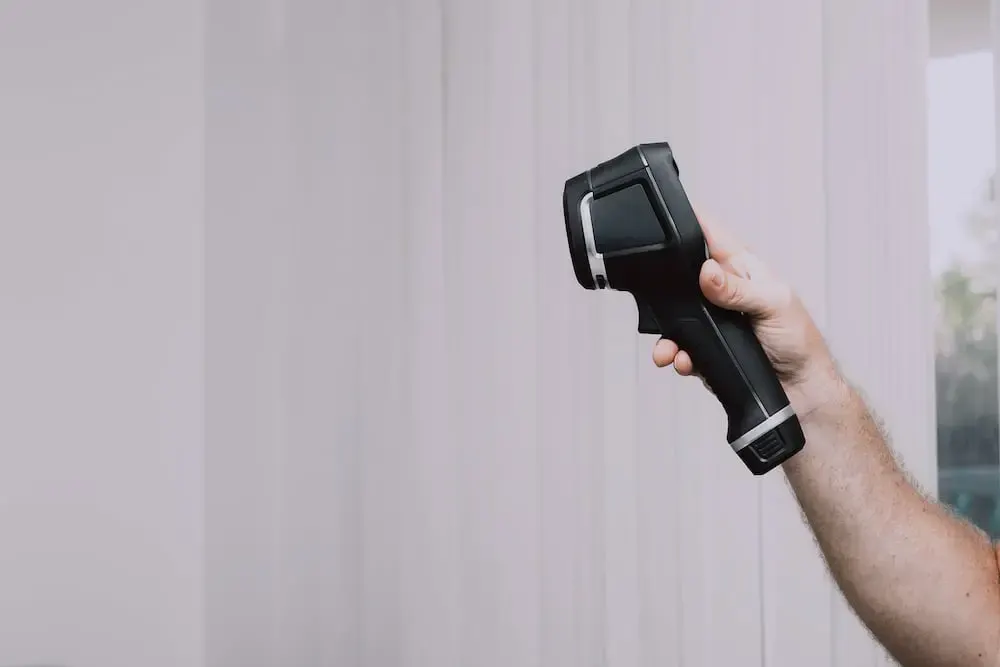
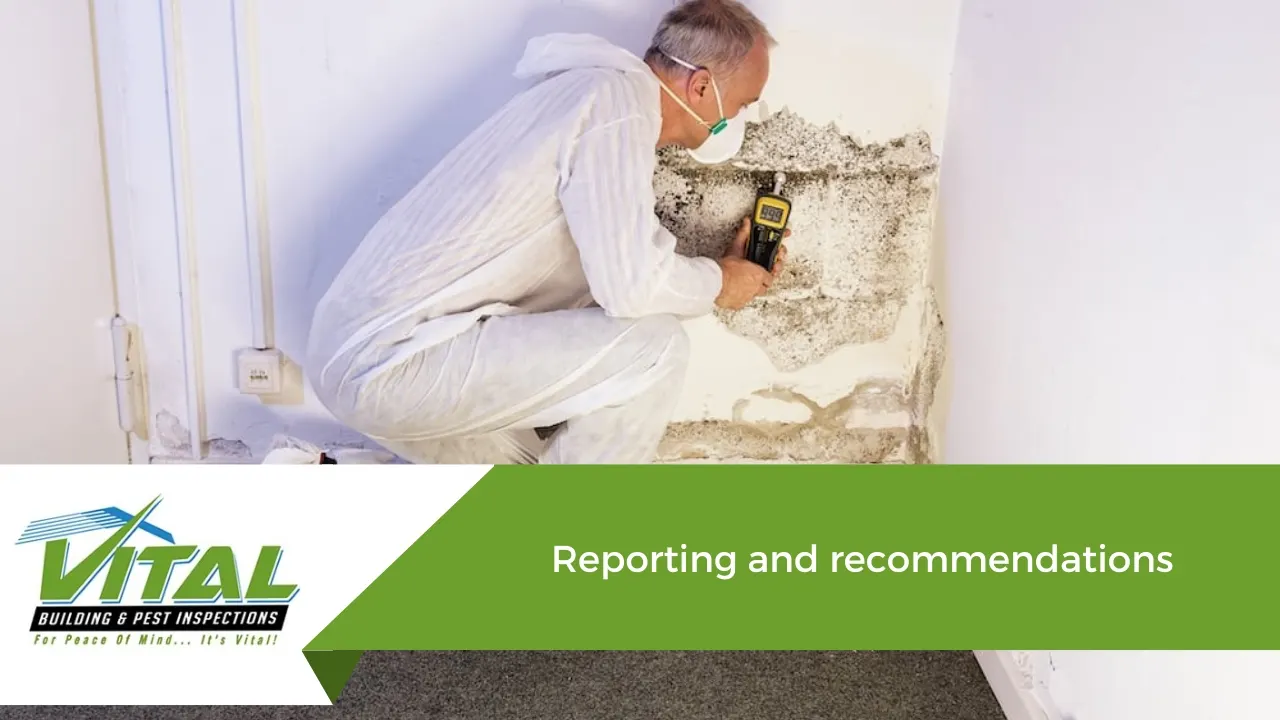
Where appropriate, your inspector may use a Termatrac T3i to check for termite movement behind walls, a thermal imaging camera to show temperature differences that can point to termite nests or damp, and a moisture meter to read the moisture in timber. These tools help follow activity behind walls and under floors without cutting into the home.
6. Checking the conditions that attract pests
Termites and decay fungi are drawn to moisture and timber. The report records the conducive conditions, such as leaking taps and pipes, blocked gutters, damp subfloors, poor ventilation, garden beds covering weep holes, and timber, firewood or stumps close to the house.
What a pest inspection can see
A pest inspection records what can be seen and detected on the day, in the areas that can be safely reached. Stored items, furniture, floor coverings, insulation and wall linings can hide timber, which is why access matters so much. Clearing the roof space manhole, the subfloor entry and the walls of the garage before the inspection lets the inspector see more. A yearly inspection keeps the picture up to date.
A professional inspection or your own check
Your own regular check is well worth doing: look for mud tubes, discarded wings, hollow timber and damp, and keep garden beds below the weep holes. A professional timber pest inspection adds safe access to the roof space and subfloor, the detection tools above, the experience to read what they show, and a written report to the Australian Standard, which is what you need before you buy.
Reporting and recommendations
Identifying any pests found
Your Vital report sets out any termite activity, borer activity and timber decay found, with photos and the location of each finding, and how far the activity and damage extend. If your inspector notices signs of other pests, such as rodents or cockroaches, the report notes them so you can arrange pest control.
Recommendations for treatment and prevention
The report recommends the next steps, such as treatment by a licensed pest manager, repairs by a builder or carpenter, and a further inspection where that's useful. It lists the conducive conditions and what to change, such as fixing leaks, improving drainage and ventilation, and moving timber away from the house. The NSW EPA's page on engaging a pest management technician explains that pest management technicians in NSW must be licensed, so ask to see the licence of anyone who treats your home.
An independent report
Vital inspects and reports only, so the findings are independent of any treatment work. Vital confirms when your report will be ready at the time you book. Your inspector walks you through the findings and answers your questions about the report.
Book a pest inspection with Vital
Vital carries out every pest inspection in-house across Sydney, before you buy, before you sell, and as part of your yearly routine. You're welcome to attend and see any findings on site. If you're buying, a combined building and pest inspection covers both in 1 visit.
Book a pest inspection, see the prices, or call Vital on 0401 012 074. Peter's blog has more guides on termites and other pests.
Frequently asked questions
How often should I have a pest inspection?
The Australian Standard for termite management in existing buildings, AS 3660.2, recommends a timber pest inspection at least once a year. Book one before you buy a home, before you sell, and straight away if you notice mud tubes, discarded wings, hollow-sounding timber or rippled paint, so any activity is found while it's small.
What types of pests do pest inspectors check for?
A timber pest inspection to AS 4349.3 checks for subterranean termites, wood borers and timber decay fungi, along with the conditions that attract them, such as damp and timber touching the ground. Other pests, such as cockroaches, rodents, spiders and bed bugs, sit outside that standard, and your inspector notes any signs of them on site.
What does the pest inspection process involve?
The inspector checks the interior, roof space, subfloor and garden, including fences, stumps, retaining walls and outbuildings, where they can be safely reached. Where appropriate, your inspector may use a Termatrac termite detection radar, a thermal imaging camera and a moisture meter to help look for signs of activity and damp behind walls without cutting into them, then reports each finding with photos.
How long does a pest inspection take?
The time on site depends on the size of the home, the subfloor, the roof space and the garden, because each is checked for termite activity and the conditions that attract it. A combined building and pest inspection takes longer than a pest inspection alone. Ask Vital how long to allow when you book, so you can plan to be there.
Will the pest inspector provide recommendations for pest control and prevention?
Yes. The report recommends the next steps for any activity found, such as treatment by a licensed pest manager and repairs by a builder, and it lists the conditions to fix, such as leaks, damp subfloors, blocked weep holes and timber touching the ground. It also recommends a follow-up inspection where that's useful.
Can the pest inspector provide estimates for pest control services?
Vital inspects and reports only, so the report is fully independent of any treatment work. If treatment is needed, a licensed pest manager inspects the activity and quotes for it, and the report gives them the detail they need, such as where the activity is and how far it extends. Getting 2 or 3 quotes is a good idea for a larger job.