Guides
What is a Pest Inspection?
What is a pest inspection? It's a visual check of a property for termites, borers and wood decay, carried out to the Australian Standard for timber pest inspections, with a report on any activity, damage and the conditions that attract pests.
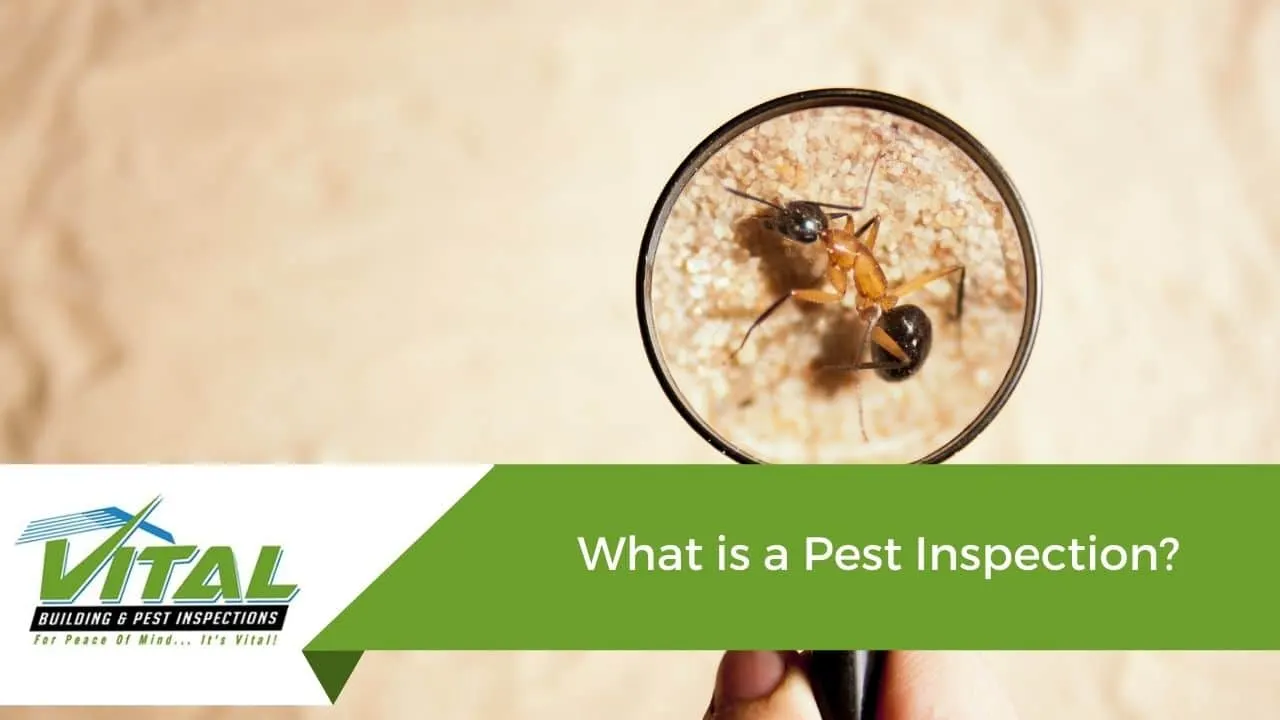
What is a pest inspection? It's a visual check of a property for timber pests, the termites, borers and wood decay fungi that damage buildings, carried out to the Australian Standard for timber pest inspections. The report tells you about any activity, the damage it has caused and the conditions that attract pests, so you can treat, repair and prevent.
Pest inspections suit homes and commercial buildings alike. This guide explains what's involved, how it differs from a building inspection, and what to expect on the day with Vital.
What is a pest inspection?
A pest inspection focuses on the pests that damage a building's timber. Your Vital inspector works to AS 4349.3, which sets out what a timber pest inspection covers and what the report includes. The inspection covers every accessible area, records the findings with photos, and recommends the next step for each finding.
Knowing what the service includes helps you compare inspectors and get value for your money. Vital inspects across Sydney from its base in Stanhope Gardens, and Free quotes are available.
The difference between building and pest inspections
A building inspection covers the condition of the structure: cracks and movement, rising damp, roof defects, wet areas, drainage and safety items. A pest inspection targets wood-destroying pests: termites, borers and the fungi that cause timber decay.
The NSW Government's guide to building and pest inspection reports explains that a building report identifies visible termite damage but not whether termites are still active, and recommends a separate pest inspection, especially where termites are common. That's why a pre-purchase inspection with Vital combines both in 1 visit.
If the inspection finds activity, treatment is carried out by a licensed pest controller. The NSW EPA explains that pest management technician licences are issued by the EPA, and how to check a pest controller is licensed before work starts.
Key components of a timber pest inspection
A timber pest inspection looks for 3 groups of pests and the conditions around them:
- Subterranean termites: live activity, mud leads, nests and damaged timber.
- Borers: exit holes and fine dust in floorboards, framing and furniture-grade timbers.
- Wood decay fungi: rot in timber that stays damp, such as bearers, joists, decks and window sills.
- Conditions conducive to timber pests: leaks, poor subfloor ventilation, timber in contact with soil, and garden beds or paths built up over the slab edge or weep holes.
While the focus is timber pests, your inspector notes other things seen along the way, such as rodent droppings in the roof space or mould on a ceiling, so you can arrange the right follow-up.
When to schedule an inspection
If you're buying, schedule a pest inspection before you exchange, or during the cooling-off period on a private sale. Any activity or damage is then known before the property becomes yours, so you can negotiate the price or ask for treatment and repairs.
Once you own the home, an inspection every 12 months keeps you confident it's free of termite activity, and Australian Standard AS 3660.2 recommends this for termite inspections. Book one sooner if you notice:
- mud leads on walls, piers or stumps
- small piles of dirt or fine timber dust
- timber or plaster that sounds hollow when tapped
- bubbling paint or discolouration on walls and ceilings
- sticking doors and windows
- discarded wings near windows after a warm, humid evening
Regular inspections matter most in areas close to bushland and in homes that have had termites before, because early detection keeps treatment simple and repairs small.
What to expect during an inspection
Your inspector works through the property systematically, inside and out, and checks:
- every room in the home
- the subfloor, where it's accessible
- the roof space
- outbuildings such as sheds and garages
- fences, stumps, trees and landscaping timbers
- retaining walls and decks
Your inspector uses tools that help find hidden activity:
- a Termatrac T3i to check for termite movement behind walls and inside timbers without drilling
- a thermal imaging camera to show temperature differences that can point to nests or moisture
- a moisture meter to check damp areas, which attract termites and decay
You can read more about these on the moisture meters and thermal imaging pages. The time on site depends on the size and type of the property, and Vital can give you an idea when you book.
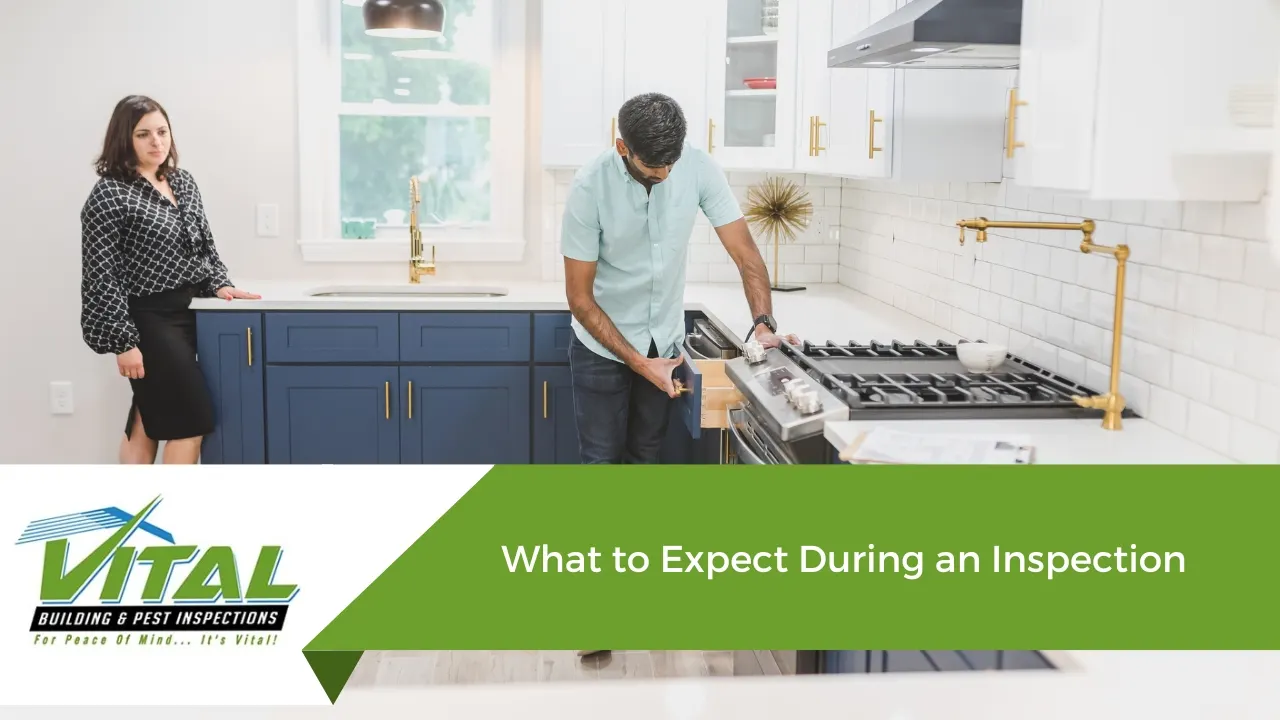
You're encouraged to attend the inspection, meet your inspector and ask questions on site, and seeing a finding in person often makes it easier to understand. Once the inspection is complete, the notes and photos go into your report. Your inspector walks you through the findings and answers your questions about the report.
Australian Standards for pest inspections
A pre-purchase timber pest inspection should be carried out to AS 4349.3. The standard sets out the minimum requirements for a visual timber pest inspection and what the report must cover, so a report to the standard gives you reliable, comparable information.
Why Choose Vital Building and Pest Inspections?
Vital's owner, Peter Ezeigwe, has a background in building restoration and disaster assessment, and his training includes ITI and Restoration Sciences Academy training in microbial remediation, mould, water and flood damage, and fire and smoke damage, which gives him a close understanding of how moisture and decay affect timber. Vital's inspections cover timber pest activity, structural defects and workmanship issues, so the advice covers the whole picture.
Vital's reports go beyond findings: they explain how to treat the issue and how to make the home less attractive to pests from then on. Every inspection is carried out in-house by Vital's own experienced inspectors, with no subcontractors, so the inspector who checks the property is the one who explains the findings.
There are more guides on termites and pests on the guides page.
Frequently asked questions
What is a pest inspection?
A pest inspection is a visual check of a property for timber pests: subterranean termites, borers and wood decay fungi. The inspector checks the interior, roof space, subfloor, exterior and site, and the report covers any activity, damage, and the conditions that make the property attractive to pests, with recommendations for each.
What's the difference between a building inspection and a pest inspection?
A building inspection checks the condition of the structure, roof, wet areas, drainage and safety items. A pest inspection checks for termites, borers and wood decay. A building report notes visible termite damage, while a pest inspection looks for live activity, which is why most buyers book a combined building and pest inspection.
What does a pest inspector look for?
A Vital pest inspector looks for mud leads, termite workings, damaged and hollow-sounding timber, borer holes and dust, and rot in damp timber. The inspection also looks for the conditions that attract timber pests, such as leaks, poor subfloor ventilation, timber in contact with soil, and garden beds built up against the walls.
When should I get a pest inspection?
Book one before you buy a home, ideally before exchange or during the cooling-off period on a private sale. Once you own the home, an inspection every 12 months suits most Sydney homes, and sooner if you notice mud leads, hollow timber or discarded wings. Read how often to get a pest inspection.
Can I be there for the pest inspection?
Yes. You're welcome to attend, meet your inspector and ask questions on site, and see the findings as the inspection goes. Once the report is ready, your inspector walks you through the findings and answers your questions about what to do next.