
Guides
How long does a pest inspection take?
How long does a pest inspection take? It depends on the size, age, construction and condition of the property, how easy the roof space and subfloor are to reach, and what the inspector finds. This guide explains each factor, how to prepare, and how to plan the inspection and report into your timeline.
How long does a pest inspection take? It depends on the property: its size, age, construction and condition, how easy the roof space and subfloor are to reach, and what the inspector finds along the way. A thorough timber pest inspection covers the inside of the home, the roof space, the subfloor, the exterior and the garden, so the time it takes reflects how much there is to check.
This guide explains what affects the time, how to prepare, and how to fit the inspection and report into your timeline. Vital inspects homes across Sydney for termites, borers and wood decay to AS 4349.3, the Australian Standard for timber pest inspections.
How long does a pest inspection take? Factors that can influence the duration of a pest inspection
Every property is different, and these are the main things that shape the time:
- Size of the property. More rooms, a second storey, a larger roof space and a bigger garden all add to the area to inspect.
- Age and construction. An older home with a timber floor and a deep subfloor has more timber to check than a newer home on a concrete slab.
- Access. A roof space with a clear manhole and a subfloor with room to move are quicker to inspect than tight or blocked areas.
- Condition and signs of activity. When the inspector finds mud leads, damaged timber or decay, each one is traced to see how far it goes, and that takes time.
- Outbuildings and the garden. Sheds, garages, decks, fences, retaining walls, trees and stumps are all part of the inspection.
- Stored goods and furnishings. Boxes stacked against walls and full cupboards limit what can be seen, and the report notes areas that couldn't be inspected.
The importance of hiring a qualified and experienced pest inspector
The inspector's job is to find timber pests and the conditions that attract them, and that comes down to knowledge, method and the right tools. A qualified inspector follows the Australian Standard, checks every accessible area in a set order, and records each finding with its location and a photo.
When you compare inspectors, look for:
- an inspection and report to the Australian Standard for timber pest inspections
- building qualifications, so the inspector understands how timber pests affect the structure
- tools that find activity behind walls without drilling
- a sample report you can read before you book
- professional indemnity insurance
- an inspector who's happy for you to attend and ask questions
Vital's owner, Peter Ezeigwe, holds a Certificate IV in Building and Construction and a Diploma of Building and Construction, and is a Housing Industry Association (HIA) member. Where appropriate, your inspector may use a Termatrac T3i to check for termite movement inside walls and timbers, a thermal imaging camera to show temperature differences that can point to nests and moisture, and a moisture meter to check damp areas. Every inspection is carried out in-house by Vital's own experienced inspectors, with no subcontractors, so the business that inspects your property also prepares your report.
Steps you can take to prepare for your pest inspection
A little preparation helps the inspector cover more of the property, which gives you a more complete report.
Clear the way
Make sure the roof space manhole, the subfloor entry, the garage and any sheds can be reached. Move stored goods back from walls, especially in garages and under stairs, where termites often go unnoticed.
Note any signs you've seen
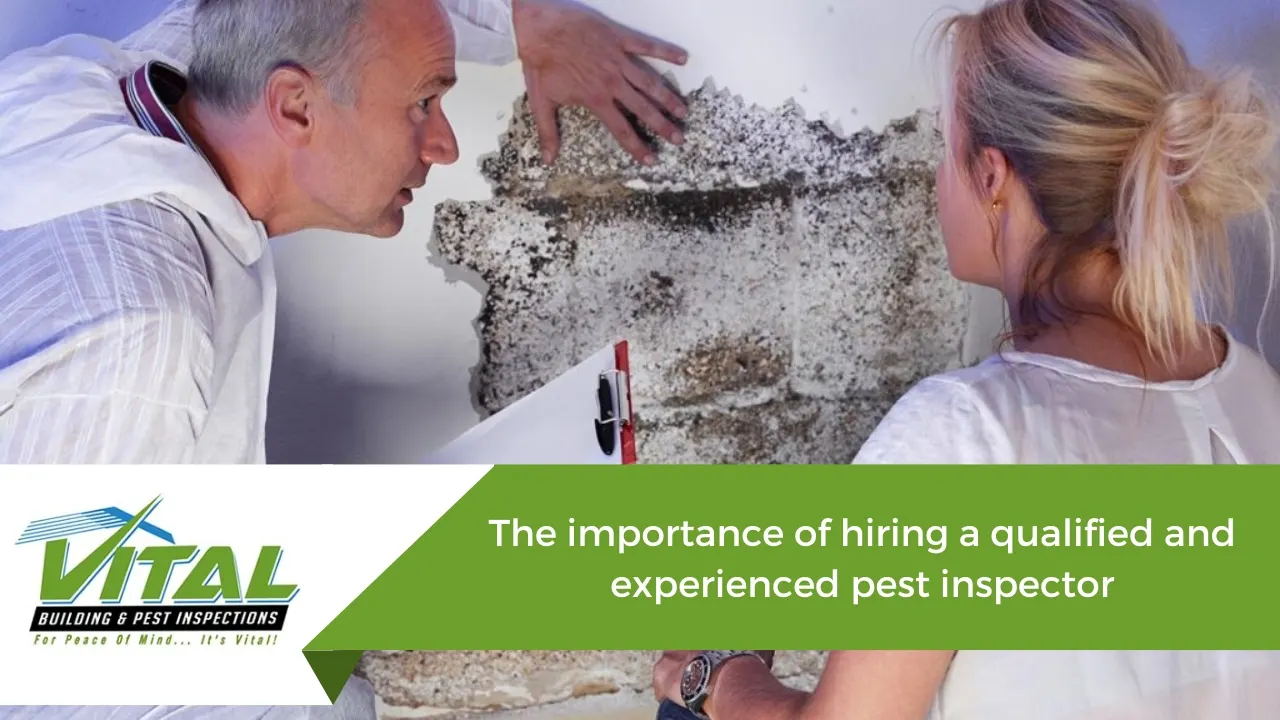
If you've noticed mud leads, hollow-sounding timber, bubbling paint, discarded wings or droppings, note where they are and tell the inspector. Leave termite workings undisturbed, so the activity can be found and mapped.
Fix leaks where you can
Many timber pests are drawn to moisture, so fixing a leaking tap, shower or gutter helps keep the property less attractive to them. Tell the inspector about any recent repairs, so the findings can be read in context.
Gather documents
Have records of past termite treatments, termite management systems and pest control ready. In many homes, a notice about the termite management system is fixed in the meter box.
Write down your questions
List anything you'd like to ask, such as a renovation you're planning or an area you're unsure about, so you can cover it on the day.
If you're buying, ask the agent to arrange access to every room, the roof space, the subfloor and any outbuildings.
Estimating the duration of a pest inspection in Sydney
Typical time for a Vital inspection: up to 2 hours on site, depending on the size, condition and complexity of the property, then up to 3 hours to prepare your report.
For your own property, ask Vital for an estimate when you book, giving the size, age and type of the property, and mention anything you've noticed. A larger home, an older home with a timber floor, or a property with signs of activity usually needs more time on site.
When you're buying, the inspection is 1 part of a wider timeline:
Book early
NSW Government advice is that inspectors usually need 2 to 3 days' notice, so book as soon as you're serious about a property.
The inspection
Your inspector checks the property, and you're welcome to attend and ask questions on site.
The report
The written report follows the inspection, with photos and a recommendation for each finding.
Follow-up
If the report recommends a treatment or a specialist, arrange quotes while you can still act on them.
Vital confirms when your report will be ready at the time you book. In NSW, the cooling-off period on a private treaty purchase is 5 business days, and there's none at auction, according to the NSW Government's guide to building and pest inspection reports. For an auction, have the inspection done and the report in hand before the day.
The importance of a thorough pest inspection in Sydney
Termites are common across Sydney, and they work inside timber, often unseen. A thorough inspection takes the time to check the roof space, the subfloor, the inside and outside of the home and the garden, so you know whether there's activity, damage or conditions that attract timber pests.
For buyers, a thorough report gives you the facts before you commit, so you can negotiate, arrange treatment or weigh the property against others. For owners, an inspection every 12 months finds activity early, when treatment is simpler and repairs are smaller. For sellers, a recent report gives buyers confidence.
A pest inspection with Vital covers the whole property, and a pre-purchase building and pest inspection covers the building and timber pests in 1 visit. You're encouraged to attend the inspection, meet your inspector and ask questions on site. Your inspector walks you through the findings and answers your questions about the report. There are more guides on pests and inspections on the guides page.
Frequently asked questions
How long does a pest inspection take?
It depends on the property. A small unit with easy access is quicker than a large older home with a deep subfloor, a crowded roof space and a big garden. The inspector also spends longer wherever there are signs of activity. Ask Vital for an estimate when you book, giving the size, age and type of the property.
Do I need to be at the pest inspection?
You're welcome to attend, and it's worth it if you can. You'll see the findings for yourself, meet your inspector and ask questions on site. If you can't make it, make sure the agent or owner can give access to every room, the roof space, the subfloor and any outbuildings, and your inspector walks you through the findings afterwards.
How can I help my pest inspection go smoothly?
Make sure the roof space manhole, the subfloor, the garage and any sheds can be reached, and move stored goods back from walls where you can. Note any signs you've seen, such as mud leads or damaged timber, and have records of past termite treatments ready. Good access means the inspector covers more of the property.
Does a building and pest inspection take longer than a pest inspection alone?
A combined building and pest inspection covers more, because it checks the structure, roof, wet areas and site as well as timber pests. It's still 1 visit and 1 report, which is usually the most efficient way to cover both before you buy. Vital can tell you what to expect for the property when you book.