
Guides
Do I need to be present during the pest inspection?
Do I need to be present during the pest inspection? It's optional, and you get the same written report either way. Being there lets you ask questions, see any findings first-hand and learn more about the property, and the same goes for a building inspection.
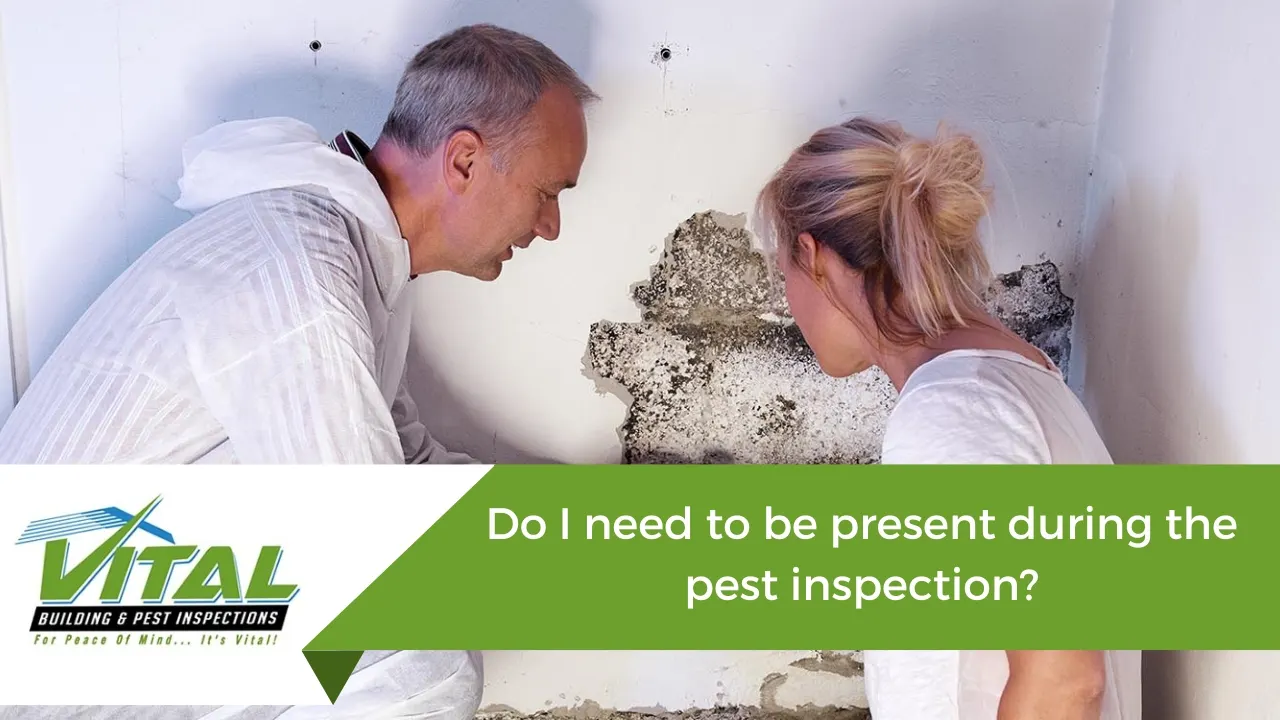
Do I need to be present during the pest inspection? It's optional, and you receive the same written report either way. Being there is worth it if you can make the time, because you can ask your inspector questions, see any findings first-hand and learn how to keep the home less inviting to termites. The same applies to a building inspection: you're welcome to attend either one, or both when they're booked together.
Pest Inspection Tips for Buying and Selling a House in Sydney
A pest inspection is a standard step when you buy or sell a house in Sydney. Termites, borers and fungal decay work inside timber, where they're hard to see at an open home, so the inspection gives you the timber pest picture before you commit. Vital carries out every pest inspection in-house, as a timber pest inspection to AS 4349.3, and gives you a written report with photos and a clear action plan.
If you're buying, the report tells you what you're taking on while you can still negotiate. If you're selling, an inspection before listing means you know what a buyer's inspector will report, and you can deal with it on your own timeline.
What is a Pest Inspection?
A pest inspection is a close examination of a property for termites, borers, fungal decay and the conditions that attract them, such as leaking pipes, poor drainage, timber in contact with soil and low subfloor ventilation. If your inspector notices signs of other pests along the way, such as rodents or cockroaches, the report notes them so you can arrange pest control.
Your inspector combines a visual inspection and sounding of timber with tools that help look behind surfaces without cutting into them:
- a thermal imaging camera, which shows temperature differences such as the cool patch of a leak or the warmth of a nest inside a wall
- a moisture meter, which reads the moisture in timber, plaster and masonry
- a Termatrac T3i, whose radar can pick up termite movement inside walls and timber without disturbing the nest
A pest inspection and a building inspection look at different things. The building inspection covers the overall condition of the home, from the roof and structure to wet areas and drainage. The pest inspection focuses on timber pests and the damage they leave. Buyers usually book both together as a pre-purchase building and pest inspection.
A pest inspection describes the property on the day it's carried out. Termites can arrive at any time, so homeowners keep ahead of them with regular inspections and simple habits around the home, such as keeping garden beds below weep holes and fixing leaks promptly.
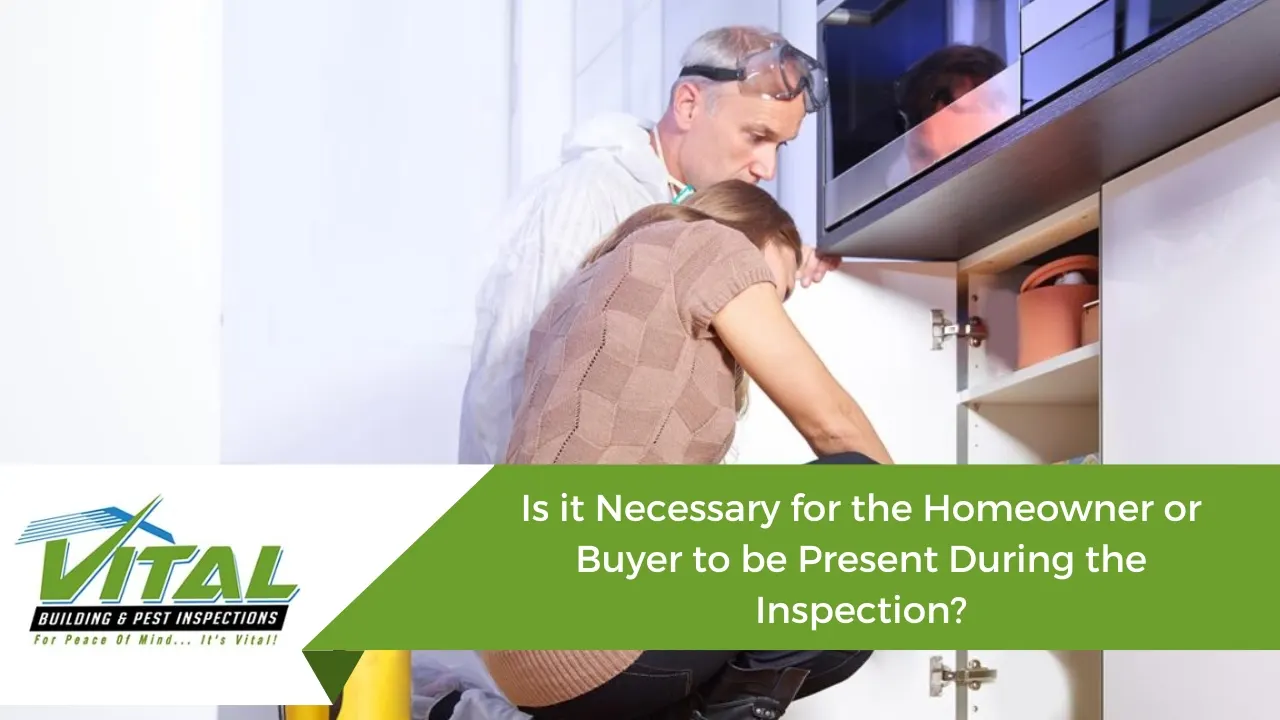
Is it Necessary for the Homeowner or Buyer to be Present During the Inspection?
It isn't necessary, and Vital encourages homeowners and buyers to be present if they can. These are the main advantages.
Asking questions
You can ask about the process and each finding as it comes up. A question asked in the subfloor, with the timber in front of you, often gets a clearer answer than one asked later from the report.
Seeing the results first-hand
You see findings in place: a mud lead on a pier, a damp patch the thermal camera picked up, or a borer hole in a floorboard. That adds reassurance where the home is in good shape and context where something needs attention.
Opportunity to learn
Your inspector can show you where the home is most attractive to termites and what to change, from a dripping tap to a garden bed against the wall. You leave knowing how to look after the home between inspections.
Attending a building and pest inspection
Should you attend a building and pest inspection, or a building inspection on its own? The answer is the same: you can attend, and it's worth it if you can. You're encouraged to attend the inspection, meet your inspector and ask questions on site. Buyers often find the building part especially useful to see in person, because your inspector can show how the roof, wet areas, drainage and structure relate to each other.
Do I need to be present during the pest inspection, or only the walk-through?
Either works. Work, distance or a tight settlement timeline can make attending hard, and the inspection and report are the same whether or not you're there. Your inspector carries out the inspection with the access the agent or owner arranges. Your inspector walks you through the findings and answers your questions about the report. Many buyers who can't attend find the walk-through gives them everything they need. You can also send a friend or family member to attend on your behalf.
Factors to Consider When Deciding Whether or Not to be Present
These points help you decide whether to attend.
Complexity of the property
A larger property, or one with a granny flat, sheds, decks, a pool or long timber fences, has more to inspect. Being there lets you see the whole picture and ask about specific structures as your inspector reaches them.
Personal preference
Some buyers prefer to read the report first and talk it through afterwards, and others like to follow the whole inspection. Choose whatever leaves you most comfortable and confident.
Schedule availability
If work or other commitments get in the way, book the inspection for the earliest time that suits the property and arrange a walk-through of the findings for a time that suits you.
Tips for Homeowners or Buyers Who are Present During the Inspection
If you decide to attend, these steps help you make the most of it.
Know what to expect
Your inspector works systematically through the interior, roof space, subfloor, outbuildings and garden, using the thermal camera, moisture meter and Termatrac wherever a closer look will tell you more, so expect extra time in the areas where moisture collects.
Prepare the property
If you own the home, clear access helps the inspection cover more. Move stored items away from walls in the garage, clear the manhole to the roof space and the access point to the subfloor, and unlock sheds and gates. Peter's guide to preparing for a building inspection has a full checklist.
Ask questions
Write down your questions before you arrive: the age of the timber deck, a stain on a ceiling, a patch of new paint. Your inspector can check each one while on site.
Take notes
Bring a notebook or use your phone to note what your inspector points out and where. Your notes make the written report easier to follow when it arrives.
Book a pest inspection
Whether or not you attend, you get a report written for you and a walk-through of what it means. Vital is based in Stanhope Gardens and inspects homes across north-western and south-western Sydney. There are more guides on timber pests and reports on the guides page.
Frequently asked questions
Is it necessary for the homeowner or buyer to be present during the pest inspection?
It's optional, and it's worth it if you can make the time. Being there lets you ask questions, see any findings first-hand and learn how to keep the home less inviting to pests. If you can't attend, your inspector walks you through the findings once your report is ready, so you still get the answers you need.
What should I do if I am unable to be present during the pest inspection?
Arrange access with the agent or owner, tell Vital about anything you'd like your inspector to look at closely, and set a time to go through the report together once it's ready. You can also ask a trusted friend or family member to attend on your behalf and take notes for you.
Can a pest inspection be done without the homeowner or buyer being present?
Yes. Your inspector needs safe access to the roof space, subfloor, interior, outbuildings and garden, which the agent or owner usually arranges. You receive the same written report with photos whether or not you attend, and your inspector explains the findings afterwards. Attending adds the chance to see the findings first-hand and ask questions on the spot.
How long does a pest inspection take?
It depends on the size of the property, the access and how many outbuildings, decks and fences it has. A larger home, several structures or a deep subfloor all add time. The guide on how long a pest inspection takes covers what affects it, and Vital can give you an idea for your property when you book.
What should I do if the pest inspection finds pest issues in the property?
Read the report's action plan and talk it through with your inspector. Live termites call for a licensed pest manager to treat them, timber damage may need a builder to assess the repair, and conducive conditions such as leaks or timber against soil can be fixed. If you're buying, the findings help you negotiate or plan the work before settlement.
How much does a pest inspection cost?
The price depends on the size and type of property, and on whether you combine it with a building inspection, which is the better value if you're buying. Vital's current prices are on the pricing page, and you can contact Vital for a quote on a larger or unusual property.