
Guides
Is My House Prone to Termite Infestation
A house is more prone to termites when its location, its neighbourhood, nearby trees and old timber, and moisture around the building all suit them. Termite evidence in a house includes mud tubes, timber that sounds hollow, bubbling paint, sticking doors and discarded wings.
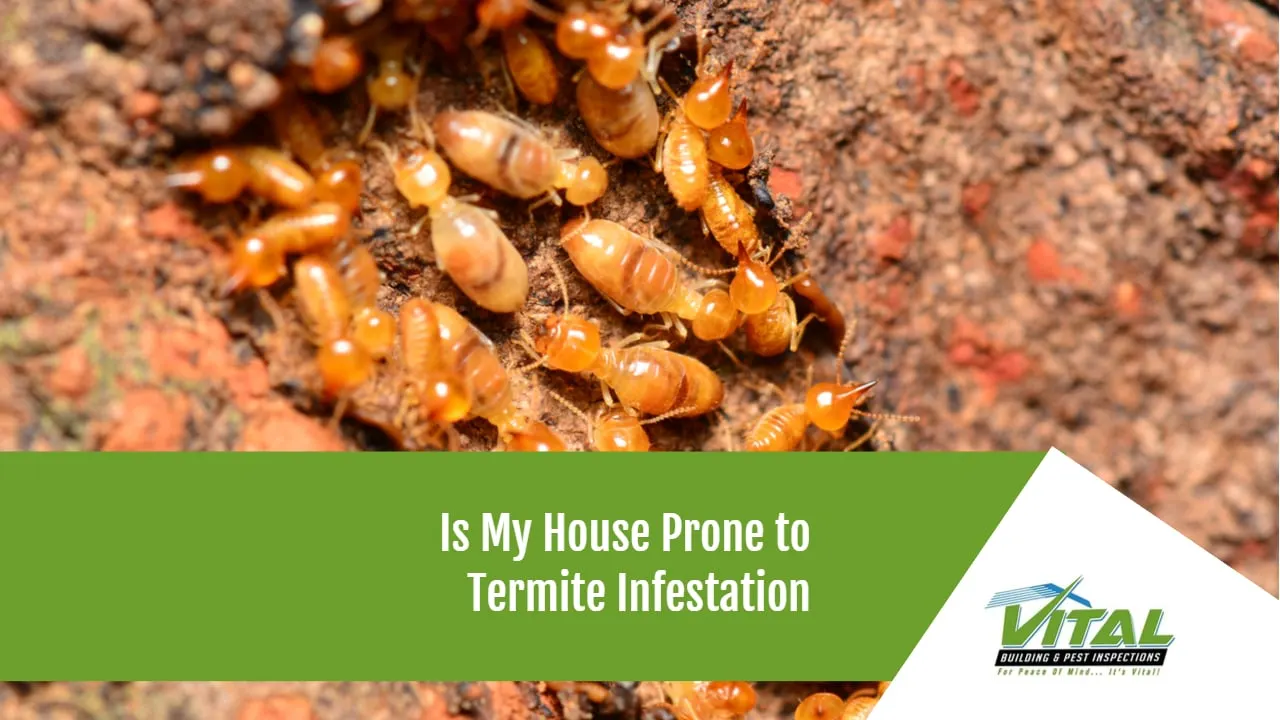
A house is more prone to termites when its surroundings suit them: a warm, humid location, termite activity in the neighbourhood, nearby trees and old timber, and moisture around the building. Knowing these factors helps you spot termite evidence in a house early and keep your home less inviting. Regular termite inspections then find activity before it spreads.
Location and geography of the region
Your location is the first clue. Subterranean termites, the kind that cause most damage to Sydney homes, thrive in warm, humid conditions, and Sydney's climate suits them well. Homes near bushland, parks, reserves and creeks, or in suburbs with mature trees, tend to see more activity, because termites already live in the surrounding timber and soil.
That doesn't mean every home will be affected, and it doesn't mean newer suburbs are clear. It means regular inspections are worthwhile across Sydney, wherever you live.
Neighbourhood
Termite colonies forage widely through the soil, and a colony in a neighbour's garden or an old stump in a nearby reserve can reach your home. If neighbours have had termites, talk to them about where activity was found and what treatment they used. Book a termite inspection if it's been a while since your last one, and keep to a regular schedule after that.
Greenery and rotten wood
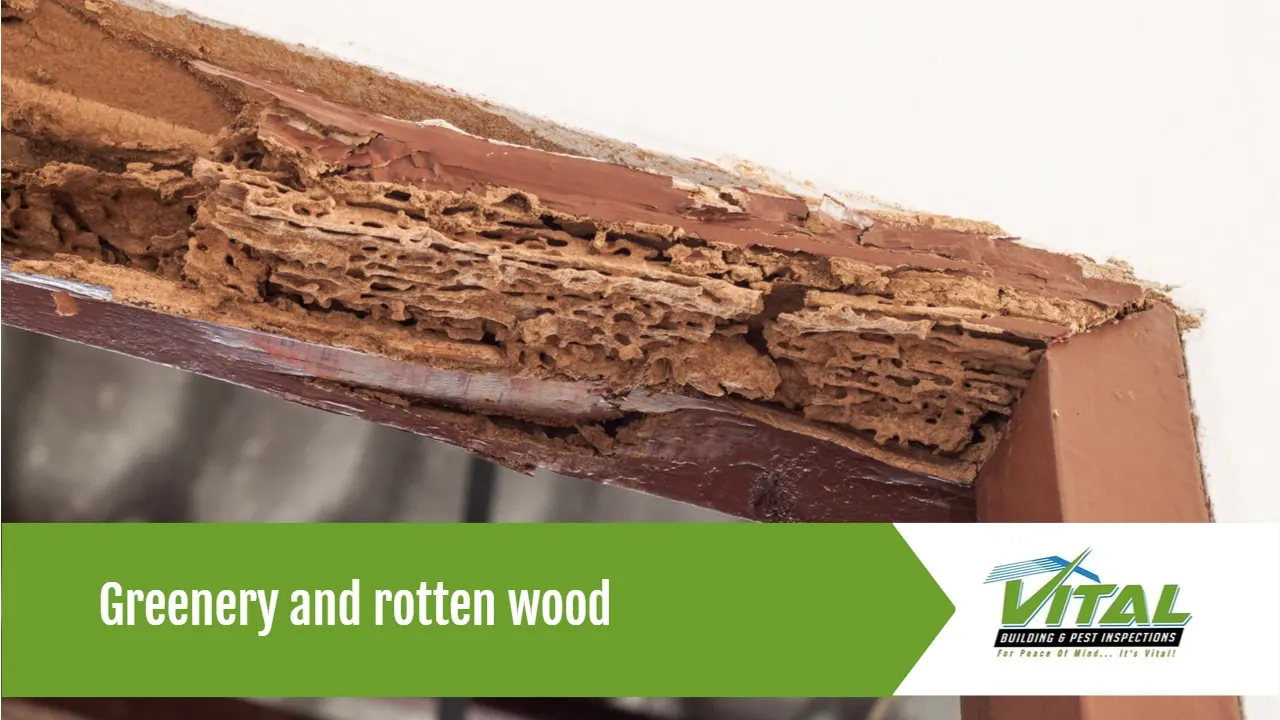
Trees, shrubs and garden beds are part of what makes a home enjoyable, and they need a little management. Dead trees, old stumps, sleepers and timber left lying in the garden can host termite colonies close to the house. Timber fences, garden edging and cladding in contact with the ground decay over time and become attractive to termites.
- Remove old stumps and dead timber where you can.
- Keep firewood and stored timber off the ground and away from the house.
- Keep timber structures, such as steps, fences and pergola posts, on stirrups or concrete rather than in the soil.
- Keep garden beds, mulch and soil below the weep holes and clear of the slab edge.
Moisture and Dampness
Termites need moisture to survive, so damp areas around and under the home are the biggest draw. Watch for:
- leaking taps, pipes, hot water units and air conditioning drains
- overflowing gutters and downpipes that discharge against the house
- poor drainage that leaves soil damp against the walls
- a damp, poorly ventilated subfloor
- leaking showers and wet areas, which keep wall timbers damp
Fixing leaks and improving drainage and subfloor ventilation makes the home less inviting to termites, and it protects the timber and plaster too. Where appropriate, your inspector may use a moisture meter and thermal imaging camera during a termite inspection to check for damp areas that termites look for.
Signs of termite evidence in your house
You can carry out a quick check yourself, at your own home or at an open home before you decide which properties to inspect. It helps you spot warning signs early, and it sits alongside a professional inspection rather than replacing it.
Outside the house
- Mud tubes: pencil-width brown tunnels running up brick piers, slab edges, external walls and garage walls, connecting soil to timber. Even old, broken tubes point to past activity.
- Weatherboards and frames: sunken, rippled or bubbling paint on weatherboards, window frames and door frames, especially in patches.
- Garden beds and timber against walls: soil, mulch or stored timber against the house gives termites a hidden way in.
Inside the house
- The tap test: tap skirting boards, door frames and architraves with your knuckle or a screwdriver handle. Sound timber sounds dense and dull, and damaged timber sounds hollow or papery.
- Paint: bubbling or rippling paint on timber, and patches of fresh paint in an otherwise older room.
- Floors, doors and windows: dips or springy spots in floors, and several doors or windows sticking in the same part of the house.
- Wings and mud packing: discarded wings near windows, doors and lights after a swarm, and mud packed into gaps and joints.
Under the house
If the home has a subfloor and you can reach the access safely, a quick look with a torch can show mud tubes on stumps, piers and bearers, and damp soil or dark, damp timber. Only go in where it's safe to do so. A professional inspection covers the subfloor, roof space and wall cavities in full.
If you find any of these signs, leave the area undisturbed and book an inspection. Disturbed termites tend to move on and resurface elsewhere, which makes them harder to find and treat.
How Vital inspects for termites
Vital's own experienced inspectors carry out every termite inspection in-house, to AS 4349.3. Your inspector sounds timber, checks the subfloor, roof space and garden, and, where appropriate, uses a Termatrac T3i, whose radar can pick up termite movement inside walls and timber without disturbing the nest, along with a thermal imaging camera and moisture meter. Your report sets out any evidence of termites, the conditions that attract them and a clear action plan. Your inspector walks you through the findings and answers your questions about the report.
Vital is based in Stanhope Gardens and inspects homes across north-western and south-western Sydney. If you're buying, a pre-purchase building and pest inspection covers termites and the building in 1 visit. Read more about termites on the guides page.
Frequently asked questions
What does termite evidence in a house look like?
Look for mud tubes on piers, slab edges and walls, timber that sounds hollow or papery when tapped, paint that bubbles or ripples, mud packed into gaps, sagging floors, doors and windows that start to stick, and discarded wings near windows after a swarm. Leave anything you find undisturbed for the inspector.
What makes a house prone to termites?
Moisture is the biggest factor: leaks, poor drainage, damp subfloors and overflowing gutters. Timber in contact with soil, garden beds above the weep holes, stored timber against walls, old stumps and nearby bushland all add to it. Sydney's warm, humid climate suits subterranean termites, so most homes benefit from regular inspections.
Can I check a house for termites at an open home?
You can do a quick screening check: walk around the outside for mud tubes and garden beds against walls, tap skirting boards and door frames, look for bubbling paint and test a few doors. It helps you decide which homes to inspect, and a professional inspection then covers the roof space, subfloor and wall cavities.
Are slab homes safe from termites?
Slab homes can still get termites. Termites can enter through cracks in the slab, around plumbing penetrations and over the slab edge, especially where garden beds or paving cover it. Keeping the slab edge visible and checking it regularly, alongside professional inspections, helps you spot activity early.
How often should I have my house inspected for termites?
Every 12 months suits most Sydney homes. A home with past termite activity, or one near bushland or with a timber subfloor, benefits from more frequent inspections. Your inspector can suggest a schedule based on what the inspection finds at your property.