
Guides
The Role of Inspections in Identifying Water Damage and Remediation
Water damage remediation works best when it starts with a clear view of the signs: where water appears to be getting in, how far it seems to have spread and what it has affected. This guide explains the signs, what an inspection covers, what to do after a leak or flood, and how Peter's restoration training shapes Vital's approach.
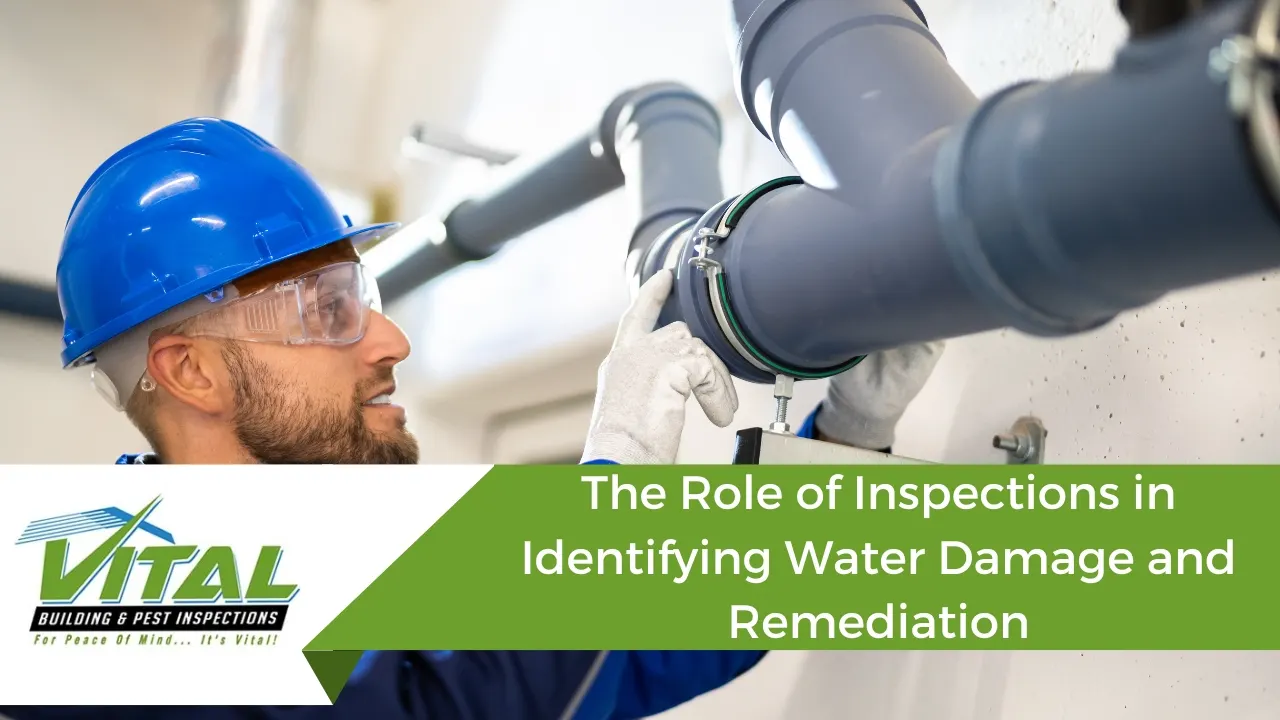
Good water damage remediation starts with a clear view of the signs: where water appears to be getting into a building, how far it seems to have spread and what it has affected, so the repair covers the cause as well as the damage. Water from a leaking shower, a roof, a burst pipe or a flood often travels beyond the stain you can see, and a professional inspection assesses the signs around it and points you to the right trade.
Understanding water damage
Water damage comes from a few main sources:
- Plumbing leaks, from pipes, taps, toilets, dishwashers and washing machines
- Wet area leaks, through worn grout, perished seals or waterproofing behind tiles
- Roof leaks, from cracked tiles, rusted sheeting, flashings and blocked gutters
- Surface water and flooding, when water pools against the walls or enters through the floor
- Condensation, in poorly ventilated rooms, roof spaces and subfloors
Restorers also sort water by how clean it is. Clean water comes from a supply pipe or tap. Grey water carries some contamination, such as water from a washing machine or dishwasher. Black water, from sewage or floodwater, carries the most contamination and needs professional remediation. The type of water shapes the clean-up, so it's 1 of the first things to establish.
Water damage often goes unnoticed until there's a stain, bubbling paint, a musty smell or mould. By then it has usually spread, which is why an early inspection pays off.
What a water damage inspection covers
Your inspector starts at the visible damage and works outward, assessing the signs of where the water may be coming from and how far it appears to reach. A water damage inspection covers:
- the wet areas, with moisture readings around showers, baths, vanities and floor wastes
- ceilings and walls, for staining, swelling, cracking and mould
- the roof space and roof, for leaks around flashings, penetrations, valleys and gutters
- the subfloor, for damp, ponding, ventilation and timber decay
- the exterior and site, for drainage, downpipes and soil levels against the walls
Where appropriate, your inspector may use a moisture meter to measure moisture in timber, plaster and masonry, or a thermal imaging camera to show temperature differences that can point to damp behind a surface. Your report sets out the signs, their likely source, the materials that appear affected and the recommended next steps, including the licensed trade best placed to investigate further.
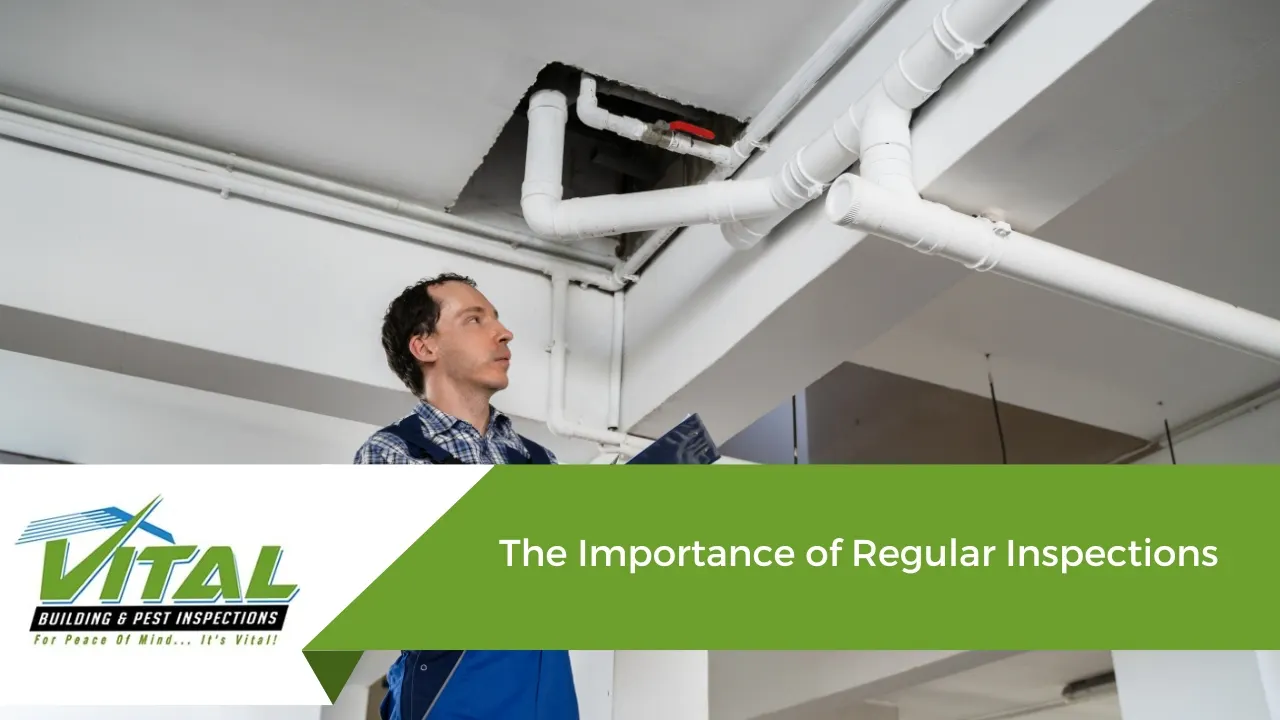
The importance of regular inspections
Regular inspections find water damage while it's small. Booking a building or maintenance inspection every year, or after a storm or a leak, keeps the roof, plumbing and drainage in view.
Comprehensive Assessment
An inspection looks inside and out for the signs of water getting in: stains, discolouration, peeling paint, swollen skirting boards, warped floors, loose tiles and musty smells. Where appropriate, moisture and thermal readings help your inspector assess those signs further.
Early detection saves costs
A leak found early is usually a repair to a seal, a pipe or a flashing. Found late, it can mean replacing plasterboard, flooring, insulation or wall framing. Early detection also keeps mould away, since mould needs moisture to grow.
Efficient Remediation
The inspection report guides the remediation. It tells the plumber, roofer or restoration company where the water came from and how far it travelled, so drying and repairs cover every affected area and nothing is left damp behind a new wall lining.
Preventing Recurrence
Finding the cause stops the damage coming back. The report notes the conditions behind it, such as blocked gutters, poor surface drainage, a worn shower seal or a roof flashing that needs resealing, so you can fix them along with the damage.
What to do after a leak or flood
- Make it safe. Keep away from water near power points or appliances, and have the power turned off if water has reached them.
- Stop the source if you can, by turning off the water at the meter or the appliance.
- Photograph the damage before you clean up, for your insurer.
- Remove standing water and wet items, and open up the space to air.
- Dry it quickly. The US Environmental Protection Agency's guide to mould and moisture advises drying water-damaged areas and items within 24 to 48 hours to prevent mould growth.
- Check for mould in the days after, and clean small areas as NSW Health's mould factsheet describes.
- Call your insurer to check your cover before major repairs.
For a large leak, a flood or any sewage, call a restoration company straight away, then book an inspection to confirm the extent of the damage once the water is out.
The role of professionals
You can spot the obvious signs yourself, and an experienced inspector adds a trained eye and, where appropriate, instruments to assess them. Peter has ITI and Restoration Sciences Academy training in microbial remediation, mould, water and flood damage, and fire and smoke damage, and a background in building restoration and disaster assessment. That restorer's view shapes how Vital reports water damage: where it started, how far it has gone, what drying it out involves and which materials need replacing.
For an assessment of the moisture signs in your home, Vital's water damage inspection sets out each finding and the trade to call. If you need a detailed record of water damage, such as for a dispute with a builder, a building defects report sets out each defect with photos and recommendations. If mould has followed the water, a mould inspection covers the remediation plan.
Ensuring building integrity and safety
Water is behind many of the larger repairs in a home, from timber decay and termite activity in damp subfloors to sagging ceilings and movement in footings. Tracing it early protects the structure and keeps the home healthy to live in.
Every inspection is carried out in-house by Vital's own experienced inspectors, with no subcontractors. You're encouraged to attend the inspection, meet your inspector and ask questions on site. Your inspector walks you through the findings and answers your questions about the report. There are more guides on moisture, leaks and mould on the guides page.
Frequently asked questions
What is a water damage inspection?
It's an assessment of the signs of water in a building: where they are, how far they appear to extend and what they've likely affected, such as plasterboard, timber, flooring and insulation. Where appropriate, your inspector may use moisture equipment or a thermal camera to help assess those signs, and the report recommends the right trade for each finding. Vital's water damage inspection page sets out what's included.
How is hidden water damage assessed?
It starts with the signs you can see, such as staining, swelling and bubbling paint. Where appropriate, a moisture meter measures the moisture in timber, plaster and masonry, and a thermal camera shows temperature differences that can point to damp behind a surface. The readings support the visual inspection, and the cause and full extent of concealed damage are confirmed when the right trade opens up the area.
How quickly should water damage be dried out?
As soon as you can. The US Environmental Protection Agency advises drying water-damaged areas and items within 24 to 48 hours to prevent mould growth. Stop the source, remove standing water, open up the space to air and use fans or dehumidifiers. For a large leak or flood, call a restoration company straight away.
Does a pre-purchase inspection check for water damage?
Yes. Your inspector checks for signs of leaks and damp throughout the home that can be safely reached, with moisture readings or thermal imaging where appropriate. Signs of past or current water damage, such as staining, swelling or damp readings, go in your report with what they're likely to mean and who to call.