
Guides
The Importance of Building Inspections for Home Buyers in Sydney
A building inspection before buying a house shows you the property's real condition, from the roof and structure to wet areas and drainage, while you can still negotiate. In Sydney's competitive market, it's how you buy with confidence.
A building inspection before buying a house tells you the property's real condition before you commit to 1 of the biggest purchases of your life. It covers the roof, structure, wet areas, subfloor, drainage and site, and finds what an open home can't show you, while you can still negotiate the price, ask for repairs or reconsider. In Sydney's fast, competitive market, it's the step that lets you buy with confidence.
The hidden risks of home buying
Buying a home is a milestone, and the excitement of finding the right one can make it easy to overlook what sits behind fresh paint. Roof leaks, damp subfloors, cracked footings and termite damage are rarely obvious at an open home. A building inspection gives you a clear picture of the property's condition, so your decision rests on facts rather than first impressions.
Why get a building inspection before buying a house in Sydney
A building inspection before buying a house protects you in 3 practical ways:
- You know what you're buying. The report sets out the major and minor defects, the safety items and the areas that need maintenance.
- You can negotiate with facts. Findings give you a clear basis to discuss the price or ask the seller to complete repairs before settlement.
- You can plan. Even when you're happy to proceed, you know which repairs to budget for in the first year.
The NSW Government's guide to pre-purchase inspection reports notes that an inspection is usually carried out before you exchange contracts, and that a report provided by the seller can help but isn't a substitute for your own independent report.
Sydney's unique real estate landscape
Sydney's housing mix is wide: Federation and inter-war homes in the inner suburbs, fibro and brick homes from the post-war decades, and newer estates across the north-west and south-west. Each age of home has its own typical findings, from old roofs, timber subfloors and early renovations in older homes to waterproofing, drainage and finish quality in newer ones.
The market moves quickly, too, and buyers can feel pressure to decide fast. Booking your inspector early, as soon as you're serious about a property, means the inspection fits the timeline rather than holding it up.
The eye of the expert
A building inspection is a close, systematic look at the property by someone trained to read a building. Vital's own experienced in-house inspectors carry out every inspection, to AS 4349.1-2007. Vital's owner, Peter Ezeigwe, holds a Certificate IV in Building and Construction and a Diploma of Building and Construction and brings a background in building restoration and disaster assessment, so he knows how damage starts, how it spreads and what the repair involves.
Your inspector covers the accessible areas of the property:
- The exterior: walls, windows, doors, balconies, decks and the roof exterior.
- The interior: ceilings, walls, floors, stairs, the kitchen, bathrooms and laundry.
- The roof space: framing, insulation, sarking and signs of leaks.
- The subfloor: footings, piers, bearers and joists, ventilation and damp.
- The site: garages, retaining walls, fences, paths, driveways and drainage.
A thermal imaging camera and moisture meter show leaks and damp behind surfaces, which is often where the most useful findings are. A building inspection is visual, so electrical wiring and plumbing systems are for a licensed electrician or plumber to test. Your inspector notes visible signs, such as leaks or an old switchboard, and the report recommends a specialist where it helps.
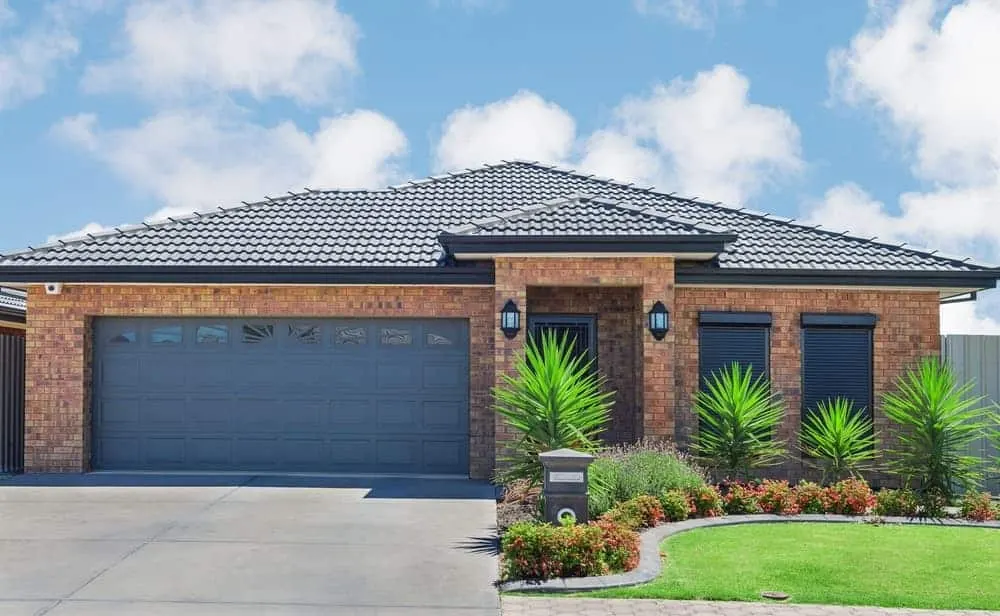
Protecting your investment
Sydney homes are among the most expensive in the country, so the cost of an inspection is small next to the purchase and the repairs it can bring to light. A cracked footing, a leaking shower recess or termite damage in the subfloor can each run to a significant repair bill. Knowing about them before you exchange lets you negotiate, plan or step back before you're committed. A pre-purchase building and pest inspection covers the building and timber pests in 1 visit.
Add the pest inspection if you're buying in Sydney. The NSW Government's guide notes that a building report identifies visible termite damage but won't tell you whether termites are still active. Vital's timber pest inspection to AS 4349.3, with a Termatrac T3i, answers that question.
Compliance with Australian Standards
Homes in NSW are built to the National Construction Code and the Australian Standards it refers to, and a building inspection compares what's visible against good building practice. Your Vital report notes items that look unsafe or that may not meet current standards, such as balustrade heights, stair dimensions and wet area waterproofing, so you know what to raise with the seller or a specialist.
A pre-purchase report is a condition report, so it isn't a certificate of compliance for any law, warranty or insurance policy. Where compliance matters, such as an extension or granny flat, your conveyancer can check the council approvals and certificates for the work.
Peace of mind for home buyers
Knowing your home's condition before you buy is worth a great deal. Your detailed Vital report outlines every defect or concern your inspector finds, with photos and recommendations. You're encouraged to attend the inspection, meet your inspector and ask questions on site. Your inspector walks you through the findings and answers your questions about the report. With that, you can proceed with confidence, negotiate repairs with the seller, or reconsider if the findings are more than you'd like to take on.
Questions to ask your inspector
Before you book any inspector, ask:
- What qualifications do you hold, and what's your background?
- Which Australian Standard does the inspection follow, and what does it cover?
- Do you hold professional indemnity insurance?
- When will I receive the report?
- Can I attend, and will you walk me through the findings?
The guide on choosing the right building and pest inspector covers these in more detail.
After the report arrives
Read the summary first, then the major defects and safety items. Get quotes for the larger items, talk to your solicitor or conveyancer about your options within the contract, and decide how to proceed. The guide on what to do after receiving your building inspection report walks through each step.
Take the first step toward your dream home
In a market where decisions happen fast, book your inspection as soon as you're serious about a home. Vital is based in Stanhope Gardens and inspects homes across north-western and south-western Sydney. See how a report is set out in the sample report, read more on the guides page, or contact Vital to book.
Frequently asked questions
Should I get a building inspection before buying a house?
Yes. A building inspection shows you the condition of the roof, structure, wet areas, subfloor and site before you commit, while you can still negotiate the price, ask for repairs or reconsider. In Sydney most buyers book a combined building and pest inspection, so termites and timber damage are covered in the same visit.
When should I get a building inspection when buying a house?
Before you exchange contracts, or during the cooling-off period if you've exchanged on a private sale. In NSW the cooling-off period for residential property is 5 business days, and it doesn't apply at auction, so for an auction book the inspection before auction day. Give the inspector as much notice as you can.
What does a building inspection cover?
Your inspector checks the accessible areas of the property: the interior, exterior, roof space, roof exterior and subfloor, plus the site, including garages, retaining walls, fences, paths and drainage. A thermal imaging camera and moisture meter help trace leaks and damp, and your report sets out each finding with photos.
What should I ask a building inspector before booking?
Ask what qualifications they hold, what the inspection covers and which Australian Standard it follows, whether they hold professional indemnity insurance, when you'll get the report, and whether you can attend and talk through the findings. Vital's answers to each are on the about page and the FAQs page.
What happens after the building inspection?
You receive a written report with photos, and your inspector walks you through the findings. From there you can proceed with confidence, negotiate the price or repairs with the seller, get quotes from trades for the larger items, or reconsider the purchase. Your solicitor or conveyancer can help you act on the report within your contract.