
Guides
Starting the Year Right with a Building Inspection
Put a building inspection at the top of your home maintenance checklist for the year. It shows the home's current condition and the repairs it needs, so you can plan the year's maintenance and budget with confidence. This guide includes a season-by-season checklist for Sydney homes.
A building inspection belongs at the top of your home maintenance checklist for the year. It shows the home's current condition, the defects to fix and the maintenance coming up, so you can plan the year's work and budget in order of priority. Below is a season-by-season checklist for Sydney homes, and how an inspection fits into it.
Why start the year with a building inspection
A building inspection is a professional look at the whole property: the interior, the roof space, the subfloor, the exterior and the site. Your inspector records the findings as major defects, minor defects and safety hazards, with photos and a recommendation for each, and, where appropriate, uses a moisture meter and a thermal imaging camera to help look for signs of damp.
The start of the year is a practical time for it:
- Your budget is open. You can plan repairs across the year, starting with safety items and major defects.
- You know the current condition. Summer storms, heat and heavy rain show up as leaks, cracking and damp, and the inspection records them while they're fresh.
- Landlords and property managers can plan. Repairs can be scheduled between tenancies, and the report is a dated record of condition.
- Sellers have time. If you're thinking of selling later in the year, you have time to fix items before you list.
- Termite season is coming. The Australian Museum's page on termites notes that termites fly in spring and autumn, so an inspection early in the year finds activity before the autumn flights.
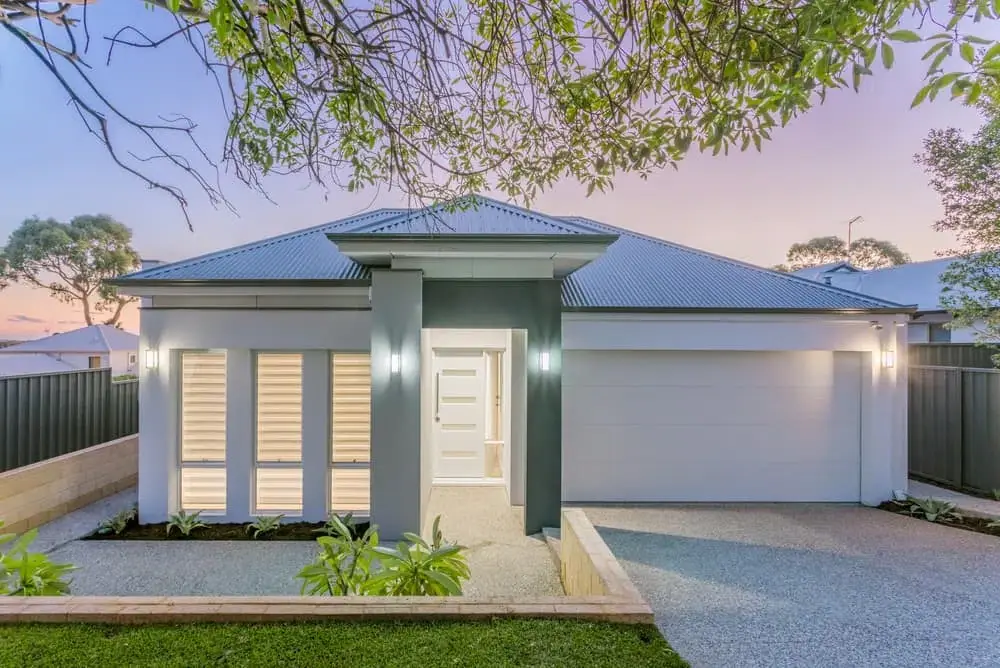
Your home maintenance checklist for the year
Summer
- Clear gutters, downpipes and box gutters before storms, and check stormwater pits are flowing.
- Check the roof from the ground for cracked or slipped tiles and lifted sheeting after big storms.
- Look at ceilings for new stains after heavy rain.
- Trim trees and shrubs back from the roof, gutters and walls.
Autumn
- Book an annual timber pest inspection. The Australian Standard for termite management, AS 3660.2, recommends 1 at least once a year.
- Keep garden beds, mulch and stored timber away from the walls, so the slab edge stays visible.
- Fix leaking taps, hoses and air conditioner drains near the house, because damp soil attracts termites.
Winter
- Have heating serviced. The Australian Government's energy.gov.au explains that heating and cooling make up 20% to 50% of household energy use, and that servicing should be done by a licensed technician.
- Watch for condensation and mould on cold walls and ceilings. NSW Health's mould factsheet explains how to clean small areas and why fixing the moisture source matters.
- Keep bathroom and laundry exhaust fans working, and open windows when it's dry.
Spring
- Test smoke alarms. Fire and Rescue NSW's smoke alarm buyers guide notes that NSW law requires at least 1 working smoke alarm on each level of a home.
- Check decks, balconies and balustrades for loose fixings, decayed timber and gaps.
- Look at grout and silicone in showers and baths, and reseal where it's worn.
- Check subfloor vents are clear, and look under the house for damp or mud tubes.
Inspections for different properties
Every home has its own focus:
- Freestanding houses: footings and cracking, the roof, gutters and stormwater, and termites, with the subfloor and slab edge checked closely.
- Apartments and townhouses: the NSW Government's guide to buying a strata property recommends a strata search report, which covers building defects, planned works and the capital works fund. A strata inspection covers the unit itself.
- Older homes: ageing roofs, timber subfloors, drainage and materials that may contain asbestos.
- New homes: finishing, flashings, waterproofing and drainage, ideally checked before handover with a new home inspection.
- Renovated homes: the quality of new wet areas and signs of alterations, so your conveyancer can check approvals.
What it means for your property
The inspection turns your home maintenance checklist into a plan. Safety items and major defects go first, minor defects go into the year's maintenance, and anything that needs a specialist, such as a plumber, electrician or structural engineer, is named in the report. Vital's owner, Peter Ezeigwe, has a background in building restoration and disaster assessment, and Vital's reports explain how each defect is repaired as well as where it is.
Keep each year's report. Over time, the reports show how the home has been looked after, which helps with planning, insurance conversations and an eventual sale.
When to book an inspection
Early in the year suits most owners, landlords and property managers. If you're buying, book a pre-purchase building and pest inspection as soon as you're serious about a home. For an owned home, a maintenance inspection every year or 2, with an annual timber pest inspection, keeps everything on track.
Every inspection is carried out in-house by Vital's own experienced inspectors, with no subcontractors. You're encouraged to attend the inspection, meet your inspector and ask questions on site. Your inspector walks you through the findings and answers your questions about the report. There are more guides on looking after your home on the guides page.
Frequently asked questions
What should be on a home maintenance checklist?
Clean gutters and downpipes, check the roof for cracked or slipped tiles, look at wet areas for worn grout and seals, keep subfloor vents clear, check decks and balustrades, trim vegetation away from the house, test smoke alarms, have heating and cooling serviced, and book an annual timber pest inspection. A building inspection every year or 2 ties it together.
Why get a building inspection at the start of the year?
It gives you the home's current condition while the year's maintenance budget is still open, so you can plan repairs in order of priority. Landlords and property managers can schedule work around tenancies, and owners thinking of selling later in the year have time to fix items before they list.
How often should a termite inspection be done?
The Australian Standard for termite management, AS 3660.2, recommends a timber pest inspection at least once a year, and more often in areas where termites are active. The Australian Museum notes that termites fly in spring and autumn, so an inspection early in the year fits well before the autumn flights.
Do I need a building inspection for an apartment?
It's worthwhile. The NSW Government explains that a strata inspection normally covers the interior and immediate exterior of the unit. For the rest of the building, a strata search report shows the scheme's records, including building defects, planned works and the capital works fund. Together they give you the full picture.
What should a landlord check each year?
Smoke alarms on each level, wet areas for leaks and worn seals, the roof, gutters and drainage, balustrades, stairs and paths, and any signs of damp or mould. Your property manager can advise on your obligations as a landlord, and a building inspection gives you a dated record of the property's condition.