
Guides
Construction Stage Property Inspection
A construction stage property inspection checks your new home at key points in the build. The pre-lining inspection, before plasterboard goes on, is often the most valuable, because the frame, services, window flashings and wall wrap are all still visible and simple to put right.
A construction stage property inspection is an independent check of your new home at key points in the build. Each inspection looks at the work the next stage will cover, so any item is fixed while it's still simple to reach. The pre-lining inspection, carried out before the plasterboard goes on, is often the most valuable, because the frame, services, window flashings and wall wrap are all still visible.
What is stage property inspection?
A new home goes up in layers, and each layer covers the one before it. The steel in the slab disappears under concrete, the frame disappears behind plasterboard, and the waterproofing in the bathrooms disappears under tiles. A construction stage property inspection looks at each layer while it's still in view.
Most homes are built by a builder under contract, and the stage inspections are booked by you, the owner, as an independent check on the work. Vital carries out every construction stage inspection in-house and gives you a written report with photos after each stage, ready to send to your builder.
Importance of construction stage property inspection
Homes in NSW are built to the National Construction Code and the Australian Standards it refers to, along with the approved plans and the conditions of the development consent or complying development certificate. Your principal certifier carries out the mandatory critical stage inspections at set points in the build, checking the work against the approval and the code.
An independent stage inspection adds a second set of eyes that works only for you. It covers workmanship and finish as well as structure, and it's timed so that any item is fixed before the next stage covers it. That's far simpler for your builder than opening up a finished wall or lifting tiles after handover, and it gives you confidence that the home is being built the way you paid for. The guide to the role of construction and building inspectors explains how the certifier's role and an independent inspector's role fit together.
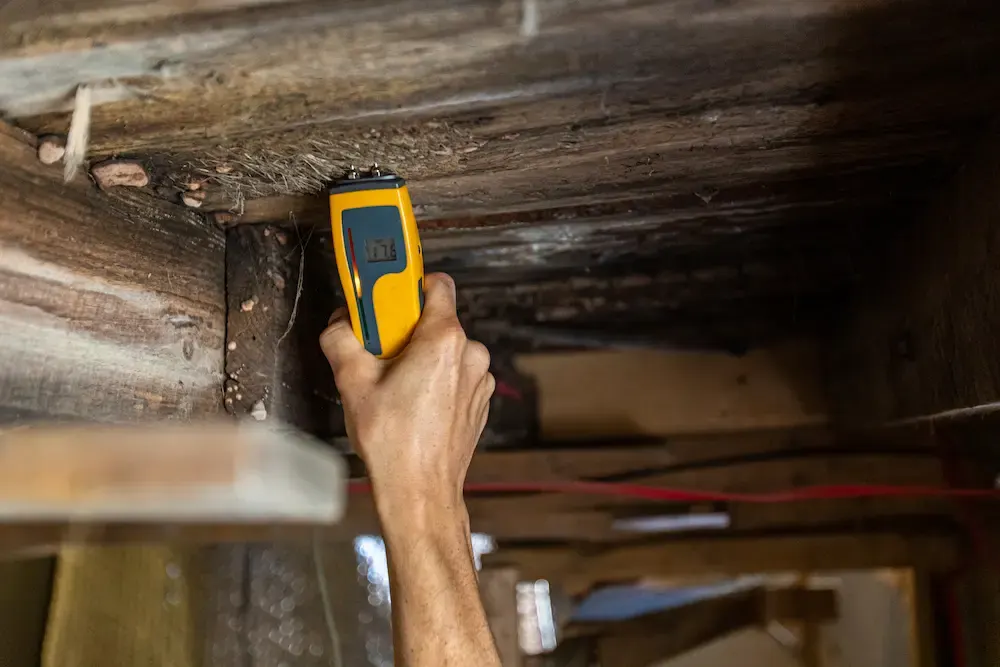
How are construction stage property inspections done?
Vital inspects at the stages that matter most, and each inspection follows the same pattern: inspect the work that's visible, record each item with a photo and its location, and report it so your builder can attend to it before the next stage.
Slab, before the pour
Booked when the reinforcement is in place, before the concrete is poured. Your inspector checks the steel reinforcement and its cover, the set-out against the plans, the edge details, and the penetrations through the slab for plumbing and termite protection.
Frame
Booked when the wall and roof frames are up. The inspection covers frame alignment and plumb, bracing and tie-downs, lintels over openings, and the roof trusses and their fixing.
The pre-lining inspection
Booked at lock-up, when the roof, windows and external doors are on and before the plasterboard goes up. Your inspector checks the frame and the visible services before they're lined, the window and door flashings, the wall wrap, and any sign of water getting in. It's the last time all of these are in view at once, which is why many owners treat it as the most important stage inspection to book.
Fixing
Booked when the plasterboard, cabinetry and internal doors are in. This inspection covers the plasterboard finish, wet area waterproofing and tiling where it's visible, joinery, doors and the internal fit-out.
Before handover
Booked when your builder gives you a practical completion date. A new home and pre-handover inspection checks the finished home inside and out, and lists every defect and incomplete item before you make the final payment. A building inspection is visual, so electrical, plumbing and gas systems are for licensed trades to test and certify.
How construction stage property inspection helps homeowners?
Once you accept the keys, the home and its condition become yours. Stage inspections help you take over a home that's been checked at every important point:
- Items are fixed at the right time. Your builder attends to each item before it's covered, while it's simplest to reach.
- You have a clear list. Each report sets out what was inspected, each item with a photo, and what your builder needs to attend to.
- You have a dated record. Keep every report with your contract. It shows the condition of the work at each stage, which is useful under your statutory warranty after you move in.
- You understand the build. Vital's owner, Peter Ezeigwe, brings a background in building restoration and disaster assessment to the business, and your report explains how a detail in the frame or flashings shows up years later as a leak or crack, and why it's worth getting right now.
Vital's owner, Peter Ezeigwe, holds a Certificate IV in Building and Construction and a Diploma of Building and Construction. You're encouraged to attend the inspection, meet your inspector and ask questions on site, so let your builder know the date and your inspector can show you what's being checked at each stage.
Book a pre-lining inspection or other stage inspection
Send Vital the address, your builder's construction timeline and the stages you'd like inspected, and you'll get a quote back. Vital is based in Stanhope Gardens and inspects new homes across north-western and south-western Sydney. Read the guide on whether a new build needs a building inspection, or find more on the guides page.
Frequently asked questions
What is a pre-lining inspection?
It's an independent inspection of a new home at lock-up, after the roof, windows and external doors are on and before the plasterboard goes up. Your inspector checks the frame, bracing, window and door flashings, wall wrap and visible services while they're still in view, so your builder can attend to any item before it's covered.
Which construction stages should I have inspected?
The usual stages are the slab before the concrete is poured, the frame, lock-up or pre-lining, and fixing, followed by a pre-handover inspection at practical completion. If you can only book 1 or 2, the pre-lining and pre-handover inspections usually tell you the most.
Doesn't the certifier already inspect the build?
In NSW, your principal certifier carries out the mandatory critical stage inspections and checks the work against the approval and the building code. Vital's inspections are booked by you and report to you, covering workmanship and finish as well as structure, so the 2 work alongside each other.
Can I book a stage inspection once construction has started?
Yes. Vital can inspect whichever stage your build has reached, whether the slab steel is laid, the frame is up or the home is at lock-up. Each inspection gives you a dated record of the work at that point and a list for your builder.
What happens if a stage inspection finds a defect?
Your report sets out each item with photos and its location. Send it to your builder so they can attend to it before the next stage covers it, and agree how you'll confirm it's done. Keep every report with your building contract as a record of the work.