
Guides
Ensuring Pool Safety: What Inspectors Check and Why It Matters
A pool safety inspection checklist starts with the barrier: fence height and gaps, a gate that swings out, self-closes and self-latches, a clear non-climbable zone and a CPR sign readable from 3 metres. Ladders, surrounds, drainage, chemicals and electrical safety round it out.
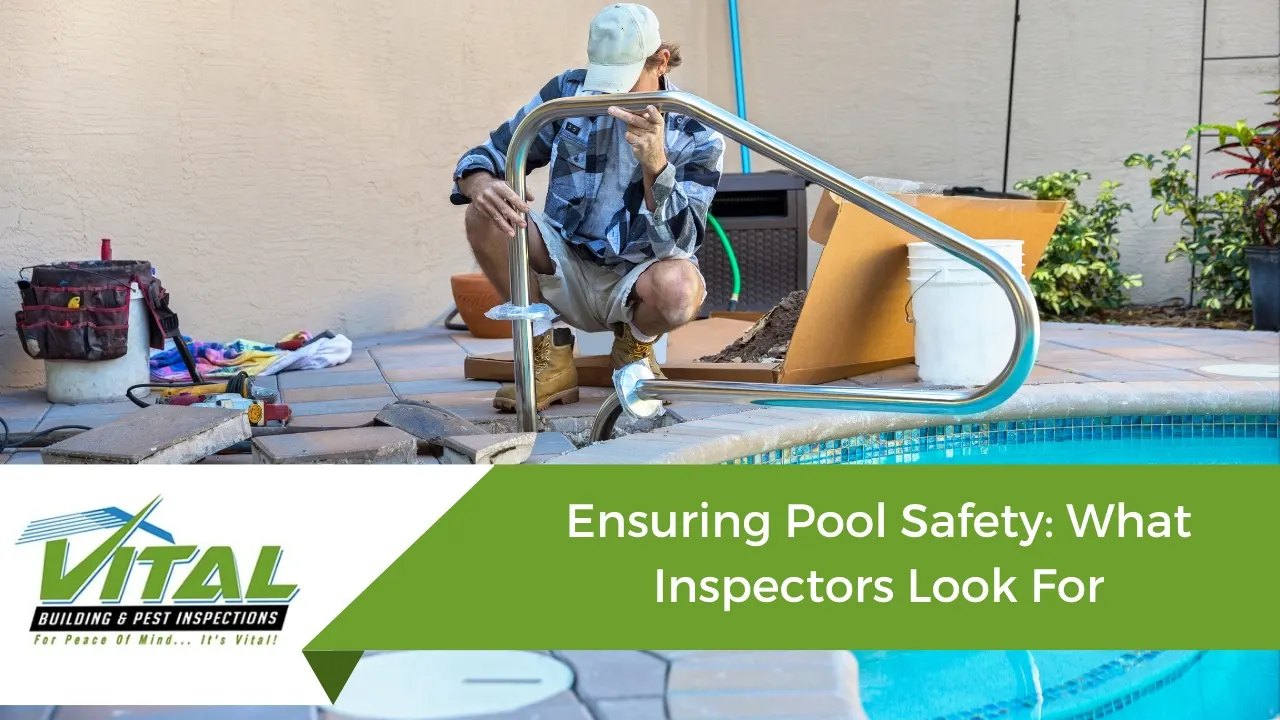
A pool safety inspection checklist starts with the barrier: a fence of the right height with small enough gaps, a gate that swings away from the pool and closes and latches on its own, a non-climbable zone clear of footholds, and a CPR sign readable from 3 metres. Ladders, surrounds, drainage, pool chemicals and electrical equipment round out the picture. This guide explains what inspectors check and why each item keeps children and visitors safe.
Your pool safety inspection checklist
Pools give families years of enjoyment, and a safe barrier is what lets everyone relax around them. In NSW, the rules for pool and spa owners are set out in the NSW Government's guide to pool owner obligations. The barrier inspection and the pool compliance certificate come from a registered pool certifier or your local council, and when you're buying, Vital's pre-purchase building and pest inspection covers the home itself.
Types of pool inspections
- Pre-purchase: a buyer's check of the pool barrier and surrounds before exchange, as part of a pre-purchase building and pest inspection.
- Compliance: the certifying inspection by your council or a registered swimming pool inspector, who issues a certificate of compliance or non-compliance.
- Safety: a check of the barrier and surrounds ahead of a sale, lease or certifying inspection, so you can fix items early.
- Maintenance: regular checks of the pool's equipment, water and structure, usually by a pool technician.
Pool fencing and safety regulations
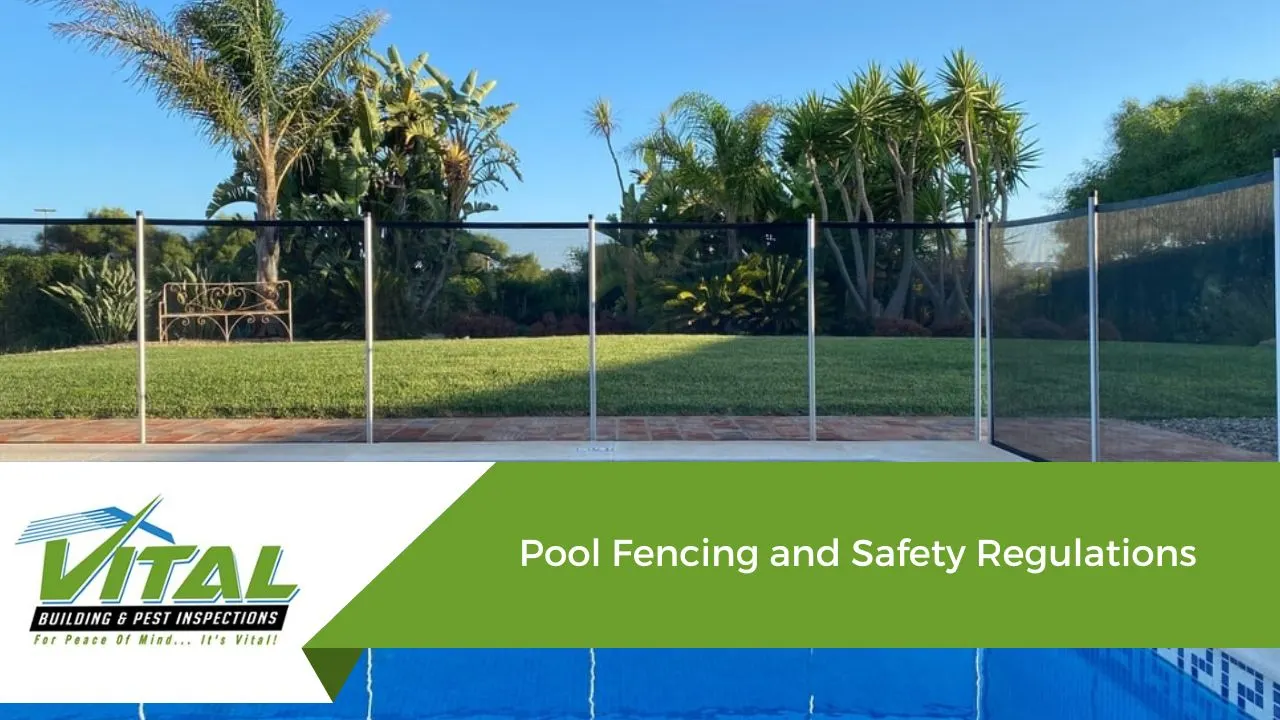
The fence is the first and most important line of protection for young children. The NSW Government's guide lists the key measurements:
- Height: at least 1.2 metres from the finished ground level, or 1.8 metres where a boundary fence forms part of the pool barrier.
- Gaps: 10 centimetres or less at the bottom of the fence and between vertical bars.
- Horizontal bars: any climbable horizontal bars at least 90 centimetres apart.
- The non-climbable zone: a 90 centimetre arc from the top of the fence towards the ground, clear of trees, shrubs, barbecues, pot plants, toys, ladders and chairs, plus 30 centimetres inside the pool area cleared of footholds and handholds.
The barrier standard that applies depends on when the pool was built, and once a barrier is modified, the current rules apply. A pool certifier notes where the fence and its surrounds sit against these measurements, so you or your pool fencer know exactly what to adjust.
Pool gates and their importance
Under the NSW guidance, the gate should:
- swing outwards, away from the pool area
- close by itself from any open position
- latch automatically when it closes
- stay shut at all times, rather than being propped open
Bolts, screws, hinges, locks and latches all need to be tight and working smoothly. A pool certifier checks the gate from several open positions to confirm it closes and latches every time. Checking the gate yourself each month, and adjusting the hinges and latch as they wear, keeps it working between inspections.
Identifying hazards in the pool area
Beyond the fence and gate, the pool surrounds need attention too. Look for:
- slippery paving or coping, and loose or cracked tiles
- sharp edges on coping, steps and fittings
- outdoor furniture, pot plants or equipment that has crept into the non-climbable zone
- doors and windows from the house that open into the pool area, which need to meet the barrier rules too
In a backyard pool, depth markers and "no diving" signs at the shallow end are worth adding, especially when visitors use the pool.
Pool covers and alarms for extra safety
Pool covers and alarms aren't part of the NSW barrier rules for pools, but they add a layer of protection, especially for homes with young children. A cover keeps leaves out and reduces evaporation, and an alarm alerts you if someone enters the water. Neither replaces a compliant barrier and active supervision.
Spas are slightly different. The NSW guidance notes that some spas can use a securely fastened, child-resistant structure, such as a lockable lid, instead of a fence, depending on their size and function, while larger swim spas may need a fence.
Drainage and circulation system checks
Pool drains and suction outlets need secure covers in good condition, so that hair, limbs or swimwear can't be caught by suction. Pumps and filters need regular servicing to keep water circulating and clean. These checks sit with your pool technician, who can confirm the outlets, covers and pump are in good order. Around the pool, your inspector looks at surface drainage, so water runs away from the house and the paving.
Chemical safety and water quality
Balanced water keeps swimmers comfortable and the pool's surfaces in good condition. Test the water regularly, or have a pool technician do it, and adjust pH and sanitiser levels as needed. Store pool chemicals in their original containers, in a cool, dry, locked place away from the pool area and out of children's reach, and keep different chemicals apart.
Pool ladders and handrails
Ladders, steps and handrails need to be firmly fixed and free of sharp edges, rust or loose fittings, because swimmers put their full weight on them getting in and out. Check them each season and tighten fixings as needed. A ladder on an above-ground pool needs to be removable or lockable, so it can't be used as a way in when no one's supervising.
CPR signage requirements
NSW law requires a CPR sign displayed near your pool, including portable pools. The sign must be in good condition and easily readable from 3 metres away. New pools need the current version of the sign, and existing pools need it when the barrier is substantially altered or rebuilt. It's a simple item to get right, and it gives anyone on hand clear steps in an emergency.
Electrical safety near pools
Pool pumps, filters, lighting and power points need to be installed and maintained by a licensed electrician. The NSW guidance notes that electrical pumps and filters must be approved for sale. Any electrical item near the pool that looks damaged or exposed is a job for a licensed electrician to check.
Selling or leasing a home with a pool
Every pool and spa in NSW must be on the Swimming Pool Register. When you sell, the contract needs a registration certificate plus an occupation certificate, a certificate of compliance or a certificate of non-compliance. When you lease, the tenant needs a copy of the certificate of compliance or occupation certificate. Your council or a registered swimming pool inspector issues these certificates, and your conveyancer or agent can confirm what your sale or lease needs.
Working through the checklist above before you book gives you the barrier's condition early, so the certifying inspection goes smoothly. If you're a landlord, the guide to rental property inspections in Sydney covers the rest of the property.
Book a pool safety check
Vital is based in Stanhope Gardens and inspects homes across north-western and south-western Sydney. You're encouraged to attend the inspection, meet your inspector and ask questions on site. Your inspector walks you through the findings and answers your questions about the report. Read more on the guides page.
Frequently asked questions
What's on a pool safety inspection checklist?
The barrier comes first: fence height, gaps under and through the fence, the gate swinging away from the pool and self-closing and self-latching, and a clear non-climbable zone. Then the CPR sign, the surrounds, ladders and handrails. Drainage, water quality and electrical equipment are for a pool technician and licensed electrician.
How high does a pool fence need to be in NSW?
At least 1.2 metres from the finished ground level, or 1.8 metres where a boundary fence forms part of the pool barrier. Gaps at the bottom of the fence and between vertical bars need to be 10 centimetres or less, and any climbable horizontal bars at least 90 centimetres apart.
Do I need a CPR sign at my pool?
Yes. NSW law requires a CPR sign displayed near your pool, including portable pools. It must be in good condition and easily readable from 3 metres away. New pools need the current sign, and existing pools need it when the barrier is substantially altered or rebuilt.
Do I need a pool certificate to sell or rent my home in NSW?
Yes. A sale contract needs a Swimming Pool Register certificate plus an occupation certificate, a certificate of compliance or a certificate of non-compliance. To rent, the tenant needs a copy of the certificate of compliance or occupation certificate. Your conveyancer or agent can confirm what your sale or lease needs.
Who issues a pool certificate of compliance in NSW?
Your local council or a registered swimming pool inspector, who is a private certifier, inspects the barrier and issues a certificate of compliance or non-compliance. Working through the checklist on this page beforehand shows you the barrier's condition, so you can fix items before the certifying inspection.