

You’ve just received your building inspection report. Forty-three pages of technical observations, cautious phrasing, and recommendations for “further investigation.” You’re trying to work out if that crack in the bathroom wall means you’re buying a money pit or if it’s genuinely nothing to worry about. The settlement date is three weeks away.
Here’s the problem: building inspectors write reports to protect themselves from liability, not to help you make a decision. They’ll note every defect they can see, wrap it in careful language, and leave you to work out what actually matters. This article translates that inspector-speak into plain language and tells you which issues demand action before you sign anything.
Why Your Inspector’s Report Reads Like a Legal Document (And What They’re Really Saying)
Photo by RDNE Stock project on Pexels
Inspectors use phrases like “appears to be,” “may indicate,” or “recommend monitoring” because they can’t open walls, dig up foundations, or dismantle roofs. They’re reporting what they can see, not what they can prove. When you read “moisture detected in bathroom wall,” the inspector suspects failed waterproofing but can’t confirm it without invasive testing. That’s your job to arrange.
“Recommend monitoring” usually means the inspector sees something that could get worse but isn’t critical yet. A hairline crack in render might stay stable for years or it might widen into a structural problem. They’re flagging it so you can’t come back later claiming they missed it.
This isn’t evasion. It’s how the industry works. Inspectors operate within strict limits on what they can assess without specialist equipment or destructive testing. Understanding this helps you read between the lines. If they’re being vague, there’s usually a reason worth investigating.
The ‘Minor Defect’ That Could Cost You $50,000
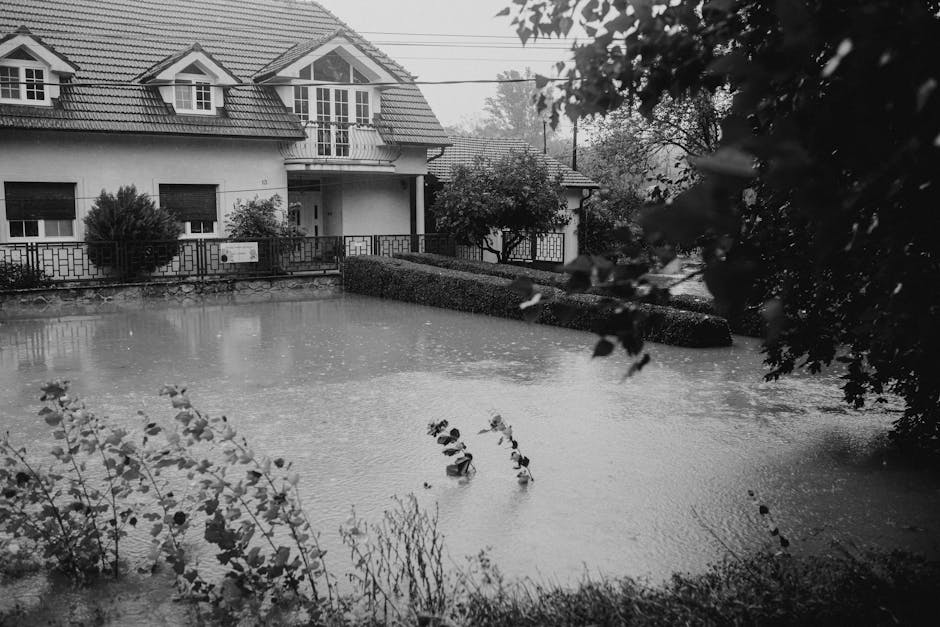
Photo by Helena Jankovičová Kováčová on Pexels
Inspection reports categorise defects as minor, major, or safety issues. The problem? “Minor” doesn’t mean cheap. It means the defect isn’t immediately dangerous or affecting the building’s structural integrity right now. A blocked stormwater drain gets listed as minor. Six months later, water pooling near your foundations causes movement in reactive clay soil, and you’re looking at $40,000 in underpinning work.
Take a recent Sydney example: a buyer received a report noting “minor drainage concerns” near the rear of the property. The inspector observed water staining on external brickwork but couldn’t confirm the extent without excavation. The buyer proceeded. Eighteen months later, cracks appeared in internal walls. A structural engineer traced it back to inadequate drainage causing foundation movement. The repair bill exceeded $50,000.
Multiple minor defects compound. An older home in Parramatta might have aging plumbing, worn roof tiles, outdated electrical panels, and poor drainage. Individually, each seems manageable. Together, you’re facing $80,000 in repairs within five years. If you’re planning a Building Inspection Parramatta property purchase, get quotes for every “minor” issue before you commit.
Hairline cracks vs. foundation movement: the 10mm rule Sydney inspectors use
Inspectors use a simple threshold: cracks wider than 10mm often indicate structural movement requiring engineering assessment. Anything narrower might be cosmetic settlement or render shrinkage. Anything wider suggests the building is moving, especially in Western Sydney’s reactive clay soil areas.
Location matters as much as width. Cracks radiating from door frames or window corners indicate stress points where movement is concentrated. Vertical cracks in external brickwork near corners often signal foundation issues. Horizontal cracks in internal walls can mean the roof structure is spreading.
Check if cracks are active. Run your finger along them. If there’s a step where one side is higher than the other, the building has moved significantly. Look for fresh plaster repairs covering old cracks. That’s a sign the owner knows there’s a problem.
If your report notes cracks exceeding 10mm or multiple cracks near openings, make your purchase conditional on a structural engineer’s report. Don’t rely on the building inspector’s opinion here. You need someone who can assess load paths, soil conditions, and whether the movement has stabilised.
Why ‘moisture detected’ in the bathroom means more than a leaky tap
When an inspector notes moisture in a bathroom, they’re usually talking about readings from a moisture meter pressed against walls or floors. Surface moisture from a recent shower dries out. Moisture in the substrate means water is getting behind tiles, which points to failed waterproofing.
Failed waterproofing isn’t a $500 fix. You’re looking at $10,000 to $20,000 to strip the bathroom back to the frame, re-waterproof properly, and retile. Signs include paint bubbling and mold near bathrooms, which indicate ongoing moisture problems that won’t resolve without major work.
Ask your inspector specifically: “Is this surface moisture or is there moisture in the substrate?” Request the actual moisture meter readings. Anything above 15-20% in timber or 4-6% in concrete suggests a problem. If they detected moisture but didn’t take readings, that’s a limitation of their inspection you need to address with a specialist.
The drainage issue they’ll mention once then never follow up on
Drainage gets a single line in most reports: “Recommend improving drainage around perimeter.” It sounds minor. It’s not. Poor drainage is one of the most common causes of foundation damage in Sydney, particularly in areas with reactive clay soils that shrink when dry and swell when wet.
Look for water stains on external walls at ground level. Check if downpipes discharge directly next to the house rather than into stormwater drains. Walk the property after rain and note where water pools. If it’s sitting near foundations, you have a problem that will get worse.
Soggy spots in the yard, mold on external walls, or efflorescence (white salt deposits) on brickwork all indicate water isn’t draining away properly. This isn’t cosmetic. It’s affecting the structural stability of the building.
If drainage is mentioned at all in your report, get a licensed plumber to assess the stormwater system before settlement. The cost to fix drainage properly ranges from $3,000 for new downpipes and grading to $15,000 for full stormwater system replacement. Factor that into your offer or walk away.
What ‘Further Investigation Recommended’ Actually Means (And When to Walk Away)
Photo by Mehmet Turgut Kirkgoz on Pexels
This phrase shifts responsibility from the inspector to you. They’ve identified something that needs specialist assessment but can’t confirm the extent or cost without further work. It’s not a suggestion. It’s a warning that you’re buying a property with an unknown liability.
You’ll need specialists depending on what was flagged: structural engineers for cracks and movement, licensed electricians for panel upgrades, plumbers for drainage and pipe condition, timber pest inspectors for termite activity, or asbestos assessors for properties built before 1990.
Not every “further investigation” note is a deal-breaker. An outdated electrical panel is a known cost you can budget for. Suspected termite damage in roof framing is a different matter entirely. Assess each one based on potential cost and whether the seller will negotiate or provide warranties.
Electrical panels: when ‘serviceable’ means ‘fire risk in 5 years’
“Serviceable” means the electrical panel works right now. It doesn’t mean it’s safe, compliant with current standards, or adequate for modern electrical loads. Panels from the 1970s and 80s often lack safety switches (RCDs), use ceramic fuses instead of circuit breakers, and don’t have capacity for air conditioning, electric vehicle chargers, or multiple appliances running simultaneously.
Red flags include any panel with ceramic fuses, no RCD protection, or a main switch rated below 63 amps. If the panel is in a garage or external location and shows signs of corrosion, that’s another concern. Modern panels should be weatherproof and located where they’re accessible but protected.
Upgrading an electrical panel in Sydney typically costs $2,000 to $4,000. That’s not catastrophic, but it’s a negotiating point. Ask your inspector directly: “Does this panel meet current AS/NZS 3000 standards?” and “Is there an RCD installed?” If the answer to either is no, get a licensed electrician to quote the upgrade before you proceed.
The termite damage they can’t confirm without opening walls
Building inspectors can only report visible termite activity or damage. They can’t open walls, remove cladding, or access roof spaces that aren’t safely accessible. If they note mud tubes, hollow-sounding timber, or previous termite treatment records, assume there’s more damage they can’t see.
Pest damage is a sign of ongoing infestation that needs full resolution verification. A previous treatment doesn’t mean the problem is solved. Termites can return, especially if the conditions that attracted them initially haven’t been addressed.
Make your purchase conditional on a specialist timber pest inspection. This is a separate service from a building inspection and involves more invasive investigation. Get a written quote for treatment and repairs before you commit. Termite damage can run from $5,000 for localised repairs to $100,000+ if structural timber is compromised.
Why they won’t tell you the roof has 2 years left (but you can work it out)
Inspectors avoid predicting how long a roof will last because they can’t guarantee it. But you can estimate based on age, material, and condition notes in the report. Terracotta tiles last 50+ years. Concrete tiles last 30 to 50 years. Colorbond roofing lasts 30 to 40 years.
Phrases like “weathered,” “nearing end of serviceable life,” or “recommend monitoring” mean the roof is old and will need replacement soon. If the report notes broken or slipped tiles, rust on metal roofing, or deteriorated sarking, you’re looking at work within the next few years.
Ask your inspector directly while they’re on-site: “Based on what you’ve seen, how many years would you expect this roof to last?” They’ll often give you a verbal answer they won’t put in writing. If the roof is marginal, get a roofing contractor to quote replacement. A full roof replacement in Sydney ranges from $15,000 for a small home to $40,000+ for larger properties.
The Questions Your Inspector Hopes You Won’t Ask
Good inspectors welcome questions. If yours doesn’t, that tells you something about the quality of the inspection. Most inspectors will give you more detail verbally than they’ll commit to in writing, so ask while they’re on-site. You’re paying for their expertise, not just a document.
Don’t be confrontational. Frame questions as seeking clarity to make an informed decision. “Can you show me what you mean by this?” or “What would you do if this was your purchase?” gets better responses than “Why didn’t you check this properly?”
How to read between the lines on easements and property boundaries
Inspectors note easements because they’re on the title, but they rarely explain what that means for your use of the property. An easement for sewer, stormwater, or electricity restricts what you can build over that area. You can’t put a garage, extension, or even a large tree over an easement without approval from the authority that holds it.
Ask your inspector: “What can’t I do because of this easement?” and “Are there any structures currently built over it?” If there’s a shed or deck over an easement, you might be required to remove it if the authority needs access.
Check the Section 88B instrument on the title. This document specifies exactly where easements run and what restrictions apply. Contact your local council to confirm what you can and can’t build. Don’t assume the current owner’s setup is compliant. It might not be.
Getting a straight answer about reactive clay soil in Western Sydney
Reactive clay soil expands when wet and contracts when dry, causing foundations to move. This is common in Western Sydney suburbs like Penrith, Blacktown, and Liverpool. Inspectors see the symptoms—cracking, doors sticking, uneven floors—but often won’t explicitly state that reactive soil is the cause.
If you’re buying in an affected area, ask directly: “Do you see signs of reactive soil movement?” If the answer is yes or even maybe, get a geotechnical engineer’s report before you proceed. This costs around $1,500 to $2,500 but tells you whether the foundations are adequate for the soil conditions.
Older homes are higher risk because they were often built before reactive soil was well understood. Modern homes should have appropriate footings, but that doesn’t mean they do. Verify it.
What to do when the hot water system is ‘adequate’ but you have three kids
“Adequate” means the hot water system meets minimum standards for the current setup. It doesn’t mean it suits your family’s needs. A 125-litre system works for two or three people. A family of five needs 250 litres or more, or a continuous flow system.
Inspectors assess condition, not capacity for your lifestyle. If the system is over ten years old or undersized for your household, budget $1,500 to $3,000 for replacement in your first year. Gas continuous flow systems cost more upfront but are more efficient for larger families.
Your 48-Hour Window: What to Do After Reading the Report

Photo by Bia Limova on Pexels
Most NSW contracts include a building and pest inspection clause giving you a short window to act on findings. Use it strategically. First, identify every “further investigation” item and get specialist quotes. Second, calculate the total cost of repairs and factor that into your offer. Third, decide whether to proceed, renegotiate, or walk away.
You can use the report to renegotiate price or request repairs before settlement. If the seller won’t budge and the defects are significant, walking away might be the right call. This isn’t just a yes-or-no decision. It’s a negotiation based on evidence.
Understanding your inspection report puts you in control. You’re not gambling on a property. You’re making an informed decision based on what you know, what it will cost to fix, and whether that fits your budget and risk tolerance. That’s the difference between buying smart and buying blind.
If you’re considering a property purchase and want a thorough assessment, our Building Inspection Sydney Checks Apartment House service covers both apartments and houses across the Sydney metro area. For those planning ahead, our 2026 Property Resolutions Building Inspections Sydney guide outlines what to prioritise in your property search this year.