
Guides
What are Building Inspector Skills?
What does a building inspector do? They inspect the accessible parts of a property, record its condition, defects and safety hazards in a written report, and explain what each finding means for you. This guide covers the work and the skills that make an inspector worth hiring.
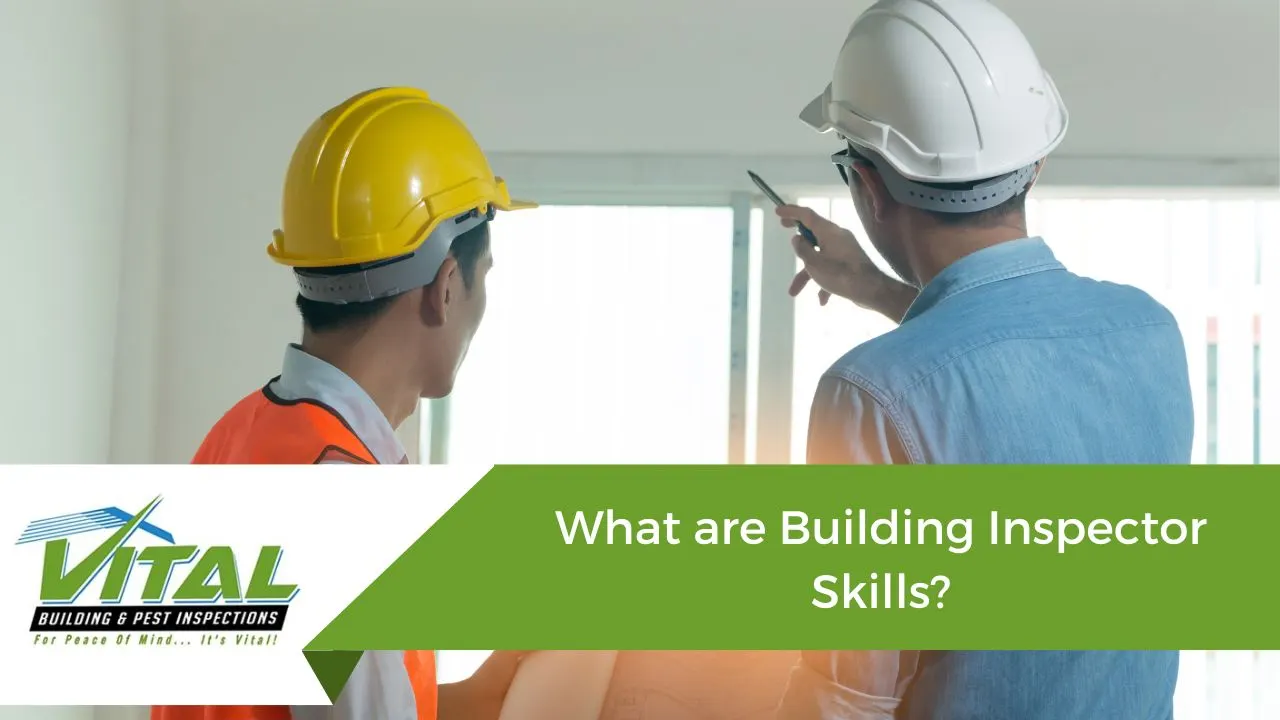
A building inspector checks the accessible parts of a property, records its condition, defects and safety hazards in a written report, and explains what each finding means for you. What does a building inspector do on the day? They work through the home area by area, from the roof space to the subfloor, using their eyes, their building knowledge and tools such as moisture meters and thermal cameras.
What does a building inspector do?
For a pre-purchase inspection, the inspector follows AS 4349.1-2007, the Australian Standard for pre-purchase building inspections. The NSW Government's guide to pre-purchase inspection reports notes that the inspector should check all accessible parts of the property, and that the report is a written account of its condition.
On the day, that means checking:
- the interior: ceilings, walls, floors, doors, windows, the kitchen, bathrooms and laundry
- the roof space: framing, insulation, roof covering from inside, and any sign of leaks
- the subfloor: piers, bearers and joists, ventilation, damp and timber decay
- the exterior: walls, windows, decks, balconies, stairs, the roof covering, gutters and downpipes
- the site: fences, retaining walls, paths, driveways, drainage and outbuildings
The inspector then writes up the findings as major defects, minor defects and safety hazards, with photos and a recommendation for each, and notes any area that couldn't be accessed.
Why buyers hire a building inspector
A building inspector gives you an independent view of the property at the time of inspection. That helps you:
- understand the condition of the home before you commit
- find defects that can grow over time, such as leaks and movement cracking
- sort major items from the everyday maintenance every home needs
- spot recent patching, fresh paint over stains and other signs worth asking about
- see where the home has been altered or extended, so your conveyancer can check approvals
- negotiate a price that reflects the repairs the home needs
Vital's pre-purchase building and pest inspection covers all of this, with a timber pest inspection to AS 4349.3 in the same visit.
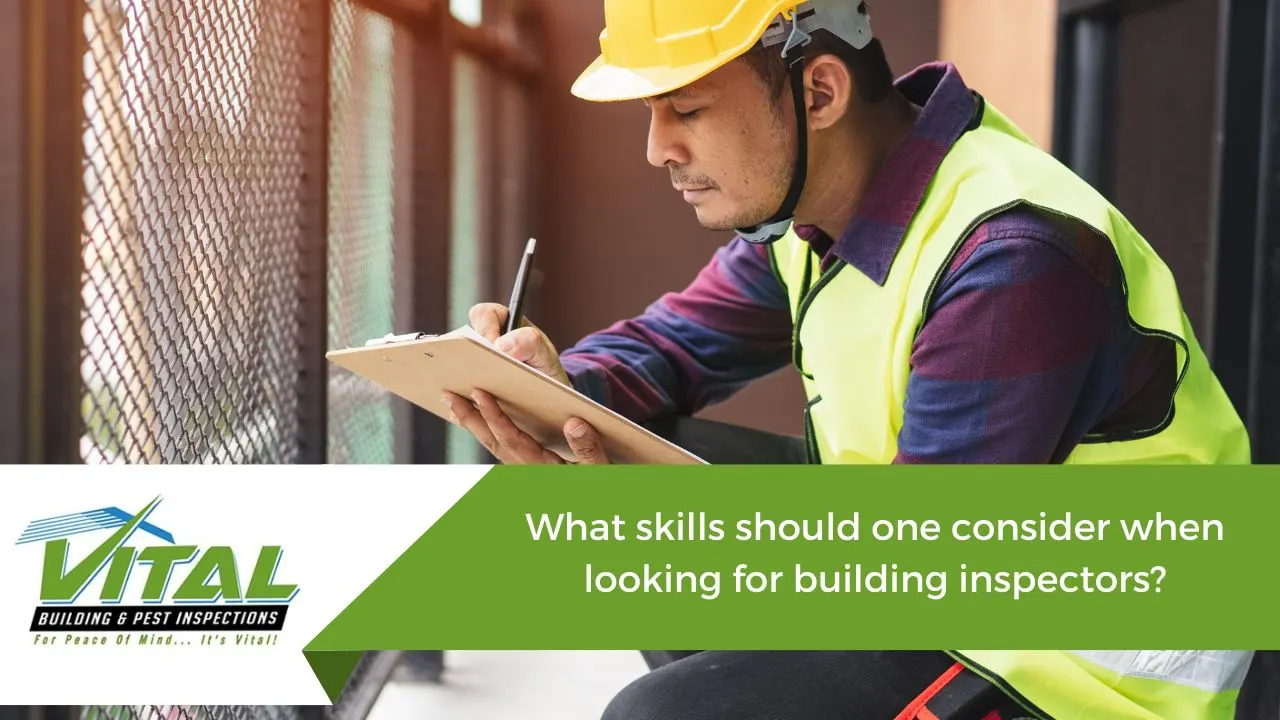
The skills that make a good building inspector
Knowledge of the trade
This is the most important skill. An inspector needs to know how homes are built, how materials age and how defects develop, so they can tell a cosmetic crack from structural movement. Vital's owner, Peter Ezeigwe, holds a Certificate IV in Building and Construction and a Diploma of Building and Construction, and he's a Housing Industry Association (HIA) member.
Reading causes as well as symptoms
A stain on a ceiling is a symptom; the cause might be a cracked tile, a blocked gutter or a leaking shower upstairs. A good inspector traces the finding to its likely cause, because that's what decides the repair. Peter has a background in building restoration and disaster assessment, and his ITI and Restoration Sciences Academy training in microbial remediation, mould, water and flood damage, and fire and smoke damage means he reads water damage the way a restorer does.
Method and attention to detail
A thorough inspector follows the same order every time, so nothing is skipped, and records what they couldn't reach as carefully as what they could. That method is what makes a report reliable.
Using the right tools
A moisture meter shows whether a stain is still damp, a thermal imaging camera shows hidden moisture and heat loss behind surfaces, and a Termatrac T3i can pick up termite movement inside walls. Knowing when to use each one, and how to read it, is a skill in itself.
Communication
The best report is 1 you understand. A good inspector explains findings in plain English, says how serious each one is and what to do next, and takes the time to answer your questions.
Great explanations about what he was looking for , he uses his knowledge of buildings, and gives his advice (tips) on things for buyers to look out for.
What it means for your property
A skilled inspector gives you a report you can act on: a clear list of what's sound, what needs repair and who to call. You can take it to your conveyancer, use it to negotiate and plan your maintenance budget around it. When you compare inspectors, the NSW Government also recommends checking that they carry adequate insurance, particularly professional indemnity.
When to book an inspection
- Before you buy: book before exchange, or early in the cooling-off period, so you have time to act on the report.
- Before handover of a new home: a new home inspection lists items for the builder to fix.
- Before you sell: a pre-listing inspection shows you what buyers' inspectors are likely to find.
- For an owned home: a maintenance inspection helps you plan repairs.
Every inspection is carried out in-house by Vital's own experienced inspectors, with no subcontractors. You're encouraged to attend the inspection, meet your inspector and ask questions on site. Your inspector walks you through the findings and answers your questions about the report. There are more guides on inspections on the guides page.
Frequently asked questions
What does a building inspector do?
A building inspector checks the accessible parts of a property, from the roof space and subfloor to the walls, wet areas and site, and records its condition in a written report. For a pre-purchase inspection in NSW, that report follows the Australian Standard, sorting findings into major defects, minor defects and safety hazards, each with a recommendation.
What do building inspectors look for?
Signs of structural movement, roof and plumbing leaks, damp, timber decay, termite damage, drainage issues, safety hazards such as loose balustrades, and materials that may contain asbestos. The report also notes any areas with limited access and conditions that attract termites. The guide to what a building inspection covers lists each area.
What qualifications should a building inspector have?
Look for formal building qualifications, practical experience with how homes are built and repaired, and professional indemnity insurance, which the NSW Government recommends checking. Vital's owner, Peter Ezeigwe, holds a Certificate IV and a Diploma of Building and Construction, is an HIA member and has a background in building restoration and disaster assessment.
Does a building inspector check that renovations were approved?
An inspector notes signs of alterations and additions, such as a converted garage or a newer deck, and flags work that may need approval. Checking council records and approvals is a job for your conveyancer or solicitor, and the report gives them a clear list of items to follow up.
Should I attend the building inspection?
You're welcome to. Attending lets you see what your inspector finds, ask questions on site and learn how to look after the home. If you can't be there, your inspector walks you through the findings once the report is ready.