
Guides
Look Out for These Common DIY Tiling Mistakes
A bad tiling job usually traces back to surface preparation, waterproofing, uneven adhesive or grout, too few spare tiles, poorly sealed bath edges or grout haze left on the tiles. Knowing the signs helps you check DIY tiling in a home you're buying, or get your own project right first time.
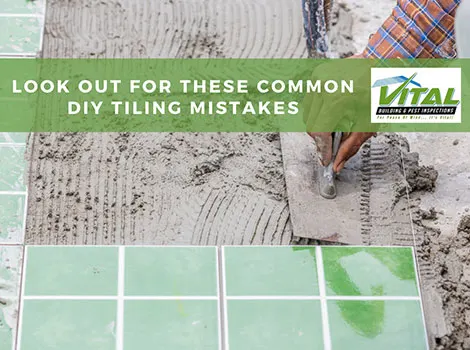
A bad tiling job usually traces back to a handful of causes: surfaces that weren't prepared, wet areas tiled without proper waterproofing, uneven adhesive or grout, too few spare tiles, poorly sealed bath edges and grout haze left on the tiles. Tiling looks simple, and good results come from careful preparation. If you're buying a home with DIY tiling, these are the signs to check. If you're planning your own project, they're the steps to get right.
What this covers
This guide covers the most common DIY tiling issues, what they mean for a home, and when to have tiling checked. It's written for 2 kinds of reader: buyers looking at a home where the kitchen, bathroom or outdoor area has been tiled by a previous owner, and homeowners planning to tile themselves.
Signs of a bad tiling job
Unprepared surfaces
Tiles need a clean, sound, flat surface to bond to. Old coatings, dust, loose paint or an uneven floor all reduce the bond, which leads to hollow tiles, cracking and lipped edges. Remove coatings, repair the surface and check it's flat before you start. AS 3958.1, the Australian Standard guide to installing ceramic tiles, sets out good practice for preparation and installation.
In a home you're buying, tap tiles gently with a knuckle or the handle of a screwdriver. A dull, solid sound is good. A hollow, drummy sound means the tile hasn't bonded fully.
Waterproofing in wet areas
Tiles and grout aren't waterproof on their own. Showers, bathrooms and laundries need a waterproof membrane under the tiles, installed before tiling and turned up the walls at the right heights. Waterproofing of domestic wet areas is covered by AS 3740, and in NSW it's work for a licensed waterproofer or builder. This is the single most important step to get right, because it protects the timber, plaster and slab behind the tiles.
Grouting unevenly
Grout works best spread in small sections with a rubber float, worked firmly into the joints, then cleaned off as you go. Spreading too much at once lets it dry before it's finished, which leaves patchy joints and a haze on the tiles. Even, consistent grout lines are a sign of careful work.
Checking the work early
First-time tilers benefit from a fresh pair of eyes soon after laying. Check the tiles within the first few hours, while the adhesive is still workable, so you can lift and reset any tile that's out of line or lipped. Once the adhesive and grout have set, adjusting a tile means removing it.
Buying the right number of tiles
Allow extra tiles for breakages, cutting around fittings and future repairs. Around 10 percent more than the measured area is a common allowance, and more for diagonal layouts or large tiles with lots of cuts. Keep a few spares from the same batch, because colours can vary between batches.
Sealing bath edges properly
The joint between the bath and the bottom row of tiles needs a flexible silicone seal, not grout, because the bath moves slightly as it fills. Filling the bath with water before applying the silicone lets the seal cure at the bath's loaded position, so it stays watertight in use. Corners and changes of plane, where walls meet floors and benchtops, need silicone for the same reason.
Cleaning off excess grout
Grout haze and smears dull the tiles and catch dirt. It's simplest to clean off while the grout is still fresh, with a damp sponge, and a dedicated cleaner removes light haze once it's set. Heavy haze in a home you're buying can be a clue to look more closely at the rest of the tiling.
What it means for your property
Most tiling issues are cosmetic, such as uneven grout lines or haze. Others matter more, because they let water through. Cracked grout, gaps in silicone, hollow tiles and a shower floor that doesn't drain properly can all allow water past the surface, and if the waterproofing beneath is missing or damaged, it reaches the timber, plaster and slab. Over time that can mean swollen skirting boards, stains in the next room or on the ceiling below, mould, and timber attractive to termites.
The guide to identifying leaks in wet areas explains the signs of water getting past the tiles and how they're traced. For a home you own, a licensed tiler or waterproofer can advise whether a regrout and reseal will do, or whether the waterproofing needs replacing.
When to book an inspection
Book an inspection if you're buying a home with recent DIY tiling, if you've noticed hollow tiles, cracked grout or damp next to a wet area, or if you've finished a renovation and want an independent check. Your inspector checks wet areas at every building inspection, tapping tiles, checking grout and silicone, and where appropriate, using a moisture meter or thermal imaging camera to help look for signs of water behind the surface.
Vital's owner, Peter Ezeigwe, brings a background in building restoration and disaster assessment, and your report explains what's likely to have caused each issue and what the repair usually involves. For a detailed list of issues in recent work, a building defects report sets out each item with photos. Vital is based in Stanhope Gardens and inspects homes across north-western and south-western Sydney. Read more on the guides page.
Frequently asked questions
What are the signs of a bad tiling job?
Look for uneven or lipped tile edges, tiles that sound hollow when tapped, cracked tiles or grout, gaps in silicone at corners and bath edges, grout haze on the tile faces, uneven grout lines, and water pooling on a shower floor instead of running to the waste. Stains or damp next to a wet area can mean water is getting past the tiles.
Why do tiles sound hollow?
Hollow or drummy tiles usually haven't bonded fully to the surface beneath, because the adhesive coverage was patchy, the surface wasn't prepared or the tile bed has moved. Drummy tiles are more likely to crack or lift, and in a wet area they can let water reach the waterproofing beneath.
Do I need to waterproof before tiling a bathroom?
Yes. Wet areas need a waterproof membrane under the tiles, because tiles and grout alone aren't waterproof. Waterproofing of domestic wet areas is covered by AS 3740, and in NSW it's work for a licensed waterproofer or builder. The membrane goes on before the tiles, so it's worth getting right first time.
How many spare tiles should I buy?
Allow extra tiles for breakages, cutting around fittings and future repairs. Around 10 percent more than the measured area is a common allowance, and more for diagonal layouts or large tiles with lots of cuts. Keep a few spares from the same batch, because colours can vary between batches.
Can a building inspection find tiling issues?
Yes. Your inspector checks wet areas at every Vital building inspection, tapping tiles for hollow areas, checking grout and silicone, and where appropriate, using a moisture meter or thermal imaging camera to help look for signs of water getting past the tiles. Your report shows each finding with photos so you can brief a tiler or waterproofer.